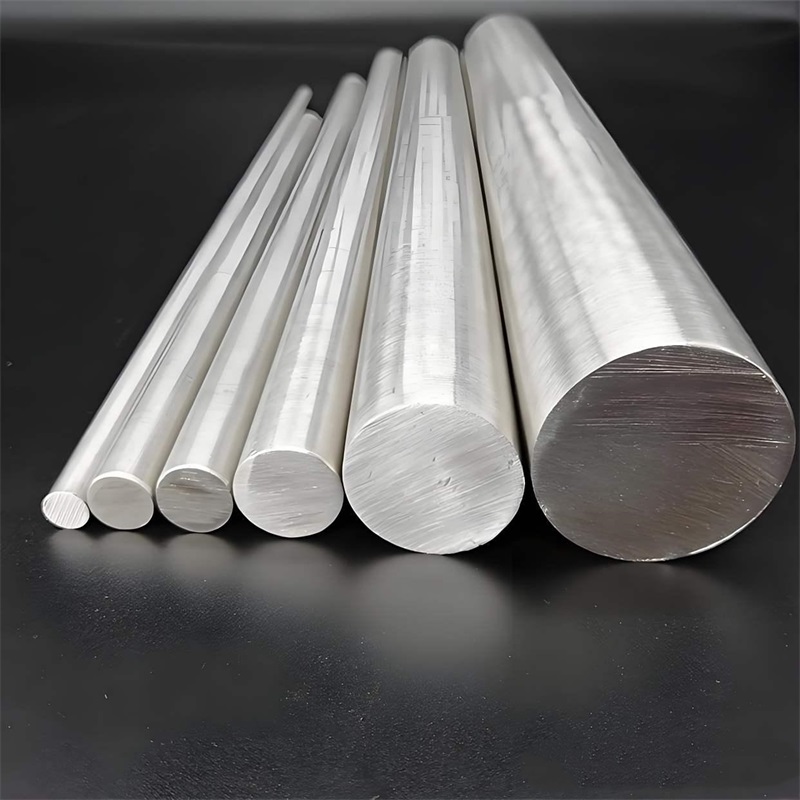
Specialty Alloys
In the grand narrative of modern industry, specialty alloys often play the role of “unsung heroes.” For engineers and procurement professionals, these materials are not merely parameters on a drawing; they are key variables that determine the success or failure of a project, the service life of equipment, and total life-cycle costs. Whether it’s the extreme pressure of the deep sea, the intense heat of aircraft engines, or the corrosive effects of strong acids in chemical reactors, special alloys—with their irreplaceable properties—form the backbone of high-end manufacturing.
Properties: Pushing Beyond the Physical Limits of Traditional Materials
What makes special alloys “special” is their ability to break through the performance barriers of ordinary metals in terms of strength, temperature, and corrosive environments. They typically possess the following core properties:
First is stability under extreme temperatures. While ordinary carbon steel softens at temperatures of just a few hundred degrees Celsius, special alloys (such as superalloys) can operate for extended periods in environments of 600°C or even above 1,000°C while maintaining excellent creep resistance and oxidation resistance.
Second is exceptional corrosion and wear resistance. Through the addition of elements such as chromium, molybdenum, and nickel, special alloys can form dense passivation films or composite oxide layers on their surfaces, effectively resisting corrosion from strong acids, strong alkalis, seawater, and even high-temperature sulfides. Meanwhile, cemented carbides—such as tungsten carbide—possess a hardness far exceeding that of ordinary steel, making them the ultimate solution for severe wear conditions.
Furthermore, special alloys possess unique physical properties. For example, shape-memory alloys can return to their original shape at specific temperatures, while precision alloys feature extremely low coefficients of thermal expansion or extremely high magnetic permeability, meeting the demanding requirements of precision instruments and sensors.
Major Categories of Special Alloys
The family of special alloys is vast and can be broadly classified into the following major categories based on their matrix elements and functional characteristics:
High-temperature alloys are the undisputed “kings of heat resistance.” Primarily nickel-, cobalt-, and iron-based, they are widely used in core hot-end components such as aircraft engine turbine blades and gas turbine combustion chambers. These alloys not only withstand high temperatures but also maintain microstructural stability under complex thermal stresses.
Corrosion-resistant alloys are the “guardians” of the chemical and marine engineering industries. Typical examples include Hastelloy and Monel, which remain unscathed in high-concentration hydrochloric acid, sulfuric acid, or seawater, making them the materials of choice for heat exchangers, reactors, and deep-sea valves.
Titanium alloys are hailed as the “metal of space.” Their greatest advantages lie in their extremely high specific strength (the ratio of strength to weight) and excellent biocompatibility. In the aerospace sector, they are key to achieving lightweight designs; in the medical field, they are the ideal material for artificial joints and implants.
Cemented carbides (such as tungsten-cobalt alloys) are known as the “teeth of industry.” Composed of refractory metal carbides and a binder metal, they are primarily used in cutting tools, mining drill bits, and wear-resistant components, serving as the foundation for machining other difficult-to-machine materials.
In addition, there are precision alloys (such as soft magnetic alloys and shape-memory alloys) and high-entropy alloys, which have garnered significant attention in recent years. Through multi-component design, the latter demonstrate disruptive potential in radiation-resistant and ultra-high-temperature applications.
Engineering Value: Why Choose Special Alloys?
For procurement and engineering decision-makers, the advantages of special alloys lie not only in their performance but also in their comprehensive benefits:
Extended equipment lifespan and reduced downtime costs: Although the initial procurement cost of special alloys is higher, their exceptionally long service life significantly reduces replacement frequency and maintenance downtime, making them often more cost-effective from a total life cycle cost (LCC) perspective.
Achieving Weight Reduction and Improved Energy Efficiency: In the aerospace and new energy vehicle sectors, replacing steel with titanium alloys or high-strength aluminum alloys can significantly reduce vehicle weight, thereby improving fuel efficiency or increasing driving range.
Ensuring Safety in Extreme Environments: In fields where there is no room for error—such as nuclear power and deep-sea oil and gas extraction—the reliability of specialty alloys directly impacts personnel and environmental safety, representing a strategic value that ordinary materials cannot match.
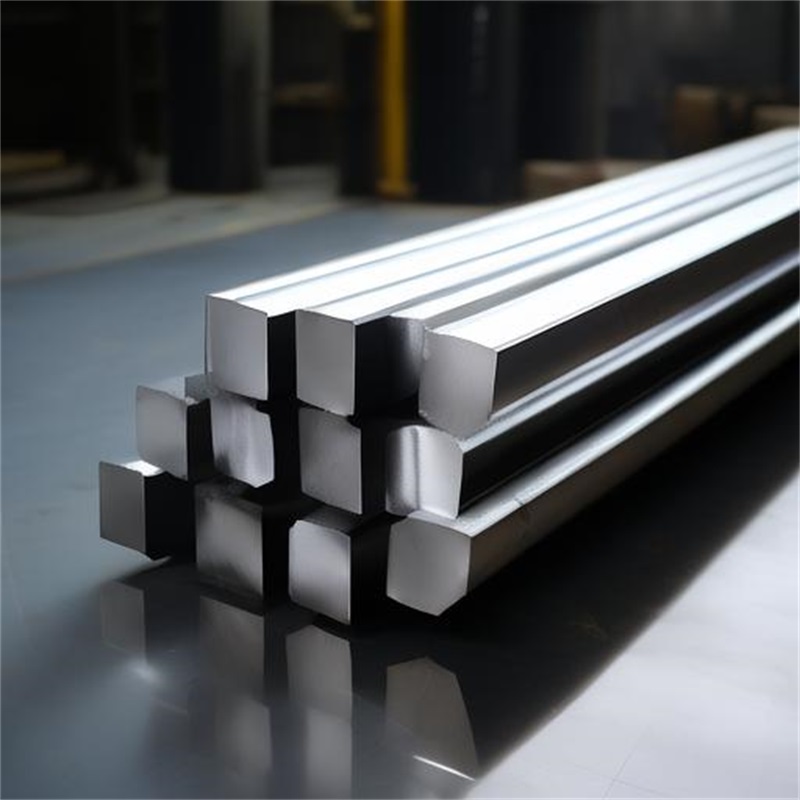
The Material Selection Dilemma: A Simple Comparison of Special Alloys and Other Materials
In practical engineering, there is no such thing as a perfectly ideal material—only the most suitable choice. Comparing special alloys with conventional materials helps clarify the material selection process:
Comparing Carbon Steel and Stainless Steel: Carbon steel is the least expensive and easiest to machine, but it has poor corrosion and high-temperature resistance, making it suitable only for static structures at room temperature in non-corrosive environments. Stainless steel offers improved corrosion resistance, but its oxide film is prone to failure at temperatures above 600°C or in strong acid environments. Special alloys (such as nickel-based superalloys), however, can maintain structural integrity under more extreme temperatures and corrosive media, making them the only solution for high-end operating conditions.
Comparison of Titanium Alloys and High-Temperature Alloys: Both are favorites in the aerospace sector, but their roles are clearly defined. Titanium alloys excel in “lightweight” applications and are primarily used for airframe structural components and engine cold-end parts, classified as durable goods; high-temperature alloys excel in “heat” resistance and specialize in engine hot-end rotating components, classified as consumables. In terms of maximum temperature resistance, high-temperature alloys far exceed titanium alloys, but they are also heavier per unit volume.
Comparing Titanium Alloys and Stainless Steel (from a 3D Printing/Machining Perspective): Titanium alloys have a density of only about 60% that of stainless steel and offer superior corrosion resistance, but they are extremely difficult to machine (poor thermal conductivity, prone to tool sticking). Material and machining costs are typically 5–10 times those of 316L stainless steel. Therefore, unless there are specific requirements for weight reduction or resistance to severe corrosion, stainless steel remains the cost-effective choice for mass production.
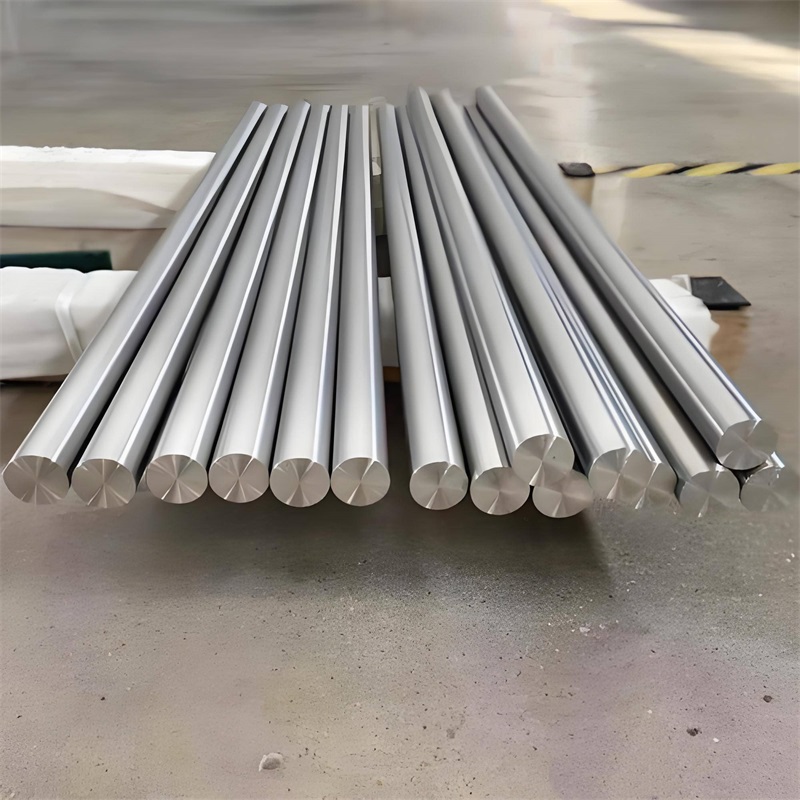
Specialty alloys are the backbone of modern industry’s pursuit of pushing boundaries. For engineers, understanding their properties is a prerequisite for designing reliable products; for procurement professionals, insight into their classifications and advantages is a powerful tool for optimizing supply chain costs. In the future competition for materials, as new materials such as high-entropy alloys and nanostructured alloys emerge, the boundaries of specialty alloys will continue to expand. Choosing the right material lays the strongest foundation for the success of an engineering project.