Platinum-Based Catalysts
In the fields of modern chemical engineering, environmental protection, and new energy, catalysts are hailed as the “vitamins” of industry, and platinum-based catalysts are undoubtedly the brightest stars among them. For engineers and procurement professionals, a deep understanding of the core value of platinum catalysts is not only key to optimizing production processes but also the foundation for scientific cost accounting and supply chain planning.
Physicochemical Properties and Core Advantages
Platinum (Pt), as a representative of the platinum group metals, derives its catalytic performance from its unique electronic structure. At the atomic level, the d-orbital electrons on the platinum surface can form precisely balanced chemical bonds with reactant molecules (such as hydrogen, oxygen, and carbon monoxide). The strength of these bonds is sufficient to break the reactants’ original chemical bonds, yet not so strong as to cause the products to become firmly adhered to the surface, thereby achieving a perfect balance between thermodynamics and kinetics.
This characteristic endows platinum catalysts with three core advantages. First is extremely high catalytic activity; platinum can significantly reduce the activation energy of a reaction, enabling many reactions that are extremely slow or even impossible under normal temperature and pressure to proceed efficiently. Second is outstanding stability. Platinum has an extremely high melting point (approximately 1772°C) and excellent resistance to oxidation and corrosion; its Thumann temperature reaches as high as 750°C. This means that in high-temperature or harsh industrial environments, platinum nanoparticles are unlikely to sinter or agglomerate, enabling them to maintain a high specific surface area and activity over the long term. Finally, platinum exhibits exceptional resistance to poisoning. Unlike metals such as copper and silver, which are highly prone to deactivation through reactions with sulfides, platinum demonstrates greater tolerance to common industrial impurities such as sulfur and phosphorus. Furthermore, once deactivated, its activity can often be restored through regeneration, ensuring reliable, long-term continuous production.
Main Categories of Platinum-Based Catalysts
Based on their morphology and reaction systems, platinum catalysts are primarily classified into two major categories in industrial applications.
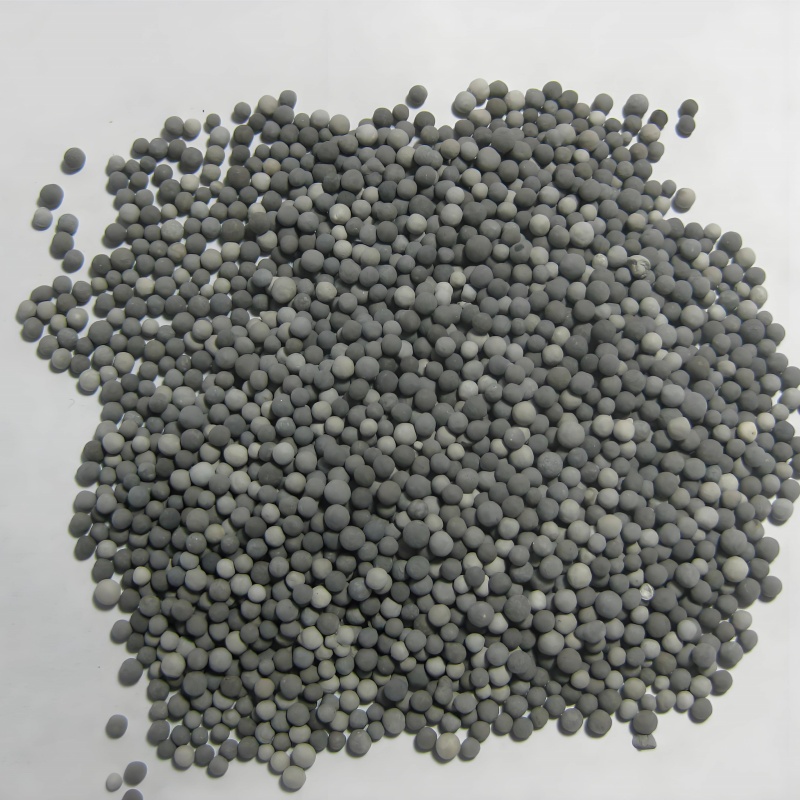
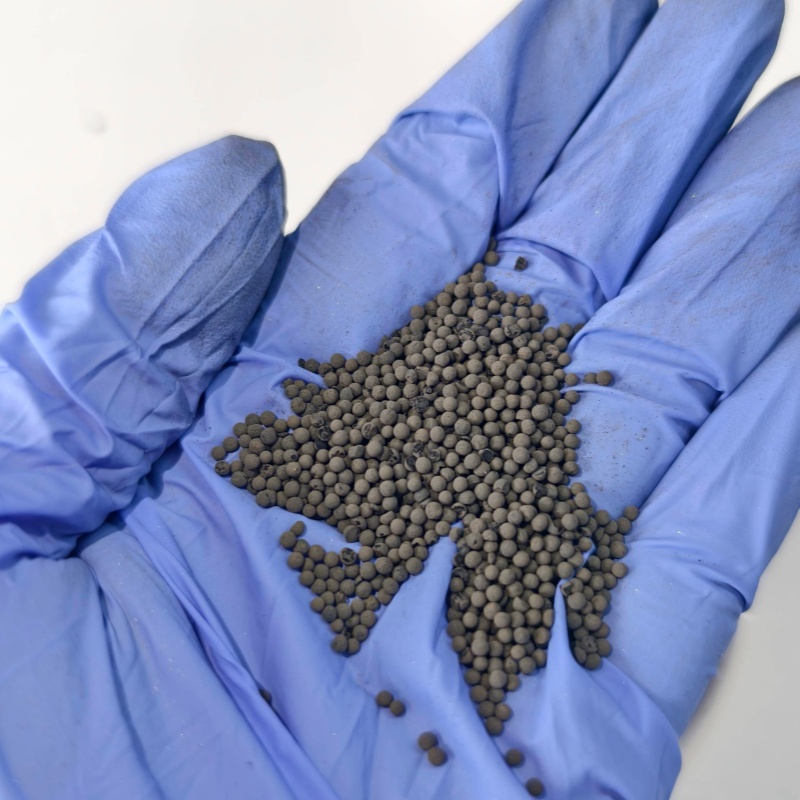
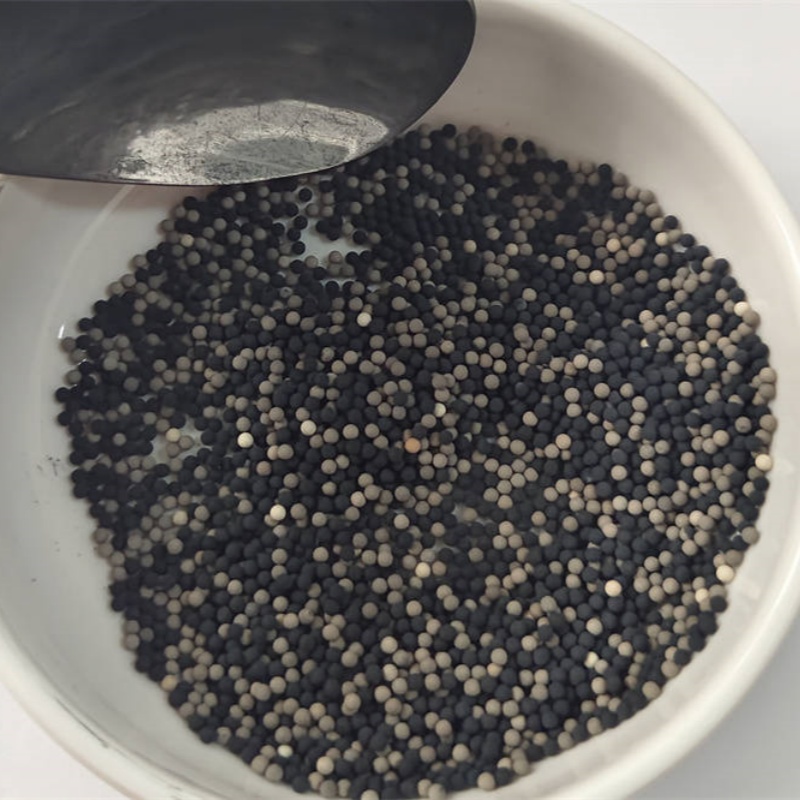
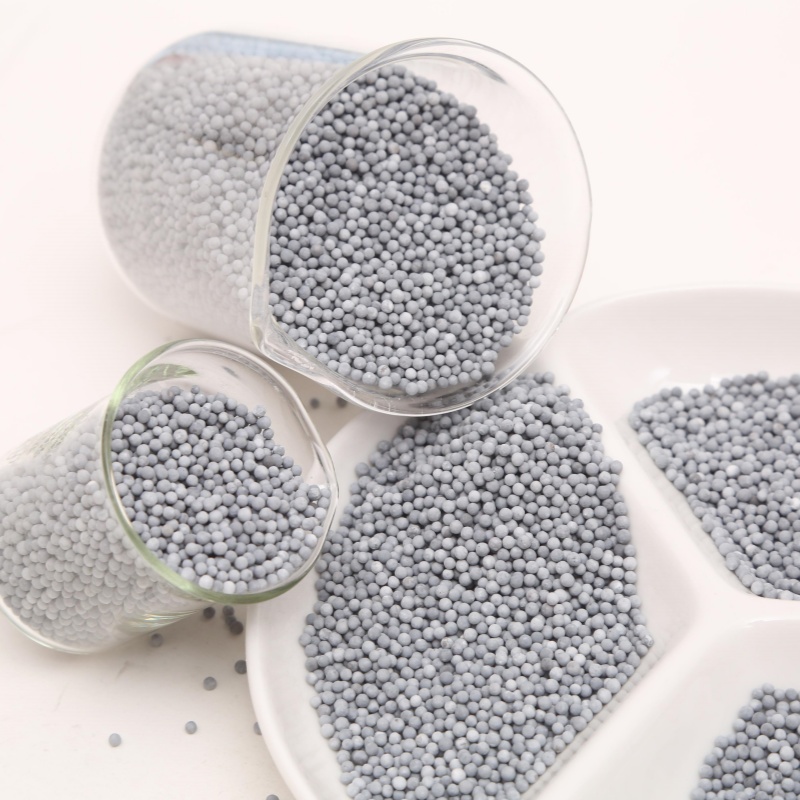
The first category is heterogeneous platinum catalysts, which are the most widely used form in industry. The core of this approach involves highly dispersing platinum in the form of nanoparticles on a carrier with a high specific surface area, such as alumina, silica, activated carbon, or honeycomb ceramics. This supported design not only greatly improves the utilization rate of platinum atoms but also enhances the mechanical strength of the catalyst. In automotive exhaust purification, platinum is coated onto honeycomb ceramic supports; in chemical hydrogenation reactions, platinum-carbon (Pt/C) or platinum-alumina (Pt/Al₂O₃) are the mainstream choices. Furthermore, to further enhance performance, engineers have developed advanced forms such as core-shell structures and single-atom platinum catalysts, aiming to achieve maximum catalytic efficiency with minimal platinum.
The second category consists of homogeneous platinum catalysts. In these systems, platinum exists in the reaction solution as soluble complexes or salts, sharing the same phase as the reactants. Homogeneous catalysts are highly favored in fine chemicals and pharmaceutical synthesis because their active sites are fully exposed, offering extremely high selectivity and mild reaction conditions, making them particularly suitable for the directed synthesis of complex chiral drug molecules.
Key Application Scenarios
The application scope of platinum catalysts is extremely broad, profoundly impacting multiple pillar industries of the national economy.
In the environmental protection sector, platinum is a core component of automotive three-way catalytic converters. It is responsible for efficiently converting carbon monoxide, hydrocarbons, and nitrogen oxides in engine exhaust into harmless carbon dioxide, water, and nitrogen. As global emissions regulations (such as China VIb and Euro VI) become increasingly stringent, the amount of platinum used per vehicle and the requirements for catalytic efficiency are continuously rising.
In the new energy sector, platinum is the cornerstone of the hydrogen economy. In proton exchange membrane (PEM) fuel cells, platinum-based catalysts are indispensable for the cathode oxygen reduction reaction; in PEM water electrolysis for hydrogen production, platinum also plays a key role in reducing overpotential and improving hydrogen production efficiency.
In the petrochemical and fine chemical sectors, platinum catalysts are widely used in processes such as catalytic reforming, alkane dehydrogenation, and selective hydrogenation. For example, in petroleum refining, platinum-rhenium or platinum-tin catalysts can convert low-octane naphtha into high-octane gasoline; in the organosilicon industry, platinum catalysts (such as Castor catalysts) are central to the silylation reaction, directly determining the quality of high-end materials such as silicone gel and silicone oil. Furthermore, platinum catalysts are equally indispensable in processes such as nitric acid production and the synthesis of pharmaceutical intermediates.
Simple Comparison of Platinum with Other Catalytic Materials
Comparing platinum with other materials is an essential step in engineering selection and procurement evaluation.
Compared to non-precious metals (such as copper, iron, nickel, and manganese), platinum’s advantages lie in its “high efficiency” and “long service life.” Although non-precious metals are inexpensive and abundant, they are far inferior to platinum in terms of catalytic activity, high-temperature stability, and resistance to poisoning. For example, copper catalysts are highly prone to sintering and deactivation at the high temperatures encountered in exhaust gas treatment, and they are easily poisoned by sulfur; the durability of iron-based catalysts in fuel cells currently still falls short of automotive-grade requirements. Therefore, in core processes where lifespan and efficiency are of the utmost importance, platinum is irreplaceable.
Compared to other precious metals in the same group (such as palladium (Pd), rhodium (Rh), and ruthenium (Ru)), platinum has distinct advantages. Palladium performs exceptionally well in gasoline vehicle exhaust purification and certain liquid-phase hydrogenation reactions, and its price is typically lower than that of platinum; however, its resistance to sulfur poisoning is relatively weak; rhodium is the undisputed workhorse for reducing nitrogen oxides, but its resources are even scarcer; ruthenium performs exceptionally well in the oxygen evolution reaction during water electrolysis. In actual industrial formulations, engineers rarely use platinum alone; instead, they employ bimetallic or multimetallic synergistic systems—such as platinum-palladium or platinum-rhodium—to strike the optimal balance between performance, lifespan, and cost.
For procurement professionals, the high unit price of platinum catalysts is a reality they must face, but the assessment of their cost should be based on “full life cycle” and “overall performance.” Platinum’s high conversion rates, long service life, and recyclability often help reduce the actual cost per reaction. In the future, with ongoing research and development into single-atom technology, core-shell structures, and low-platinum or non-platinum alternative materials, platinum catalysts are evolving toward “ultra-low platinum loading” and “maximum atomic utilization.” Understanding these technological trends will help companies gain a competitive edge in future supply chain planning.