Analysis of Palladium-Based Catalysts
In the modern chemical industry, automotive exhaust purification, and new energy materials sectors, palladium (Pd)-based catalysts play an irreplaceable and central role. As a key member of the platinum group metals, palladium serves as a “catalyst” for numerous complex chemical reactions due to its unique electronic structure and physicochemical properties. For engineers and procurement professionals, a thorough understanding of the characteristics, advantages, classification system, and comparisons with other materials of palladium catalysts is key to process optimization, cost control, and supply chain decision-making.
Characteristics and Advantages
Palladium catalysts are highly favored in the industrial sector primarily due to their exceptional catalytic activity and extremely high selectivity. At the atomic level, the d-orbital electronic structure of palladium enables it to readily adsorb and activate reactant molecules, thereby significantly reducing the activation energy of the reaction. This property allows many reactions that are difficult to carry out under conventional conditions—such as carbon-carbon cross-coupling—to be completed efficiently at mild temperatures and pressures.
In addition to high activity, another major advantage of palladium catalysts is their outstanding chemical selectivity. In complex organic syntheses, chemists can precisely control the reaction to halt at a specific stage by adjusting ligands or reaction conditions—for example, by semi-hydrogenating alkyne to an alkene without proceeding to form an alkane—which holds significant economic value in the pharmaceutical and fine chemicals industries. Furthermore, palladium catalysts come in various forms; they can function as homogeneous catalysts in reactions or be supported on solid carriers for use as heterogeneous catalysts. Heterogeneous palladium catalysts are not only easy to separate and recover through filtration but also effectively reduce metal residues in the product, meeting the pharmaceutical industry’s stringent purity requirements.
Classification of Palladium Catalysts
Palladium catalysts are not a single product but rather a vast family. Based on the form of the active component, the type of support, and the metal composition, they can be broadly classified into the following categories:
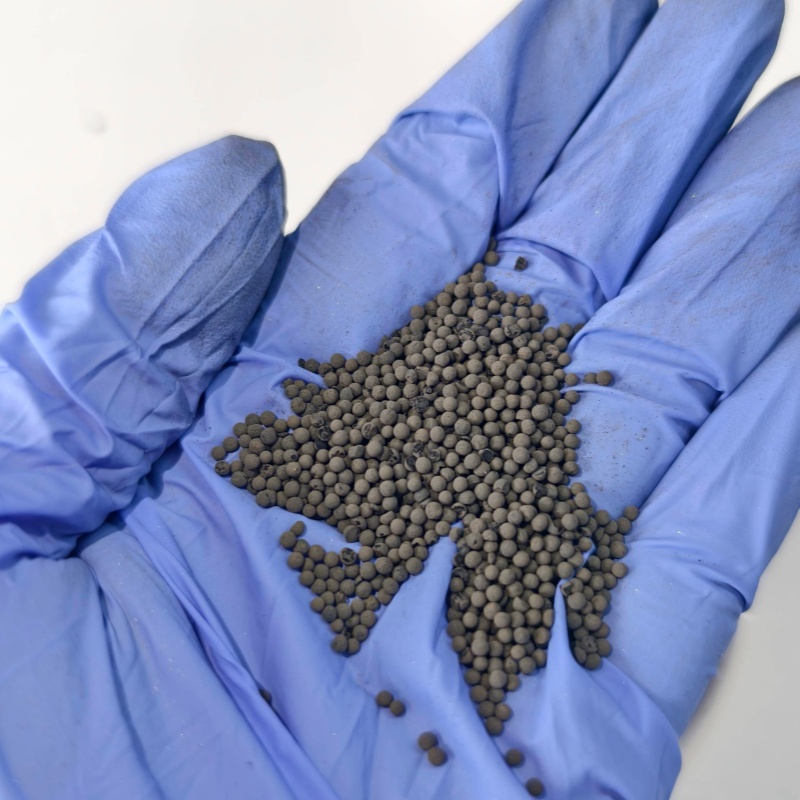
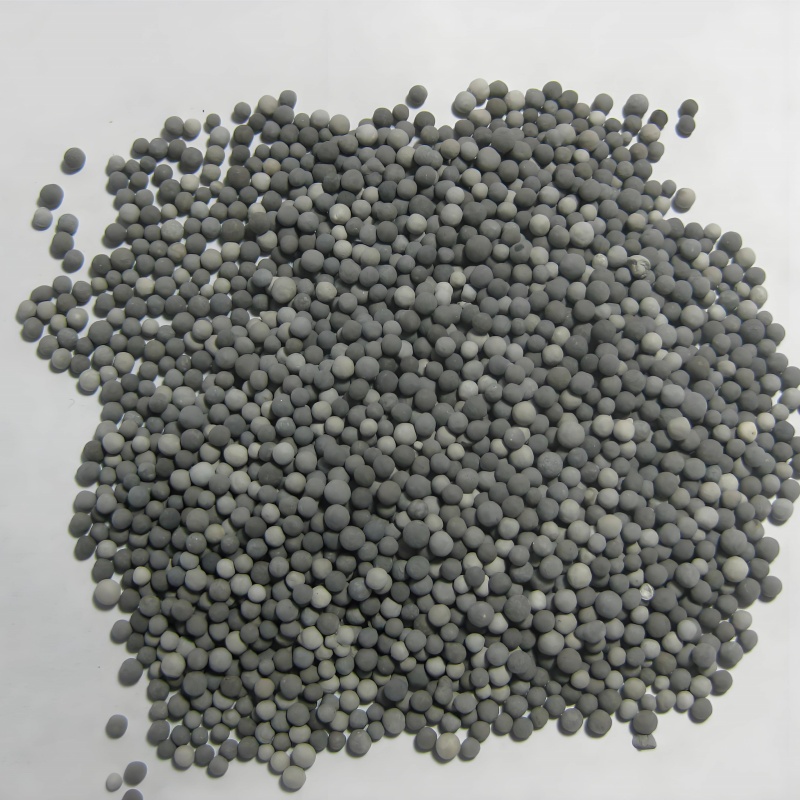
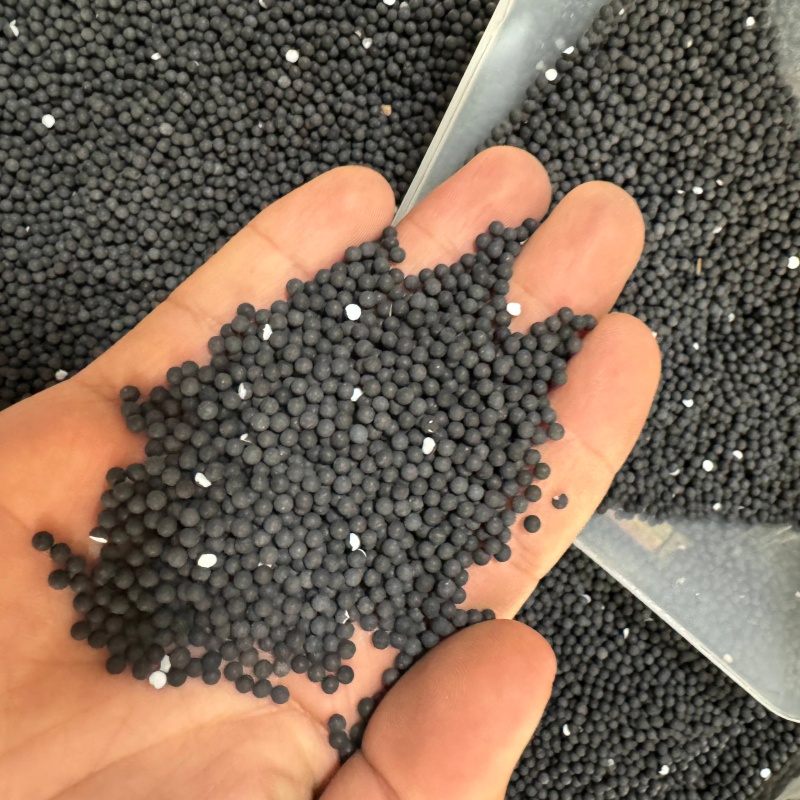
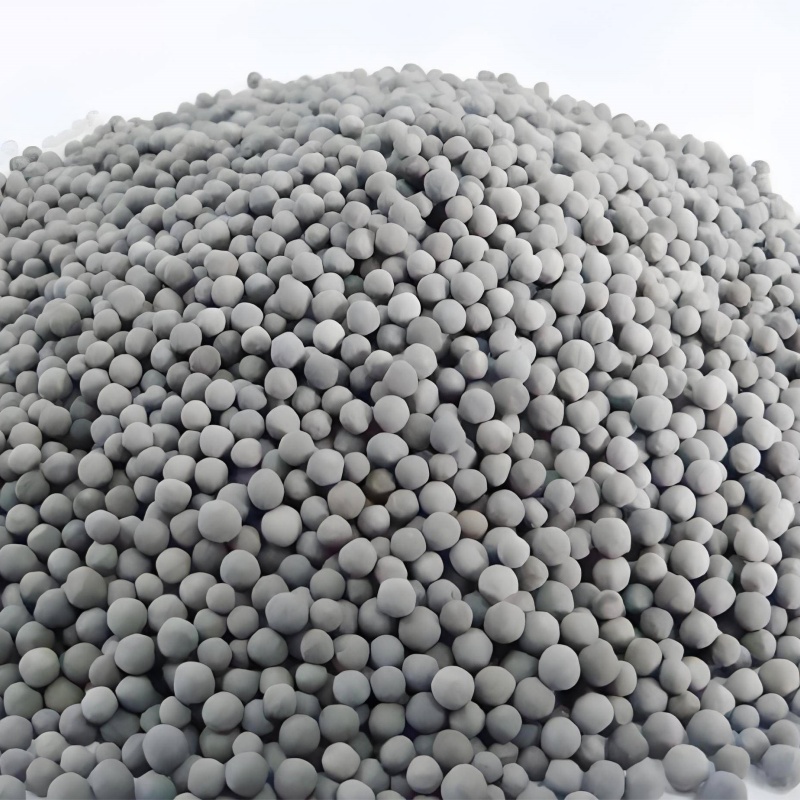
Single-metal supported catalysts: This is the most widely used type in industry, produced by loading palladium metal or palladium salts onto a porous support. Common supports include activated carbon (Pd/C), alumina (Pd/Al₂O₃), zeolites, and diatomaceous earth. The choice of support directly determines the catalyst’s specific surface area, porosity, and mass transfer efficiency. For example, Pd/C performs exceptionally well in hydrogenation reactions, while Pd/Al₂O₃ offers advantages in selective hydrogenation and dehydrogenation reactions.
Bimetallic and Multimetallic Catalysts: To overcome the limitations of pure palladium or reduce costs, engineers often combine palladium with metals such as platinum, rhodium, silver, or gold. For example, palladium-platinum (Pt-Pd) bimetallic catalysts exhibit synergistic effects in automotive exhaust treatment, enhancing the oxidation efficiency of carbon monoxide and hydrocarbons; while palladium-silver (Pd-Ag) catalysts can effectively improve the selective hydrogenation of trace amounts of acetylene in ethylene, preventing over-hydrogenation.
Homogeneous palladium complex catalysts: These catalysts are dissolved in the reaction system in molecular form and are often used to construct complex molecular frameworks. Classic examples include palladium tetra(triphenylphosphine), palladium acetate, and various palladium complexes modified with phosphine ligands or N-heterocyclic carbene (NHC) ligands. They are the absolute workhorses in cross-coupling reactions such as the Suzuki, Heck, and Sonogashira reactions, and are widely used in the synthesis of innovative drugs, OLED materials, and pesticides.
Industrial Applications
The use of palladium catalysts permeates virtually every vital sector of modern industry. In the automotive industry, over 80% of palladium is used in three-way catalytic converters for gasoline-powered vehicles, converting carbon monoxide, hydrocarbons, and nitrogen oxides in exhaust gases into harmless carbon dioxide, water, and nitrogen. As global emissions regulations (such as China VI and Euro 7) become increasingly stringent, the demand for high-performance palladium catalysts continues to rise.
In the petrochemical and fine chemical industries, palladium catalysts serve as the cornerstone of hydrogenation, dehydrogenation, oxidation, and carbonylation reactions. From vegetable oil hydrogenation and the refining of terephthalic acid to the synthesis of acetic acid, vitamins, and various antibiotics, palladium catalysis is indispensable. In recent years, with the rise of the new energy industry, the application of palladium in the green hydrogen sector has emerged as a new growth area. In proton exchange membrane (PEM) water electrolysis for hydrogen production and in fuel cells, palladium-based catalysts are gradually replacing some of the more expensive iridium and platinum, demonstrating excellent hydrogen evolution activity and cost advantages.
Simple Comparison with Other Catalytic Materials
In engineering selection and procurement evaluations, it is crucial to conduct a side-by-side comparison of palladium with other materials.
Comparison with nickel (Ni) catalysts: Nickel catalysts are inexpensive and abundant, offering an absolute cost advantage in large-scale basic hydrogenation processes (such as fat hardening). However, nickel catalysts have poor catalytic selectivity, are prone to overreaction, have weak resistance to sulfur poisoning, and are susceptible to sintering and deactivation at high temperatures. In contrast, although palladium is expensive, it offers irreplaceable advantages in the synthesis of high-value-added fine chemicals, catalytic stability under severe conditions, and control of product purity.
Comparison with platinum (Pt) catalysts: Platinum and palladium both belong to the platinum group and have similar properties, though each has its own strengths. Platinum exhibits better catalytic activity at low temperatures and superior resistance to sulfur poisoning compared to palladium, making it more widely used in diesel vehicle catalysts. However, in gasoline vehicle exhaust treatment and most organic hydrogenation reactions, palladium offers higher catalytic efficiency. In recent years, with advances in gasoline desulfurization technology, there has been a clear trend toward replacing platinum with palladium. Furthermore, palladium is typically less expensive than platinum, making it more attractive from a cost-control perspective.
Comparison with non-precious metals and superalloys: Superalloys or non-precious metals primarily serve as structural supports or carriers for catalysts, providing mechanical strength that withstands high temperatures and resists corrosion; however, their inherent catalytic activity is extremely low. Palladium, on the other hand, is the true “catalytic engine.” In practical industrial applications, a small amount of palladium is often loaded onto an inexpensive support. This approach not only ensures exceptional catalytic performance but also maximizes the utilization of the precious metal through dispersion technology, achieving an optimal balance between performance and cost.
In summary, palladium-based catalysts occupy a central position in high-end manufacturing and the transition to green energy due to their high activity, high selectivity, and morphological diversity. For procurement and engineering professionals, selecting the appropriate type of palladium catalyst, optimizing support and ligand designs, and thoroughly evaluating their overall cost-effectiveness compared to alternative materials are key strategies for enhancing process competitiveness and achieving cost reduction and efficiency gains.