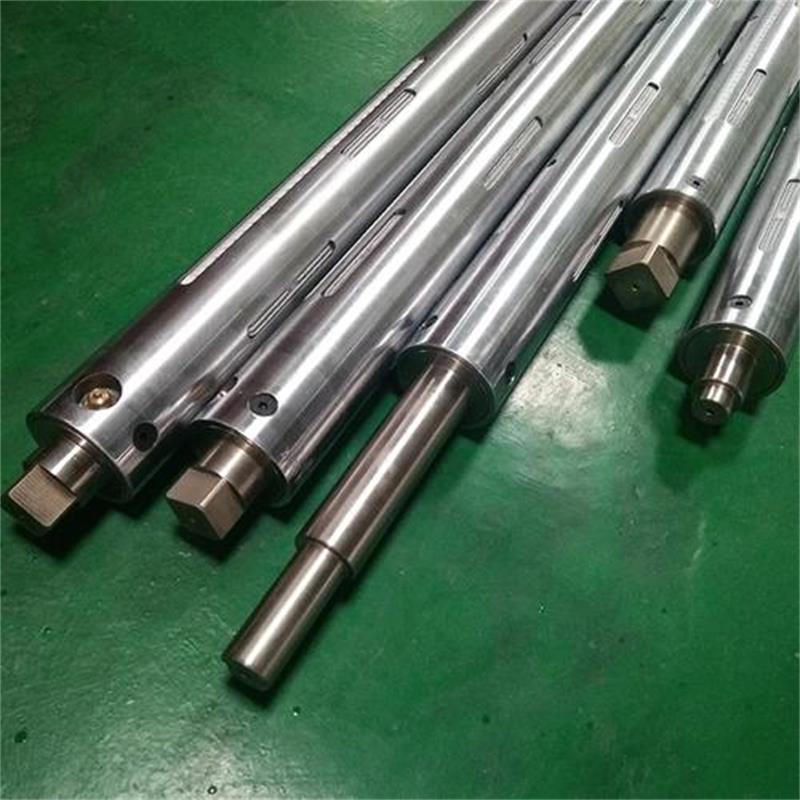
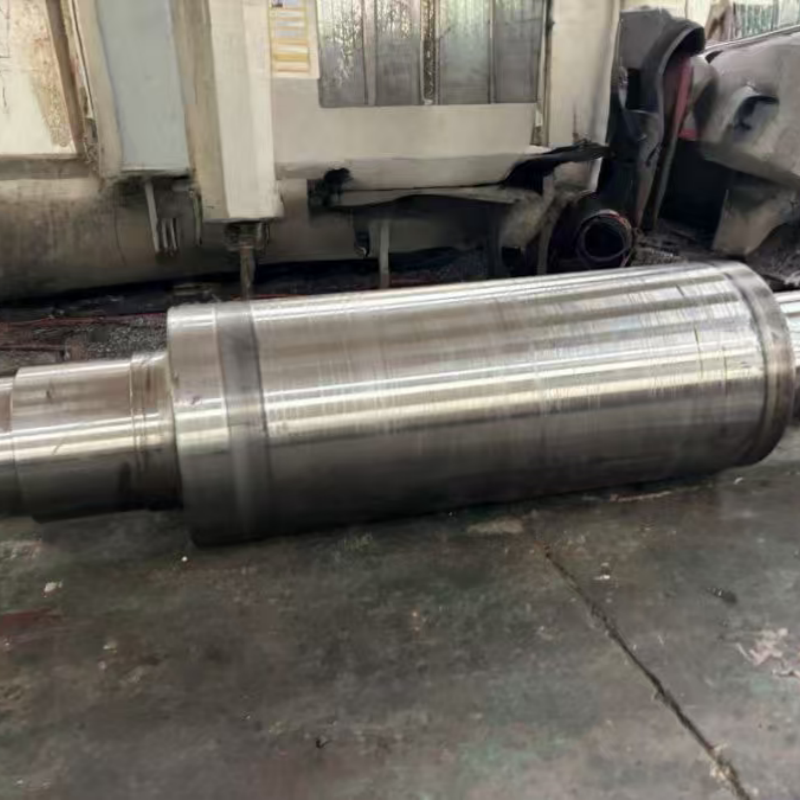
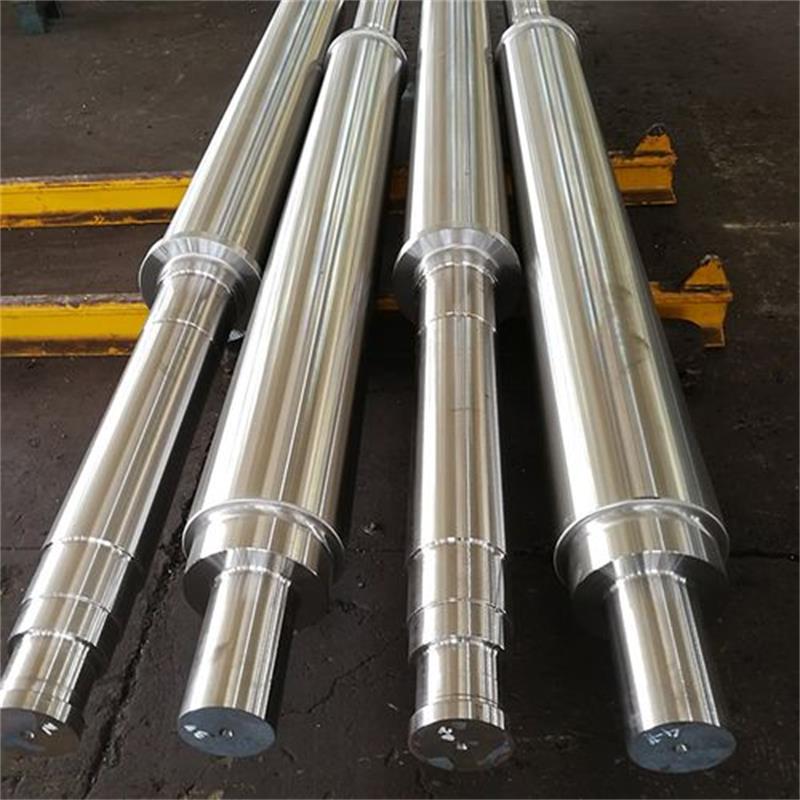
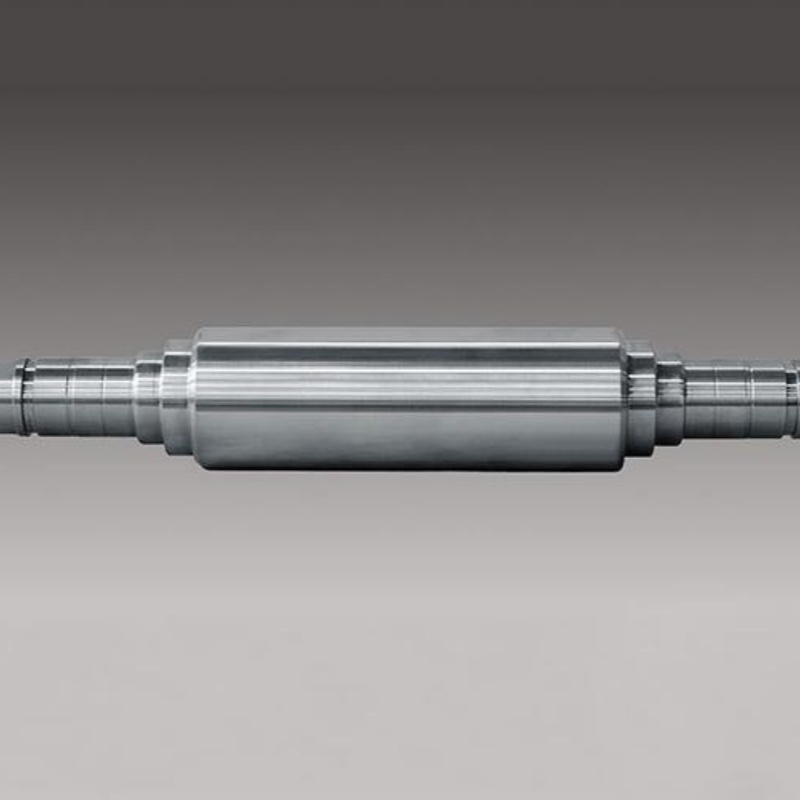
Metal-Sleeve Composite Roll Assemblies
In modern metallurgy and grinding industries, rolls serve as core consumables; their service life and overall performance directly impact production line operational efficiency and the cost per metric ton of steel or raw material. Faced with the dual, stringent demands for wear resistance and toughness under extreme operating conditions, traditional solid rolls often struggle to meet both requirements simultaneously. Against this backdrop, metal-sleeve composite rollers have emerged as the preferred solution for many engineers and procurement professionals seeking to optimize equipment configurations, thanks to their unique structural design. This article will provide an in-depth analysis of the core characteristics, significant advantages, and typical application scenarios of this type of roller, along with a comparative analysis against other common materials.
Characteristics: The “Balance of Rigidity and Flexibility” in Bimetallic Construction
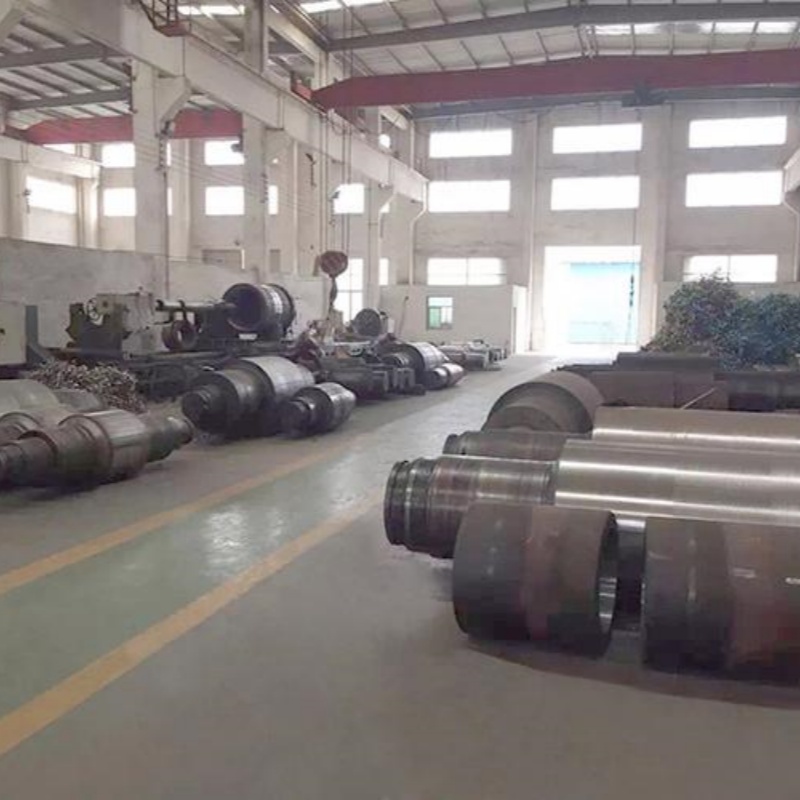
The most distinctive feature of metal-sleeve composite rolls lies in their “modular assembly” and “bimetallic” structure. This design overcomes the limitations of traditional single-material rolls by separating the roll body (working layer) from the roll core (substrate), thereby enabling precise matching of material properties.
In terms of material distribution, the outer sleeve—which comes into direct contact with the workpiece under high temperatures, high pressure, and intense friction—is typically made of high-hardness, high-wear-resistant materials such as tungsten carbide, high-chromium cast iron, high-speed steel, or cemented carbide. Some high-end roll shells even employ a composite structure with different materials for the inner and outer rings to withstand extreme surface thermal shock. The inner roll core, on the other hand, is primarily responsible for transmitting torque and withstanding enormous rolling forces; therefore, materials with excellent tensile strength and impact toughness—such as high-strength carbon steel, alloy steel, or ductile iron—are commonly selected.
To ensure the two components remain integrated under complex stress conditions, the roll sleeve and core are typically joined via a hot-fitted interference fit, an interlocking convex-concave structure, or metallurgical bonding achieved through processes such as centrifugal casting or continuous casting. Additionally, some designs incorporate a beveled structure on the end face of the roll sleeve to automatically adjust stress distribution and prevent shear fracture.
Advantages: A Powerful Tool for Cost Reduction and Efficiency Improvement
For engineering technicians and procurement decision-makers, the value of metal-sleeve composite rolls is primarily reflected in the following aspects.
First is a significant reduction in overall costs. Expensive wear-resistant alloys are used only in the working layer, while the roll core employs inexpensive and reusable, strong and tough materials. When the roll sleeve wears out and needs to be replaced, only the sleeve needs to be replaced, while the roll housing or core can be reused multiple times, significantly reducing the cost of roll consumption per metric ton of steel.
Second is the optimization of performance achieved through independent heat treatment. The modular design allows the roll sleeve and core to undergo their respective optimal heat treatment processes. The roll sleeve achieves extremely high surface hardness and wear resistance, while the roll core maintains optimal toughness, completely resolving the common challenge of having to compromise between these properties during the heat treatment of monolithic rolls.
Furthermore, this design significantly improves the equipment’s continuous operation rate. Due to the roll sleeve’s long wear life, the frequency of roll changes in the rolling mill is greatly reduced. This not only lowers the likelihood of equipment failures and maintenance costs but also reduces downtime, thereby improving the production line’s continuous production capacity and overall output. At the same time, high-quality roll core materials and appropriate assembly interference effectively prevent roll fractures caused by alternating stresses and thermal fatigue, ensuring production safety.
Typical Applications
Metal-sleeve composite rolls have been widely adopted across various heavy industrial sectors. In the steel metallurgy industry, tungsten carbide or high-speed steel sleeve-type composite rolls serve as core components for ensuring surface quality and steel throughput in hot-rolled sheet and strip finishing mills, medium- and finishing-pass stands for structural steel (such as H-beams and rebar), and high-speed wire rod splitting mills.
In the field of non-ferrous metal continuous casting and rolling, roll sleeves used in continuous casting and rolling processes for aluminum, copper, and other metals serve as both crystallizers and hot-rolling rolls. In recent years, to overcome bottlenecks in the continuous casting and rolling of high-alloy aluminum, composite rolls with high-thermal-conductivity copper alloy roll sleeves have gradually replaced traditional steel rolls, doubling continuous casting and rolling speeds.
In the building materials and mining grinding industries, within vertical mill systems for cement raw materials, pulverized coal, and slag, high-chromium cast iron or metal-ceramic composite roller sleeve assemblies are widely used to replace traditional hard-faced rollers due to their excellent resistance to abrasive wear, effectively extending the major overhaul intervals of the equipment.
A Simple Comparison with Other Materials/Processes
To more intuitively assess the positioning of metal-liner composite rollers, we can compare them with other common solutions across several key dimensions.
In terms of wear resistance and toughness, metal-lined composite rollers perform exceptionally well, with the two metals each fulfilling their respective roles; in contrast, solid cast or forged steel rollers often require a compromise between the two, while the performance of pure hard-faced rollers is highly dependent on the quality of the welding material.
In terms of manufacturing and procurement costs, composite rolls are moderately priced due to savings on precious metals; monolithic rolls are more expensive because they are made entirely of alloy; while pure surfacing-welded rolls have lower initial costs, they require frequent downtime for repairs, resulting in hidden costs that cannot be overlooked.
From a total life-cycle cost perspective, composite rolls have extremely low overall costs due to the reusability of their roll cores; monolithic rolls must be replaced entirely once scrapped, resulting in high costs; and pure surfacing-welded rolls still need to be replaced after multiple repairs, leading to higher long-term costs.
In terms of thermal fatigue resistance and safety, composite rollers feature a rational stress distribution and offer high safety; solid rollers are prone to complete fracture under extreme operating conditions; and pure weld-over rollers are susceptible to weld cracks and chipping under alternating stresses.
Metal-sleeve composite rolls are not merely consumables, but rather “profit amplifiers” on industrial production lines. For modern enterprises pursuing high operational rates and strict control over material consumption costs per metric ton, introducing metal-sleeve composite rolls in critical passes—such as finishing rolling, slitting, and high-load grinding—is undoubtedly a wise move to reduce costs, improve efficiency, and enhance product competitiveness.