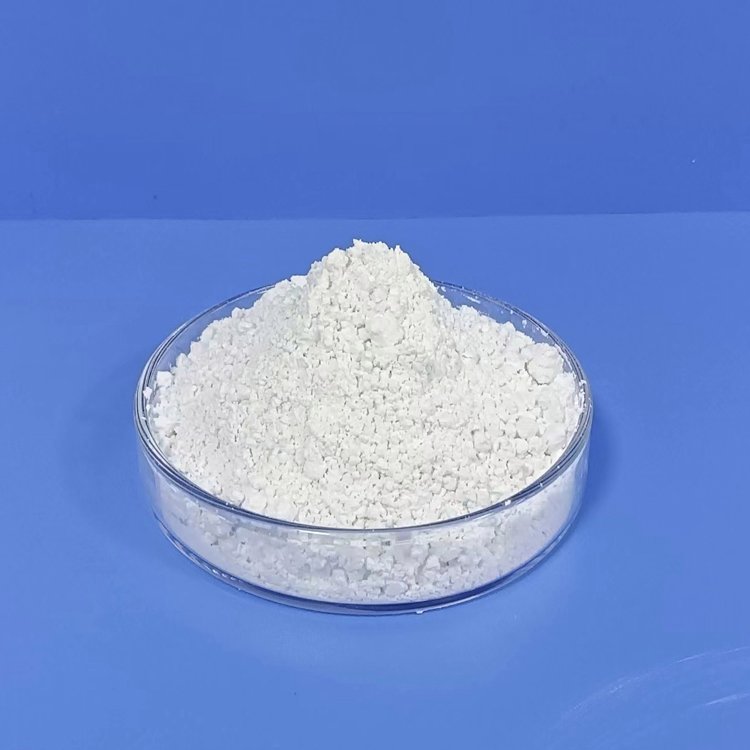
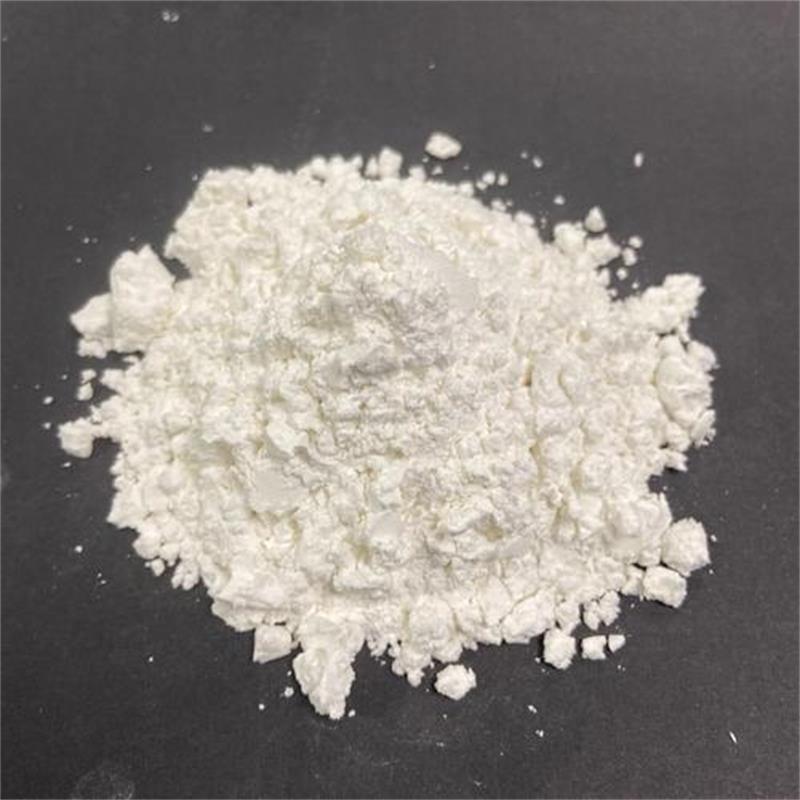
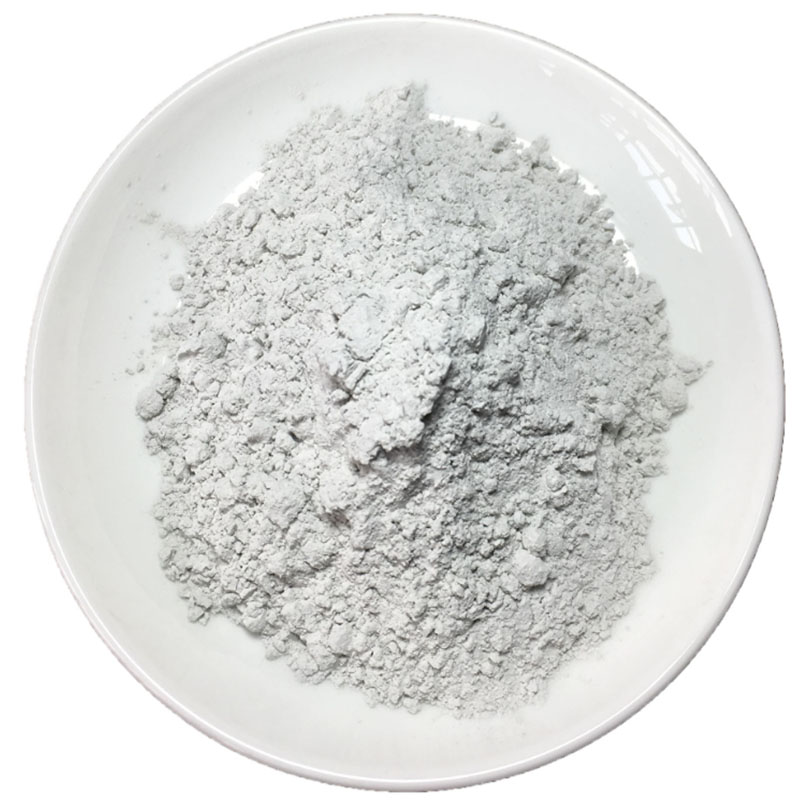
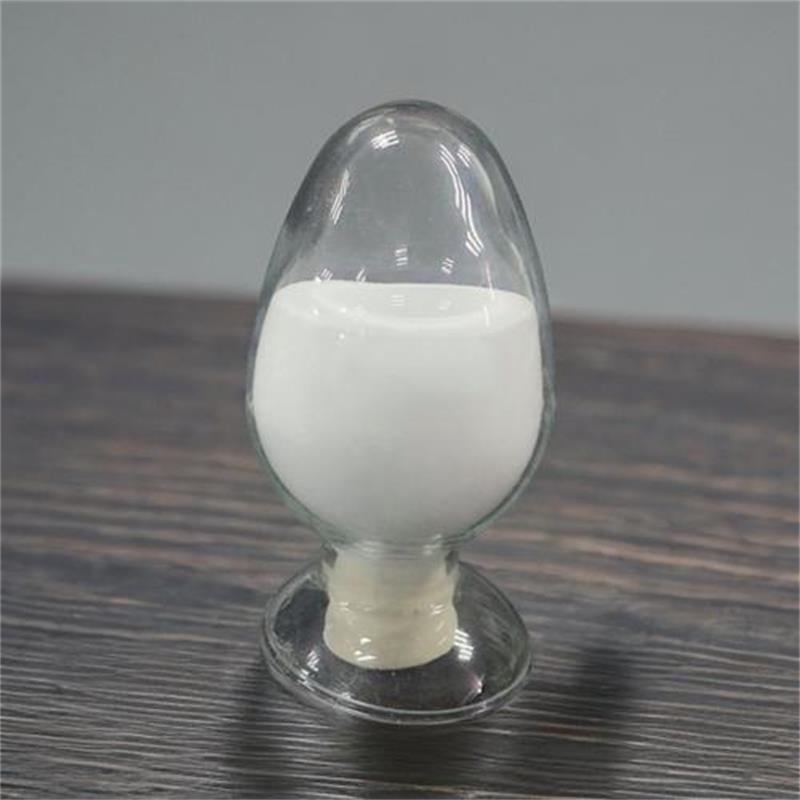
High-Purity Aluminum Nitride (AlN) Powder
In the field of electronics and materials engineering today, with the explosive growth of cutting-edge industries such as 5G communication, new energy vehicles, artificial intelligence, and aerospace, the miniaturization and high power of equipment have put unprecedented demands on thermal management materials. In this context, high-purity aluminum nitride (AlN) powder is rapidly becoming the focus of attention for overseas engineers and procurement personnel due to its excellent comprehensive properties.
Why choose high-purity aluminum nitride?
High purity aluminum nitride powder is a hexagonal ceramic material composed of aluminum (Al) and nitrogen (N) covalently bonded in a 1:1 ratio. Its unique microstructure endows it with a series of irreplaceable physical and chemical properties:
Extremely high thermal conductivity and excellent electrical insulation: The theoretical thermal conductivity of high-purity aluminum nitride can reach 320 W/(m · K), and the actual high-quality powder can also reach 200-340 W/(m · K), which is close to that of copper metal. At the same time, it has extremely high volume resistivity (>10 ^ 15 Ω· cm). This “thermal conductivity and insulation” characteristic makes it an ideal heat dissipation medium for high-frequency and high-power electronic devices.
Perfect thermal expansion matching: The thermal expansion coefficient of aluminum nitride (4.0-6.0 × 10 ⁻⁶/℃) is highly matched with semiconductor chips such as silicon (Si) and gallium arsenide (GaAs). Under severe temperature fluctuations, it can effectively avoid interface stress, material deformation, and even chip cracking caused by thermal expansion and contraction, greatly improving the long-term reliability of the device.
Low dielectric constant and low loss: Its dielectric constant is about 8.8, and the dielectric loss is extremely low at high frequencies. This ensures minimal energy loss in high-speed signal transmission, perfectly meeting the design requirements of high-frequency circuits and RF devices.
Excellent mechanical and chemical stability: Aluminum nitride has a Mohs hardness of up to 9, high flexural strength, and slow strength decay at high temperatures. At the same time, high-purity powders that have undergone surface modification treatment have excellent oxidation resistance, hydrolysis resistance, and resistance to molten metal erosion, and can maintain structural integrity even under extreme working conditions.
Key application areas
Thanks to the above characteristics, high-purity aluminum nitride powder has shown great potential for applications in multiple high-precision fields:
Electronic packaging and thermal management: as insulation and heat dissipation substrates and packaging fillers for high-power semiconductor devices, IGBT modules, and large-scale integrated circuits. Adding it to thermal conductive silicone, epoxy resin, or engineering plastics can construct an efficient thermal conductive network, significantly improving the heat dissipation efficiency of composite materials.
Optoelectronic devices: used as substrate materials or heat dissipation substrates in LEDs and laser diodes, utilizing their high thermal conductivity and low dielectric properties to improve luminous efficiency and extend device lifespan.
High temperature structural components and metallurgical industry: Due to their high temperature resistance (stable up to 2200 ℃) and resistance to molten metal erosion, they are widely used in the manufacture of high-temperature furnace linings, ideal crucibles for melting and casting pure iron and aluminum alloys, thermocouple protection tubes, etc.
5G communication and RF devices: used for manufacturing high-frequency circuit substrates, surface acoustic wave (SAW) detectors, and microwave dielectric materials to ensure high-speed and low loss signal transmission.
Engineering and procurement advantages
For overseas engineers and procurement teams, choosing high-purity aluminum nitride powder is not only a technological upgrade, but also a reflection of supply chain optimization:
Enhancing product added value: By solving the “heat dissipation bottleneck”, it helps terminal electronic products achieve the design goals of being thinner, higher frequency, and longer lifespan.
Improved processing performance: The powder, which has undergone secondary laser melting spheroidization and surface anti hydrolysis modification treatment, has extremely high sphericity and flowability. When filling polymer resin, not only does it not increase viscosity significantly, but it can also achieve high filling volume, greatly reducing the processing difficulty of composite materials.
Long term stability guarantee: High quality anti hydrolysis and anti oxidation treatment solves the industry pain point of traditional nitride aluminum powder body being prone to failure in humid environments, ensuring long-term stability of thermal conductivity and insulation performance.
Horizontal comparison with other heat dissipation materials
It is crucial to understand the differences between aluminum nitride and competitors when selecting materials:
Compared to aluminum oxide (Al ₂ O3): The thermal conductivity of aluminum nitride is 5 to 8 times that of aluminum oxide, and the dielectric loss is lower at high frequencies. Although the cost is relatively high, it is an absolute upgraded substitute for alumina in the pursuit of ultimate heat dissipation and high-frequency performance.
Compared to silicon nitride (Si ∝ N ₄), silicon nitride has overwhelming advantages in mechanical strength, fracture toughness, and thermal shock resistance, and has stronger resistance to reducing gases such as H ₂. However, the intrinsic thermal conductivity of aluminum nitride is higher. If the application environment is dry and pursues ultimate thermal conductivity, aluminum nitride is the first choice; If in extremely harsh, high stress, or hydrogen containing environments, silicon nitride has better overall reliability.
Compared to silicon carbide (SiC): Silicon carbide has excellent thermal conductivity, but it is a semiconductor and does not have electrical insulation properties. Aluminum nitride has irreplaceable advantages in electronic packaging and substrate applications that require both high thermal conductivity and high insulation.
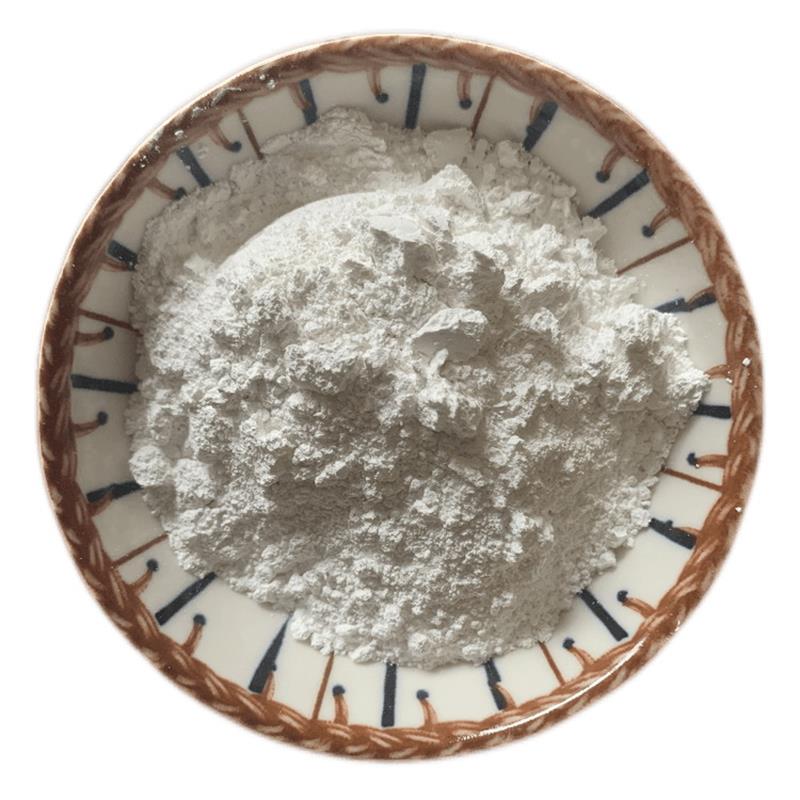
High purity aluminum nitride powder, as a bridge connecting material science and cutting-edge electronic technology, is reshaping the landscape of modern thermal management solutions. For overseas procurement personnel and engineers, accurately grasping their characteristics, applications, and material comparative advantages will help them seize the initiative in the fierce global market competition. In the future, with the further maturity of preparation processes and cost optimization, aluminum nitride powder will undoubtedly unleash its core value on a broader industrial stage.