Alkali-Free Glass Fiber Fabric
In modern industrial manufacturing and engineering applications, the choice of materials often determines the upper limit of a final product’s performance and its lifecycle costs. Thanks to its outstanding comprehensive performance, alkali-free glass fiber fabric (E-Glass Fabric) has become a core foundational material in numerous fields, including composites, electronics and electrical engineering, and construction. This article provides a comprehensive, professional analysis of the characteristics, key advantages, and primary application scenarios of alkali-free glass fiber fabric, along with a brief comparison to other common materials, to serve as a decision-making reference for engineers in design and selection, as well as for procurement professionals in supply chain management.
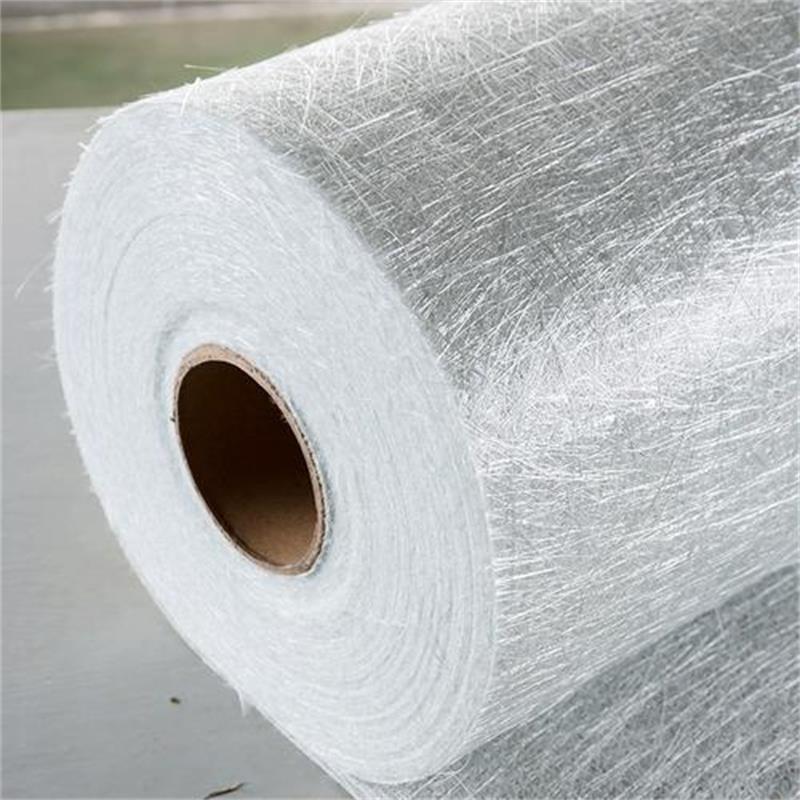
Properties: Why Is It the “MSG of Industry”?
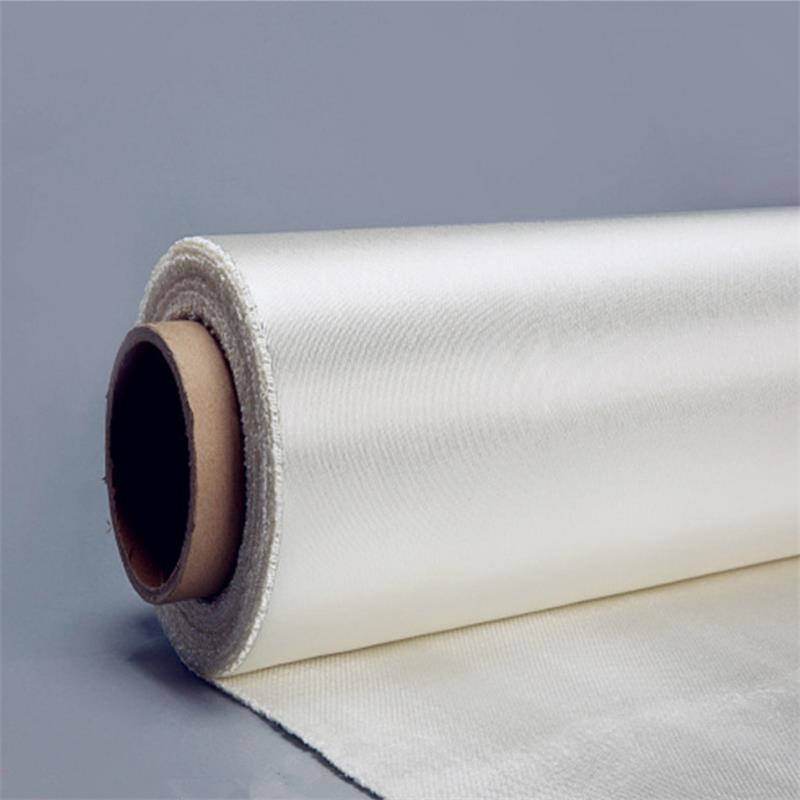
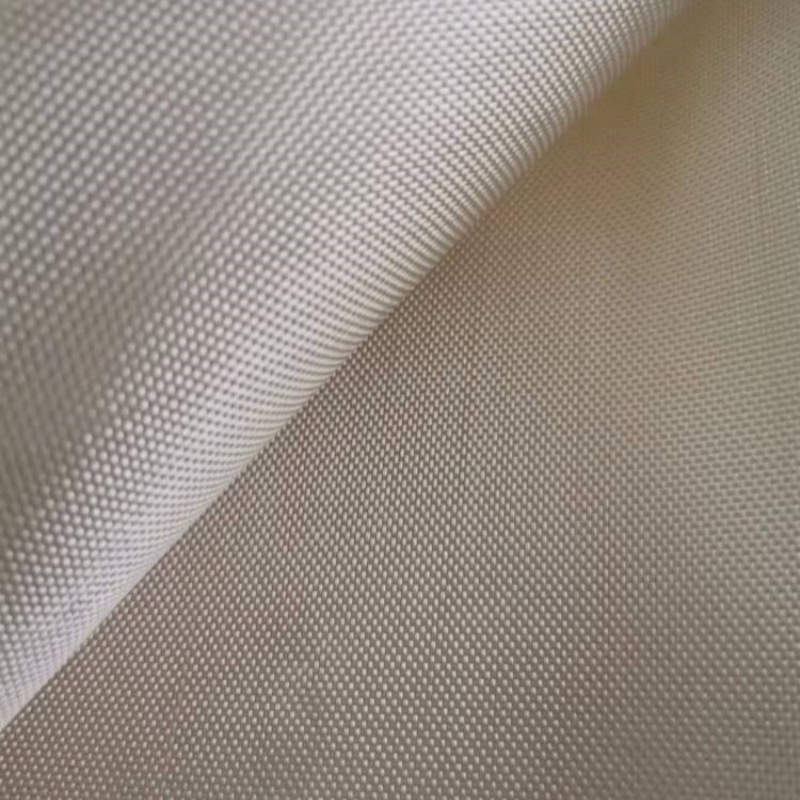
Alkali-free glass fiber fabric is an inorganic, non-metallic material produced by melting and drawing aluminum borosilicate glass at high temperatures and then weaving it into fabric. Its most distinctive defining characteristic is its extremely low alkali metal oxide content (domestic standards typically require ≤0.5%, while international standards generally require ≤0.8%). This compositional characteristic confers the following core physical and chemical properties:
First, it possesses excellent electrical insulation properties. Due to its extremely low alkali metal content, alkali-free glass fiber fabric has an extremely high volume resistivity and dielectric strength, as well as a low dielectric constant and low dielectric loss, making it an ideal insulating substrate for high-frequency and high-voltage electrical environments. Second, it boasts extremely high mechanical strength. Glass fiber monofilaments have extremely high tensile strength; when woven into fabric, its tensile strength can reach 2–3 times that of ordinary steel, yet it weighs only about one-fourth as much as steel, making it an excellent lightweight reinforcing framework. Furthermore, it exhibits outstanding heat resistance and dimensional stability, capable of operating stably within a wide temperature range of -196°C to 300°C. With a low coefficient of thermal expansion, it is resistant to deformation and shrinkage at high temperatures, maintaining extremely high dimensional accuracy.
Finally, it possesses good chemical stability, resisting water, oil, and corrosion from general weak acids and alkalis, and is inherently non-flammable with natural flame-retardant properties.
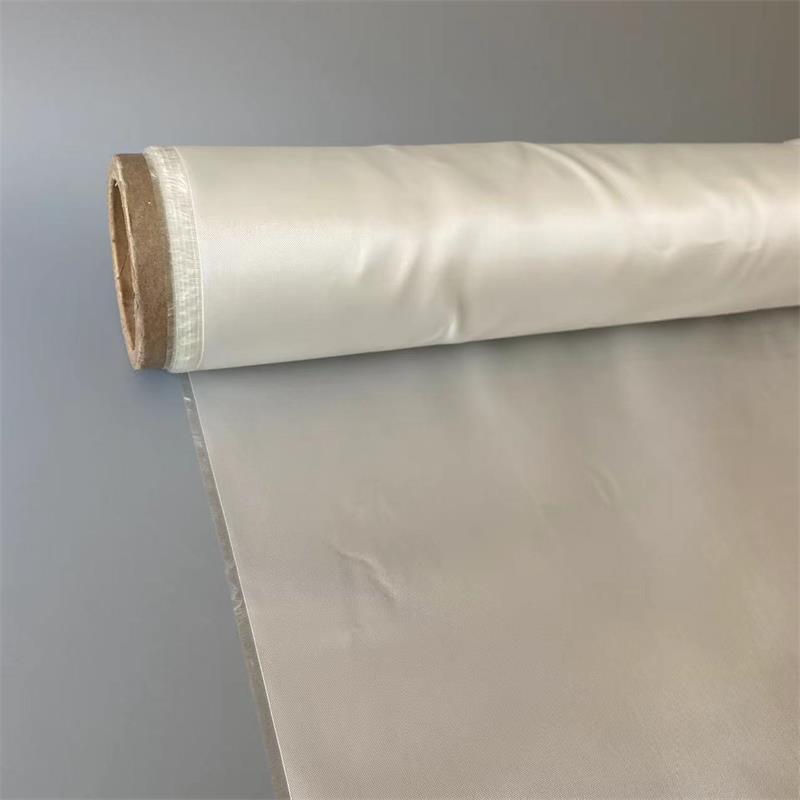
Advantages: Dual Value for Engineering and Commercial Applications
For engineering applications and procurement decisions, the advantages of alkali-free glass fiber fabric are evident in the following areas:
It achieves a perfect balance between mechanical strength and lightweight design. In sectors with stringent weight-reduction requirements—such as marine, automotive, and aerospace—composite materials (fiberglass) reinforced with alkali-free glass fiber fabric can significantly reduce structural weight, thereby improving fuel efficiency or increasing payload capacity. In terms of process adaptability, it offers exceptional design flexibility. Alkali-free glass fiber cloth can be customized using various weaves—such as plain, twill, and satin—as well as different grammages (ranging from ultra-thin electronic cloth at 13 g/m² to heavy-duty structural cloth at 800 g/m²). It is perfectly suited for various forming processes, such as hand lay-up, filament winding, and vacuum-assisted resin transfer molding (VARTM), and easily enables the fabrication of complex curved surfaces. From a commercial perspective, it offers a cost advantage over the entire life cycle. Although some high-performance specialty materials have higher initial procurement costs, alkali-free glass fiber cloth significantly reduces long-term maintenance and replacement costs due to its excellent weather resistance, corrosion resistance, and fatigue resistance, resulting in an extremely high overall cost-effectiveness.
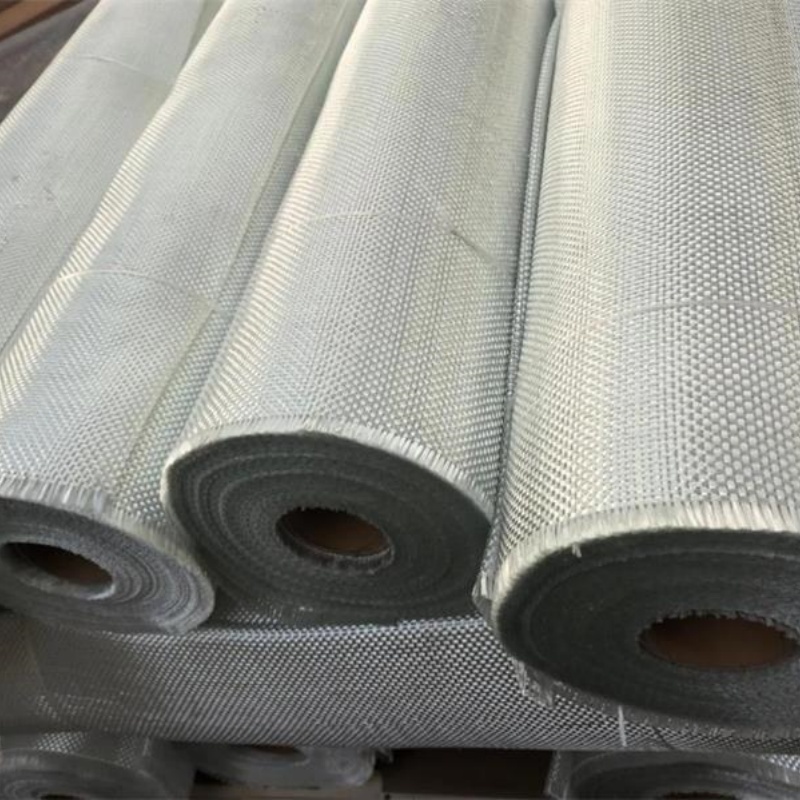
Major Application Areas
The application scope of alkali-free glass fiber cloth is extremely broad, permeating virtually every core industry of the national economy:
Electronics and Electrical Sector: This is the most high-end application market for alkali-free glass fiber cloth. It serves as the core reinforcing substrate for manufacturing copper-clad laminates (CCL) and printed circuit boards (PCB). With the development of 5G and AI servers, electronic-grade alkali-free cloth—characterized by low dielectric constant and low thermal expansion coefficient—has become the invisible cornerstone of computing hardware.
Composite Reinforcement (Fiberglass-Reinforced Plastics): Widely used in boat manufacturing, automotive body components, wind turbine blades, chemical-resistant pipelines and storage tanks, and sports equipment (such as surfboards and fishing rods), providing structural support and corrosion protection.
Construction and Infrastructure: Used as crack-resistant mesh in exterior wall insulation systems, base fabric for waterproof membranes, reinforcing material for GRC (glass-fiber-reinforced concrete) components, and in fire safety materials such as fire-resistant rolling shutters and smoke barriers.
Aerospace and Defense: Used to manufacture aircraft radar domes, antenna radomes, helicopter rotors, and various lightweight, high-strength structural components, meeting mechanical and radar-transparency requirements in extreme environments.
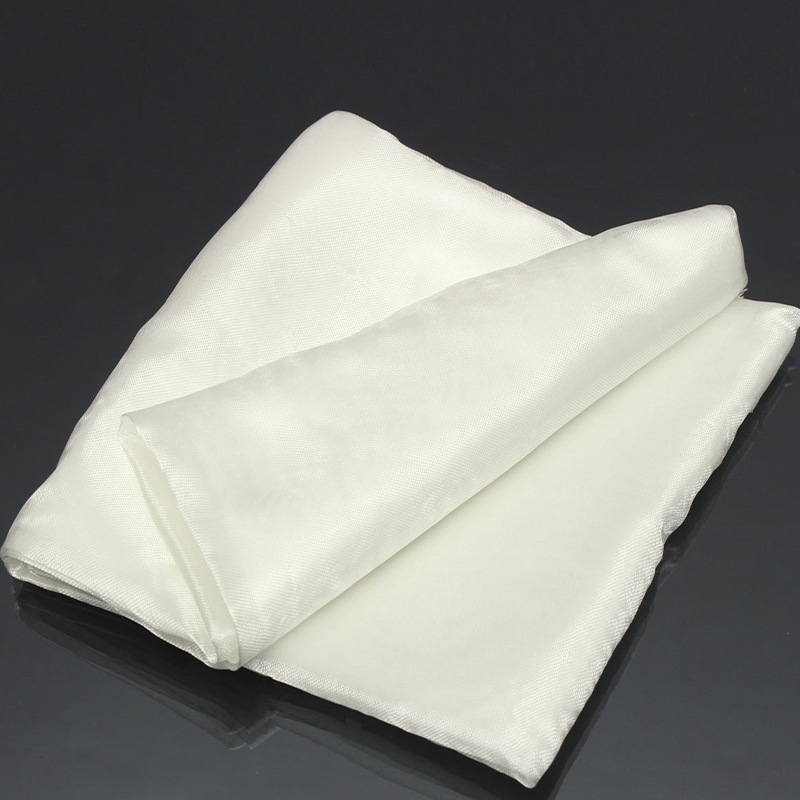
Simple Comparison with Other Materials
When selecting materials, engineers and procurement personnel often need to conduct a comparative evaluation of alkali-free fiberglass cloth against other materials:
Compared to medium-alkali glass fiber cloth (C-Glass), alkali-free glass fiber cloth offers overwhelming advantages in electrical insulation, strength, and weather resistance. Although medium-alkali cloth has outstanding acid resistance and is extremely low-cost, its high alkali content results in poor insulation performance, making it generally suitable only for low-end or specific applications—such as chemical corrosion protection and building waterproofing—where electrical properties are not required.
Compared to carbon fiber fabric, carbon fiber excels in terms of absolute strength and lightweight properties, making it the material of choice in top-tier aerospace and motorsports applications. However, carbon fiber is conductive and must never be used in insulation applications; furthermore, its high cost limits large-scale industrial adoption. Alkali-free glass fiber fabric, on the other hand, combines high strength with excellent insulation properties, and its mass production ensures exceptional cost-effectiveness.
Compared to aramid fiber cloth, aramid is renowned for its exceptional impact resistance and ballistic protection, but it has poor chemical resistance and is extremely susceptible to UV radiation. Alkali-free glass fiber cloth, on the other hand, offers a more balanced and comprehensive performance in terms of chemical resistance, weather resistance, and cost.
If the application requires electrical insulation or demands the ultimate balance of cost-effectiveness and comprehensive mechanical properties, alkali-free glass fiber cloth is the irreplaceable first choice. In extremely corrosive environments, such as those with strong acids, where insulation is not a concern, medium-alkali glass fiber cloth can be considered to reduce costs; if the budget allows and there are stringent requirements for absolute lightweight design and ultra-high strength, an upgrade to carbon fiber or aramid fiber is necessary.
With its “lightweight, high-strength, insulating, and corrosion-resistant” properties—making it a true all-rounder—alkali-free glass fiber cloth has become an indispensable foundational material in modern industry. Whether developing new electronic products or optimizing traditional industrial structural components, a deep understanding of the characteristics and advantages of alkali-free glass fiber cloth can help engineers optimize designs and assist procurement professionals in reducing costs and improving efficiency. In the coming wave of material upgrades, as continuous breakthroughs are made in specialized categories such as low-dielectric materials and high-strength, high-modulus products, alkali-free glass fiber cloth is sure to unlock even greater application potential.