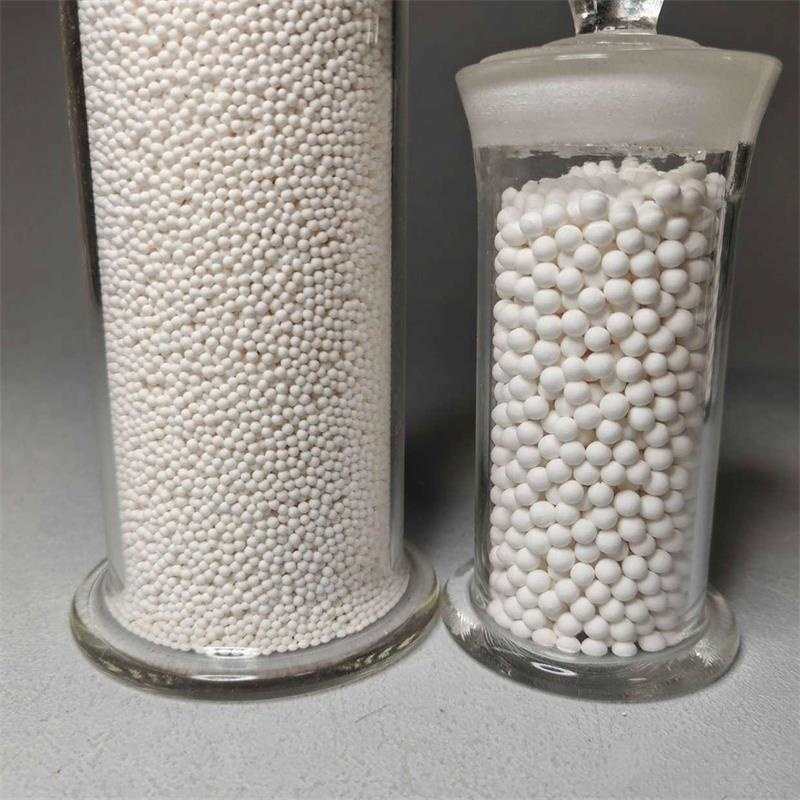
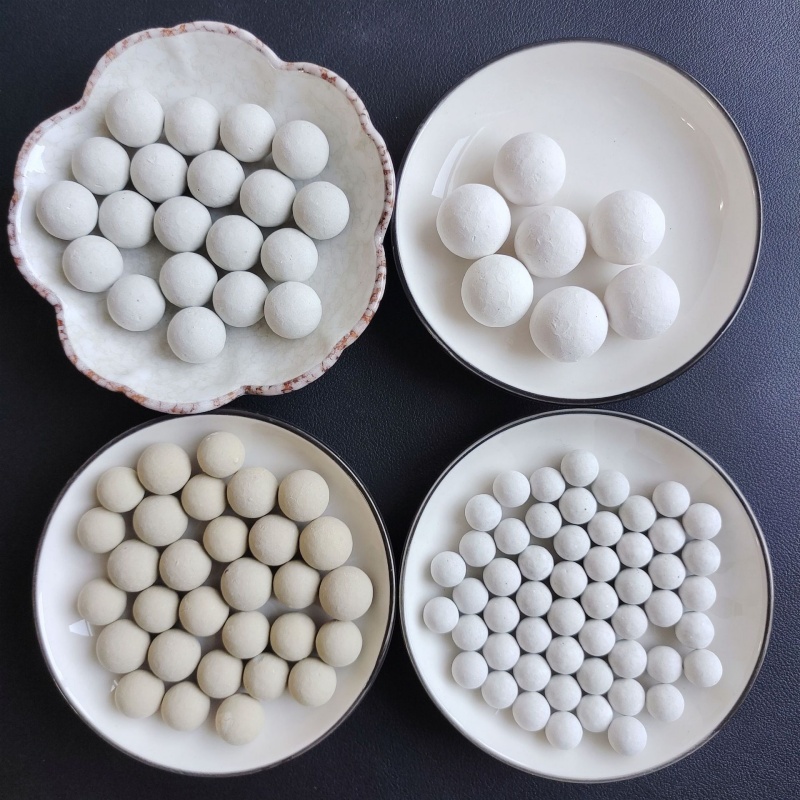
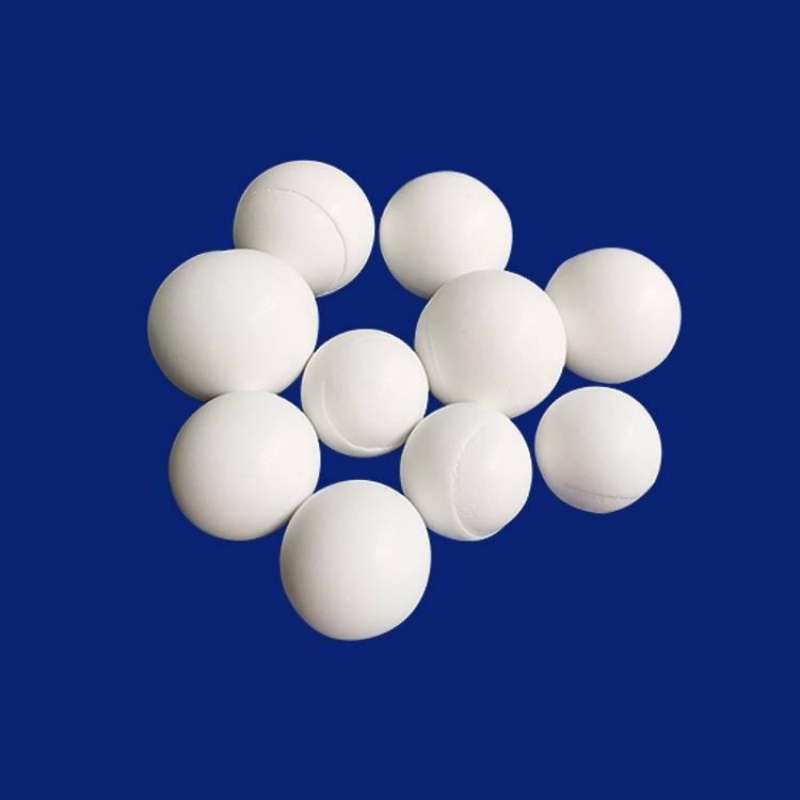
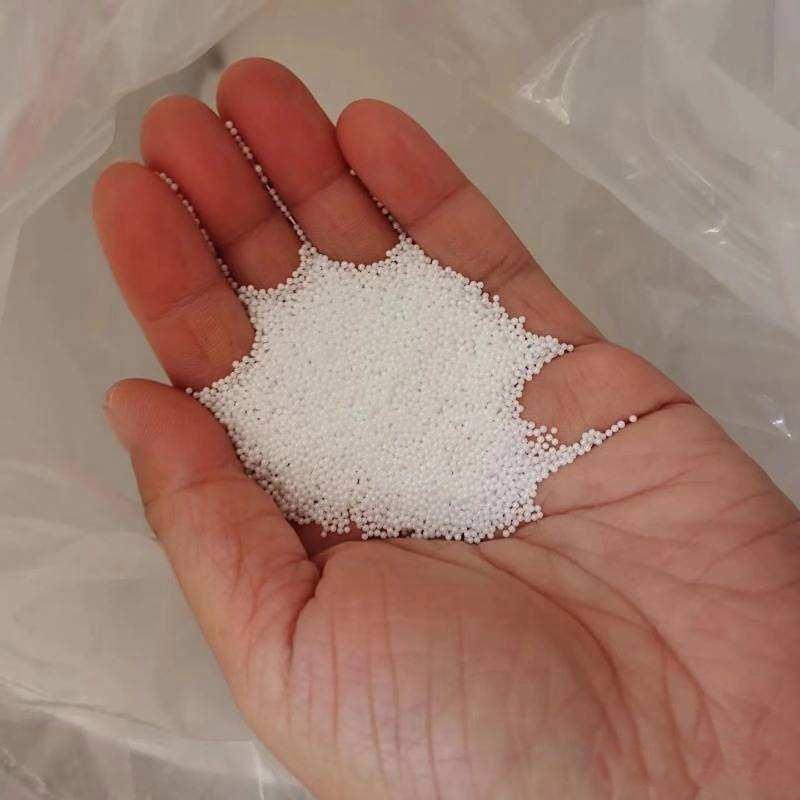
High purity alumina grinding balls
In high-end manufacturing fields such as fine chemicals, electronic materials, and new energy, the choice of grinding media directly determines the quality and production efficiency of the final product. High purity alumina grinding balls are becoming the preferred choice for many engineers and procurement personnel due to their excellent physical and chemical properties. This article will comprehensively analyze high-purity alumina grinding balls from the dimensions of core characteristics, main applications, significant advantages, and comparison with other materials.
Core Features
The performance advantage of high-purity alumina grinding balls comes from their extremely high alumina (Al ₂ O ∝) content, which can usually reach over 99%, and some high-end products can even reach 99.9%. This high purity endows it with a series of excellent physical and chemical properties:
High hardness and wear resistance: The Mohs hardness can reach up to level 9, and the Vickers hardness can reach over 1500HV. The wear resistance far exceeds that of ordinary ceramic balls and steel balls. It can maintain good sphericity during long-term grinding process, with extremely low wear rate (as low as 5ppm/h), significantly extending its service life.
Excellent chemical stability: It exhibits strong corrosion resistance to strong acids (such as sulfuric acid, hydrochloric acid, hydrofluoric acid excluded), strong bases, and various organic solvents, and can operate stably in harsh chemical environments for a long time.
Excellent thermal stability: able to withstand short-term high temperatures up to 1800 ℃, and long-term operating temperatures can also reach 1100-1400 ℃. At the same time, it has excellent thermal shock stability and can withstand rapid cooling and heating cycles without cracking.
High density and strength: The bulk density is usually between 3.6-3.9 g/cm ³, the structure is dense, and the porosity is low. High compressive strength (up to 3000MPa) makes it less prone to breakage during high-energy ball milling or dispersion of high viscosity materials.
High purity and low pollution: The extremely low impurity content (such as sodium content<0.1%) ensures that almost no foreign impurities are introduced during the grinding process, which is the key to ensuring product purity.
Main application areas
With its unique performance, high-purity alumina grinding balls play an indispensable role in multiple high-precision industries:
New energy battery materials: used for ultrafine grinding of positive electrode materials such as lithium iron phosphate and ternary materials, as well as negative electrode materials such as solid electrolytes. Its chemical inertness can effectively prevent metal ion pollution, ensuring the energy density, cycle life, and safety of the battery.
Electronic and optical materials: In the fine grinding of dielectric materials for electronic components such as MLCC (multilayer ceramic capacitors), piezoelectric ceramics, magnetic materials, and optical glass, high insulation and performance stability of the products are ensured.
Fine Chemicals and Pharmaceuticals: As a dispersing and grinding medium for high-purity pigments, coatings, inks, as well as a catalyst carrier for fine grinding, it meets the strict requirements for purity of pharmaceutical, pesticide, and food grade powders.
Advanced ceramic raw materials: used for grinding precision ceramic raw materials such as high-purity alumina and zirconia, providing high-quality powder foundation for subsequent sintering and forming.
Core Advantages
For engineers and procurement personnel, choosing high-purity alumina grinding balls means obtaining the following comprehensive benefits:
Improving product quality: Fundamentally eliminating impurity contamination caused by the wear and tear of grinding media, ensuring high purity and consistency of the final product.
Reduce overall costs: Although the cost of a single purchase may be higher than that of ordinary media, its long service life and extremely low wear rate significantly reduce replacement frequency, downtime maintenance costs, and waste disposal costs.
Improving grinding efficiency: High hardness and density bring stronger grinding impact force, combined with its excellent sphericity and dimensional accuracy, which can achieve more uniform and efficient crushing and dispersion.
Adapting to complex working conditions: Whether it is room temperature wet grinding, high-temperature dry crushing, or highly corrosive chemical environments, high-purity alumina grinding balls can maintain stable performance, expanding the boundaries of process design.
Selection suggestion:
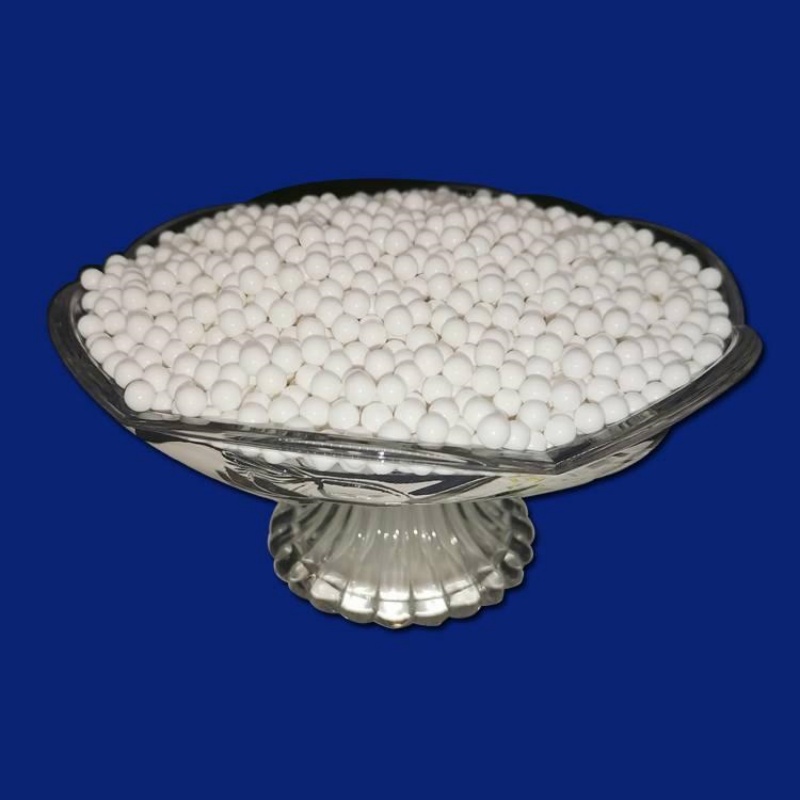
When your process has strict requirements for product purity (such as electronic materials, lithium batteries), and the material viscosity is moderate, high-purity alumina grinding balls are the best choice.
If it is necessary to handle materials with extremely high viscosity or perform nanoscale ultrafine grinding, and the equipment has strong impact force, zirconia balls should be given priority consideration.
For extensive grinding that is extremely cost sensitive and insensitive to impurities (such as some mines and cement industries), steel balls are still an economical choice.
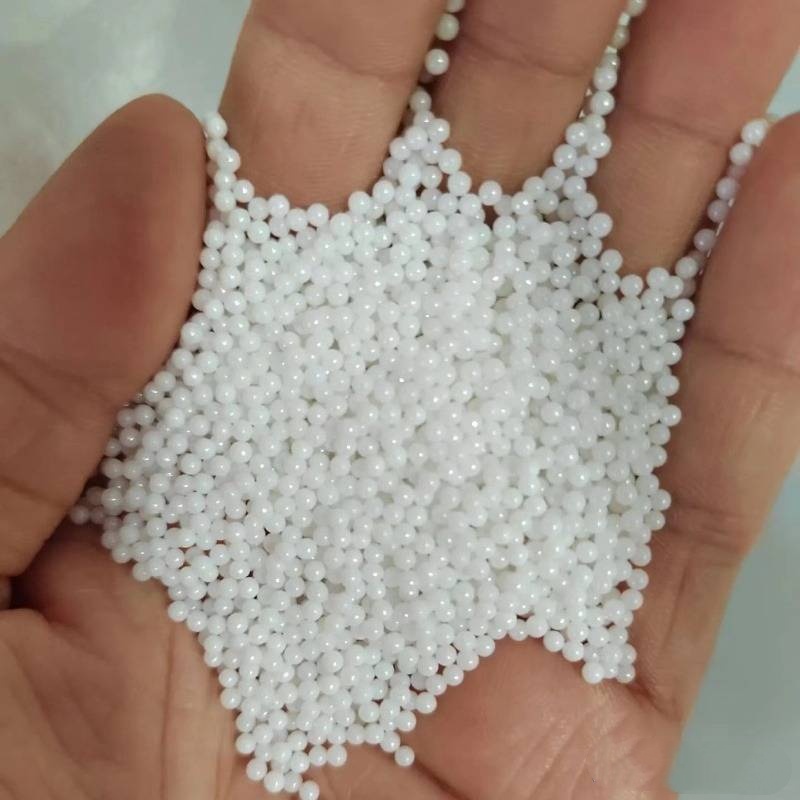
High purity alumina grinding balls have become a key material in the field of high-end powder processing due to their comprehensive advantages such as high purity, high hardness, wear resistance, and chemical inertness. Engineers and procurement personnel should comprehensively consider material characteristics, equipment parameters, product purity requirements, and full lifecycle costs when selecting, and make the optimal decision.