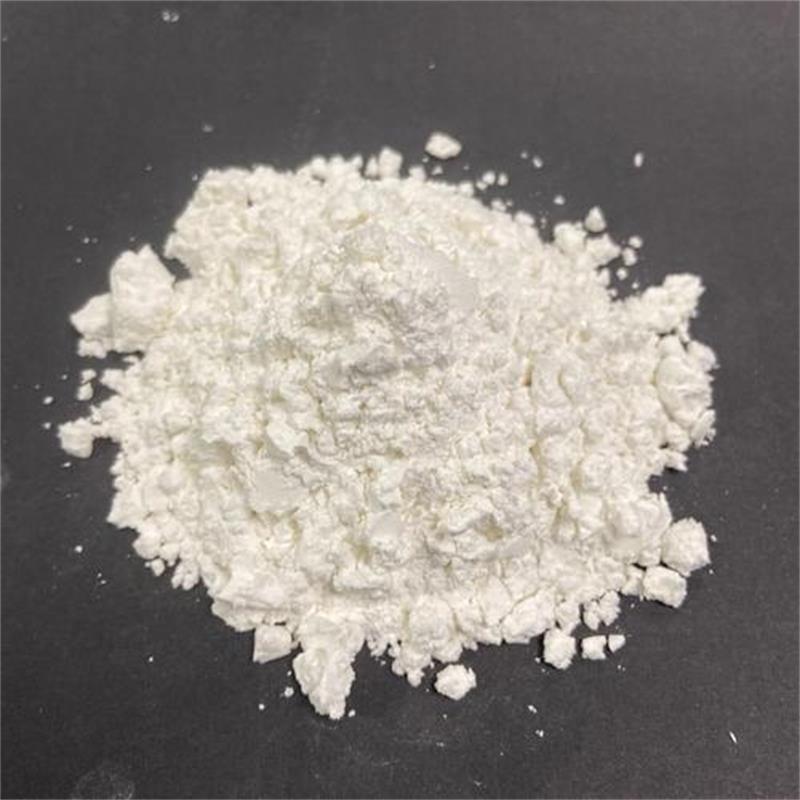
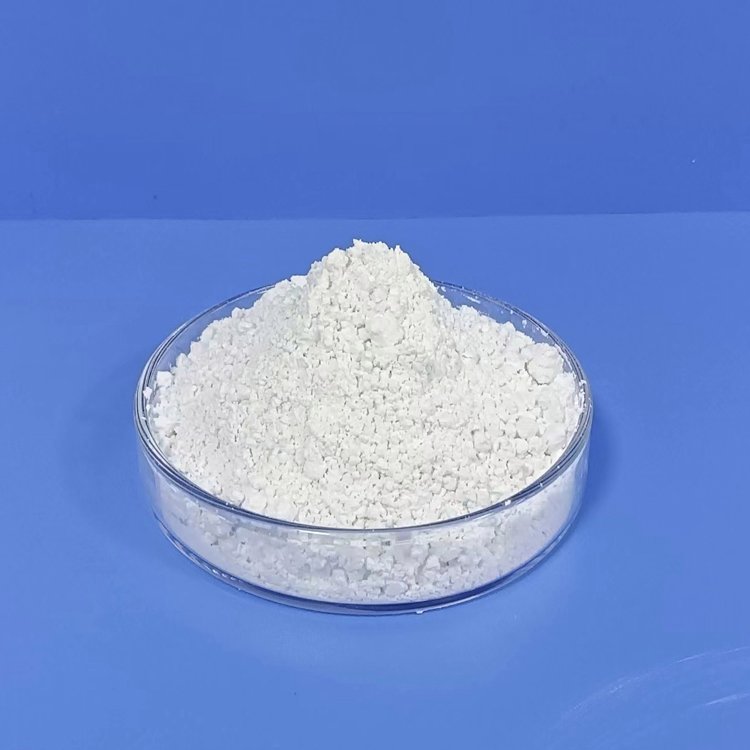
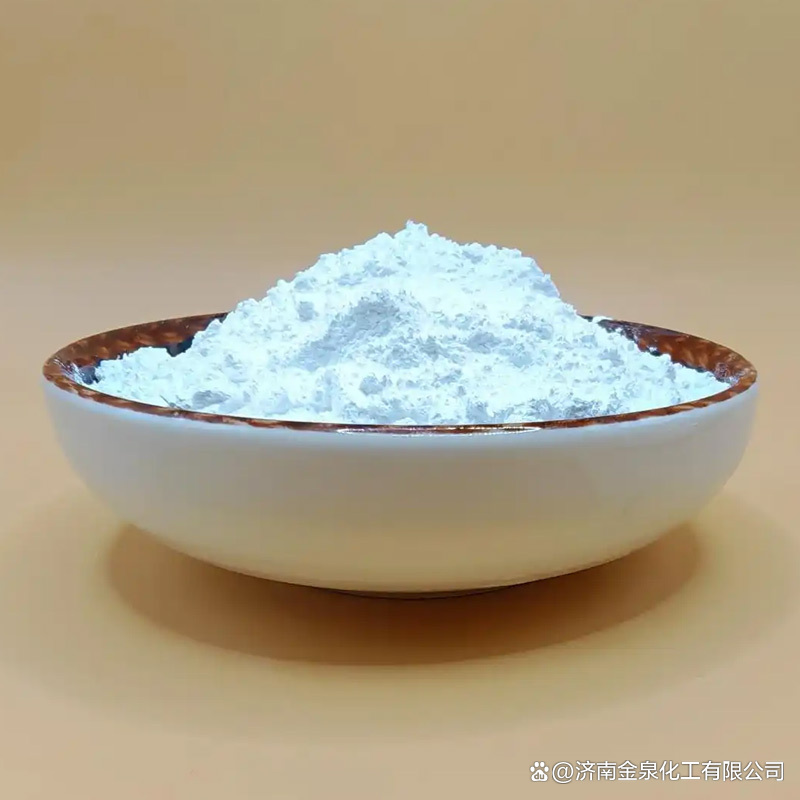
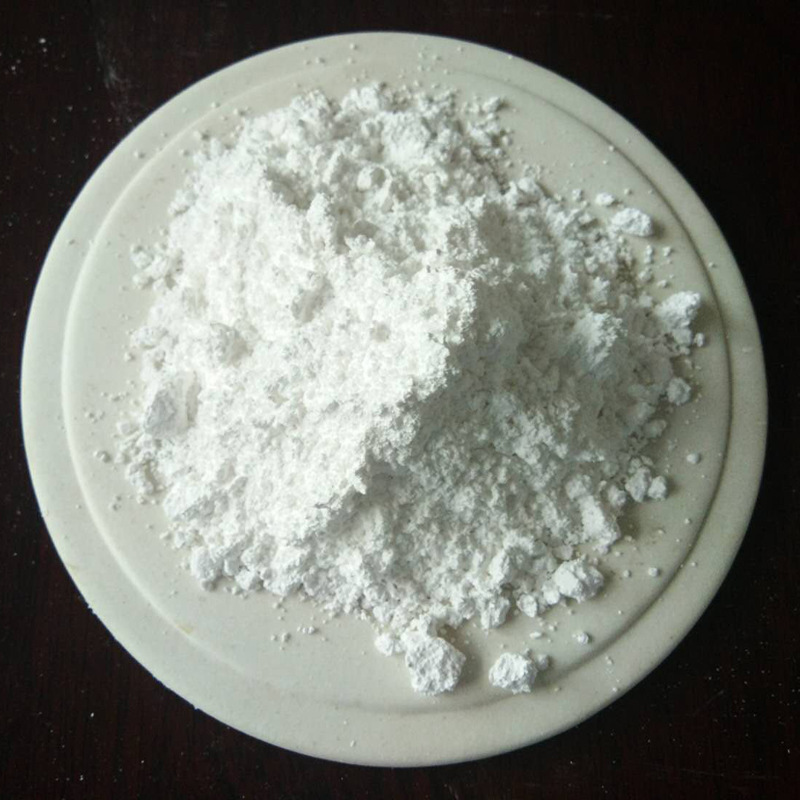
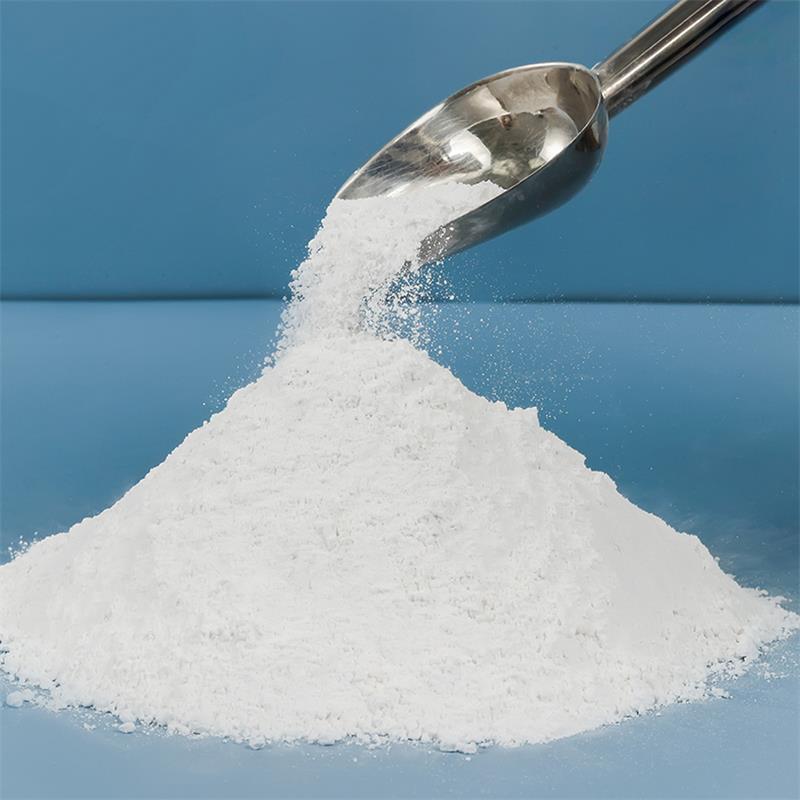
High-Purity Aluminum Hydroxide Powder
Within the vast landscape of modern materials science, high-purity aluminum hydroxide (Al(OH)₃) powder is evolving from a traditional inorganic filler into an indispensable, advanced functional base material due to its unique physical and chemical properties. For materials engineers and procurement professionals, gaining an in-depth understanding of its core characteristics, diverse applications, and significant advantages is key to optimizing product formulations and enhancing the competitiveness of end products.
Core Characteristics: Microstructure Determines Macroscopic Properties
The exceptional performance of high-purity aluminum hydroxide powder stems from rigorous control over its purity and physical form. Chemically, high-end products (such as 4N or 5N grades) contain over 99.99% aluminum oxide, with metal impurities—including iron (Fe), sodium (Na), and silicon (Si)—strictly limited to extremely low ppm levels. This extremely high purity endows the material with excellent electrical insulation and chemical stability.
Physically, through advanced processes such as hydrothermal synthesis or sol-gel methods, high-purity aluminum hydroxide can achieve precise particle size control ranging from the micron to the nanometer scale (e.g., D50 between 0.5 and 5.0 microns or even smaller). The ultrafine particle size results in an extremely high specific surface area and excellent dispersion stability. At the same time, its surface is rich in active hydroxyl groups (—OH), which can be surface-modified using silane or titanate coupling agents, thereby significantly improving interfacial compatibility with organic polymer matrices. This allows the material to maintain good melt flow and mechanical properties while retaining a high filler content.
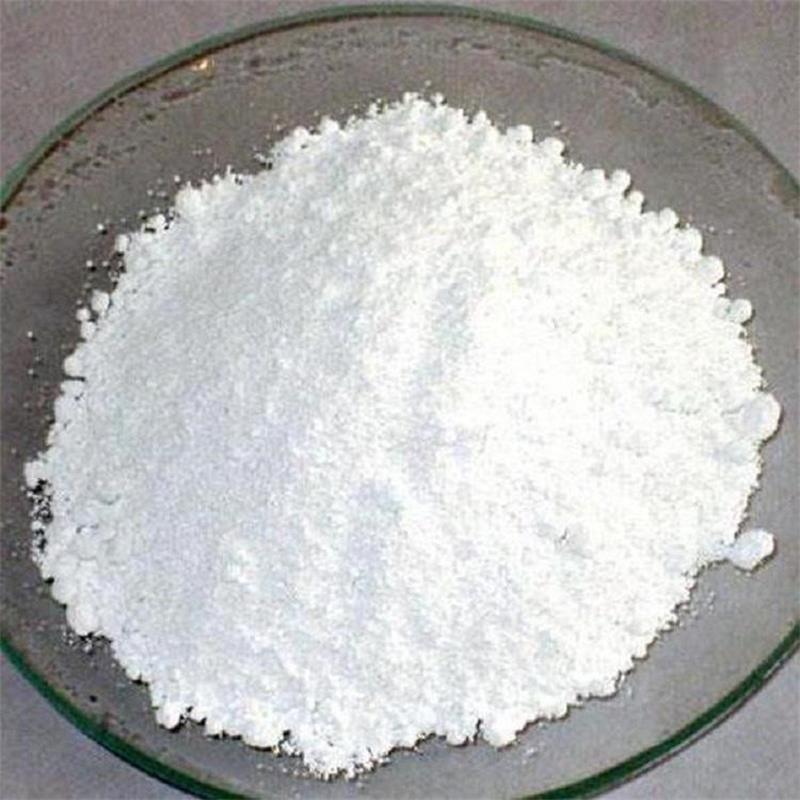
Analysis of Advantages: A Perfect Balance of Safety, Environmental Friendliness, and Performance
The most prominent advantage of high-purity aluminum hydroxide powder in engineering applications lies in its “green flame-retardant” properties. When the ambient temperature exceeds 200°C, it begins to decompose endothermically, absorbing approximately 1 kJ of heat per gram, thereby effectively lowering the temperature at the material’s surface. At the same time, the decomposition process releases large amounts of water vapor, which dilutes flammable gases and blocks oxygen, while the resulting aluminum oxide forms a dense, heat-insulating protective layer.
More importantly, the entire flame-retardant process produces absolutely no toxic or corrosive gases, nor carcinogens such as dioxins, making it fully compliant with increasingly stringent global environmental regulations (such as REACH and RoHS). Furthermore, it significantly reduces smoke density during combustion, buying valuable time for fire evacuation. In terms of mechanical properties, surface-modified high-purity aluminum hydroxide not only serves as a flame retardant but also acts as a reinforcing agent, helping to better preserve the tensile strength and toughness of resin products.
Diverse Applications: Spanning Multiple High-Tech Fields
Thanks to the aforementioned characteristics and advantages, the scope of applications for high-purity aluminum hydroxide powder is constantly expanding:
Polymer Composites and New Energy: It serves as an ideal flame-retardant filler for wires and cables, engineering plastics, and rubber products. In the new energy vehicle sector, ultrafine, high-whiteness aluminum hydroxide is widely used in flame-retardant coatings for battery packs, charging harnesses, and lithium-ion battery separator coatings, not only enhancing the battery’s thermal runaway protection but also contributing to vehicle weight reduction.
Electronics and Semiconductor Packaging: In electronics-grade applications, ultrafine powders with low sodium and low impurity levels are used as packaging materials for integrated circuits and as fillers for copper-clad laminates (CCLs). Their excellent electrical insulation, low coefficient of thermal expansion, and good thermal conductivity effectively ensure the dimensional stability and heat dissipation performance of electronic components.
High-End Building Materials and Engineered Stone: Filler-grade aluminum hydroxide with high whiteness and high crystallinity serves as a premium matrix material for engineered marble and quartz stone. Its refractive index is similar to that of resin, imparting a warm, jade-like texture to the stone while providing essential flame-retardant and wear-resistant properties.
Fine Chemicals and Pharmaceuticals: In the pharmaceutical sector, ultra-high-purity aluminum hydroxide that meets pharmacopoeia standards is used as an antacid and vaccine adjuvant; in the chemical industry, its high specific surface area and controllable pore structure make it an excellent catalyst support.
A Simple Comparison with Other Materials
When selecting materials, engineers often compare aluminum hydroxide with magnesium hydroxide (MDH) or barium sulfate (BaSO₄):
Compared to magnesium hydroxide: Aluminum hydroxide has a lower decomposition temperature (approximately 200–220°C), making it more suitable for polymers processed at lower temperatures (such as EVA and PE); In contrast, magnesium hydroxide has a decomposition temperature of over 330°C, making it more suitable for high-temperature engineering plastics such as nylon and PBT. Additionally, composites filled with aluminum hydroxide typically exhibit better toughness and elongation, while magnesium hydroxide offers slightly better smoke suppression.
Comparison with barium sulfate: In applications such as powder coatings, the polar groups (hydrogen bonds) on the surface of aluminum hydroxide can interact more strongly with organic polymers. Although this may result in reduced gloss (producing a matte finish), it confers corrosion resistance and flame retardancy on the coating that far exceed those of barium sulfate, and it enables more uniform gas-solid contact during the spraying process.
High-purity aluminum hydroxide powder is no longer merely a simple, inexpensive substitute but rather a multifunctional material that combines flame retardancy, reinforcement, insulation, and environmental friendliness. When selecting products, procurement personnel and engineers should comprehensively consider the processing temperature of the substrate, the environmental requirements of the end product, and mechanical performance metrics to precisely match products with different purity levels, particle sizes, and surface modification specifications, thereby maximizing the material’s potential.