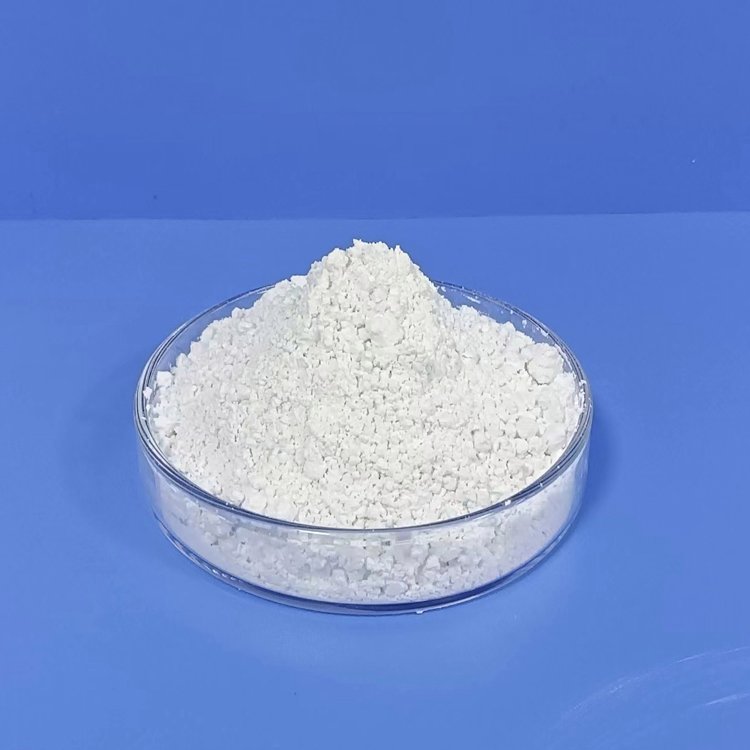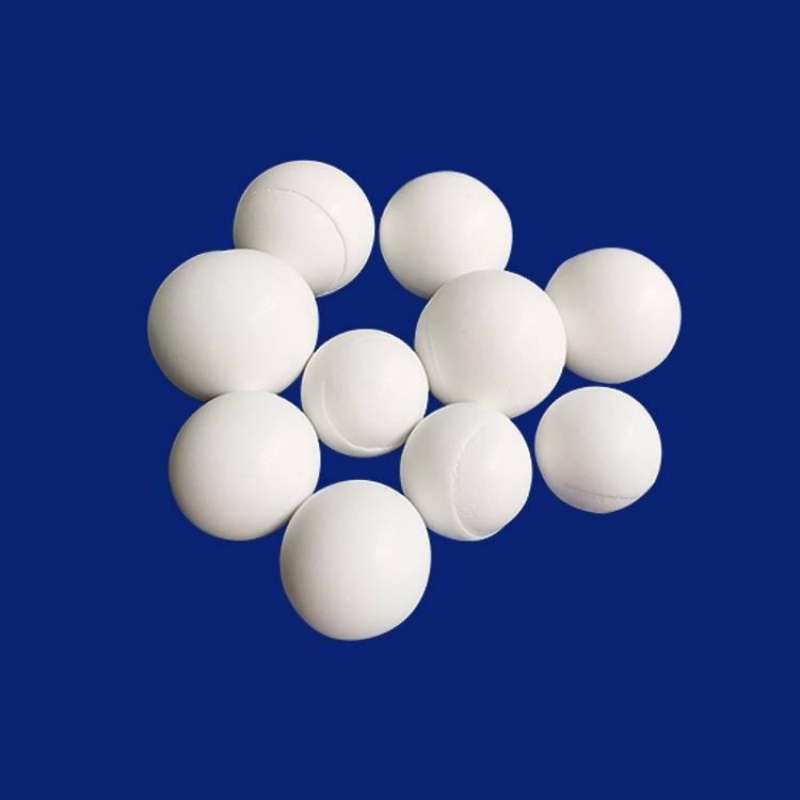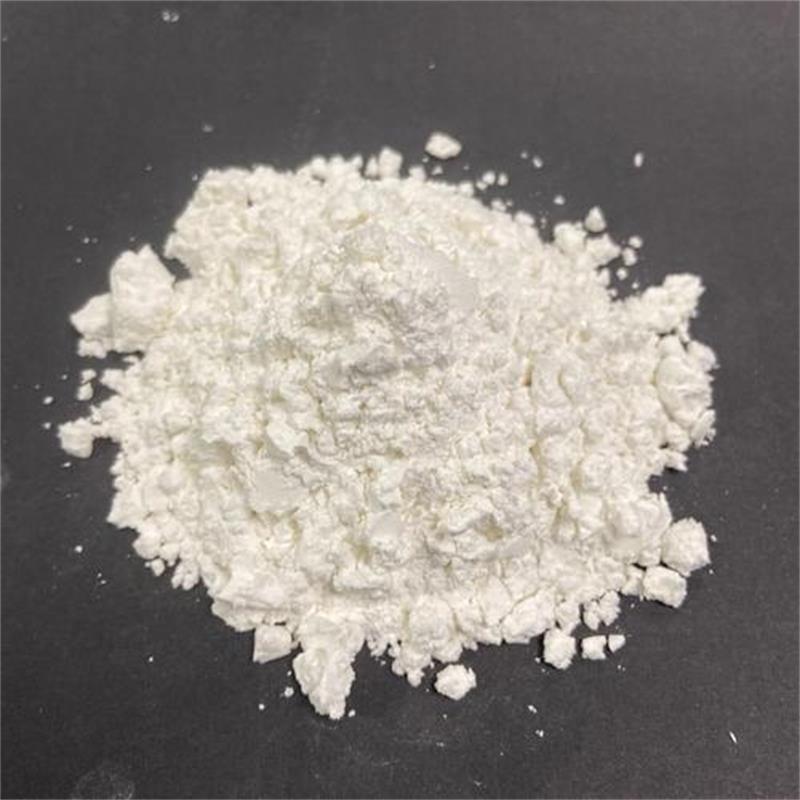
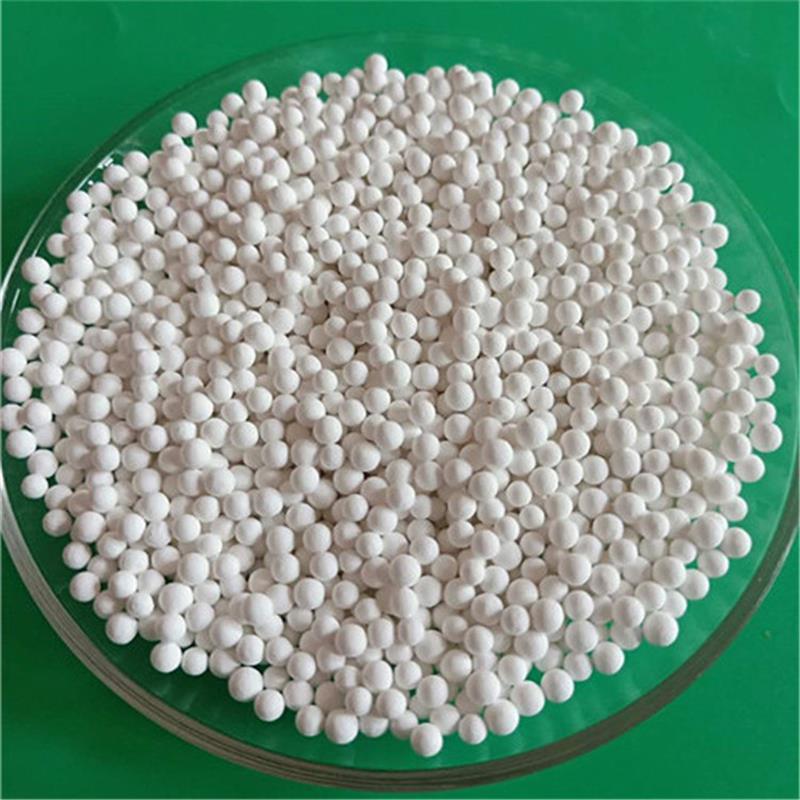
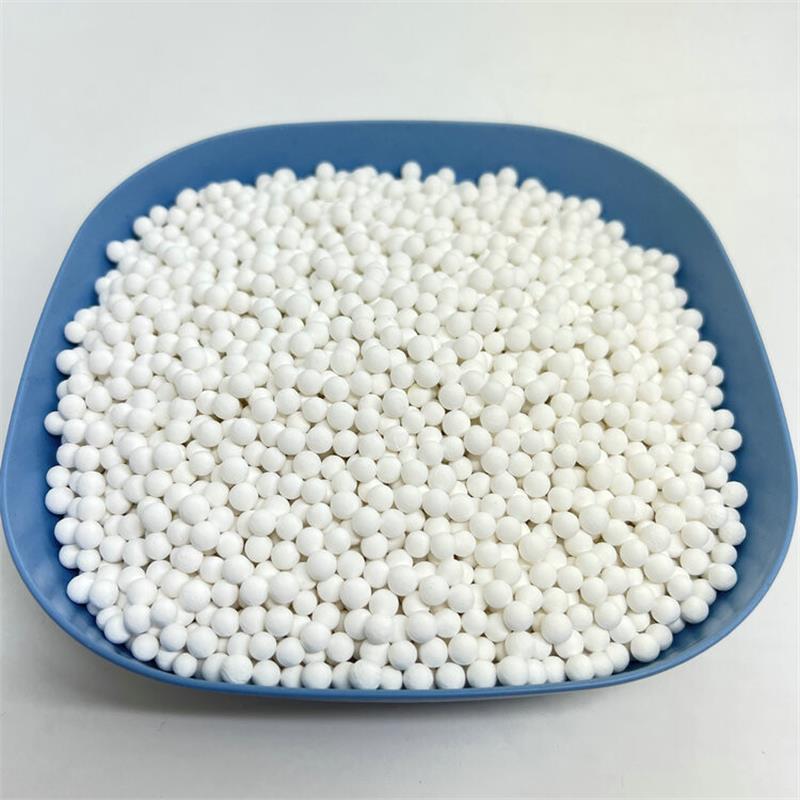
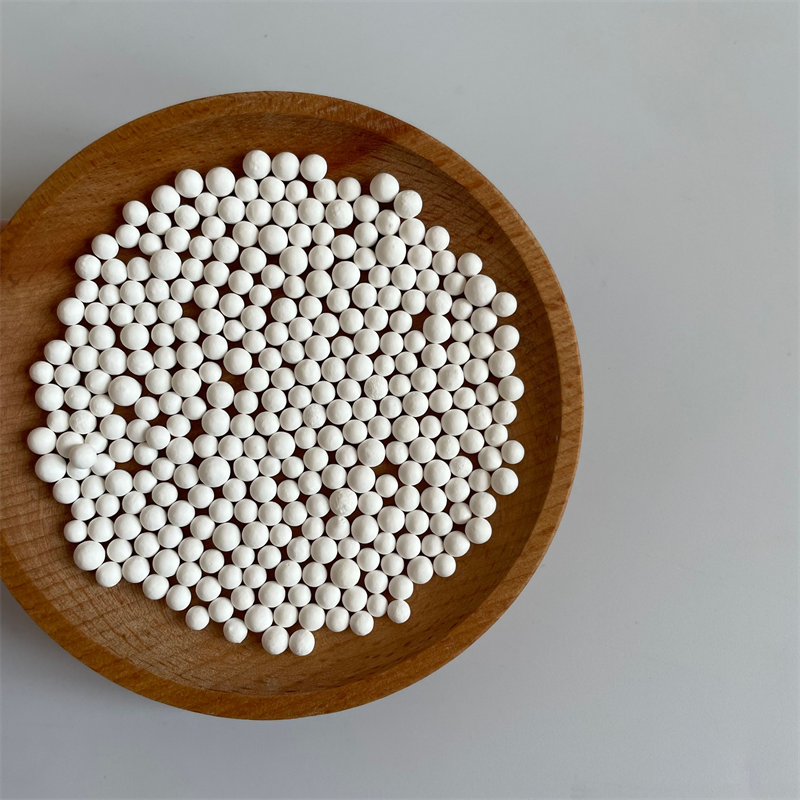
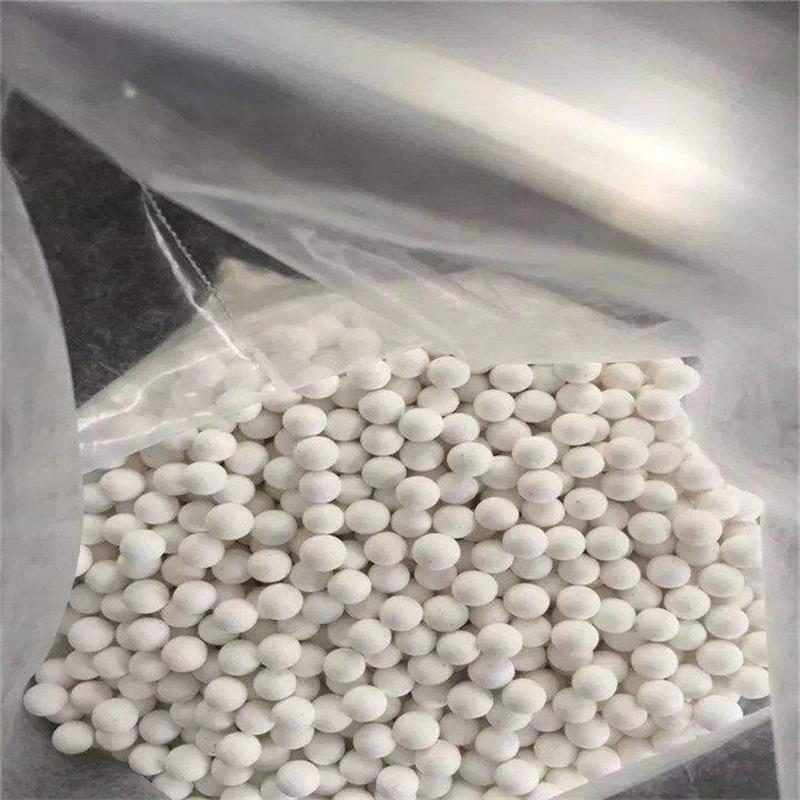
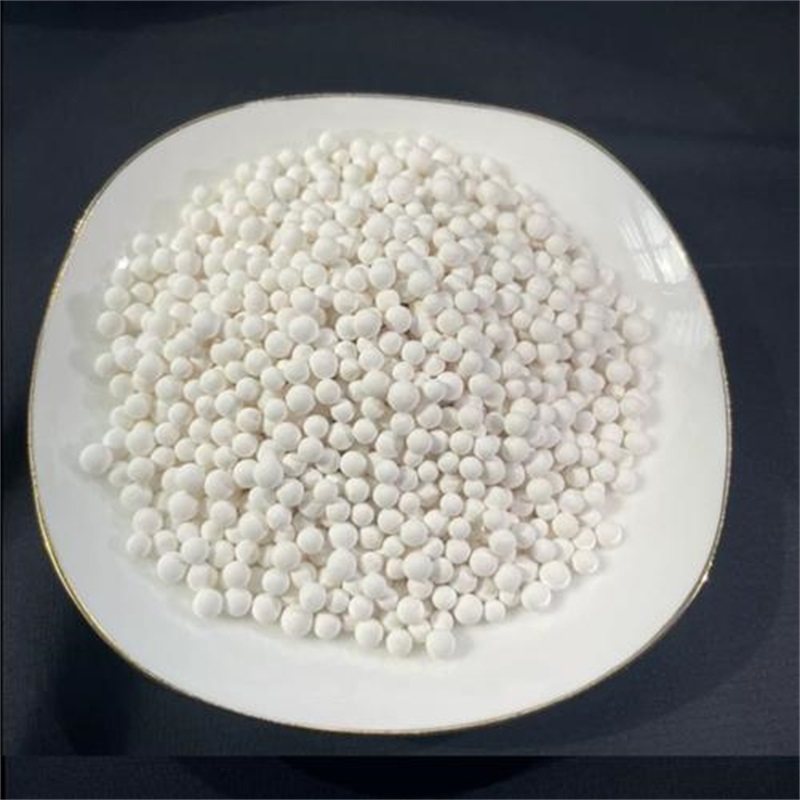
High-Purity Alumina Granules
In the fields of advanced manufacturing and materials science, high-purity alumina (HPA) Granules have become an indispensable basic material. For engineers and procurement professionals, a thorough understanding of the properties, applications, advantages, and differences between high-purity alumina Granules and other materials is key to optimizing product design, controlling costs, and ensuring supply chain stability. This article provides a comprehensive technical selection guide.
Properties: Defining High-Purity Alumina Granules
High-purity alumina typically refers to alumina powder with a purity of 99.99% (4N) or higher, and in some cases as high as 99.9999% (6N). Its exceptional performance stems from its extremely high purity and precise control of its microstructure.
First, it possesses extremely high chemical purity with minimal impurity content; in particular, the levels of metal ions such as sodium, silicon, and iron are typically controlled to the ppm or even ppb level. This directly determines the material’s dielectric loss, optical transmittance, and sintered density. Second, it has an excellent crystalline structure, which can be classified into α-phase and γ-phase depending on application requirements. α-Al₂O₃ is stable, hard, and resistant to high temperatures, making it the preferred choice for structural ceramics and thermal conductive fillers; γ-Al₂O₃, on the other hand, is porous and has a high specific surface area, making it suitable for catalyst supports and adsorbents.
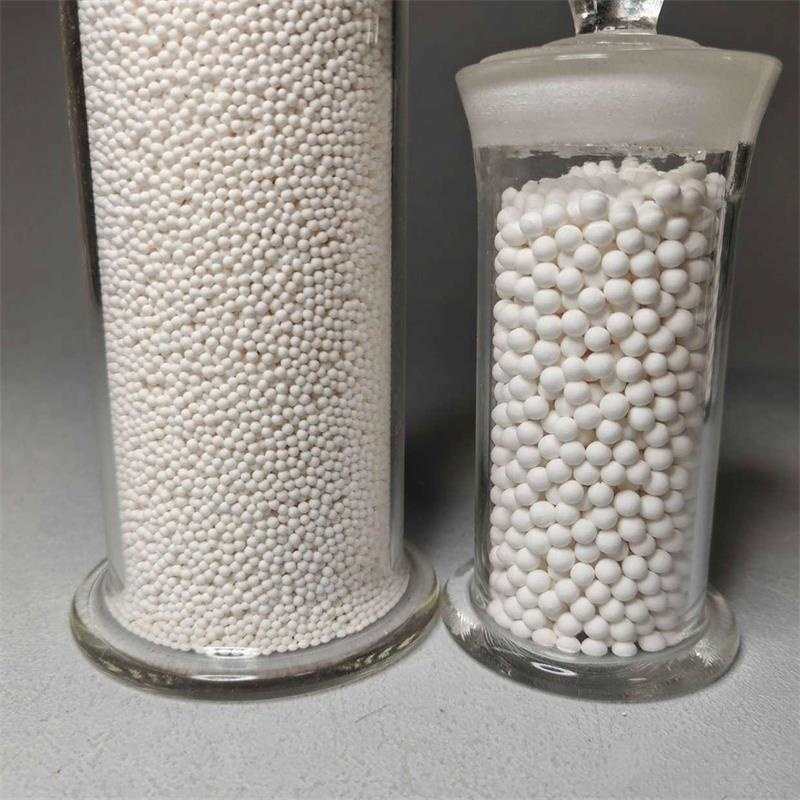
Furthermore, the particle size and morphology of high-purity alumina can be precisely controlled. Particle sizes can be precisely controlled from the nanometer range (e.g., 20–100 nm) to the micrometer range (e.g., 1–50 μm). Spherical alumina, in particular, performs exceptionally well in high-end applications due to its high flowability, high packing density, and low specific surface area. In terms of physical properties, it features high hardness (Mohs hardness 9), high wear resistance, a high melting point (approximately 2072°C), as well as excellent chemical stability and electrical insulation.
Application Areas
High-purity alumina Granules have a wide range of applications, primarily concentrated in the following high-tech fields:
In the electronics and semiconductor sectors, high-purity alumina is widely used as a thermally conductive filler in TIMs (thermal interface materials), underfill compounds, and encapsulation resins to address heat dissipation bottlenecks in high-power devices such as AI chips. It is also a core raw material for manufacturing ceramic substrates for integrated circuits, high-pressure sodium lamps, and transparent ceramics. In the new energy sector, high-purity alumina is used as a coating material for lithium-ion battery separators, significantly enhancing the battery’s thermal stability and safety while preventing thermal runaway.
In precision polishing, nanoscale high-purity alumina serves as a key abrasive medium in the CMP (chemical mechanical polishing) process for semiconductor wafers, optical glass, and sapphire substrates. In the field of advanced ceramics, it is used to manufacture high-strength, high-toughness structural ceramic components, such as artificial bones, dental implants, ceramic cutting tools, and wear-resistant bearings. Additionally, it serves as a base material for luminescent materials, including rare-earth trichromatic phosphors, LED phosphors, and long-afterglow phosphorescent materials.
Key Advantages: Why Choose High-Purity Alumina?
The primary reason for choosing high-purity alumina is the optimal balance it strikes between performance and cost. Compared to super-thermally conductive materials such as aluminum nitride (AlN) and boron nitride (BN), high-purity alumina offers sufficient thermal conductivity at a cost that is only a fraction of those materials, making it the “golden choice” for large-scale commercial applications.
Second, it offers excellent electrical insulation. In electronic packaging and power modules that require electrical insulation, high-purity alumina is an ideal substitute for metal fillers and silicon carbide (SiC), which is prone to electrical leakage. At the same time, it exhibits excellent thermomechanical compatibility; its coefficient of thermal expansion (CTE) is much closer to that of silicon chips, effectively alleviating thermal stress during the packaging process, reducing warpage and solder joint fatigue, and enhancing the long-term reliability of devices.
Finally, high-purity alumina offers exceptional reliability. HPA produced using advanced processes can reduce the content of radioactive impurities such as uranium and thorium to below 1 ppb, fundamentally eliminating soft errors in chips caused by alpha particle emission—a critical factor for aerospace and high-end computing.
A Brief Comparison with Other Materials
In terms of thermal conductivity, high-purity alumina exhibits good intrinsic thermal conductivity, though it still falls short of materials with extremely high thermal conductivity, such as aluminum nitride and boron nitride. However, in practical applications, flake or angular alumina forms thermal networks more easily, while spherical alumina achieves a higher packing density.
In terms of electrical insulation, both high-purity alumina and nitride materials perform excellently, but spherical alumina causes less wear on processing equipment. Cost-wise, high-purity alumina is moderately priced and offers excellent value for money, whereas aluminum nitride and boron nitride are often too expensive for widespread use.
Regarding processability, high-purity alumina has a well-established formulation and good processing properties; in contrast, nitrides are prone to moisture absorption and hydrolysis, which can cause a sharp increase in system viscosity. Additionally, angular alumina is low-cost, while spherical alumina—though superior in performance, with good flowability and resistance to settling, making it suitable for precision potting—is slightly more expensive.
Recommendations for Purchasing Personnel
When procuring high-purity alumina Granules, one should not focus solely on purity specifications but also comprehensively evaluate the following factors:
First, clearly define application requirements. Spherical α-Al₂O₃ is the preferred choice for thermal conductive fillers; catalyst supports require γ-Al₂O₃ with a high specific surface area; and transparent ceramics have extremely stringent requirements for purity and particle size distribution. Second, pay attention to key impurities. For semiconductor and optical applications, it is essential to verify reports on the content of metallic impurities such as iron, sodium, and silicon, as well as radioactive elements such as uranium and thorium. Third, examine morphology and particle size distribution. Sphericity and a narrow particle size distribution are prerequisites for achieving high loading, low viscosity, and stable performance. Fourth, evaluate supplier capabilities. Assess their process stability, batch consistency, and ability to provide customized solutions (such as surface modification).
Thanks to its comprehensive performance advantages and excellent cost-effectiveness, high-purity alumina Granules are evolving from a traditional industrial material into a core foundational material for high-end technology sectors. Whether addressing the thermal management challenges posed by AI computing power or driving safety upgrades for new energy batteries, high-purity alumina plays a critical role. By making precise material selections, engineers and procurement professionals can not only enhance product performance but also establish a dual barrier of cost efficiency and reliability in the face of intense market competition.