
Zirconia Ceramic vs Metal
Zirconia ceramic (zirconium dioxide, ZrO₂) represents one of the most significant advances in structural ceramic engineering over the past forty years. Often described as “ceramic steel” due to its exceptional mechanical properties, zirconia has emerged as a high-performance alternative to metals in demanding industrial applications. Unlike traditional ceramics that are brittle and prone to catastrophic failure, zirconia exhibits a unique transformation-toughening mechanism that gives it a fracture toughness approaching that of some metals.
For engineers and procurement professionals evaluating materials for precision components, understanding the distinctions between zirconia ceramics and metals is essential for optimizing performance, reliability, and total cost of ownership.
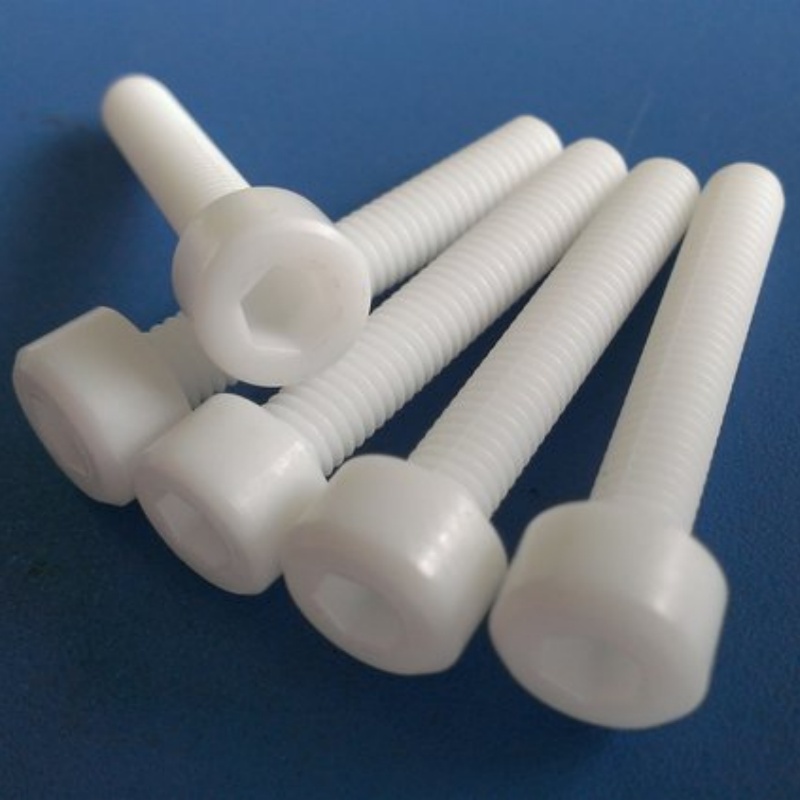
What Is Zirconia Ceramic?
Zirconia ceramic is an oxide-based advanced ceramic material derived from zircon sand. Its crystal structure exists in three polymorphs: monoclinic (stable at room temperature), tetragonal (stable at intermediate temperatures), and cubic (stable at high temperatures). Through the addition of stabilizers such as yttria (Y₂O₃) or magnesia (MgO), manufacturers can retain the high-strength tetragonal phase at room temperature, enabling the material’s signature transformation-toughening behavior.
When a crack begins to propagate through a zirconia component, the stress at the crack tip triggers a phase transformation from tetragonal to monoclinic, accompanied by a volumetric expansion of approximately 3–5%. This expansion compresses the crack faces, effectively arresting crack growth and providing the material with its exceptional damage tolerance.
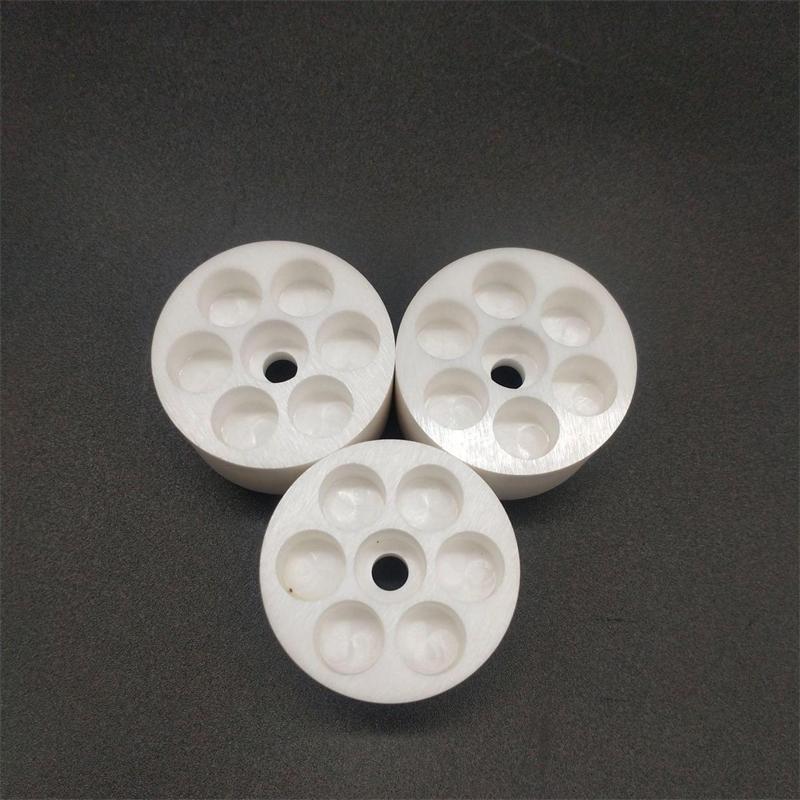
Key Properties of Zirconia Ceramic
Mechanical Properties
Zirconia ceramic demonstrates a combination of mechanical properties that often surpass those of conventional metals in specific applications. Yttria-stabilized tetragonal zirconia polycrystal (Y-TZP) typically exhibits flexural strength in the range of 880 to 1,200 MPa, which exceeds the yield strength of many common engineering steels. The material’s compressive strength reaches 1,750 to 2,100 MPa, making it highly resistant to crushing and deformation under heavy loads.
In terms of hardness, zirconia registers approximately 1,250 HV on the Vickers scale, substantially higher than the 200 HV typical of stainless steel. This hardness translates directly into outstanding Wear Resistance in abrasive and sliding contact conditions. The fracture toughness of zirconia, measured at 6 to 10 MPa·√m, is exceptional among ceramics, though it remains lower than the toughness of ductile metals.
While zirconia cannot match the ductility and toughness of metals, its combination of high strength, hardness, and compressive resistance makes it ideal for wear-resistant and load-bearing applications where metal components would suffer rapid degradation.
Thermal Conductivity and Thermal Expansion
Zirconia exhibits low thermal conductivity of approximately 2.1–3.0 W/(m·K), making it an effective thermal insulator compared to metals like steel (15–50 W/(m·K)). Its coefficient of thermal expansion (CTE) ranges from 10–11 ×10⁻⁶/°C, which closely matches that of many steels (15 ×10⁻⁶/°C). This compatibility is significant for hybrid metal-ceramic assemblies, as mismatched CTE can cause cracking during thermal cycling.
Wear and Corrosion Resistance
Zirconia’s high hardness and chemical inertness provide excellent Wear Resistance and Corrosion Resistance in aggressive environments. It withstands acids, alkalis, and oxidizing conditions that would rapidly degrade metals. This property extends component lifespan in chemical processing, oil and gas, and semiconductor manufacturing.
Electrical Insulation
Zirconia is a reliable Electrical Insulator with volume resistivity of 10¹⁴ Ω·cm at room temperature, making it suitable for electronic and semiconductor applications where electrical isolation is critical. This is a significant advantage over conductive metals, which often require additional insulation measures.
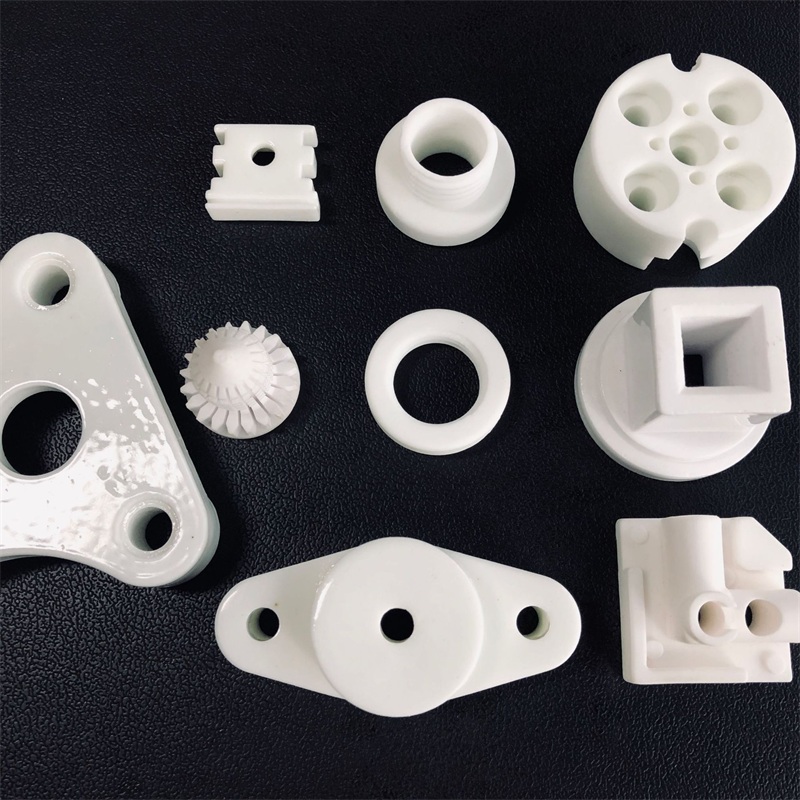
Typical Applications
Semiconductor and Electronics
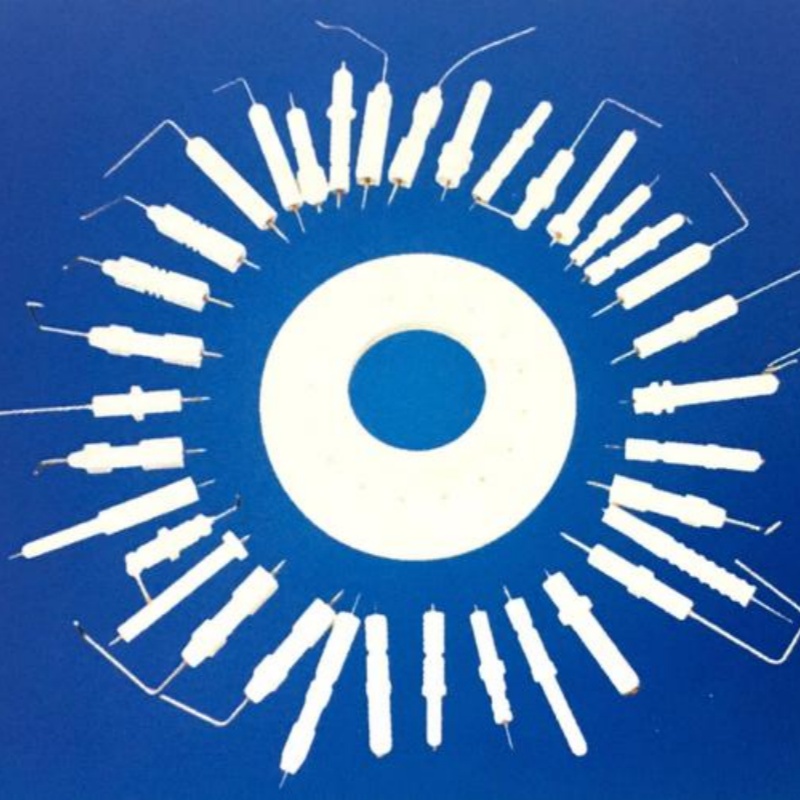
Zirconia components are widely used in semiconductor manufacturing equipment due to their Electrical Insulation, Wear Resistance, and chemical purity. Applications include:
– Wafer handling components and guides
– Insulating layers and substrates
– Components for plasma etching and deposition systems
Medical and Dental
Zirconia’s biocompatibility, aesthetics, and Corrosion Resistance have made it a preferred material for:
– Dental implants, crowns, and restorations
– Orthopedic implants such as hip and knee joints
– Surgical instruments
Automotive
The automotive industry utilizes zirconia in high-performance components requiring High Temperature Resistance and wear durability:
– Valve seats and guides
– Bearings and seals
– Sensors for exhaust systems
Energy and Industrial Equipment
– Solid Oxide Fuel Cell (SOFC) electrolytes for renewable energy systems
– Pump and valve wear parts for chemical processing
– Wire and textile guides, grinding beads, and milling media
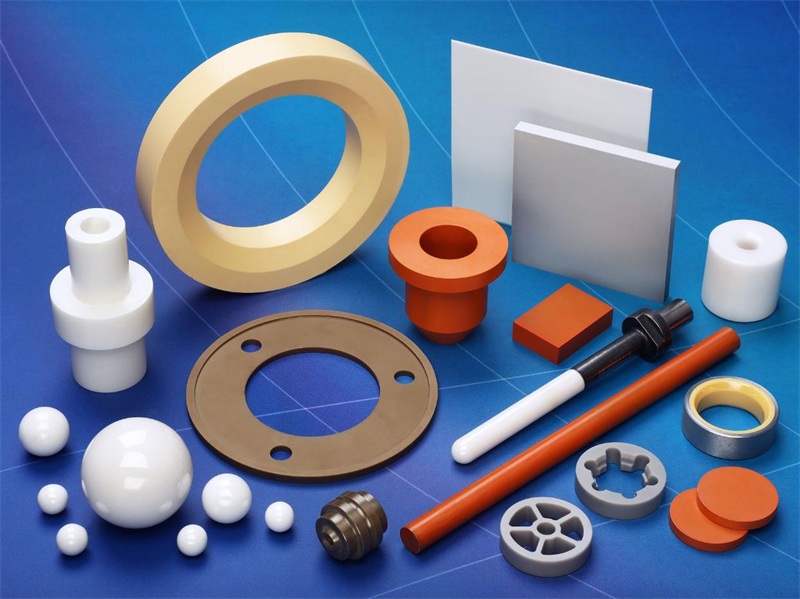
Advantages Compared With Metal
Why Choose Zirconia Ceramic Over Metal?
Zirconia ceramic offers several distinct advantages that make it the preferred material choice in many applications:
Superior Wear Resistance: Zirconia components significantly outlast metal parts in abrasive environments, reducing downtime and maintenance costs.
Corrosion and Oxidation Resistance: Unlike metals that rust, corrode, or oxidize, zirconia is chemically inert in most industrial environments.
Thermal Insulation: Low Thermal Conductivity makes zirconia an excellent barrier material, protecting adjacent components and structures from heat damage.
Non-Magnetic and Electrically Insulating: Zirconia is ideal for applications sensitive to magnetic fields or requiring electrical isolation.
Lightweight: With a density of approximately 5.9–6.0 g/cm³, zirconia is lighter than many tool steels, offering weight reduction benefits in aerospace and automotive applications.
High Temperature Resistance: Zirconia maintains mechanical integrity at temperatures up to 1,000°C in air, exceeding the service limits of most stainless steels.
Limitations to Consider
While zirconia offers many advantages, designers must also consider:
– Lower fracture toughness compared to ductile metals
– Tensile strength sensitivity to surface finish and defects
– Higher initial material cost
– Brittle failure behavior requiring statistical design approaches
Custom Manufacturing Options
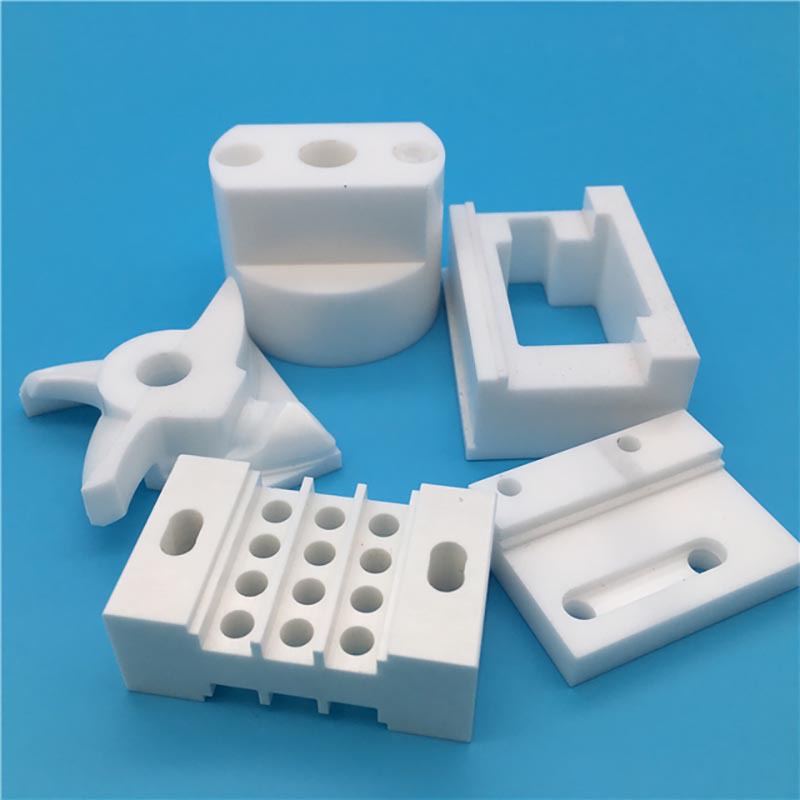
Zirconia components can be manufactured through various forming and machining processes to meet precise specifications.
Available Product Forms
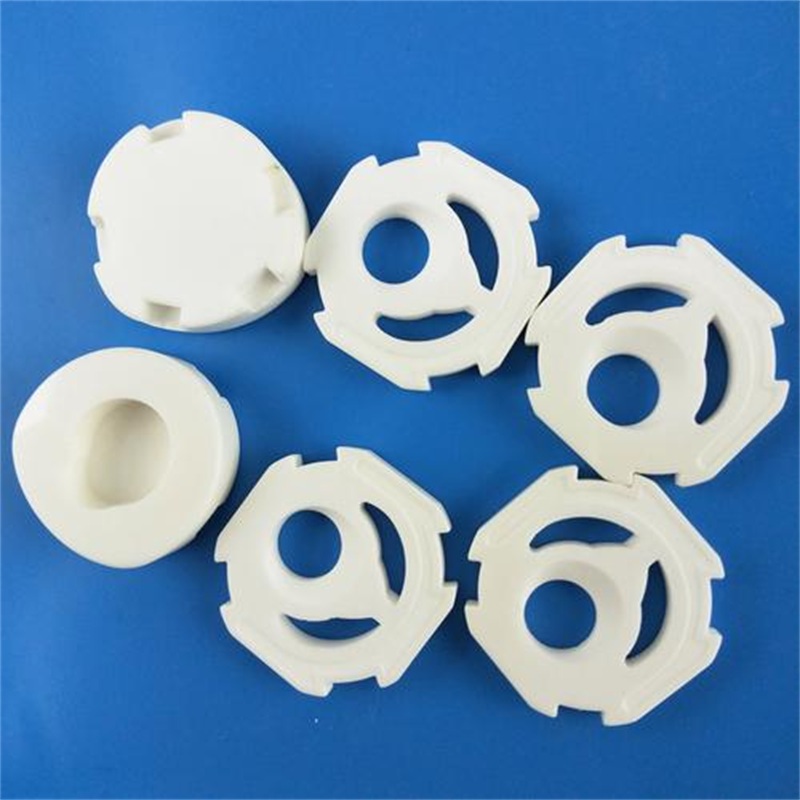
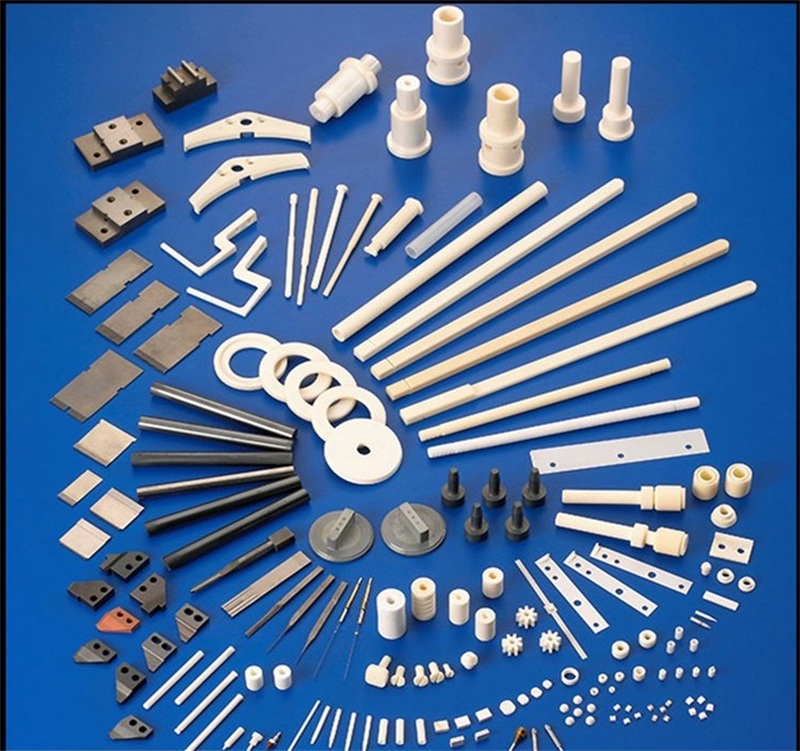
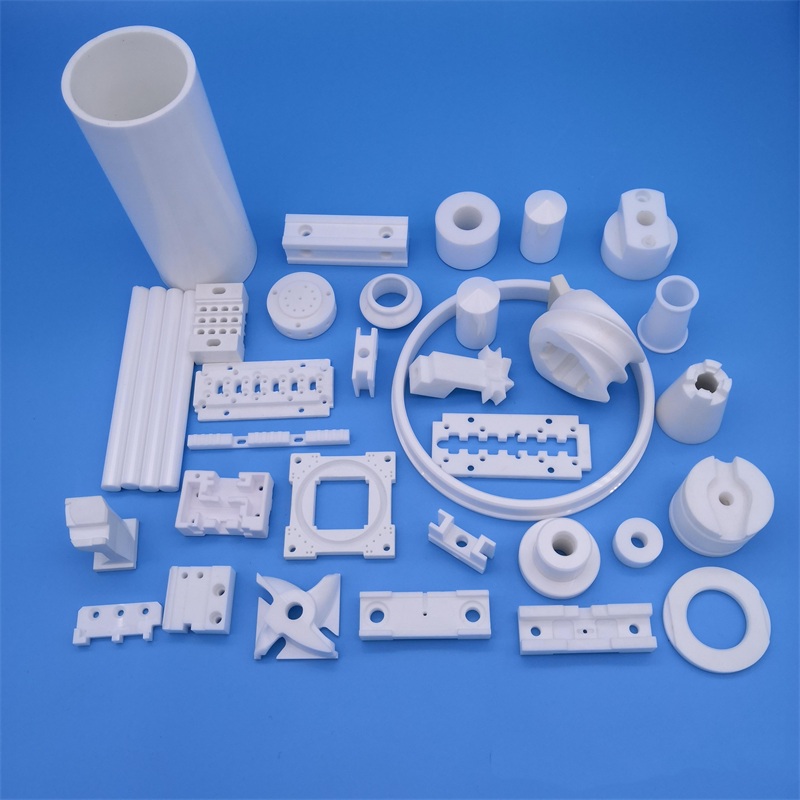
Reputable Manufacturers and Suppliers offer zirconia ceramic components in:
– Tubes, rods, and bars
– Balls and beads for bearings and grinding
– Plates and substrates
– Crucibles and furnace fixtures
– Custom Precision Components
Custom Machining Capabilities
A reliable Factory with in-house Custom Parts capabilities typically offers:
– Green-state machining (before sintering) for complex geometries
– Diamond grinding and lapping after sintering to achieve tight tolerances (±0.05 mm or better)
– Surface finishing to specified roughness (Ra)
– OEM production from prototypes to high-volume batches
What to Specify for Custom Parts
When requesting a quote for custom zirconia components, provide:
1. Part function and application environment
2. Detailed drawings or CAD files with dimensions and tolerances
3. Material grade preference (Y-TZP, Mg-PSZ, Ce-TZP, ZTA)
4. Operating temperature, media, load, and motion conditions
5. Required quantity and delivery timeline
6. Any specific certification or quality requirements
How to Choose the Right Supplier
Selecting a reliable zirconia ceramic component supplier requires careful evaluation. Here are key criteria for procurement professionals:
Technical Expertise
Choose a Supplier that demonstrates strong technical understanding of zirconia processing and applications. The Manufacturer should offer material selection guidance based on your specific working conditions rather than a one-size-fits-all solution.
Manufacturing Capabilities
Verify that the Factory has in-house capabilities across the entire production chain:
– Material preparation and stabilization
– Forming (isostatic pressing, injection molding, extrusion)
– Sintering with precise atmosphere control
– Precision machining and grinding
– Quality inspection and documentation
Quality Assurance
A reliable Manufacturer should provide:
– Material test certificates and traceability
– Dimensional inspection reports for each batch
– Process control documentation
– Compliance with relevant industry standards
Experience and Reputation
Consider suppliers with proven experience in your specific industry sector (e.g., Semiconductor, Medical, Automotive, or Energy). Established suppliers are more likely to maintain consistent quality and reliable delivery.
OEM and Customization Support
If your application requires custom-engineered components, evaluate whether the supplier offers comprehensive OEM and Custom Parts engineering support, including feasibility analysis, prototyping, and production scale-up.
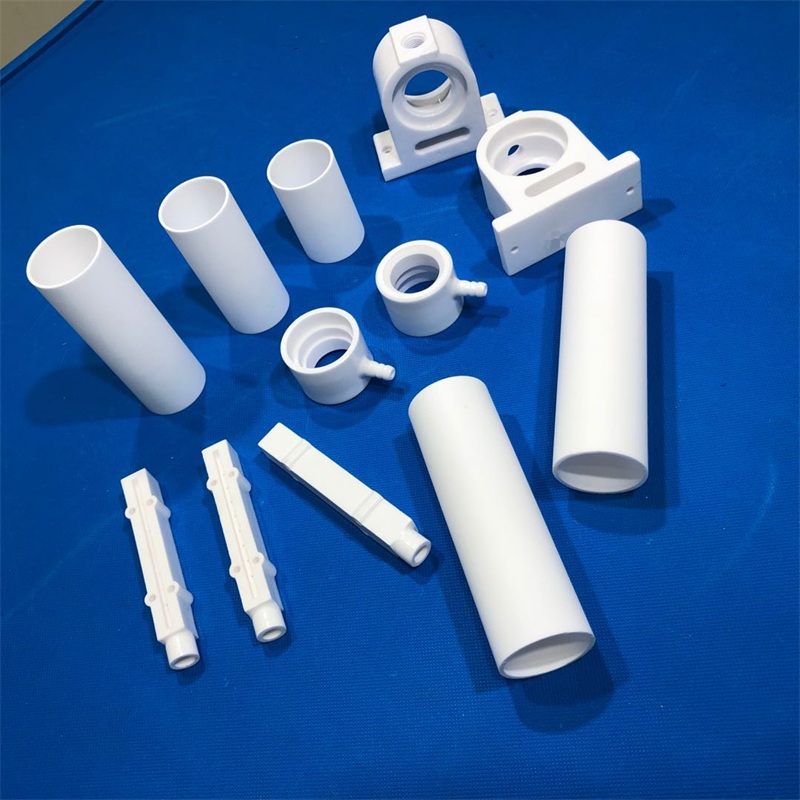
Zirconia ceramic represents a high-performance alternative to metals in applications demanding wear resistance, corrosion resistance, thermal insulation, and electrical insulation. Its transformation-toughening mechanism provides a level of damage tolerance unmatched by other oxide ceramics, bridging the gap between traditional ceramics and metals.
When evaluating Zirconia Ceramic vs Metal, the decision should be based on specific application requirements including operating environment, mechanical loads, thermal conditions, and lifecycle cost considerations. While zirconia components typically command higher initial costs than standard metal parts, the extended service life and reduced maintenance requirements often result in lower total cost of ownership.
For engineering and procurement professionals, partnering with an experienced Supplier that offers comprehensive material engineering support, Precision Components manufacturing, and reliable quality assurance is essential to maximizing the benefits of this exceptional material.
FAQ
What is the main difference between Zirconia ceramic and metal?
The primary differences lie in their mechanical behavior: metals exhibit ductility and plastic deformation, while zirconia ceramic is harder, more wear-resistant, and offers superior corrosion resistance, but is brittle. Zirconia also has low thermal conductivity (2–3 W/m·K) compared to most metals (15–50 W/m·K), making it an excellent thermal insulator.
Why would I choose Zirconia over Alumina or other ceramics?
Zirconia offers significantly higher fracture toughness (6–10 MPa·√m vs. 3.5–4 MPa·√m for alumina) due to its transformation-toughening mechanism, making it more resistant to cracking and impact damage. Its thermal expansion coefficient also more closely matches that of steel, reducing thermal stress in hybrid assemblies.
What temperature can Zirconia withstand?
Yttria-stabilized zirconia (Y-TZP) maintains useful mechanical properties in air up to approximately 1,000°C. For higher temperature applications, magnesia-stabilized zirconia (Mg-PSZ) can extend service life to around 1,600°C, though its mechanical strength is typically lower.
How do I choose a Zirconia ceramic component supplier?
Evaluate potential Suppliers based on technical expertise, in-house manufacturing capabilities (including precision machining), quality assurance systems, and industry experience. Request references from customers in your sector and review their engineering support for custom components. A reliable Manufacturer will offer material selection guidance tailored to your working conditions.
Can Zirconia be customized for specific applications?
Yes, zirconia components can be custom manufactured as OEM Precision Components through various forming and machining processes. Reputable Manufacturers and Factories offer customization from drawings or samples, including prototypes and high-volume production. Provide detailed specifications regarding geometry, tolerances, material grade, and operating conditions for optimal results.
 What Is Polyimide (PI)
What Is Polyphenylene Sulfide (PPS)
What Is Polyimide (PI)
What Is Polyphenylene Sulfide (PPS)
 What is PEEK-for Engineers and Buyers
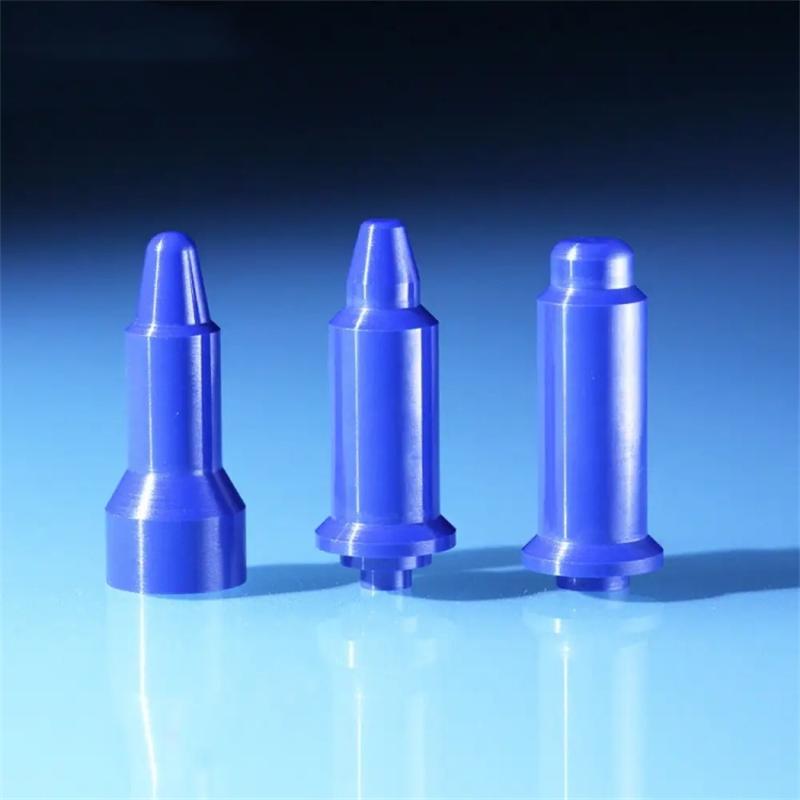 Application Scope of Zirconia Ceramic Structural Components