
Alumina Ceramic vs Metal
In modern industrial engineering, the transition from traditional metals to advanced technical ceramics has become a critical evolution. When evaluating Alumina Ceramic vs Metal, engineers and procurement teams must look beyond conventional material limits. Alumina (Al₂O₃) is a high-performance, precision-engineered structural ceramic designed to withstand extreme thermal, chemical, and mechanical environments where metals typically fail. Selecting the right material is essential for reducing maintenance costs, preventing component failure, and ensuring reliability in demanding sectors such as semiconductor manufacturing, energy, and industrial equipment.
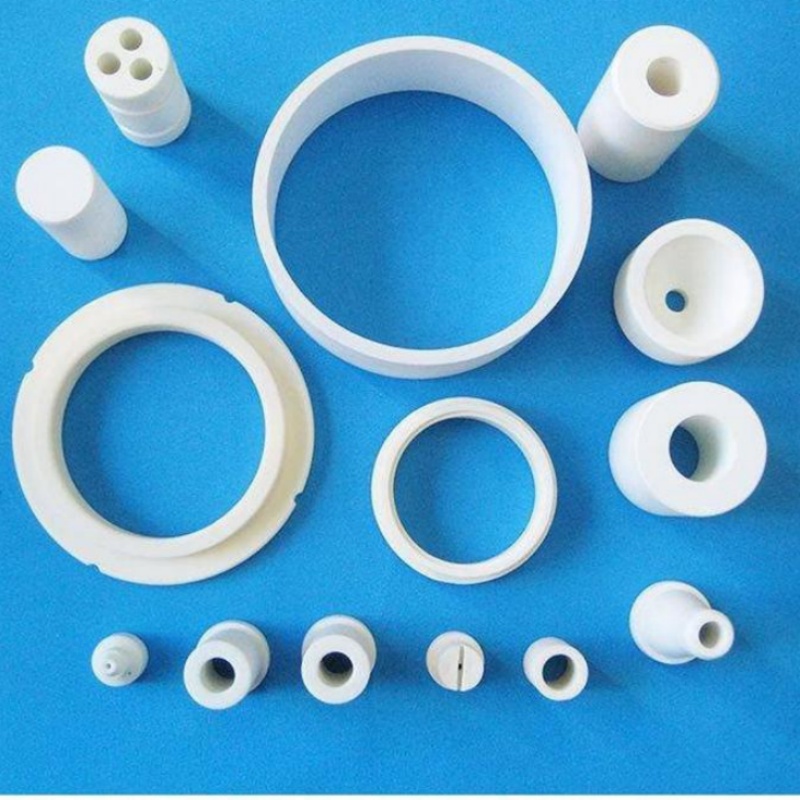
What Is Alumina Ceramic vs Metal?
Alumina ceramic is an inorganic, non-metallic material primarily composed of aluminum oxide. Unlike metals, which rely on metallic bonding and free electrons, alumina features strong ionic and covalent bonds. This fundamental structural difference gives alumina superior hardness, chemical inertness, and electrical insulation properties. While metals offer ductility and high tensile strength, alumina provides exceptional compressive strength and stability in extreme conditions, making it a reliable alternative for precision components.
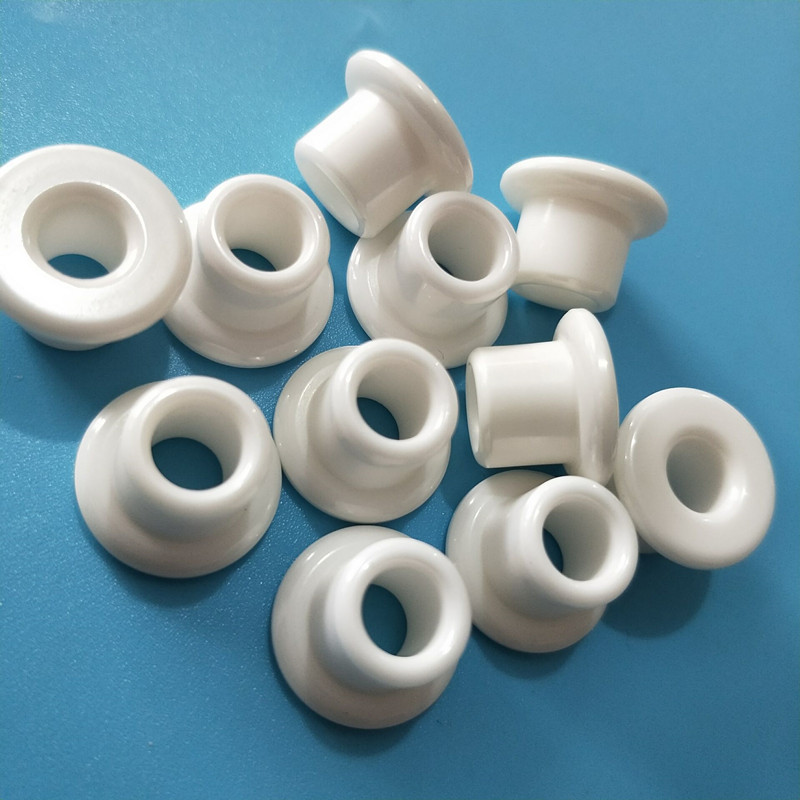
Key Properties Of Alumina Ceramic
Engineers specify alumina for its balanced mechanical and thermal properties:
Wear Resistance: With a Mohs hardness of 9, alumina significantly outperforms stainless steel, resisting abrasive wear and extending component life.
High Temperature Resistance: It maintains structural integrity and dimensional stability at temperatures exceeding 1,500°C, far beyond the operational limits of most metal alloys.
Corrosion Resistance: Alumina is chemically inert and does not oxidize or rust, making it ideal for harsh chemical environments.
Electrical Insulation: It offers high dielectric strength and volume resistivity, serving as a reliable insulator in high-voltage applications.
Thermal Conductivity: Depending on purity, it provides moderate thermal conductivity, acting as an effective heat spreader in electronics.
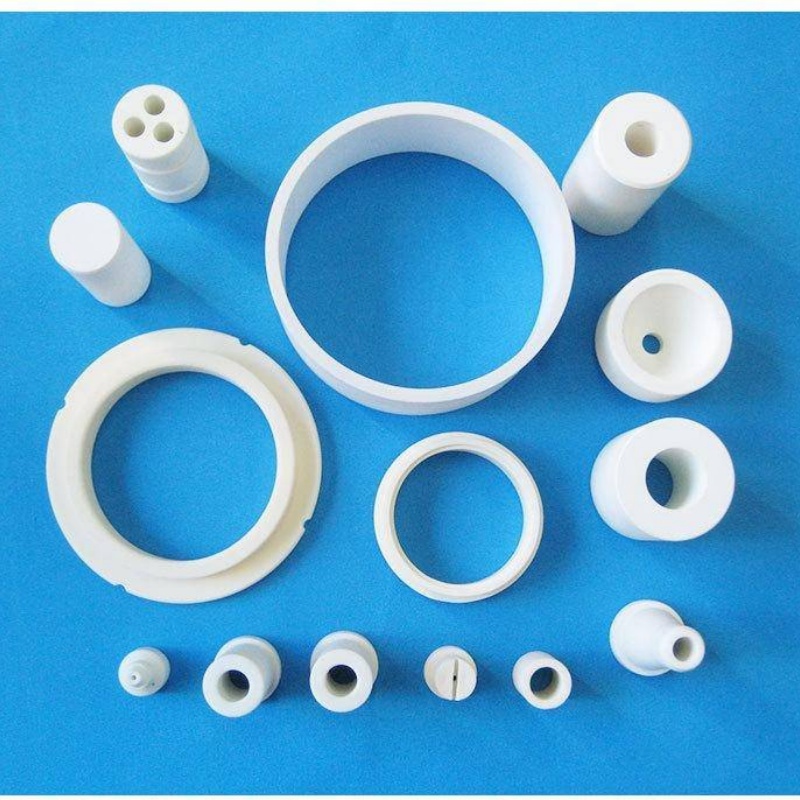
Typical Applications
Due to its industry-proven performance, custom manufactured alumina parts are widely utilized across various sectors:
Semiconductor & Electronics: Insulating substrates, vacuum chamber components, and thermal management parts.
Medical: Biocompatible components for surgical instruments and diagnostic equipment.
Automotive: High-wear sensors, ignition components, and electric vehicle insulation.
Energy & Industrial Equipment: Pump seals, valve bodies, and wear-resistant liners in corrosive fluid handling systems.
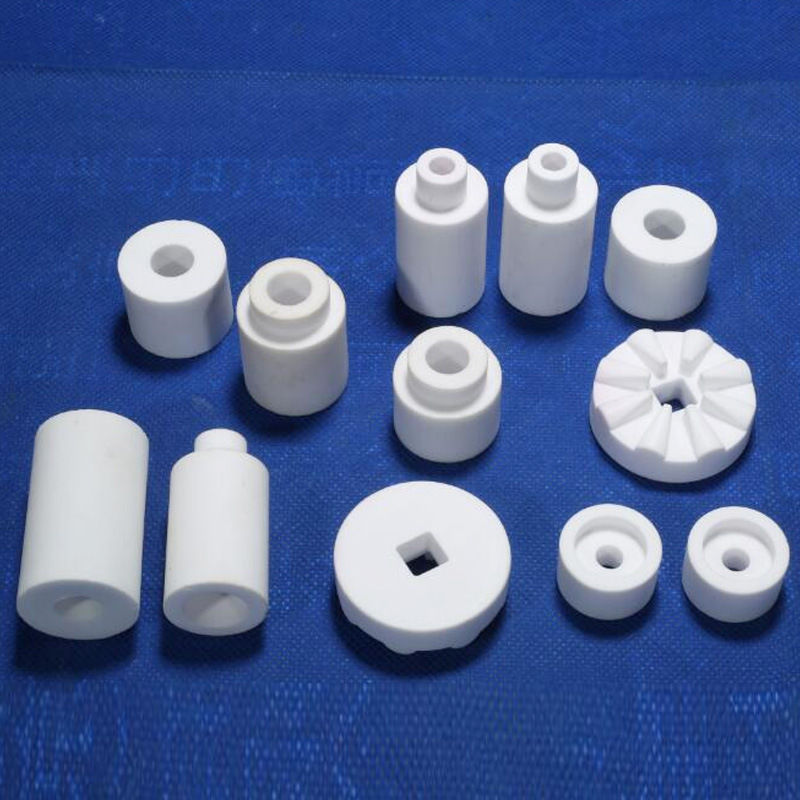
Advantages Compared With Other Ceramic Materials
When comparing alumina to other advanced ceramics and metals, its cost-to-performance ratio stands out. Compared to Zirconia (ZrO₂), alumina offers better thermal conductivity and lower cost, though Zirconia has higher fracture toughness. Versus Silicon Nitride (Si₃N₄), alumina is more economical for applications not requiring extreme thermal shock resistance. Against metals, alumina eliminates issues like galvanic corrosion, magnetic interference, and thermal expansion, though it requires careful design to avoid tensile stress concentrations due to its inherent brittleness.
Custom Manufacturing Options
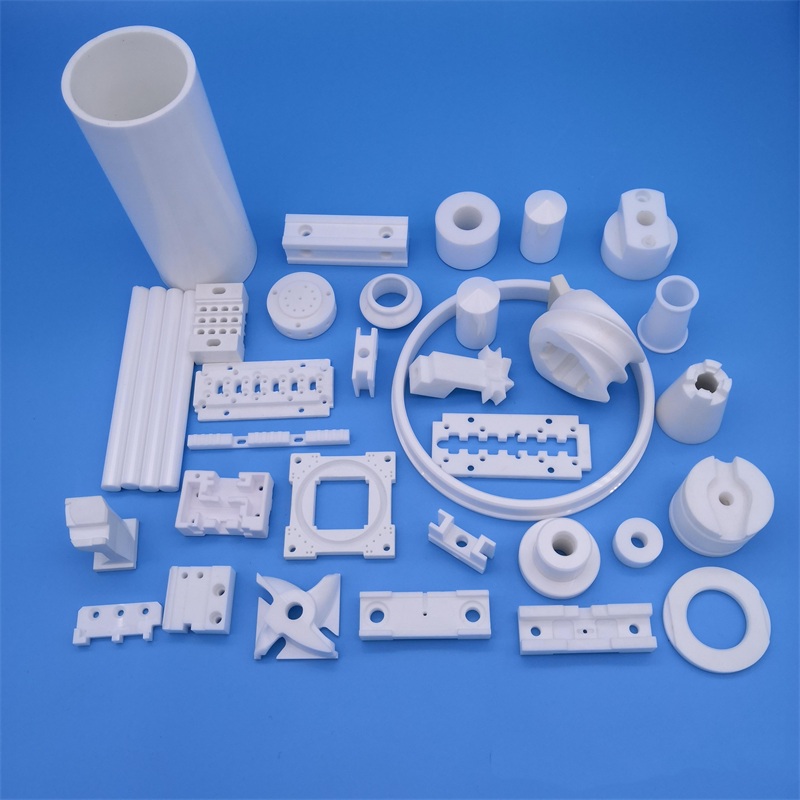
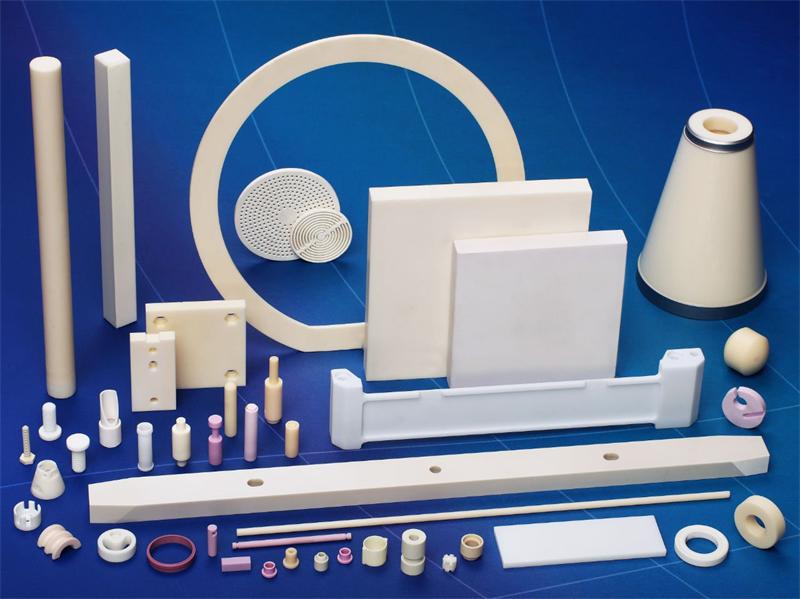
Sourcing precision components requires a capable manufacturer with advanced processing capabilities. A reliable factory will offer OEM services for custom parts, utilizing diamond grinding, laser machining, and precision polishing to achieve tight tolerances. Whether producing standard rods and tubes or complex geometries, custom manufacturing ensures that the mechanical properties and dimensional accuracy meet exact engineering specifications.
How To Choose The Right Supplier
Selecting a dependable supplier is critical for material consistency and component reliability. Evaluate potential manufacturers based on their ISO 9001 certifications, in-house machining capabilities, and experience in producing high-purity alumina. A trustworthy supplier should provide transparent technical data, precise tolerance capabilities, and industry-proven track records in your specific application sector.
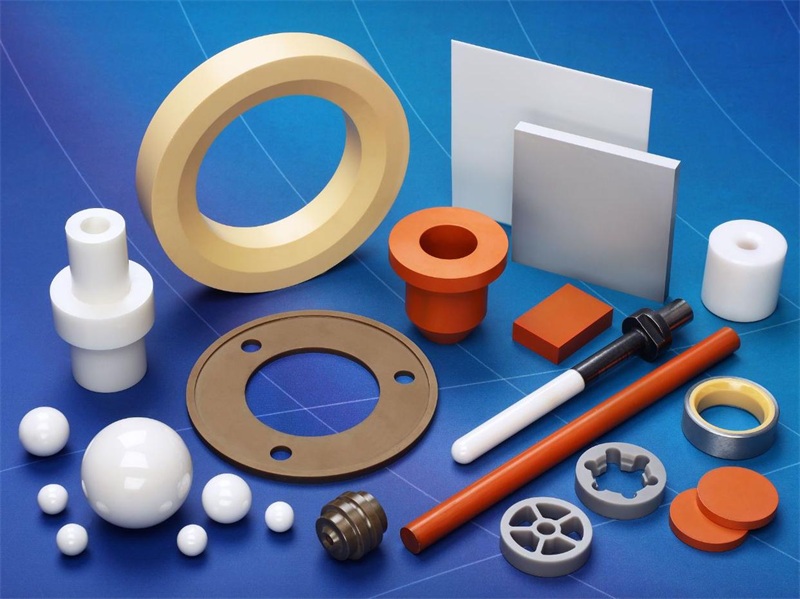
The debate of Alumina Ceramic vs Metal ultimately depends on the operational environment. For applications demanding high wear resistance, electrical insulation, and extreme temperature stability, alumina is the superior choice. By partnering with an experienced manufacturer, engineers can leverage custom parts to optimize system performance and longevity.
Frequently Asked Questions
What is the difference between Alumina and Zirconia ceramics?
Alumina offers higher thermal conductivity, better electrical insulation, and lower cost, while Zirconia provides significantly higher fracture toughness and impact resistance.
Why is Alumina Ceramic preferred over metal in chemical processing?
Alumina is chemically inert and immune to rust and oxidation, eliminating the corrosion failures commonly seen in stainless steel and other metal alloys exposed to harsh acids and alkalis.
How do I choose a ceramic component supplier?
Look for a manufacturer with ISO 9001 certification, in-house precision machining capabilities, and documented experience in producing high-purity alumina for your specific industry.
Can Alumina Ceramic withstand thermal shock?
Alumina has moderate thermal shock resistance. For applications with extreme and rapid temperature cycling, materials like Silicon Nitride or Aluminum Nitride may be more suitable.
 What Is Polyimide (PI)
What Is Polyphenylene Sulfide (PPS)
What Is Polyimide (PI)
What Is Polyphenylene Sulfide (PPS)
 What is PEEK-for Engineers and Buyers
 Application Scope of Zirconia Ceramic Structural Components