
Structural Ceramic Selection Comparison
In advanced engineering, selecting the right material is critical to ensuring system reliability and longevity. Advanced structural ceramics are non-metallic, inorganic materials engineered to deliver exceptional mechanical and thermal performance in demanding environments. As industries push the boundaries of high-temperature resistance and extreme wear conditions, a comprehensive structural ceramic selection comparison guide becomes essential for engineers and procurement professionals to navigate the complex landscape of technical ceramics.
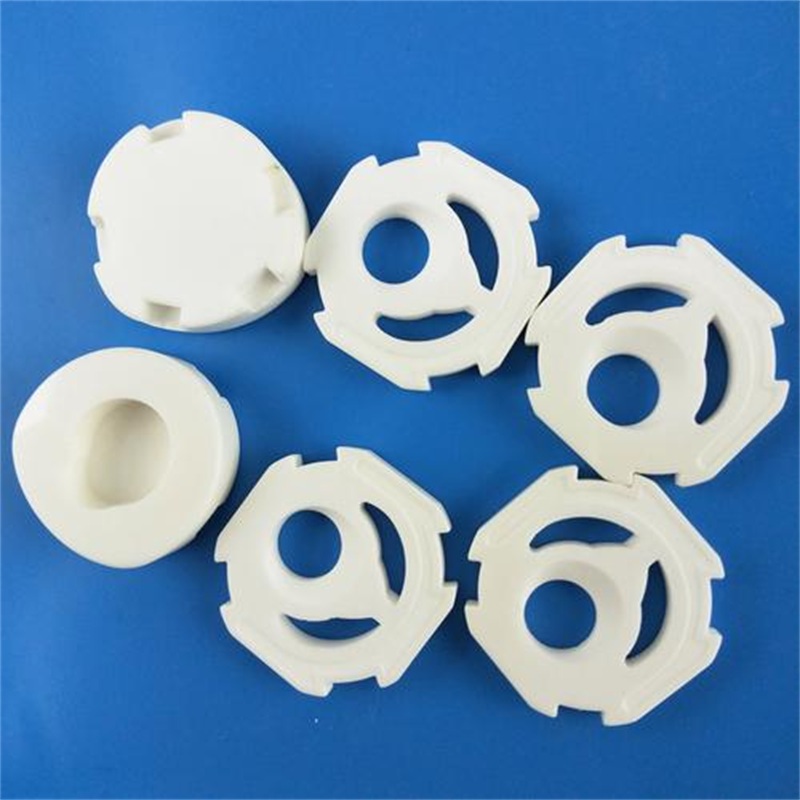
What Is a Structural Ceramic Selection Comparison Guide?
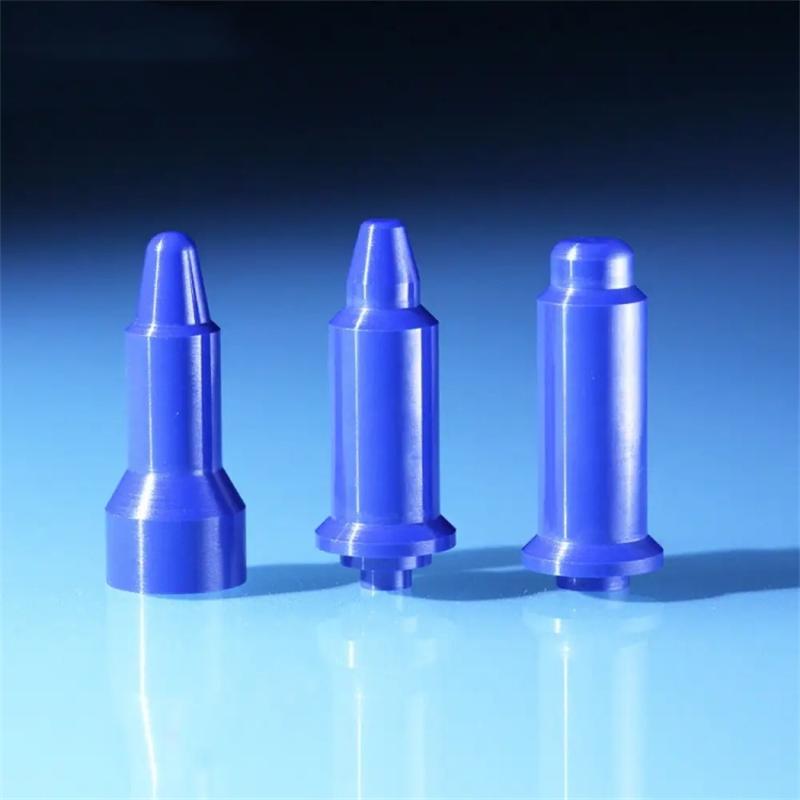
Structural ceramic selection comparison guide serves as a technical roadmap for evaluating high-performance ceramic materials. Unlike traditional ceramics, advanced structural ceramics are formulated using pure, highly refined powders to achieve tailored microstructures. This guide helps professionals assess various material classes—such as Alumina (Al2O3), Silicon Carbide (SiC), Silicon Nitride (Si3N4), and Zirconia (ZrO2)—based on specific operational requirements. It bridges the gap between material science and practical application, ensuring that precision components meet rigorous engineering standards.
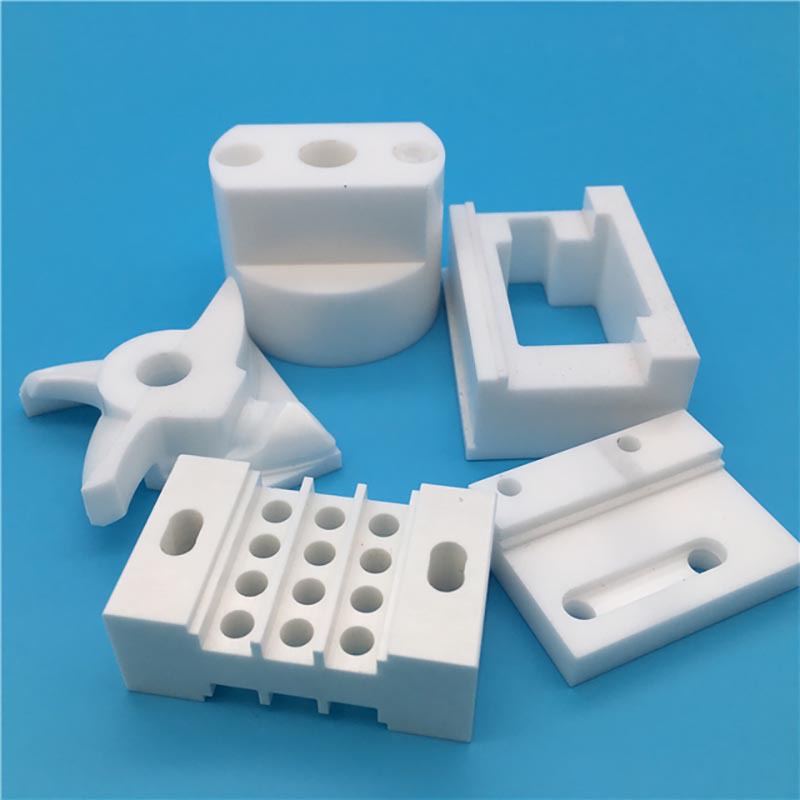
Key Properties of Advanced Structural Ceramics
When evaluating technical ceramics, engineers must analyze specific mechanical and thermal parameters. The primary performance indicators include:
Mechanical Properties: Advanced ceramics often exhibit high strength exceeding 1000 MPa and superior hardness, making them highly resistant to mechanical stress and abrasion.
Thermal Conductivity & High Temperature Resistance: Materials like Silicon Carbide offer excellent thermal conductivity for heat dissipation, while others maintain structural integrity in extreme thermal environments without degrading.
Wear Resistance & Corrosion Resistance: Technical ceramics provide industry-proven durability against abrasive wear and chemical attacks in acidic or alkaline environments, significantly extending component lifespan.
Electrical Insulation: Many structural ceramics, including Alumina and Silicon Nitride, act as reliable electrical insulators, which is crucial for high-voltage applications.
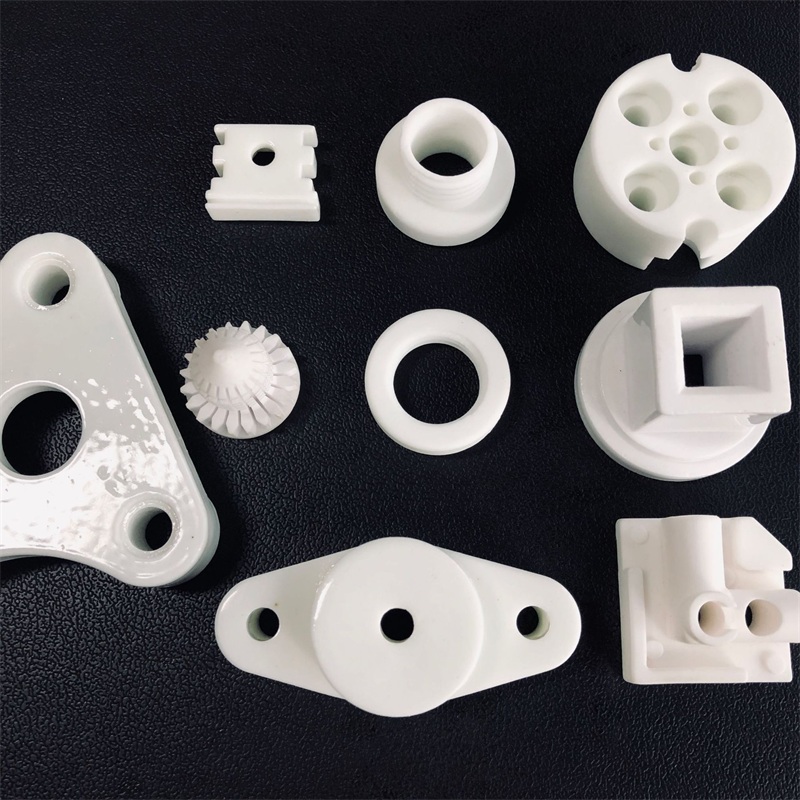
Typical Applications
The versatility of structural ceramics makes them indispensable across multiple high-tech sectors:
Semiconductor & Electronics: Utilized for their electrical insulation and thermal management capabilities in wafer processing equipment and electronic substrates.
Automotive & Energy: Applied in high-temperature engine components, bearings, and renewable energy systems where lightweight, durable materials are required.
Medical & Industrial Equipment: Chosen for biocompatibility, corrosion resistance, and wear resistance in surgical tools, fluid handling systems, and heavy-duty industrial machinery.
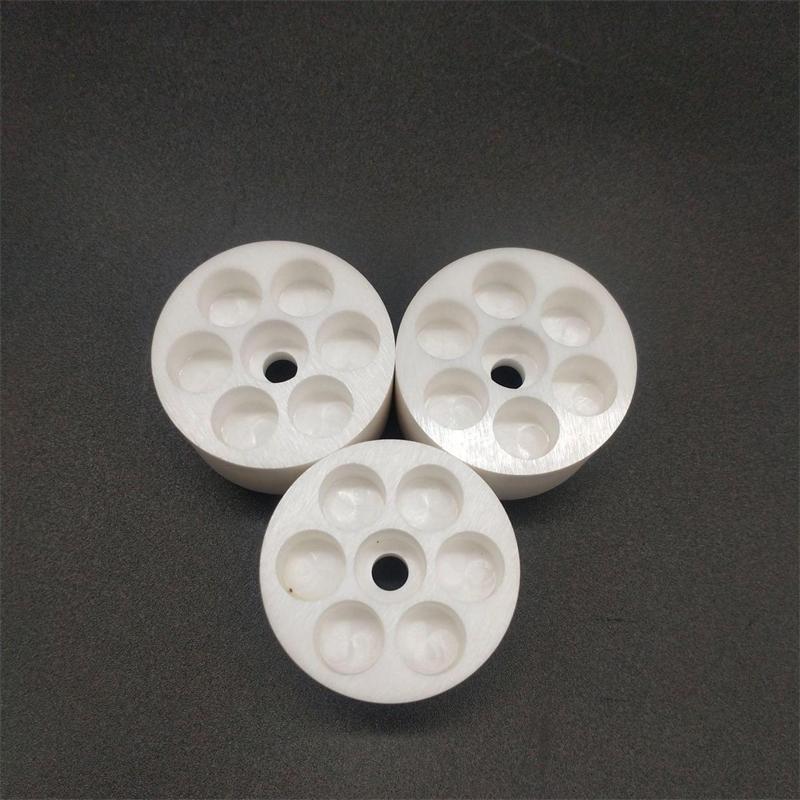
Advantages Compared With Other Ceramic Materials
No single ceramic material is universally superior; selection depends on the specific application. For instance, Alumina is widely used for its cost-effective electrical insulation and general wear resistance. However, when higher toughness and crack propagation resistance are required, Zirconia is often preferred. Silicon Nitride offers a unique balance of high strength, thermal shock resistance, and bearing-grade toughness, making it ideal for dynamic mechanical applications. A proper structural ceramic selection comparison guide helps engineers weigh these trade-offs to find the most reliable solution for their specific operating environment.
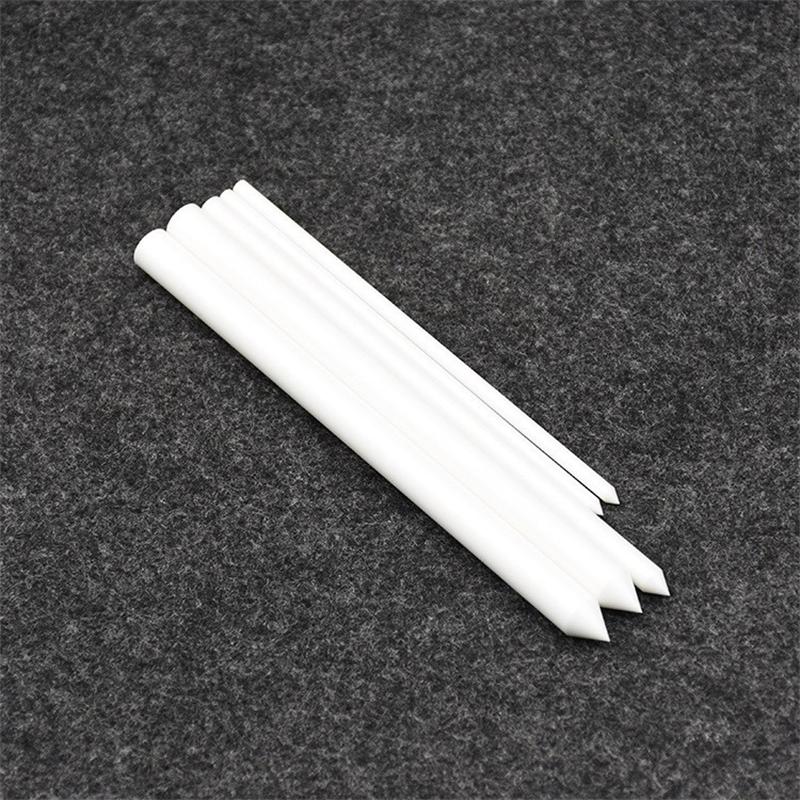
Custom Manufacturing Options
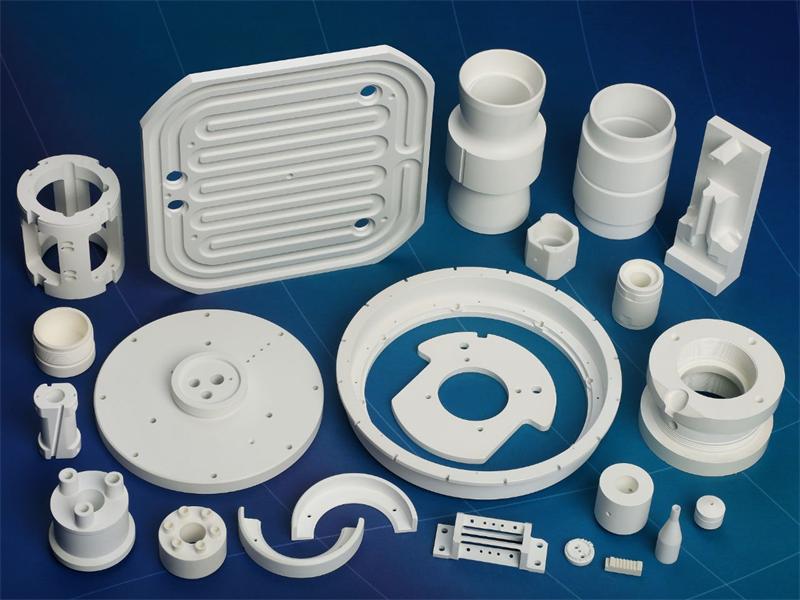
Standard catalog parts do not always meet the exact tolerances required by advanced engineering projects. Partnering with a specialized manufacturer or factory for OEM services is often necessary. Reliable suppliers offer custom parts and precision components tailored to unique geometries and strict specifications. Advanced production methods, including hot pressing, precision machining, and additive manufacturing, allow for the creation of complex ceramic structures that were previously unattainable. When sourcing custom parts, it is vital to ensure the supplier has the technical capability to maintain dimensional accuracy and material integrity during the manufacturing process.
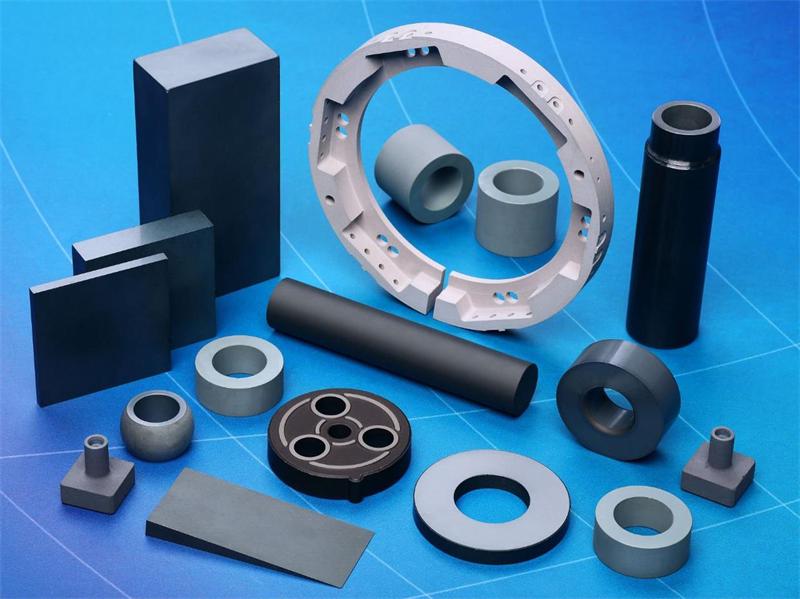
How To Choose The Right Supplier
Selecting a dependable supplier or manufacturer is as critical as the material selection itself. Procurement professionals should evaluate potential partners based on their engineering expertise, quality control systems, and ability to provide comprehensive technical support. A reliable supplier will offer detailed material data sheets, transparent communication regarding lead times, and proven experience in producing precision components for your specific industry. Verifying their track record in delivering high-performance ceramics for semiconductor, automotive, or industrial applications ensures that the final product will meet stringent operational demands.
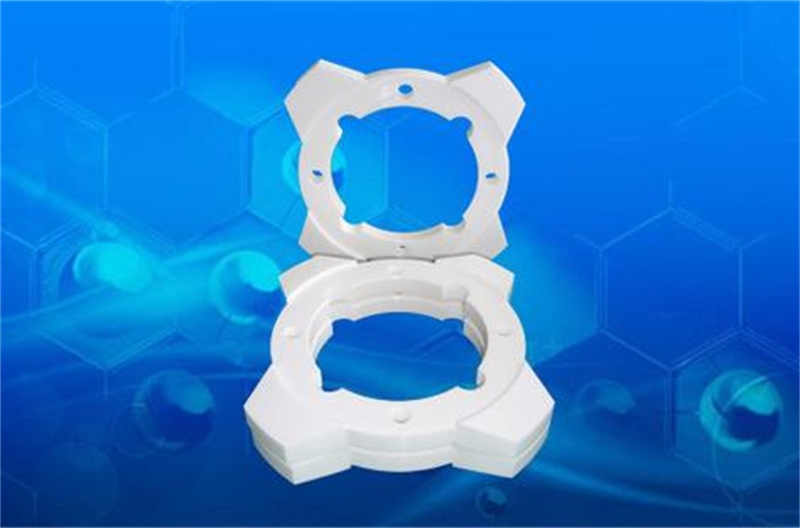
Navigating the complexities of advanced materials requires a systematic approach. By utilizing a detailed structural ceramic selection comparison guide, engineers and buyers can confidently select high-performance materials that align with their technical requirements. Whether focusing on thermal conductivity, wear resistance, or electrical insulation, partnering with an experienced manufacturer ensures that custom parts and precision components deliver reliable, industry-proven results.
Frequently Asked Questions (FAQ)
What is the difference between Alumina and Zirconia ceramics?
Alumina is generally more cost-effective and offers excellent electrical insulation and wear resistance. Zirconia, on the other hand, provides significantly higher toughness and resistance to crack propagation, making it better suited for high-stress mechanical applications.
What temperature can Silicon Nitride withstand?
Silicon Nitride is renowned for its high-temperature resistance and thermal shock capabilities. It can typically withstand continuous operating temperatures up to 1200°C (2192°F) while maintaining its mechanical strength and structural integrity.
Why is Aluminum Nitride used in semiconductor equipment?
Aluminum Nitride is highly valued in the semiconductor industry because it combines excellent electrical insulation with high thermal conductivity. This unique combination allows for efficient heat dissipation in electronic components without causing electrical short circuits.
How do I choose a ceramic component supplier?
When selecting a supplier, evaluate their technical expertise, manufacturing capabilities (such as precision machining and OEM services), and quality assurance processes. Ensure they have a proven track record of supplying reliable, high-performance ceramics for your specific application sector.
 What Is Polyimide (PI)
What Is Polyphenylene Sulfide (PPS)
What Is Polyimide (PI)
What Is Polyphenylene Sulfide (PPS)
 What is PEEK-for Engineers and Buyers
 Application Scope of Zirconia Ceramic Structural Components