
Silicon Nitride vs Silicon Carbide vs Alumina
In the realm of advanced engineering, selecting the appropriate technical ceramic is critical for the reliability and longevity of high-performance systems. Silicon Nitride (Si3N4), Silicon Carbide (SiC), and Alumina (Al2O3) represent three of the most widely utilized structural and functional ceramics. Each material offers a distinct balance of mechanical, thermal, and electrical characteristics, making them indispensable in demanding industrial environments. Understanding their unique profiles is essential for engineers and procurement professionals seeking reliable custom parts.
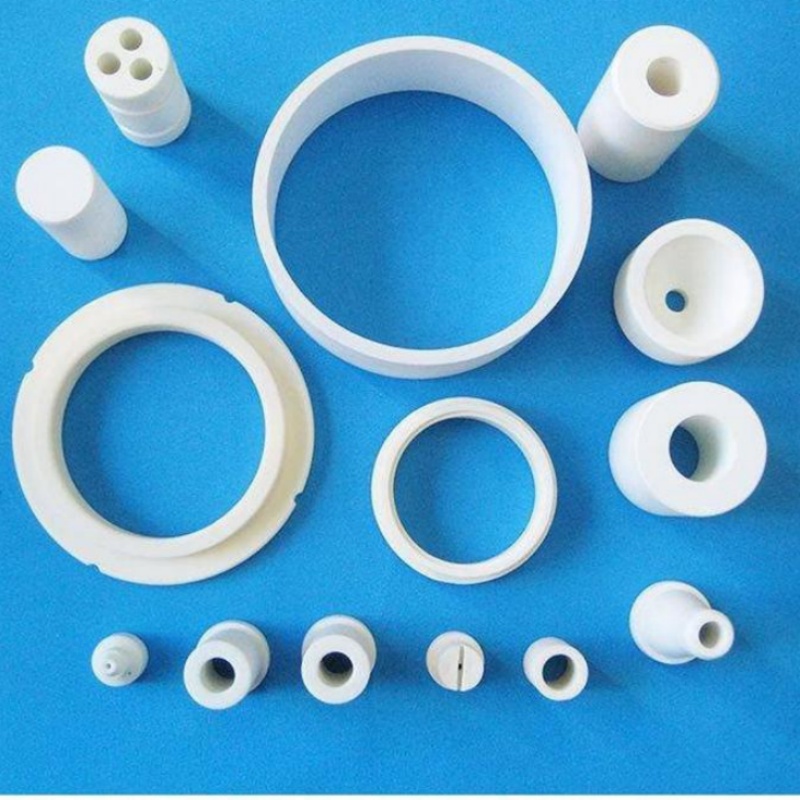
What Is Silicon Nitride vs Silicon Carbide vs Alumina
These materials are advanced technical ceramics engineered to withstand extreme conditions where metals and polymers fail. Alumina is a highly stable oxide ceramic known for its excellent electrical insulation and cost-effectiveness. Silicon Carbide is a non-oxide ceramic characterized by extreme hardness and high thermal conductivity. Silicon Nitride is a non-oxide ceramic that provides an exceptional balance of high fracture toughness, mechanical strength, and thermal shock resistance. Together, they form the foundation of modern industrial equipment, semiconductor manufacturing, and automotive engineering.
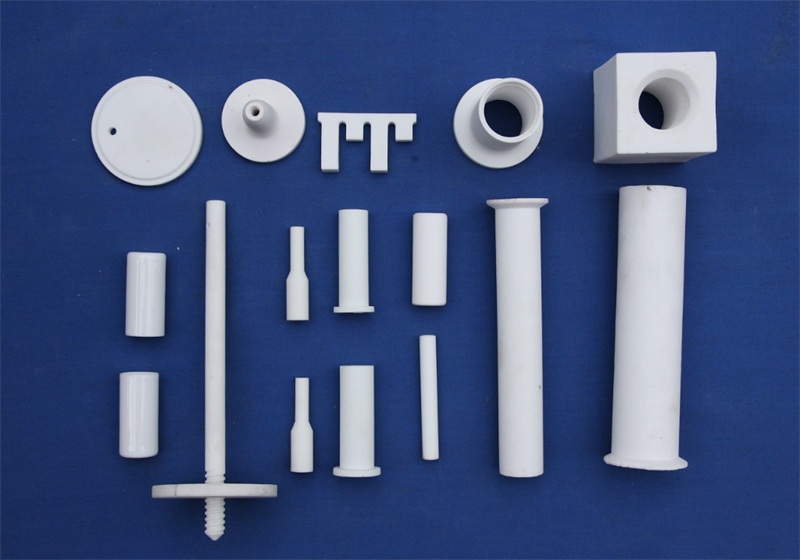
Key Properties Of Silicon Nitride, Silicon Carbide, And Alumina
When evaluating these materials, engineers must consider their specific mechanical properties and thermal behaviors.
Alumina (Al2O3): Offers high wear resistance, excellent electrical insulation, and good corrosion resistance. It typically has a thermal conductivity of 20-30 W/m·K and provides reliable high-temperature resistance up to 1600°C.
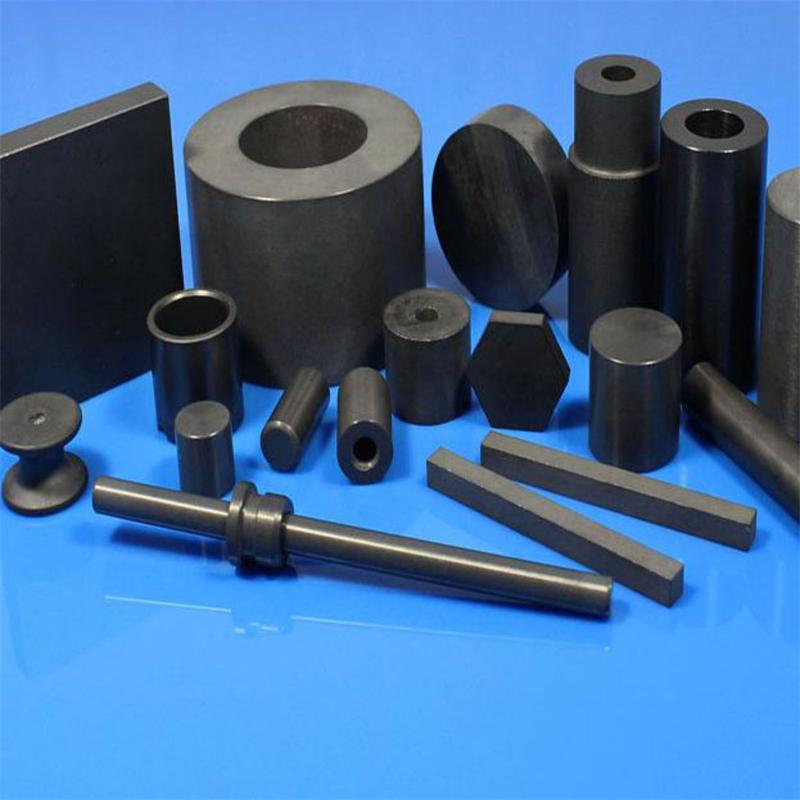
Silicon Carbide (SiC): Exhibits superior thermal conductivity (80-150 W/m·K) and extreme hardness, making it highly resistant to abrasive wear. It maintains structural integrity at extreme temperatures exceeding 1600°C and offers excellent oxidation resistance.
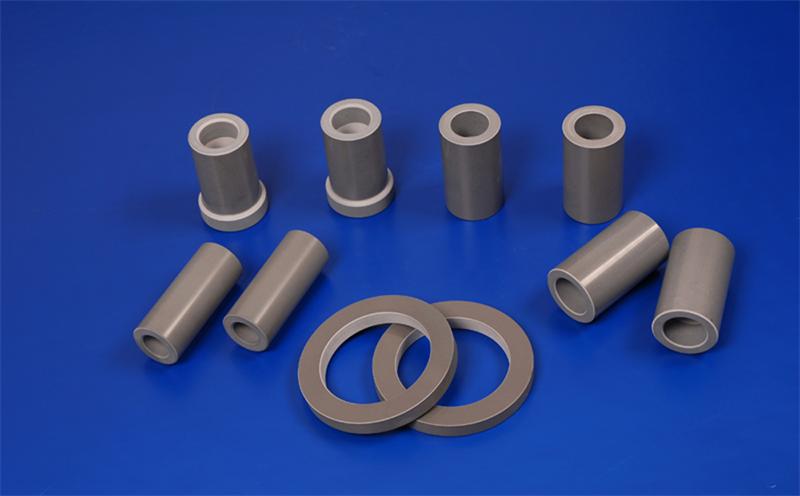
Silicon Nitride (Si3N4): Distinguished by its high fracture toughness and low coefficient of thermal expansion. It possesses outstanding thermal shock resistance, high-temperature resistance, and self-lubricating properties, making it ideal for dynamic mechanical applications.
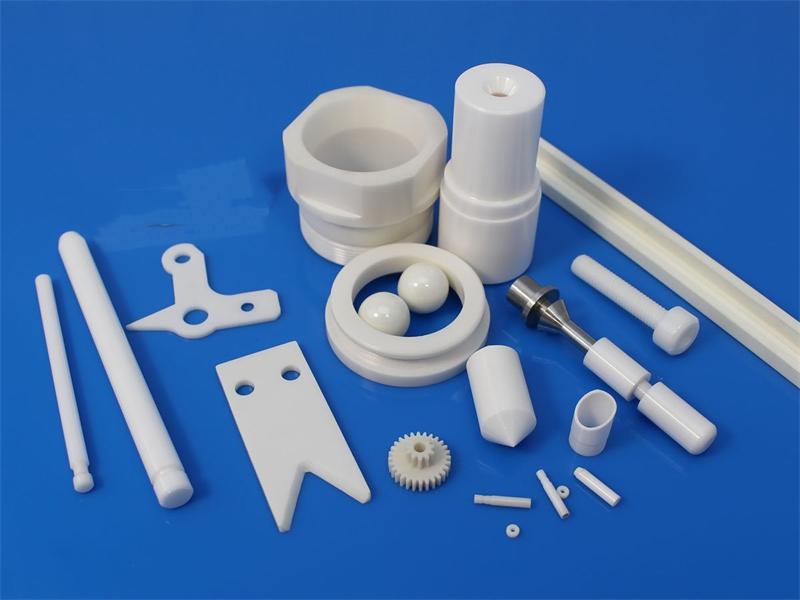
Typical Applications
The distinct properties of these ceramics dictate their use across various high-tech sectors:
Semiconductor & Electronics: Alumina is widely used for electronic substrates and insulators due to its electrical insulation. Silicon Carbide serves in high-power electronic devices and heat sinks, while Silicon Nitride is utilized in semiconductor wafer carriers and precision bearings.
Automotive & Energy: Silicon Nitride is heavily relied upon for turbocharger rotors, engine components, and hybrid vehicle bearings. Silicon Carbide is critical in electric vehicle power electronics and solar thermal energy systems.
Industrial Equipment & Medical: Alumina is standard for textile guides, pump seals, and medical implants. Silicon Carbide is used in abrasive environments and chemical processing equipment requiring extreme corrosion resistance.
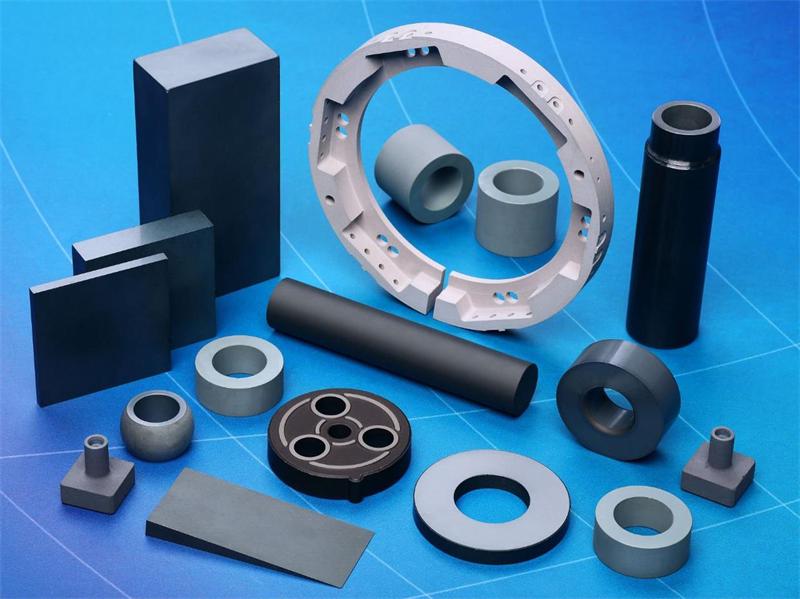
Advantages Compared With Other Ceramic Materials
Choosing between these materials requires balancing performance requirements with budget. Alumina is generally the most economical choice for standard wear and insulation applications. When extreme heat dissipation and abrasive wear resistance are paramount, Silicon Carbide is the preferred engineering solution. However, if an application involves severe thermal cycling, high impact loads, or dynamic friction, Silicon Nitride outperforms both Alumina and Silicon Carbide due to its unmatched toughness and thermal shock resistance.
Custom Manufacturing Options
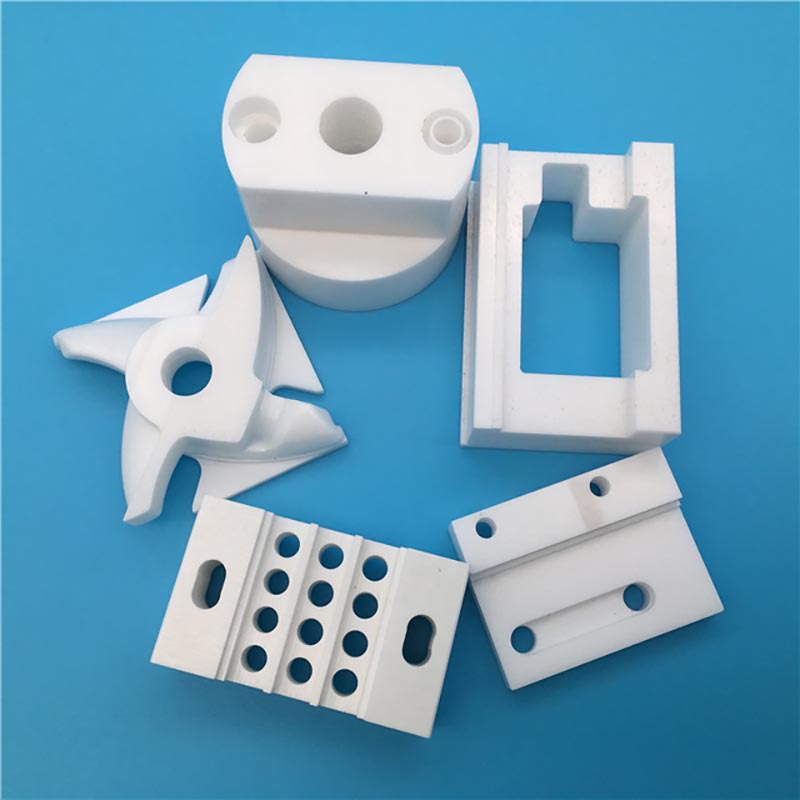
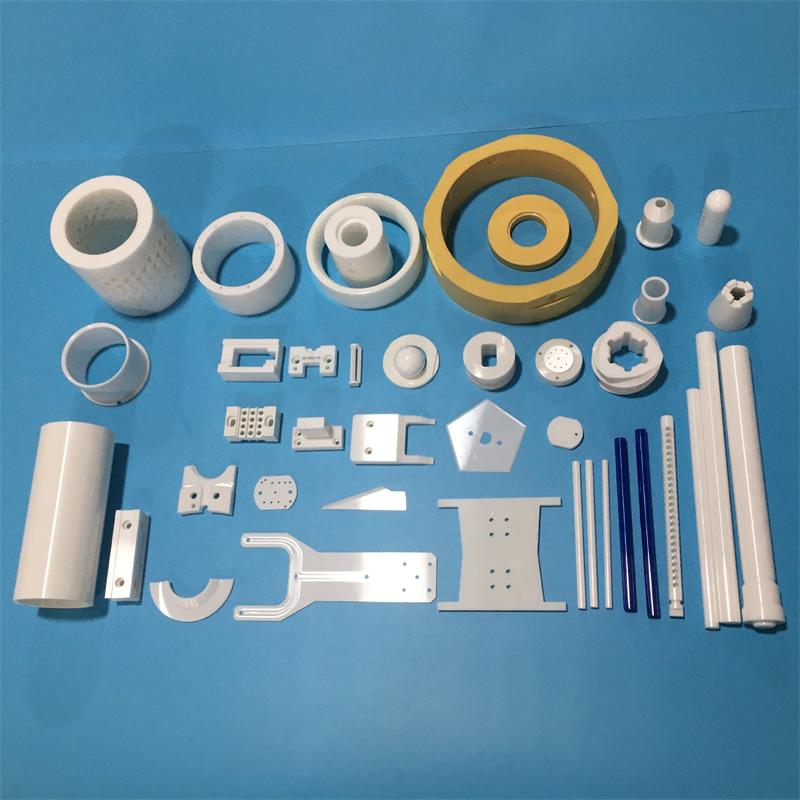
Sourcing precision components requires partnering with a manufacturer capable of complex fabrication. A reliable factory will offer comprehensive OEM services, including dry pressing, isostatic pressing, and CNC machining to achieve tight tolerances. Whether you require standard industrial wear parts or highly specialized precision components, custom manufacturing ensures the ceramic meets exact dimensional and performance specifications.
How To Choose The Right Supplier
Selecting the right supplier is as critical as the material selection. Procurement professionals should evaluate a manufacturer based on their technical expertise, quality control systems, and ability to provide customized engineering support. A reliable supplier will offer transparent data on mechanical properties, thermal conductivity, and wear resistance, ensuring the delivered parts meet the rigorous demands of your specific application.
The decision between Silicon Nitride, Silicon Carbide, and Alumina
ultimately depends on the specific operational demands of your application. By understanding the unique advantages of each material, engineers can optimize system performance, reduce maintenance costs, and extend equipment lifespan. Partnering with an experienced manufacturer ensures that your custom ceramic components are precision engineered to deliver reliable, industry-proven results.
Frequently Asked Questions
What is the main difference between Silicon Nitride and Silicon Carbide?
Silicon Nitride offers superior fracture toughness and thermal shock resistance, making it ideal for dynamic and high-impact applications. Silicon Carbide provides higher thermal conductivity and extreme hardness, making it better suited for static, high-heat, and highly abrasive environments.
Why is Alumina commonly used in electronics?
Alumina offers an excellent combination of high electrical insulation, good thermal conductivity, and cost-effective manufacturing, making it the standard substrate material for electronic circuits and semiconductor packaging.
How do I choose the right ceramic component supplier?
Look for a manufacturer with proven expertise in advanced ceramics, robust quality control processes, and the capability to provide custom machining and OEM services. Ensure they can supply detailed technical data regarding the material’s mechanical and thermal properties.
Can Silicon Nitride withstand extreme thermal cycling?
Yes, Silicon Nitride has a very low coefficient of thermal expansion and high thermal shock resistance, allowing it to endure rapid and extreme temperature fluctuations without cracking or failing.
 What Is Polyimide (PI)
What Is Polyphenylene Sulfide (PPS)
What Is Polyimide (PI)
What Is Polyphenylene Sulfide (PPS)
 What is PEEK-for Engineers and Buyers
 Application Scope of Zirconia Ceramic Structural Components