
Why Silicon Nitride Ceramic Is Ideal for High-Speed Bearings
Silicon nitride (Si3N4) ceramic has emerged as a critical material in advanced mechanical engineering, specifically for high-speed bearing applications. As industrial equipment pushes the boundaries of rotational speed and operational temperature, traditional steel bearings often reach their performance limits. Silicon nitride ceramic balls provide a reliable, high-performance alternative that significantly enhances the durability and efficiency of precision components. For engineers and procurement professionals, understanding the technical merits of this material is essential for optimizing machinery performance.
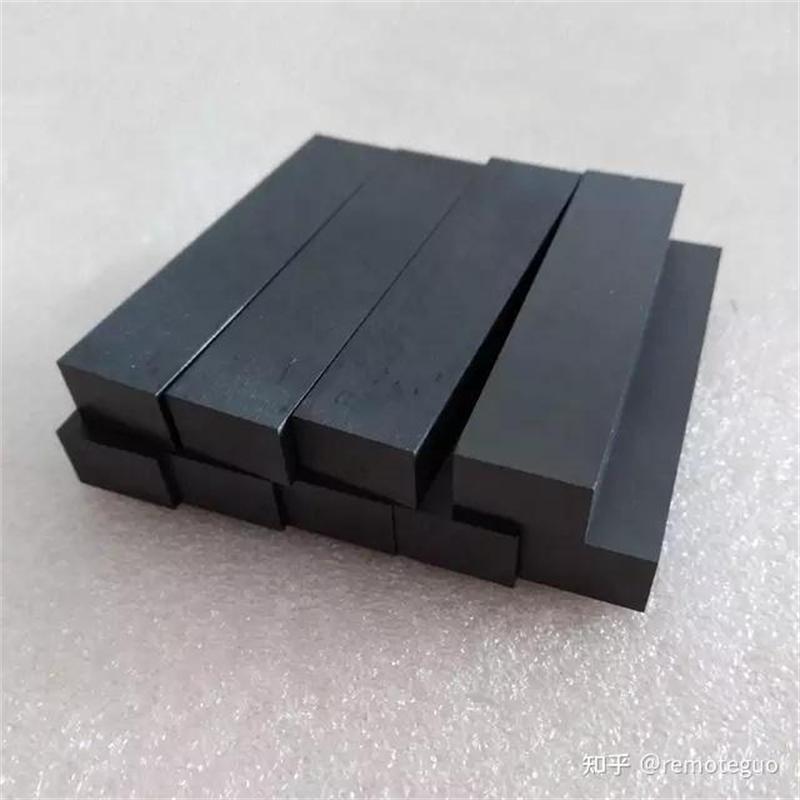
What Is Silicon Nitride Ceramic for High-Speed Bearings?
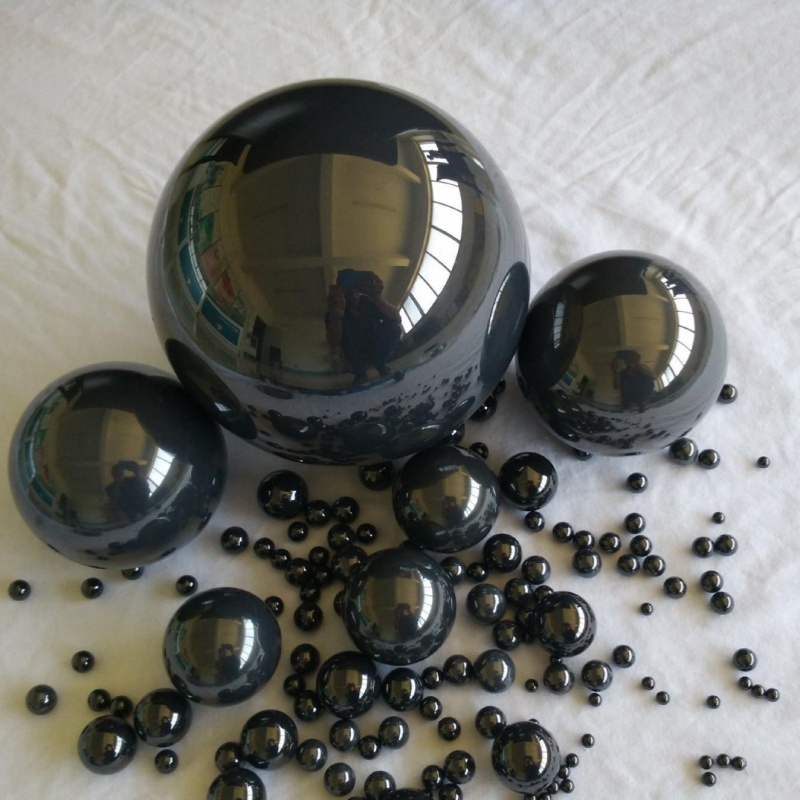
Silicon nitride is a high-performance engineering ceramic characterized by its exceptional mechanical properties and thermal stability. In the context of high-speed bearings, it is typically manufactured into precision rolling elements (balls or rollers) that are paired with steel or ceramic raceways, forming hybrid ceramic bearings. This configuration leverages the unique physical characteristics of Si3N4 to overcome the centrifugal forces, friction, and electrical erosion that cause premature failure in conventional metal bearings. Sourcing these components from a specialized manufacturer ensures that the material meets the stringent demands of modern high-speed applications.
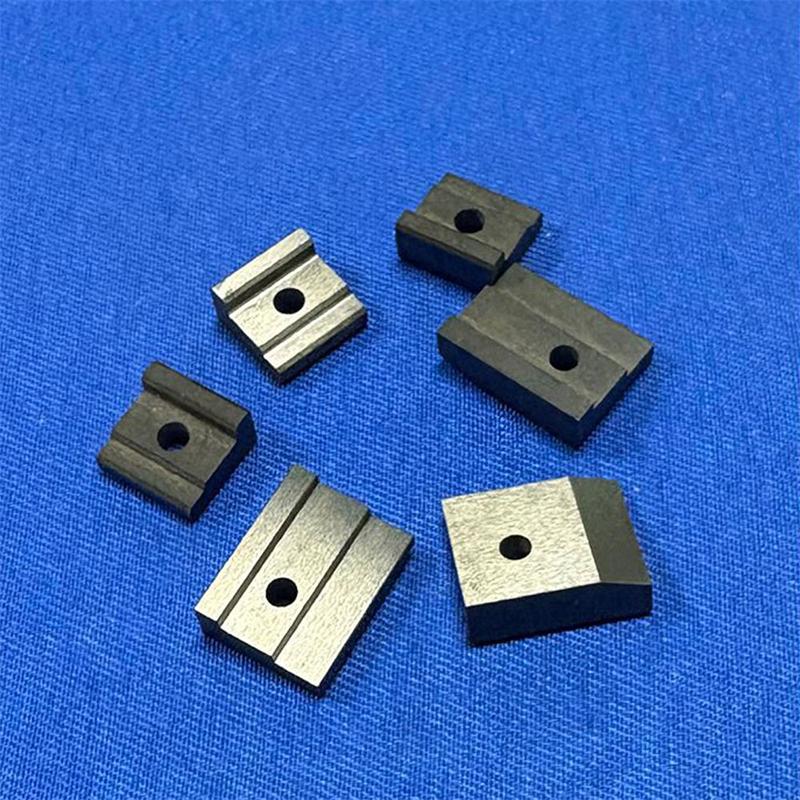
Key Properties of Silicon Nitride Ceramic
The suitability of silicon nitride for high-speed environments stems from several critical engineering attributes:
Low Density: Si3N4 is approximately 40% lighter than bearing steel. This reduced mass significantly lowers centrifugal forces at high RPMs, minimizing friction and preventing rolling element skidding.
High Rigidity and Wear Resistance: With an elastic modulus roughly 50% higher than steel, silicon nitride exhibits minimal elastic deformation under load. Combined with its superior wear resistance, this ensures precise dimensional stability and extended service life.
Thermal Conductivity and High Temperature Resistance: Silicon nitride maintains its mechanical strength at extreme temperatures (often exceeding 800°C). Its low thermal expansion coefficient prevents dimensional changes that could compromise bearing clearance.
Electrical Insulation: As an excellent electrical insulator, Si3N4 prevents electrical arcing and pitting (fluting) caused by stray currents in variable frequency drives, a common issue in the automotive and energy sectors.
Corrosion Resistance: The material is highly inert, making it suitable for harsh chemical environments or applications requiring strict hygiene standards.
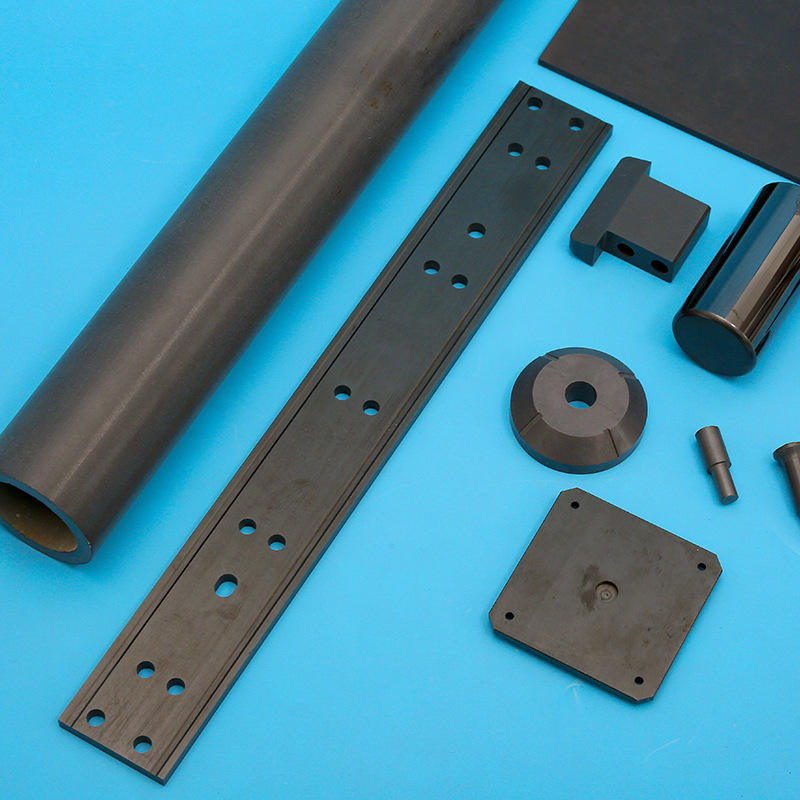
Typical Applications
Due to its industry-proven performance, silicon nitride is widely utilized across demanding sectors:
Industrial Equipment: High-speed machine tool spindles, turbochargers, and centrifuges.
Automotive: Electric vehicle (EV) drivetrains, high-speed alternators, and racing engines.
Semiconductor & Electronics: Vacuum pumps, wafer handling robots, and computer hard disk drives.
Medical: Surgical handpieces, dental drills, and MRI-compatible equipment.
Energy: Wind turbine generators and aerospace propulsion systems.
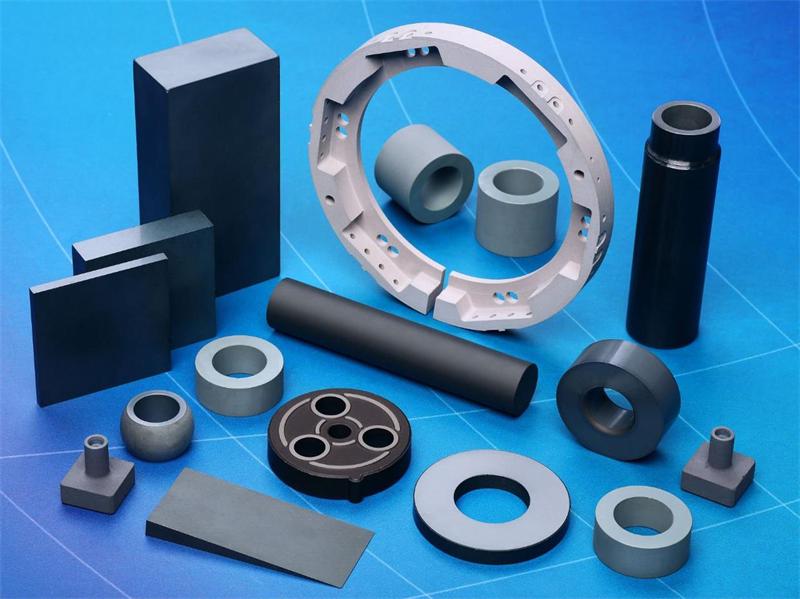
Advantages Compared With Other Ceramic Materials
While Alumina (Al2O3) and Zirconia (ZrO2) are common engineering ceramics, silicon nitride is generally preferred for high-speed bearings. Compared to Zirconia, Si3N4 offers better thermal conductivity and lower density, allowing for higher operational speeds without excessive heat buildup. Unlike Alumina, silicon nitride possesses higher fracture toughness and bending strength, providing superior resistance to shock loads and fatigue. This balanced combination of mechanical properties makes it the optimal choice for dynamic, high-stress applications.
Custom Manufacturing Options
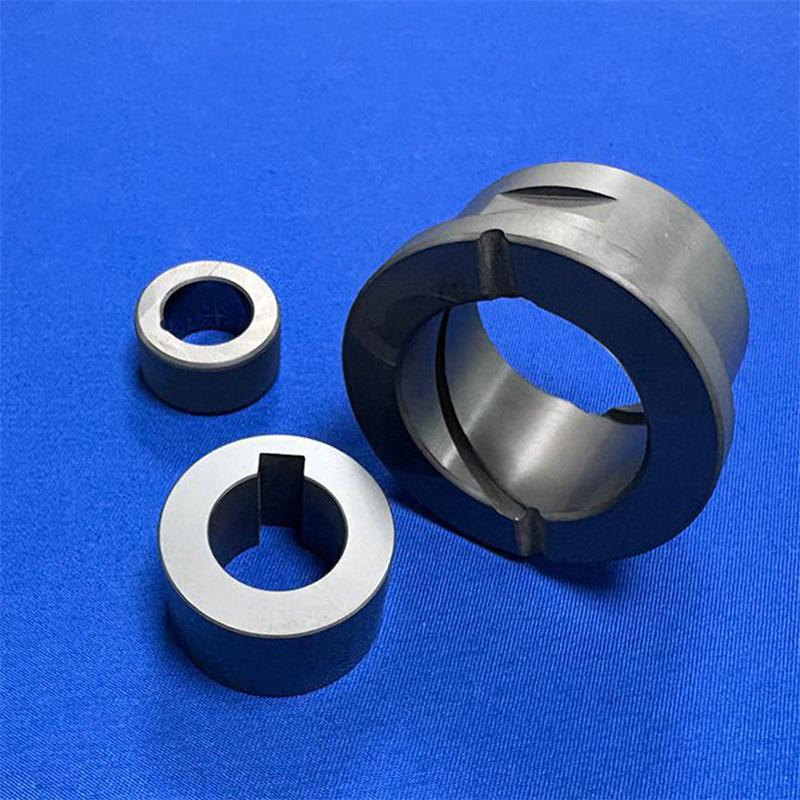
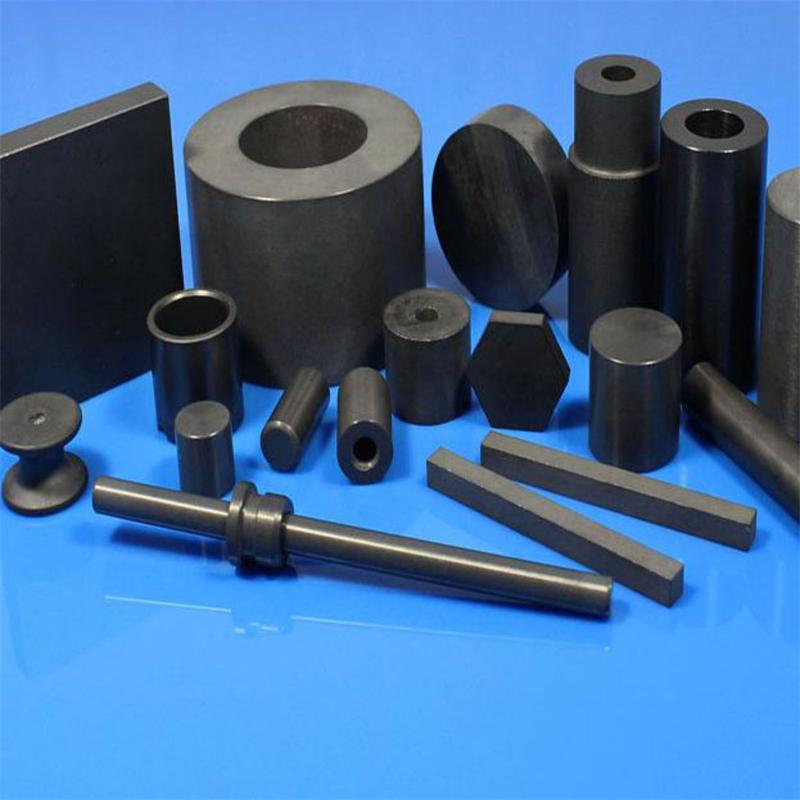
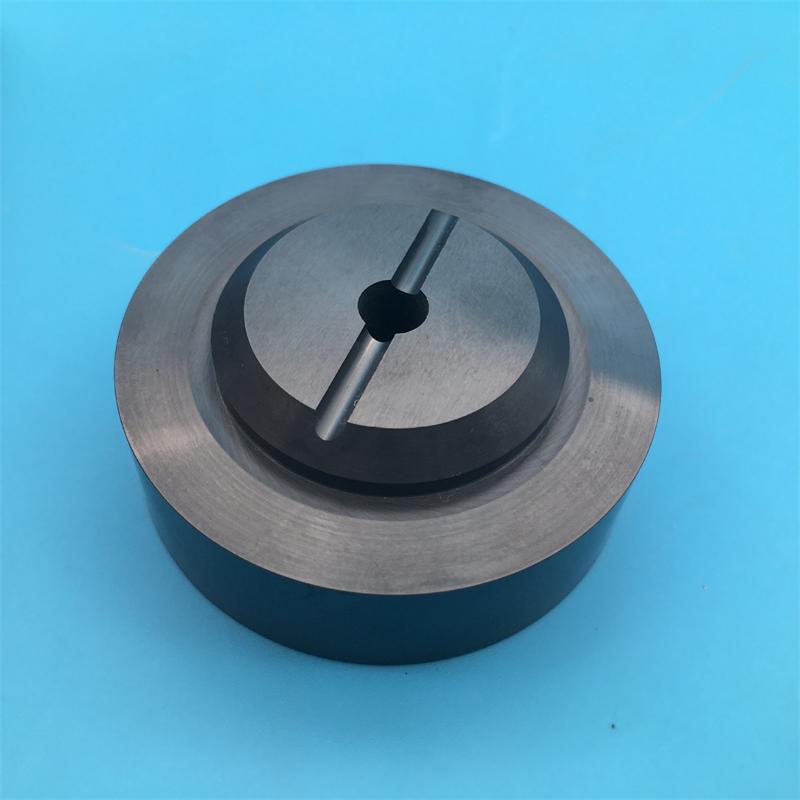
Sourcing precision components often requires tailored solutions. A reliable OEM supplier or factory can provide custom parts based on specific engineering drawings. Custom manufacturing options include varying ball diameters, achieving specific tolerance grades (e.g., G3, G5, G10), and applying specialized surface finishes. Advanced factories utilize hot isostatic pressing (HIP) and precision lapping to ensure that custom-manufactured silicon nitride components meet exact mechanical and geometric specifications.
How To Choose The Right Supplier
Selecting a dependable supplier is critical for ensuring component reliability. When evaluating a potential partner, consider the following:
Technical Expertise: Ensure the supplier understands the mechanical properties and application requirements of silicon nitride.
Manufacturing Capabilities: Verify their factory’s ability to produce high-precision custom parts with consistent quality control.
Material Traceability: A professional manufacturer should provide full documentation regarding raw materials and processing parameters.
Industry Experience: Look for a supplier with a proven track record in supplying precision components to the semiconductor, automotive, or medical industries.
Silicon nitride ceramic is uniquely suited for high-speed bearings due to its low density, high rigidity, thermal stability, and electrical insulation. Whether upgrading industrial equipment or developing next-generation automotive systems, selecting precision-engineered Si3N4 components from a reliable manufacturer is a strategic investment in long-term operational efficiency.
Frequently Asked Questions (FAQ)
What temperature can Silicon Nitride withstand?
Silicon nitride retains its mechanical strength and hardness at extreme temperatures, often operating reliably in continuous environments up to 800°C, and can withstand peak temperatures even higher without significant degradation.
Why is Silicon Nitride preferred over Zirconia for high-speed bearings?
Silicon nitride has a lower density and higher thermal conductivity than Zirconia. This allows it to dissipate heat more effectively and generate less centrifugal force at high RPMs, making it superior for high-speed applications.
How does electrical insulation benefit automotive and industrial bearings?
In applications like EV motors and variable frequency drives, stray currents can cause electrical erosion (fluting) in steel bearings. Silicon nitride’s electrical insulation completely blocks this current path, preventing premature bearing failure.
How do I choose a ceramic component supplier?
Evaluate suppliers based on their manufacturing capabilities (e.g., HIP sintering, precision grinding), material traceability, technical support, and experience in your specific industry (such as semiconductor or medical). Always request material test certificates and tolerance guarantees.
 What Is Polyimide (PI)
What Is Polyphenylene Sulfide (PPS)
What Is Polyimide (PI)
What Is Polyphenylene Sulfide (PPS)
 What is PEEK-for Engineers and Buyers
 Application Scope of Zirconia Ceramic Structural Components