
How Good Are The Self-Lubricating Properties Of Silicon Nitride Ceramics
Silicon nitride (Si₃N₄) is a high-performance advanced structural ceramic renowned for its exceptional mechanical and thermal properties. Among its most valuable characteristics is its inherent self-lubricating capability, which makes it highly reliable in extreme environments where traditional lubricants fail. For engineers and procurement professionals, understanding the self-lubricating properties of silicon nitride is crucial when sourcing precision components for demanding applications.
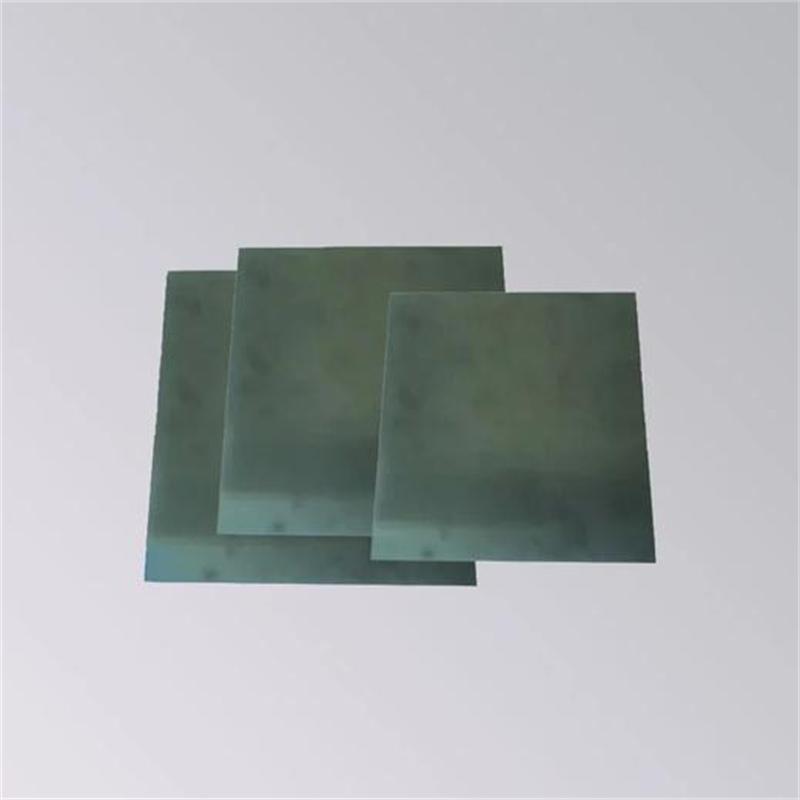
What Is Silicon Nitride Ceramic Self-Lubrication?
Silicon nitride is a synthetic engineering ceramic formed by the covalent bonding of silicon and nitrogen. Its self-lubricating mechanism primarily relies on the formation of a thin, low-shear-strength silicon dioxide (SiO₂) film on the surface during friction. This naturally generated oxide layer acts as a solid lubricant, effectively reducing the friction coefficient to between 0.1 and 0.2. This unique property allows silicon nitride to operate smoothly in high-temperature, vacuum, or corrosive environments without the need for external oils or greases, ensuring zero-maintenance operation for industrial equipment.
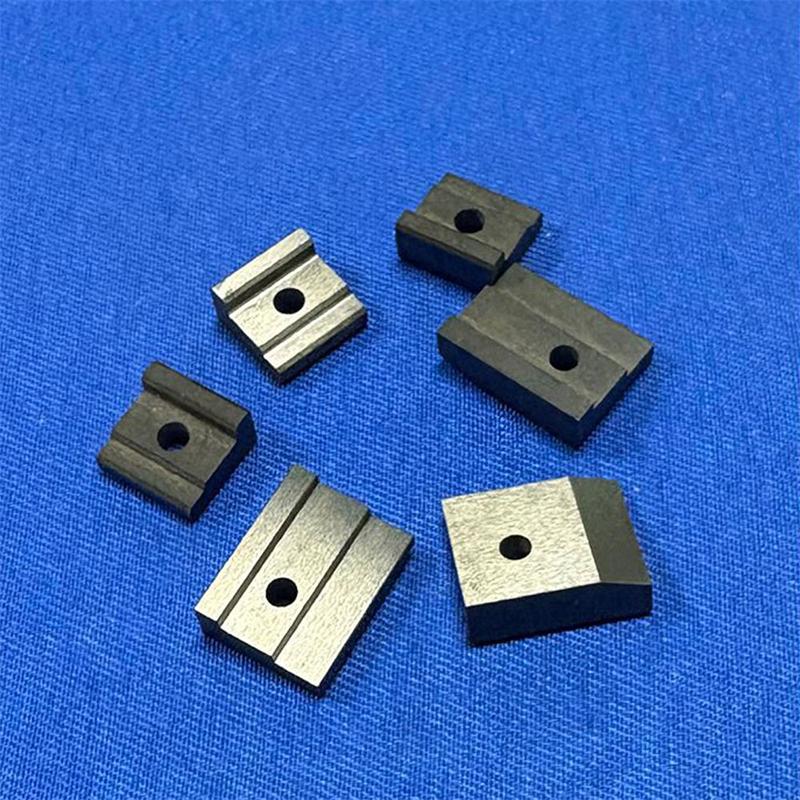
Key Properties Of Silicon Nitride Ceramics
The self-lubricating feature is just one aspect of silicon nitride’s overall performance. It is widely selected by manufacturers due to a balanced set of high-performance traits:
Mechanical Properties: It exhibits high strength (800–1000 MPa) and outstanding fracture toughness (6–8 MPa·m¹/²), significantly surpassing alumina and offering better impact resistance than silicon carbide.
High Temperature Resistance: It maintains its strength and self-lubricating film stability at temperatures up to 1200°C in air and over 1400°C in inert atmospheres.
Wear Resistance: The combination of high hardness (15–20 GPa) and self-lubrication results in exceptionally low wear rates, extending component lifespan by 3 to 5 times compared to metal parts.
Thermal Conductivity & Shock Resistance: With a thermal conductivity of 15–30 W/m·K and a low thermal expansion coefficient (3.2×10⁻⁶/℃), it withstands severe thermal cycling without cracking.
Corrosion Resistance & Electrical Insulation: It is chemically inert against most acids, alkalis, and molten metals, while providing excellent electrical insulation (volume resistivity >10¹⁴ Ω·cm).
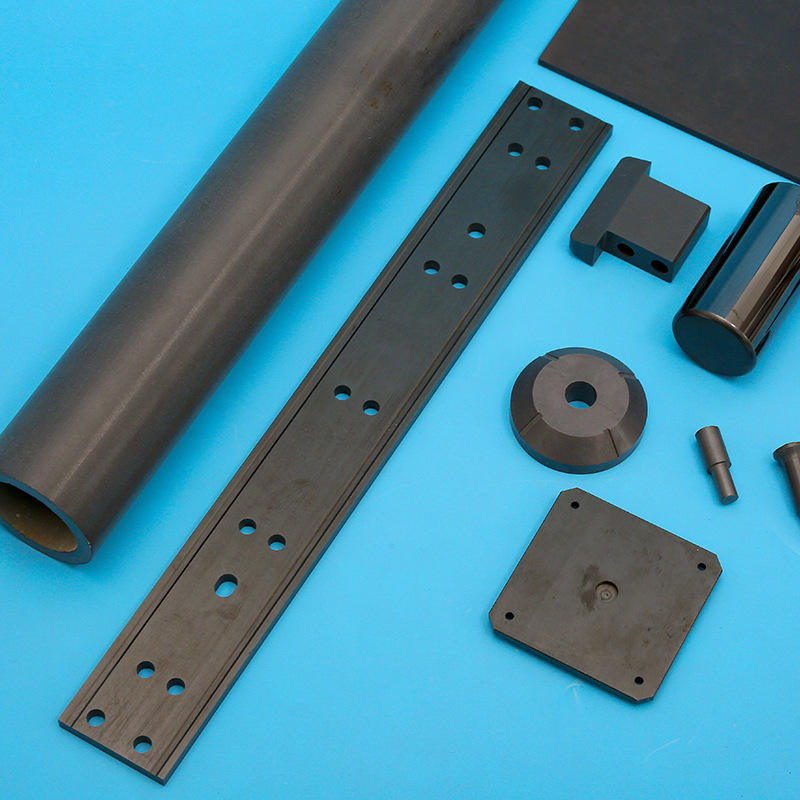
Typical Applications
The industry-proven reliability of silicon nitride makes it an ideal choice for precision components across various sectors:
Automotive: Ceramic balls in hybrid bearings for electric vehicles (EVs), reducing friction, lowering energy consumption, and preventing electrical erosion.
Semiconductor & Electronics: Plasma reactor inner walls and insulating substrates where self-lubrication prevents particle generation and ensures high-purity processing.
Energy: Gas turbine seal rings and bearings that operate reliably for over 10,000 hours under frequent start-stop conditions.
Industrial Equipment & Medical: High-wear mechanical seals, cutting tools, and biocompatible orthopedic implants requiring long-term durability and low friction.
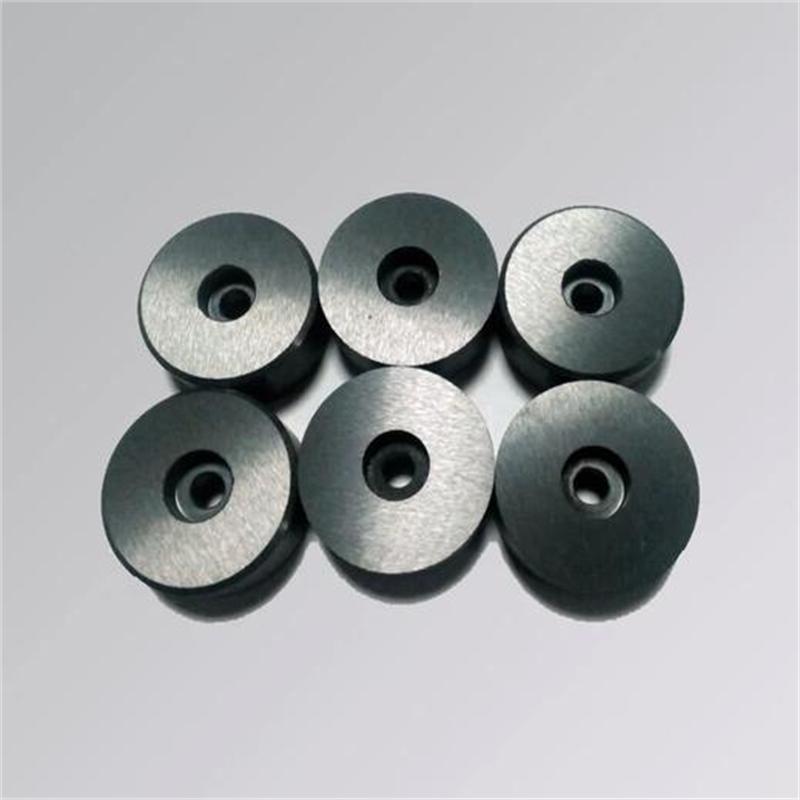
Advantages Compared With Other Ceramic Materials
When evaluating materials, silicon nitride offers distinct advantages:
Vs. Alumina: Silicon nitride provides 3-4 times higher thermal conductivity and significantly better fracture toughness, making it far superior for high-stress and thermal-shock environments.
Vs. Zirconia: While zirconia has higher room-temperature toughness, silicon nitride retains its mechanical integrity and self-lubricating properties at much higher temperatures (up to 1200°C vs. zirconia’s ~800°C limit).
Vs. Silicon Carbide: Silicon nitride offers better fracture toughness and thermal shock resistance, alongside a more stable self-lubricating oxide film.
Custom Manufacturing Options
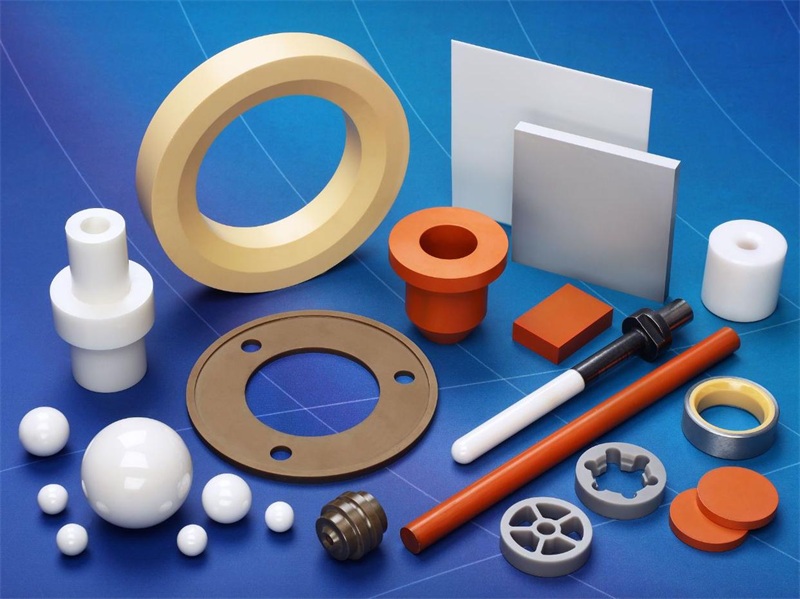
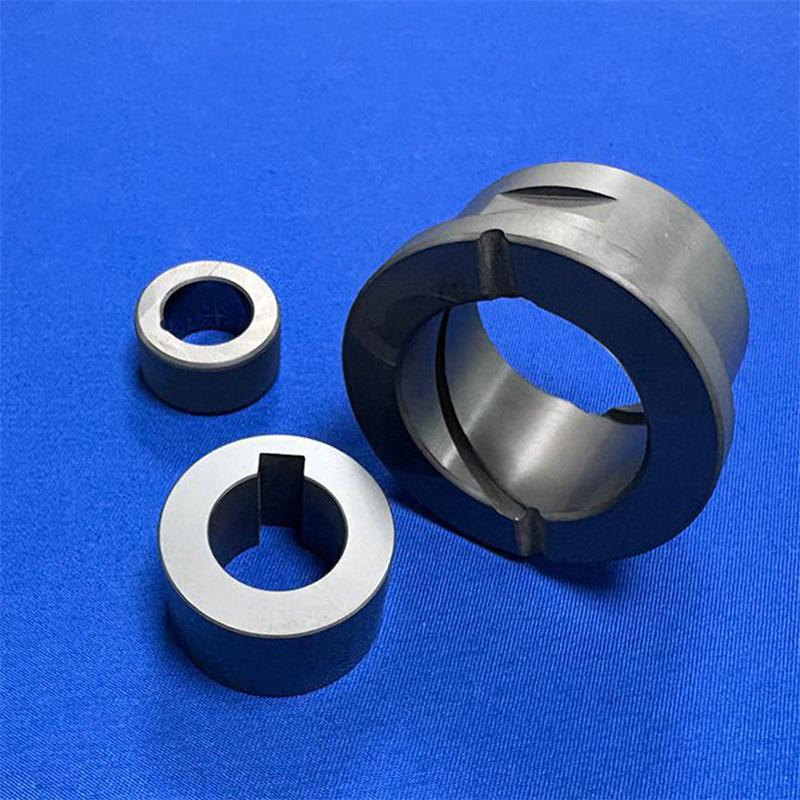
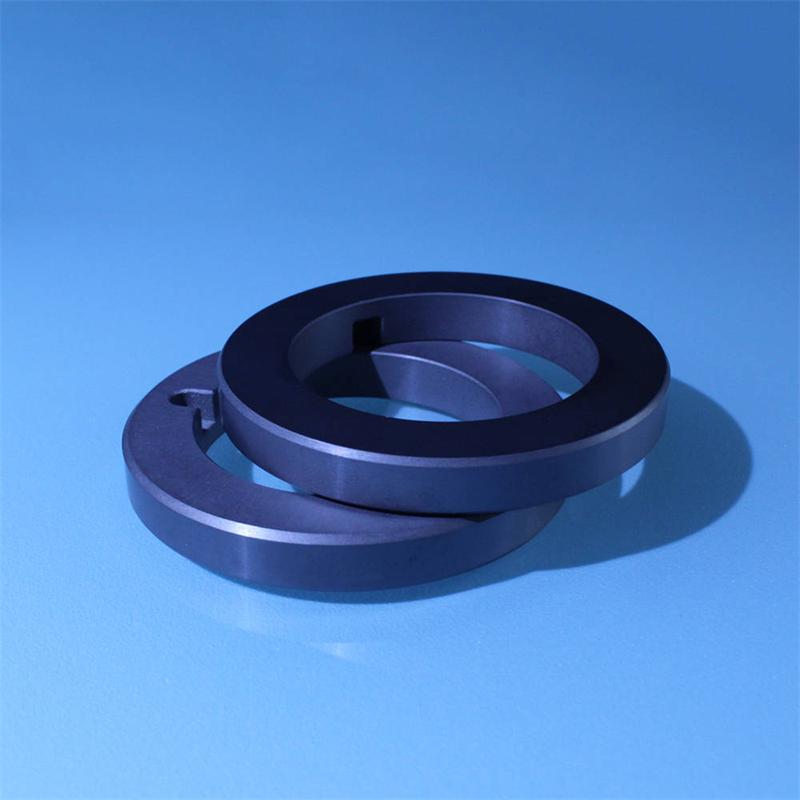
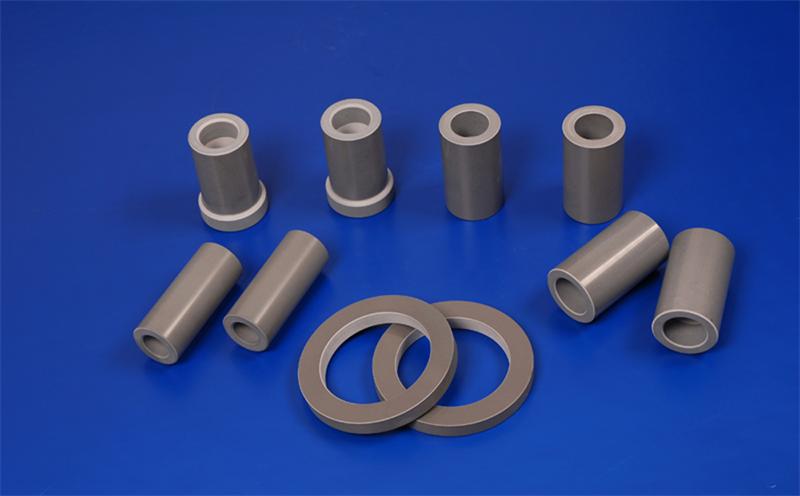
Sourcing custom parts requires a factory with advanced processing capabilities. Due to the material’s high hardness, precision components demand specialized diamond grinding and polishing to achieve tight tolerances and smooth surface finishes (Ra < 0.4 μm). Reliable OEM suppliers utilize gas pressure sintering (GPSN) to produce near-net shapes with uniform microstructures, ensuring consistent mechanical properties. Whether you require standard ceramic balls, complex bearing races, or specialized reactor linings, custom manufacturing ensures the exact specifications needed for your application.
Selecting a reliable supplier is critical for high-performance ceramic applications. Procurement professionals should evaluate:
Manufacturing Capabilities: Ensure the supplier has in-house sintering and precision machining facilities.
Quality Control: Look for factories that provide comprehensive material test reports, including density, hardness, and fracture toughness data.
Application Experience: Choose a manufacturer with a proven track record in your specific industry, whether semiconductor, automotive, or energy.
Customization Flexibility: Verify their ability to handle OEM requests and complex geometries with high dimensional accuracy.
The self-lubricating properties of silicon nitride ceramics, combined with their superior mechanical and thermal characteristics, make them an indispensable material for extreme-environment applications. By partnering with an experienced manufacturer and understanding the precise technical requirements, engineers and buyers can successfully integrate these reliable precision components into their most critical systems.
Frequently Asked Questions (FAQ)
How does silicon nitride achieve self-lubrication without oil?
During friction, the surface of silicon nitride undergoes mild oxidation to form a thin silicon dioxide (SiO₂) film. This film has low shear strength and acts as a solid lubricant, maintaining a low friction coefficient even in vacuum or high-temperature conditions.
What is the maximum operating temperature for silicon nitride ceramics?
Silicon nitride can operate continuously at temperatures up to 1200°C in air and up to 1400°C–1600°C in inert atmospheres, maintaining its strength and self-lubricating properties without degrading.
Why is silicon nitride preferred over alumina for bearings?
Silicon nitride has a fracture toughness of 6–8 MPa·m¹/², which is significantly higher than alumina’s 2–3 MPa·m¹/². This makes it much more resistant to impact, fatigue, and thermal shock, ensuring longer service life in high-speed bearings.
What should I consider when ordering custom silicon nitride parts?
Key considerations include the required dimensional tolerances, surface roughness, and specific mechanical properties. It is essential to work with a supplier experienced in diamond machining and gas pressure sintering to achieve the necessary precision and material integrity.
 What Is Polyimide (PI)
What Is Polyphenylene Sulfide (PPS)
What Is Polyimide (PI)
What Is Polyphenylene Sulfide (PPS)
 What is PEEK-for Engineers and Buyers
 Application Scope of Zirconia Ceramic Structural Components