
Alumina vs Zirconia Ceramic
Selecting the right advanced ceramic is critical for engineering success. Alumina and zirconia ceramics are two of the most widely used structural materials, yet they serve fundamentally different purposes. Alumina excels in electrical insulation, high-temperature stability, and cost-efficiency. Zirconia, often called “ceramic steel,” offers superior fracture toughness and mechanical strength. For procurement and design engineers, understanding the precise differences in density, hardness, and thermal properties is essential. This guide provides a technical comparison to help you choose the optimal material for demanding industrial applications.

What is Alumina vs Zirconia Ceramic?
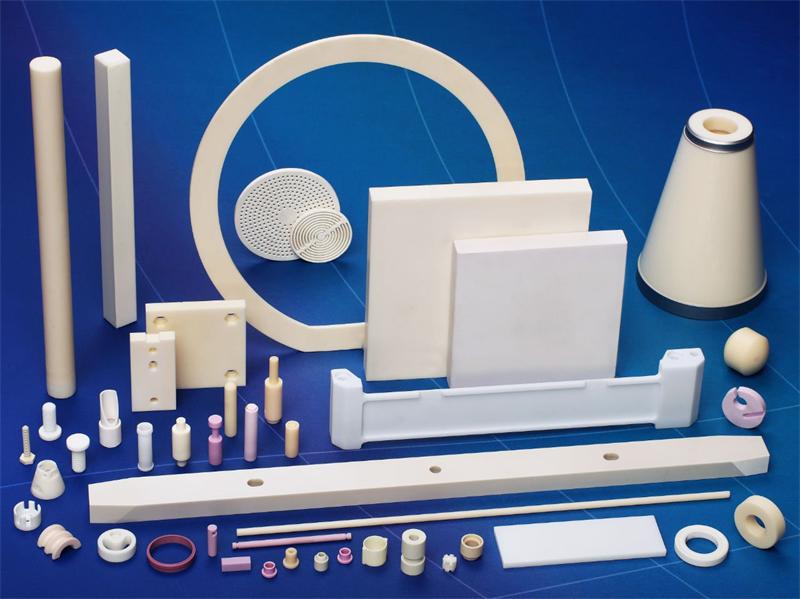
Alumina (Al₂O₃) and zirconia (ZrO₂) are both oxide ceramics but differ significantly in composition and behavior. Alumina is primarily valued for its high purity, excellent dielectric properties, and resistance to extreme heat. Zirconia is stabilized with oxides like yttria (Y-TZP) to prevent phase transformation cracking, resulting in exceptional toughness and flexural strength. While alumina is the go-to for electrical substrates and furnace linings, zirconia is preferred for dynamic mechanical parts requiring high impact resistance and wear tolerance.
Key Features
Alumina Ceramics:
High-Temperature Resistance: Maintains structural integrity up to 1650°C.
Electrical Insulation: Offers high dielectric strength and low loss.
Chemical Inertness: Resists corrosion from most acids and alkalis.
Cost-Effectiveness: Generally more economical to manufacture.
Zirconia Ceramics:
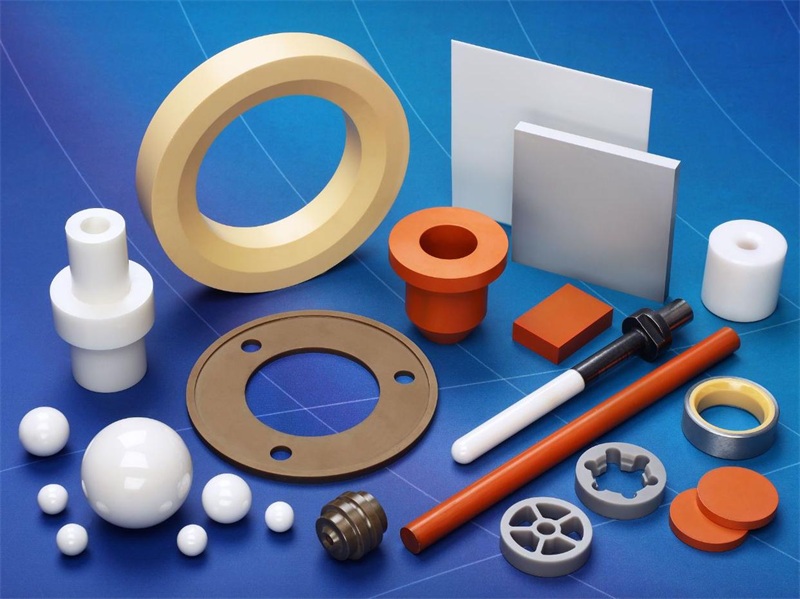
Exceptional Toughness: Features transformation toughening, resisting crack propagation.
High Flexural Strength: Capable of withstanding severe mechanical stress.
Superior Wear Resistance: Ideal for dynamic friction applications.
Thermal Barrier: Low thermal conductivity provides excellent insulation.
Typical Applications
Medical: Alumina for bio-inert joint implants; zirconia for dental crowns and high-toughness orthopedic components.
Semiconductor: Alumina for wafer handling and insulating fixtures; zirconia for precision mechanical bearings.
Automotive: Alumina for spark plugs and oxygen sensors; zirconia for valve guides and turbocharger components.
Industrial Machinery: Alumina for furnace tubes and wear plates; zirconia for cutting tools, pump seals, and textile guides.
Electronics: Alumina for integrated circuit substrates and thermal management.
Frequently Asked Questions(FAQ)
What is the main difference between alumina and zirconia?
Alumina offers better thermal and electrical insulation at higher temperatures, while zirconia provides significantly higher mechanical strength, toughness, and wear resistance.
How to choose between alumina and zirconia ceramic?
Choose alumina for static, high-temperature, or electrically insulating applications. Select zirconia when the component will face mechanical shock, high stress, or dynamic friction.
Is zirconia stronger than alumina?
Yes. Zirconia has a flexural strength nearly three times higher than alumina and superior fracture toughness due to its phase transformation mechanism.
Can zirconia be used in high-temperature furnaces?
For continuous high-temperature exposure above 850°C, alumina is generally preferred. Zirconia may experience low-temperature degradation or phase instability over extended periods at extreme heat.
Why choose alumina for electronics?
Alumina provides an ideal balance of high electrical resistivity, thermal conductivity, and cost-efficiency, making it the industry standard for circuit substrates.
When should you use zirconia in medical devices?
Zirconia is ideal for dental restorations and orthopedic implants where high fracture toughness and aesthetic translucency are required, though alumina remains preferred for certain low-wear bearing surfaces.
What are the cost differences between these ceramics?
Alumina is typically less expensive due to abundant raw materials and simpler processing. Zirconia requires more complex stabilization and sintering, resulting in higher costs.
Best material for high-wear mechanical parts?
Zirconia is the superior choice for high-wear, high-impact mechanical components due to its exceptional toughness and wear resistance compared to alumina.
 What Is Polyimide (PI)
What Is Polyphenylene Sulfide (PPS)
What Is Polyimide (PI)
What Is Polyphenylene Sulfide (PPS)
 What is PEEK-for Engineers and Buyers
 Application Scope of Zirconia Ceramic Structural Components