
Why SiC Ceramic Withstands 1400°C
Silicon Carbide (SiC) ceramic is an advanced engineering material widely used in extreme environments. Its ability to maintain structural integrity at temperatures exceeding 1400°C makes it indispensable for aerospace, semiconductor, and industrial furnace applications. Unlike traditional metals that soften or oxidize under extreme heat, SiC retains its strength and resists thermal shock. For procurement and design engineers, understanding the metallurgical and structural reasons behind this high-temperature resilience is critical for proper material selection. This guide explores the science, properties, and practical applications of SiC ceramic to help you make informed engineering and purchasing decisions.
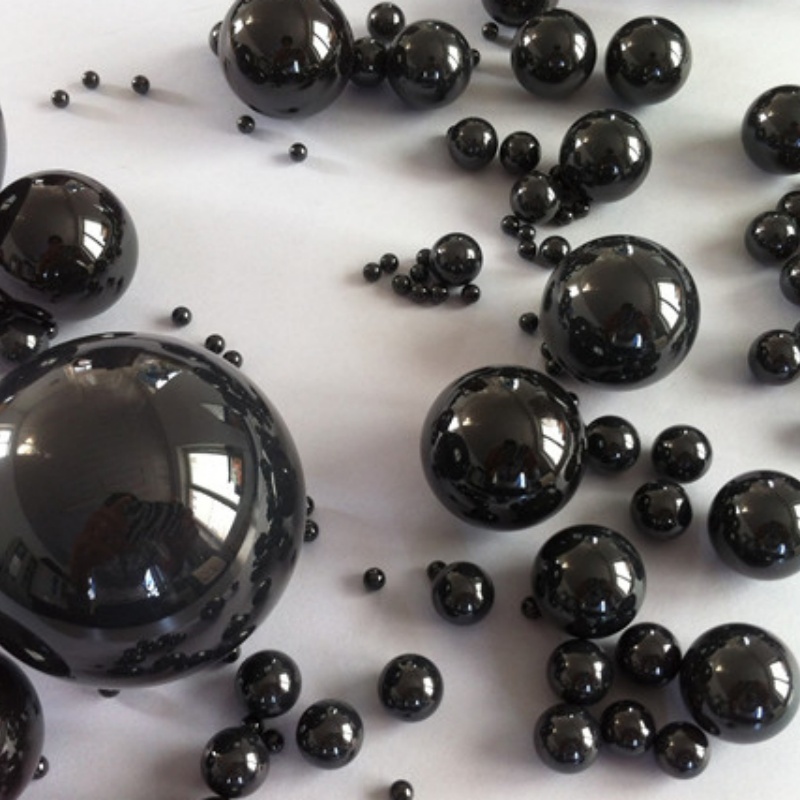
What is Silicon Carbide (SiC) Ceramic?
Silicon Carbide is a synthetic compound composed of silicon and carbon atoms bonded together by strong covalent bonds. This unique atomic structure, where the Si-C bond has an ionic character of only about 12%, provides exceptional bond strength. The primary advantage of SiC is its high-temperature stability, retaining up to 80% of its room-temperature strength even at 1600°C. Additionally, it offers high thermal conductivity, low thermal expansion, and excellent chemical inertness, making it a superior alternative to metals and standard ceramics in severe operating conditions.
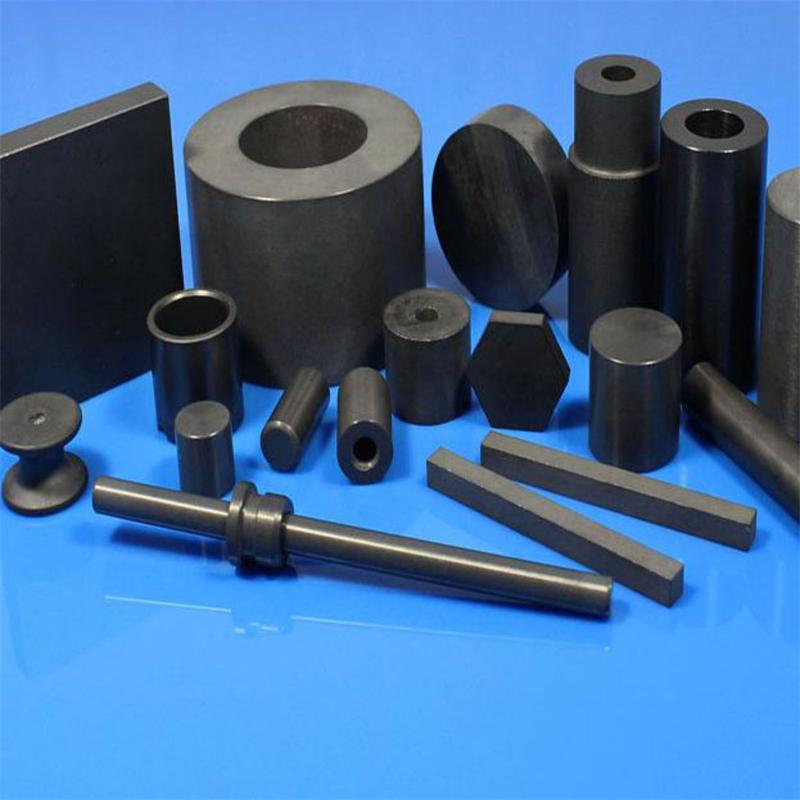
Key Features of SiC Ceramic
High-Temperature Strength: SiC maintains high flexural strength (often 500–600 MPa) at 1400°C, whereas many metals and ceramics experience severe degradation above 1200°C.
Oxidation Resistance: At temperatures above 700°C in oxidizing atmospheres, SiC forms a dense, self-healing SiO₂ surface film that prevents further internal degradation.
Thermal Shock Resistance: The combination of high thermal conductivity (120–200 W/m·K) and a low coefficient of thermal expansion (~4.0–4.5 × 10⁻⁶/K) allows it to withstand rapid heating and cooling cycles without cracking.
High Hardness & Wear Resistance: With a Mohs hardness of 9.0–9.5, it provides outstanding resistance to abrasive wear and mechanical stress.
Creep Resistance: The strong covalent bonding prevents atomic sliding at high temperatures, ensuring dimensional stability under continuous mechanical load.
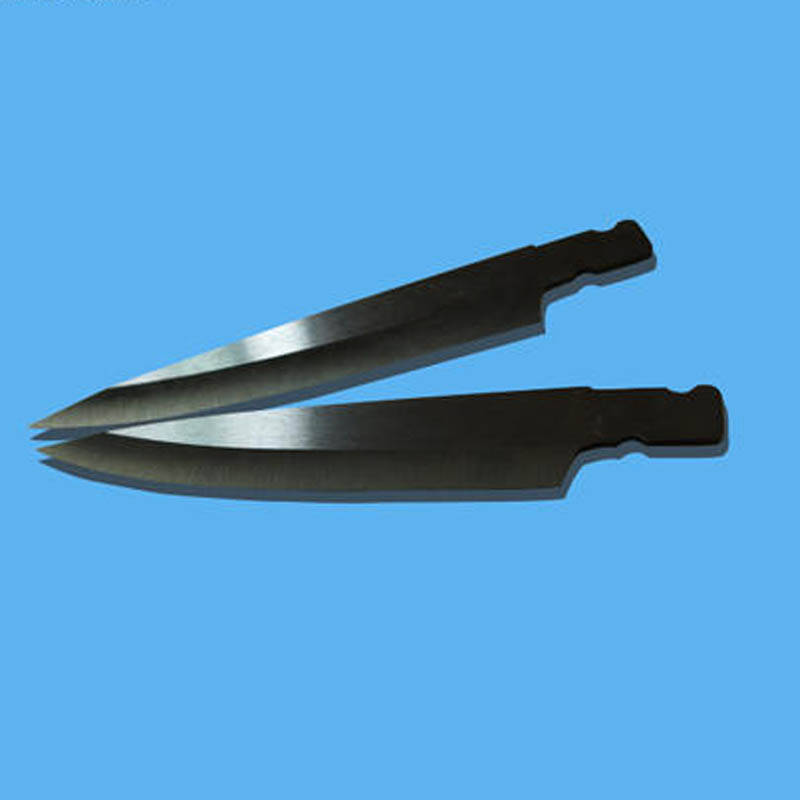
Typical Applications
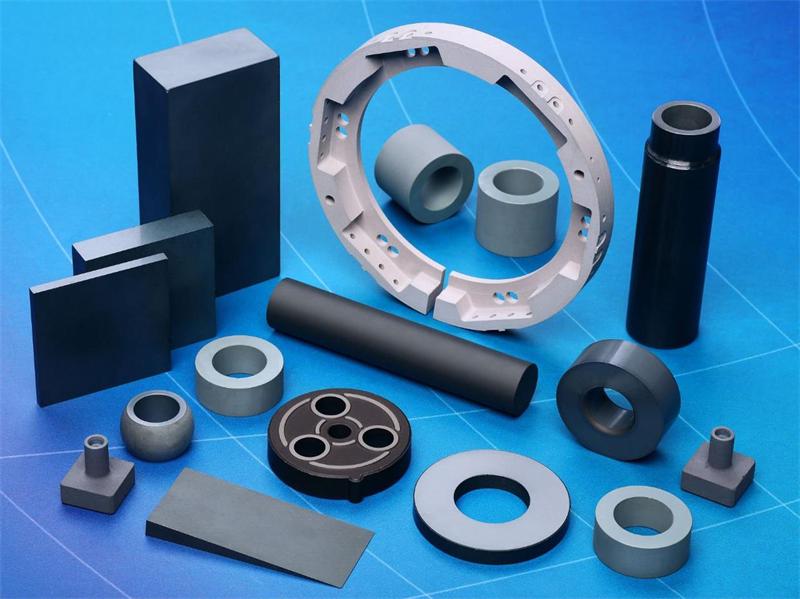
Semiconductor: Wafer processing boats, crucibles, and epitaxial susceptor plates requiring ultra-high purity and thermal stability.
Industrial Furnace: Radiant tubes, heating elements (silicon carbide rods), and kiln furniture that endure continuous thermal cycling.
Aerospace & Gas Turbine: High-temperature structural components, turbine blades, and rocket nozzles operating above 1200°C.
Power Generation: Heat exchangers and nuclear fuel cladding materials that require corrosion resistance and radiation stability.
Automotive: Substrates and components for advanced catalytic converters and high-performance braking systems.
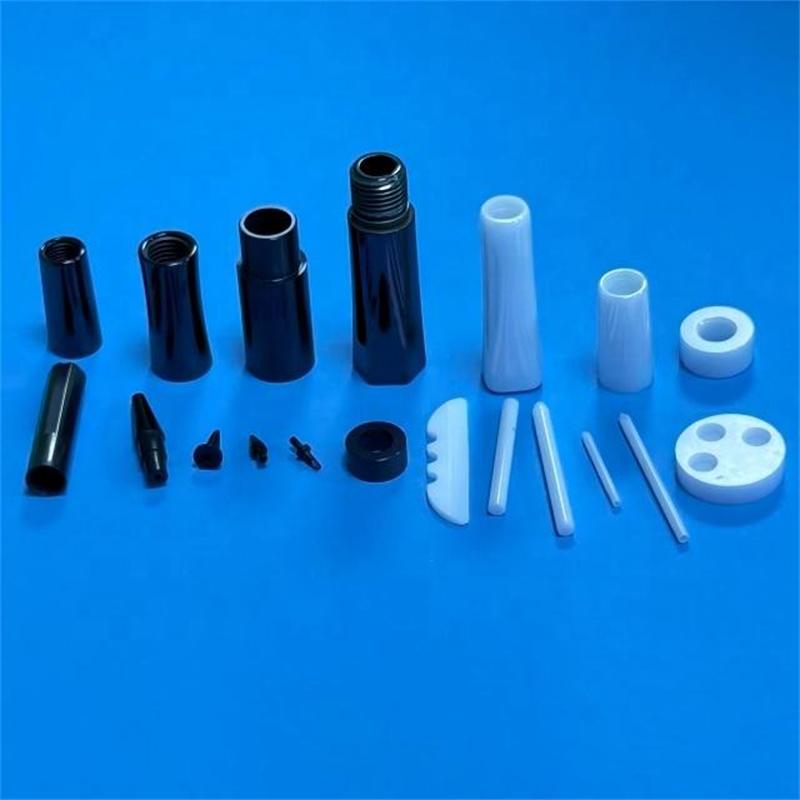
Material Specifications
Chemical Composition: >99% SiC (high-purity grades available)
Density: 3.10 – 3.18 g/cm³
Hardness: HRA 92–94 / HV 22–28 GPa
Flexural Strength: 400 – 600 MPa (at room temperature)
Elastic Modulus: 380 – 440 GPa
Thermal Conductivity: 120 – 200 W/(m·K)
Max Working Temperature: Up to 1650°C (in inert/vacuum); ~1400°C–1600°C (in oxidizing environments)
Frequently Asked Questions(FAQ)
Why can SiC ceramic withstand 1400°C without melting?
SiC has an extremely high decomposition temperature of over 2700°C. Its strong covalent bonds require massive energy to break, preventing the atomic lattice from collapsing into a liquid state at 1400°C.
What is the difference between SiC and Alumina for high-heat applications?
SiC has significantly higher thermal conductivity and better thermal shock resistance than Alumina. While Alumina is an excellent insulator, SiC is preferred when rapid heat dissipation and resistance to thermal cycling are required.
Does SiC oxidize at 1400°C?
SiC does oxidize in air at high temperatures, but it forms a protective, dense SiO₂ layer that halts further oxidation. This self-healing mechanism makes it highly reliable up to 1400°C–1600°C.
How to choose the right sintering process for SiC?
For high-purity and superior high-temperature performance, choose pressureless sintering or hot pressing. Reaction-bonded SiC is cheaper but contains free silicon, which limits its maximum continuous use temperature to around 1350°C.
Can SiC ceramic be machined to tight tolerances?
Yes, but due to its extreme hardness, it requires diamond tooling. CNC grinding can achieve tolerances of ±0.01 mm and surface finishes of Ra <0.2 μm, though post-sintering machining increases costs.
When should you use SiC instead of superalloys like Inconel?
Choose SiC when operating temperatures exceed the safe limits of superalloys (typically >1100°C), or when weight reduction (SiC is 1/3 the density of steel) and extreme corrosion resistance are critical.
 What Is Polyimide (PI)
What Is Polyphenylene Sulfide (PPS)
What Is Polyimide (PI)
What Is Polyphenylene Sulfide (PPS)
 What is PEEK-for Engineers and Buyers
 Application Scope of Zirconia Ceramic Structural Components