
Silicon Nitride: High Strength & Toughness
Silicon nitride (Si3N4) is an advanced engineering ceramic renowned for its unique combination of high strength, exceptional fracture toughness, and outstanding thermal shock resistance. Unlike traditional ceramics that are brittle, Si3N4 features an interlocking microstructure of elongated grains that provide high impact resistance and reliability. This material is critical for engineers and procurement specialists designing components for extreme environments. It is widely utilized in high-performance automotive, aerospace, industrial machinery, and semiconductor industries where metals fail under severe thermal and mechanical stress.
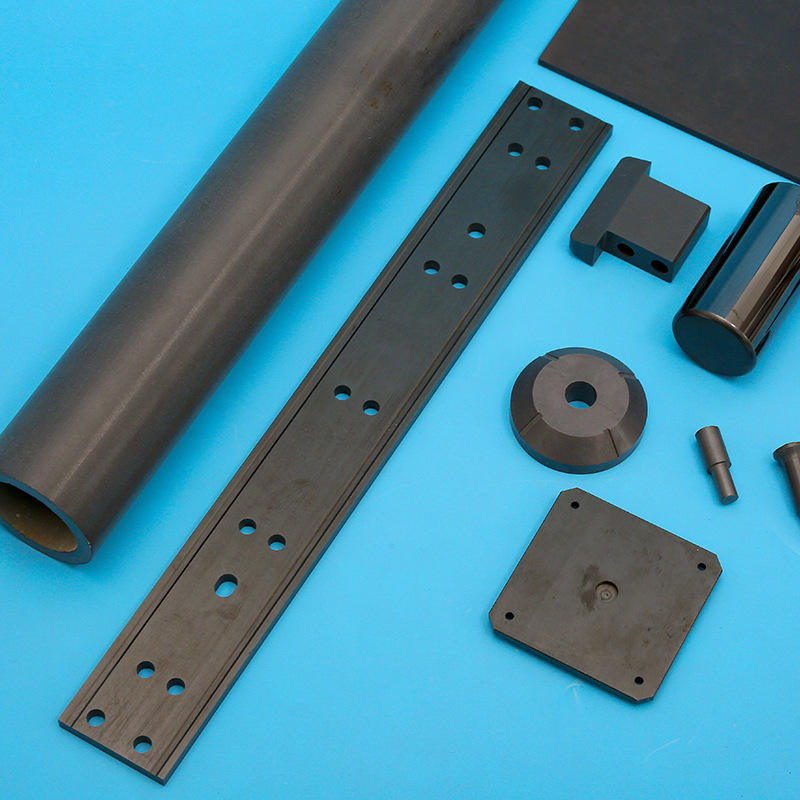
What is Silicon Nitride?
Silicon nitride is a non-oxide, covalently bonded ceramic compound with the chemical formula Si3N4. Its basic structural unit is the [SiN4] tetrahedron, forming a continuous, highly rigid three-dimensional network. This strong covalent bonding is responsible for its exceptional hardness, chemical inertness, and thermal stability.
The primary advantage of silicon nitride lies in its microstructural design. During sintering, α-Si3N4 transforms into β-Si3N4, creating elongated, fibrous grains that interlock. This microstructure acts similarly to reinforcing fibers in composites, providing crack deflection, crack bridging, and grain pull-out mechanisms. Consequently, Si3N4 achieves a high fracture toughness (up to 7-8 MPa·m^1/2) and bending strength (800-1000 MPa), making it highly resistant to mechanical shock and catastrophic failure.
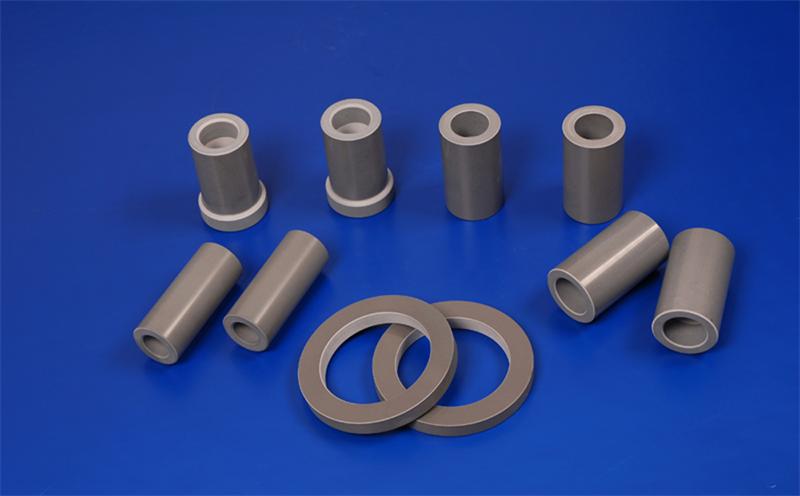
Key Features
When selecting materials for demanding applications, silicon nitride offers several distinct advantages:
High Fracture Toughness: The interlocking grain structure provides excellent resistance to impact and crack propagation, distinguishing it from brittle ceramics like alumina.
Exceptional Thermal Shock Resistance: With a low coefficient of thermal expansion and high thermal conductivity, Si3N4 can withstand rapid temperature changes without cracking, even when quenched from 1000°C to cold water.
High-Temperature Strength: It maintains its mechanical strength at elevated temperatures, operating reliably up to 1200°C in oxidizing atmospheres and up to 1600°C in neutral atmospheres.
Low Density: At approximately 3.2 g/cm³, it is significantly lighter than steel and superalloys, reducing rotational mass in dynamic components.
Wear and Corrosion Resistance: It exhibits high hardness (12-17 GPa) and excellent resistance to wear, as well as corrosion against most inorganic acids and molten metals.
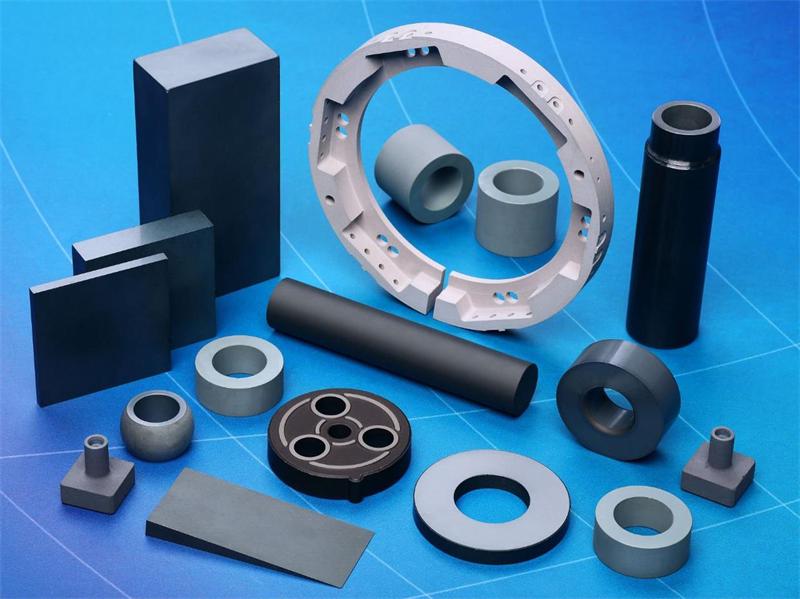
Typical Applications
Due to its structural reliability and thermal properties, silicon nitride is specified across multiple critical sectors:
Automotive: Turbocharger rotors, glow plugs, and hybrid vehicle bearings.
Industrial Machinery: High-speed precision bearings, cutting tools for cast iron, and metal forming dies.
Aerospace & Gas Turbine: High-temperature structural components and engine parts.
Semiconductor: Wafer processing components and high-thermal-conductivity substrates.
Chemical Processing: Pump seals, valves, and thermocouple protection tubes.
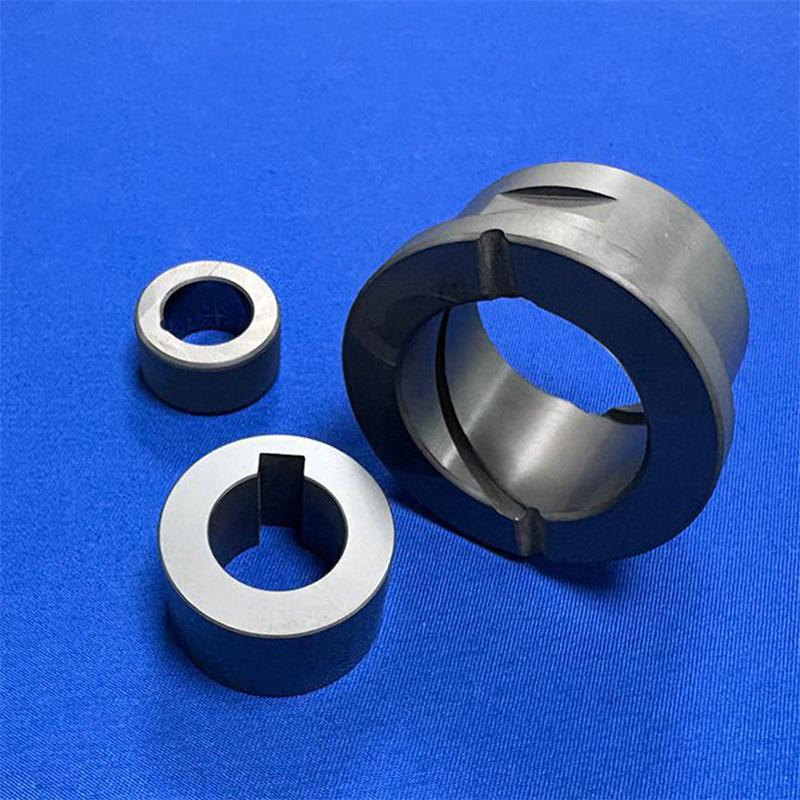
Material Specifications
Chemical Composition: Si3N4 (>90%), with sintering aids (e.g., Y2O3, MgO, Al2O3) typically <10%.
Density: 3.20 – 3.25 g/cm³.
Flexural Strength: 800 – 1000 MPa.
Fracture Toughness: 5.0 – 8.0 MPa·m^1/2.
Vickers Hardness: 12 – 17 GPa.
Max Working Temperature: 1200°C (oxidizing), 1600°C (inert).
Thermal Expansion: ~3.2 x 10^-6 /K.
Frequently Asked Questions(FAQ)
What is silicon nitride used for?
It is primarily used for high-wear, high-temperature, and high-impact components such as precision bearings, cutting tools, turbocharger rotors, and semiconductor processing fixtures.
Silicon nitride vs. zirconia: Which is better?
Zirconia offers higher room-temperature toughness, but silicon nitride is superior for high-temperature applications. Zirconia degrades above 800°C, whereas Si3N4 retains strength up to 1200°C.
Silicon nitride vs. silicon carbide: What is the difference?
Silicon carbide (SiC) is harder and has higher thermal conductivity, but silicon nitride has significantly better fracture toughness and thermal shock resistance, making it less prone to catastrophic brittle failure.
Can silicon nitride be machined?
Yes, but only in the pre-sintered (green) state or using diamond grinding after sintering. It cannot be machined with conventional metal tools post-sintering due to its extreme hardness.
Why choose silicon nitride for bearings?
Its low density reduces centrifugal forces at high speeds, while its high toughness and thermal shock resistance prevent spalling and cracking under heavy loads and poor lubrication conditions.
How to choose the right silicon nitride grade?
Select a grade based on your primary stressor. For high-impact and bearing applications, choose hot-pressed or gas-pressure sintered grades with optimized β-grain elongation. For high-temperature structural parts, prioritize grades with high-temperature creep resistance.
 What Is Polyimide (PI)
What Is Polyphenylene Sulfide (PPS)
What Is Polyimide (PI)
What Is Polyphenylene Sulfide (PPS)
 What is PEEK-for Engineers and Buyers
 Application Scope of Zirconia Ceramic Structural Components