
Why Is Silicon Carbide Ceramic Harder and More Heat Resistant Than Metal
In extreme industrial environments, traditional metals often reach their performance limits. Silicon Carbide (SiC) ceramic has emerged as a superior alternative, offering exceptional mechanical and thermal stability. Understanding why this advanced material outperforms metals is essential for engineers and procurement professionals seeking reliable solutions for demanding applications.
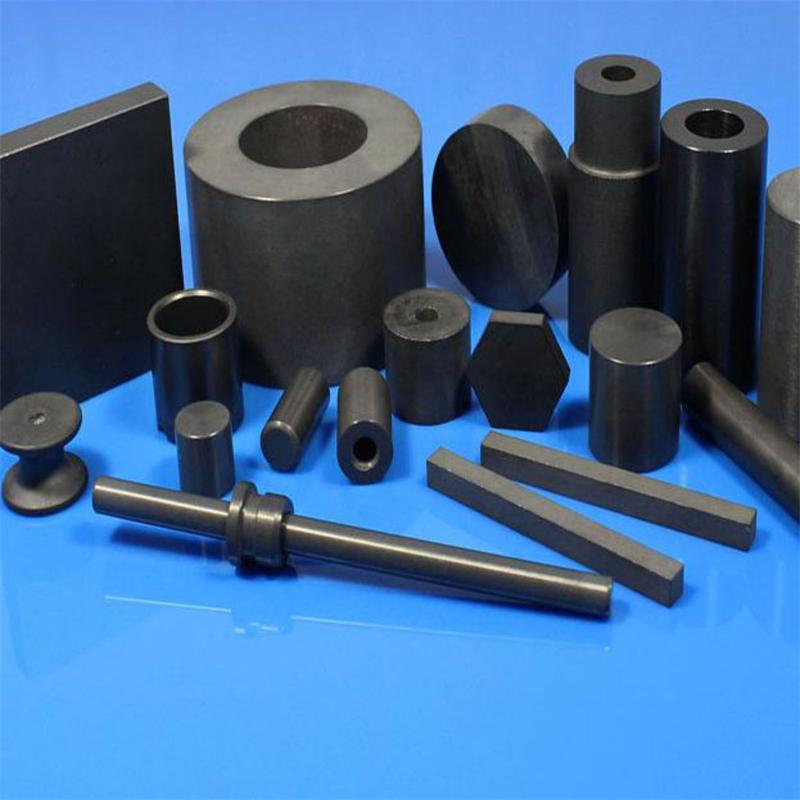
What Is Silicon Carbide Ceramic?
Silicon Carbide ceramic is a high-performance technical ceramic composed of silicon and carbon atoms bonded by strong covalent bonds. Manufactured through advanced sintering processes, it is widely recognized for its structural integrity and thermal resilience. As a preferred choice for precision components, SiC serves as a critical material in industries where standard metals fail under extreme stress, temperature, or chemical exposure.
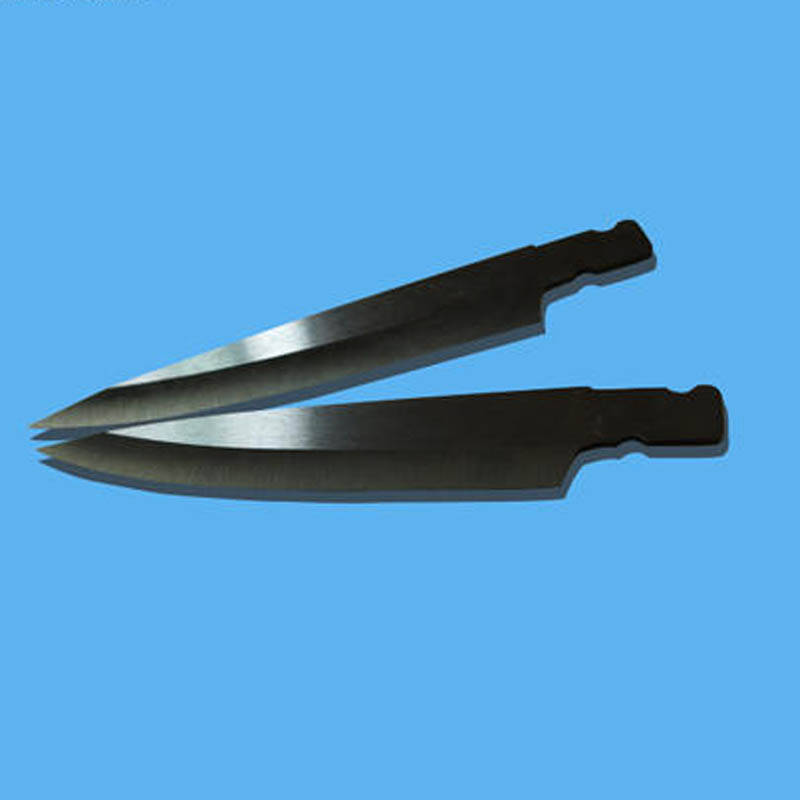
Key Properties Of Silicon Carbide Ceramic
The exceptional performance of SiC stems from its unique atomic structure. Key engineering characteristics include:
High Temperature Resistance: SiC maintains its mechanical strength at temperatures exceeding 1600°C, far surpassing the limits of most metal alloys.
Superior Wear Resistance: With a Mohs hardness of 9.2 to 9.5, it offers outstanding abrasion resistance, making it ideal for high-friction environments.
Excellent Thermal Conductivity: It efficiently dissipates heat, reducing thermal stress and preventing cracking during rapid temperature changes.
Corrosion Resistance: SiC is chemically inert against most strong acids, alkalis, and molten salts.
Electrical Insulation: High-purity SiC provides reliable electrical insulation, crucial for sensitive equipment.
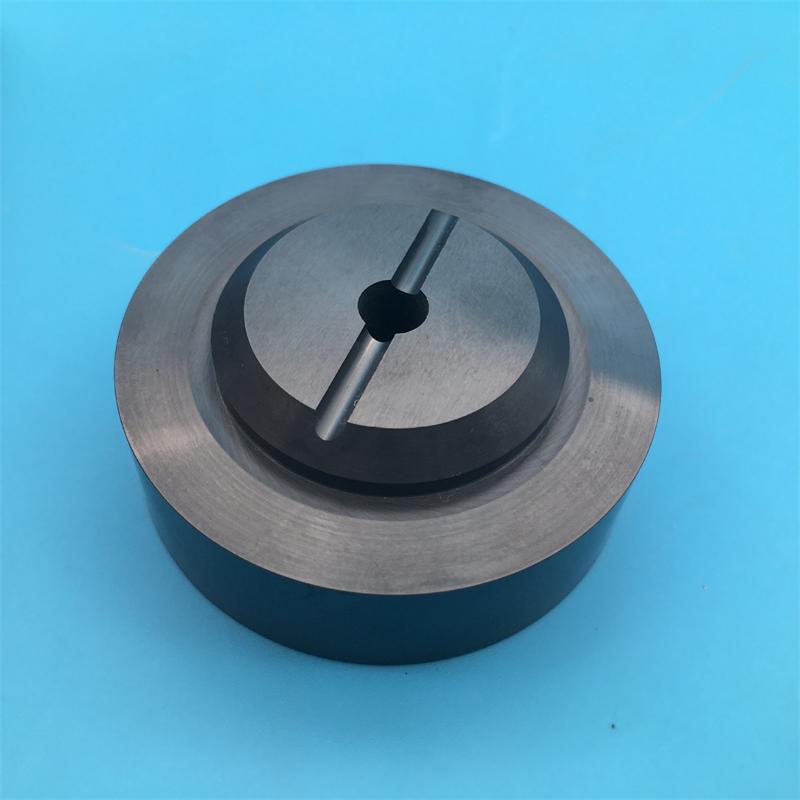
Typical Applications
Due to its robust mechanical properties, SiC is extensively utilized across multiple sectors:
Semiconductor: Wafer processing equipment, heaters, and electrostatic chucks.
Energy: Heat exchangers, burner nozzles, and nuclear fuel cladding.
Automotive: High-performance brake discs and turbocharger components.
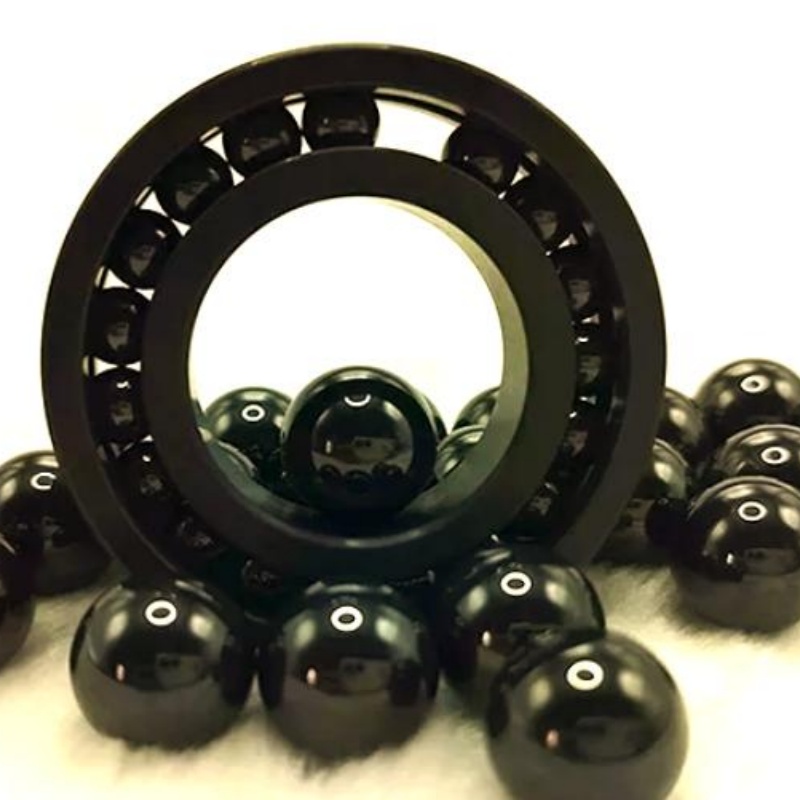
Industrial Equipment: Mechanical seals, bearings, and pump parts for corrosive media.
Medical: Biocompatible implants and surgical instruments.
Electronics: Advanced substrates and thermal management systems.
Advantages Compared With Other Ceramic Materials
While alumina and zirconia are common engineering ceramics, SiC offers distinct advantages. Compared to metals, SiC is significantly lighter (density ~3.1 g/cm³) and retains its hardness at extreme temperatures where metals soften or oxidize. Against other ceramics, SiC provides superior thermal conductivity and higher maximum operating temperatures, making it the optimal choice for severe thermal and mechanical cycling.
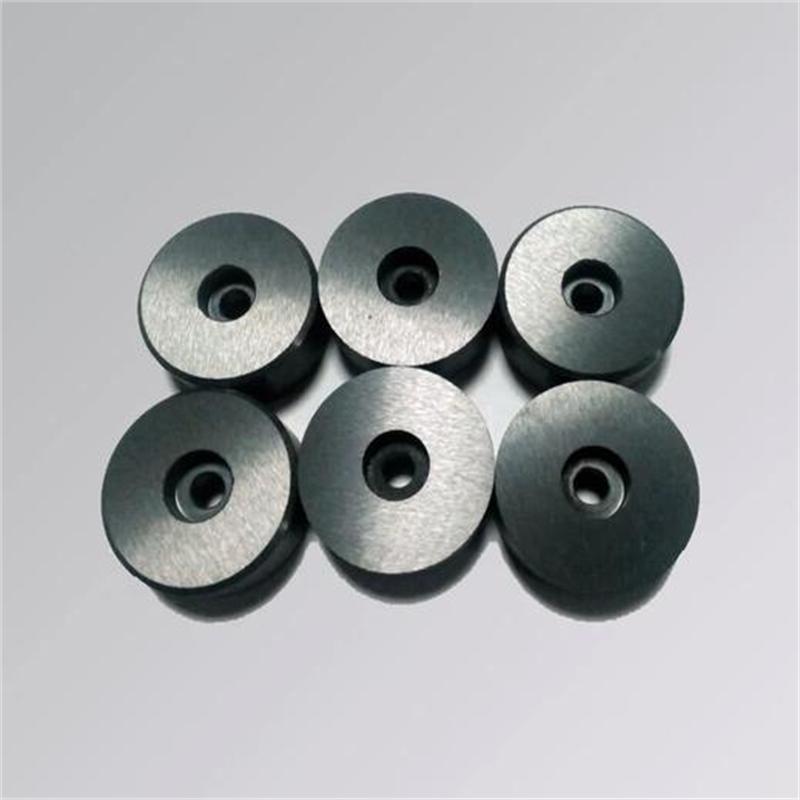
Custom Manufacturing Options
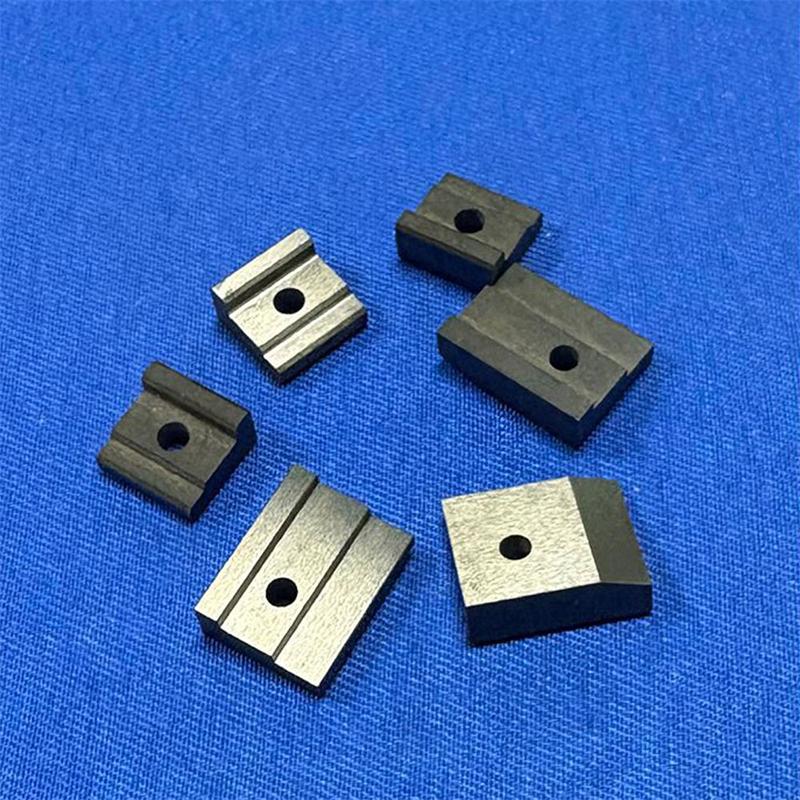
Sourcing custom parts requires a capable manufacturer with advanced machining capabilities. A reliable factory should offer OEM services for precision components, ensuring tight tolerances and specific surface finishes. Custom manufacturing allows engineers to tailor SiC parts to exact specifications, optimizing performance for unique industrial equipment designs.
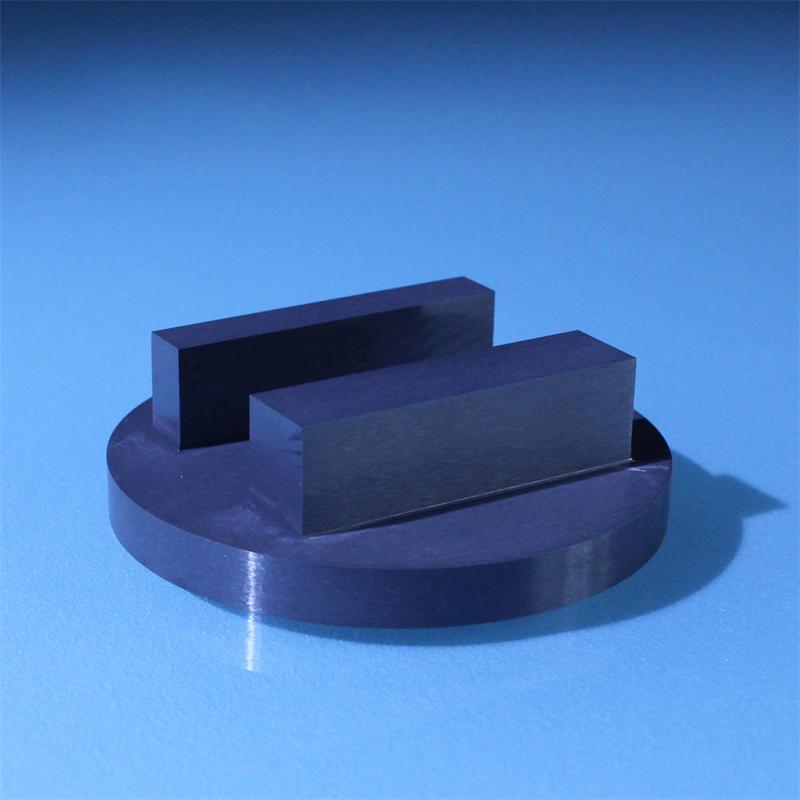
How To Choose The Right Supplier
Selecting a dependable supplier is critical for project success. Evaluate potential partners based on:
Material Expertise: Proven experience in processing high-purity SiC.
Manufacturing Capabilities: Advanced CNC grinding and polishing equipment for tight tolerances.
Quality Assurance: Rigorous testing protocols for mechanical and thermal properties.
Customization Flexibility: Ability to handle complex geometries and OEM requirements.
Industry Proven Track Record: Successful deployments in semiconductor, energy, or automotive sectors.
Silicon Carbide ceramic’s unique combination of hardness, thermal stability, and chemical resistance makes it an indispensable material for modern engineering. By partnering with a reliable manufacturer, industries can leverage custom parts to overcome the limitations of traditional metals, ensuring long-term reliability and performance in the most challenging environments.‘
FAQ
Why is Silicon Carbide preferred over metals in high-temperature applications?
SiC retains its mechanical strength and hardness at temperatures exceeding 1600°C, whereas most metals begin to oxidize, soften, or lose structural integrity well below this threshold.
Can Silicon Carbide ceramic withstand rapid temperature changes?
Yes, due to its high thermal conductivity and low coefficient of thermal expansion, SiC exhibits excellent thermal shock resistance, preventing cracking during rapid heating or cooling cycles.
What are the typical tolerances for custom Silicon Carbide components?
Precision machining can achieve dimensional tolerances as tight as ±0.001 mm, with surface finishes reaching optical-grade mirror polishing, depending on the specific OEM requirements.
How do I verify the quality of a Silicon Carbide supplier?
Request material test certificates, review their manufacturing equipment capabilities, and ask for case studies or references demonstrating successful custom part production in your specific industry.
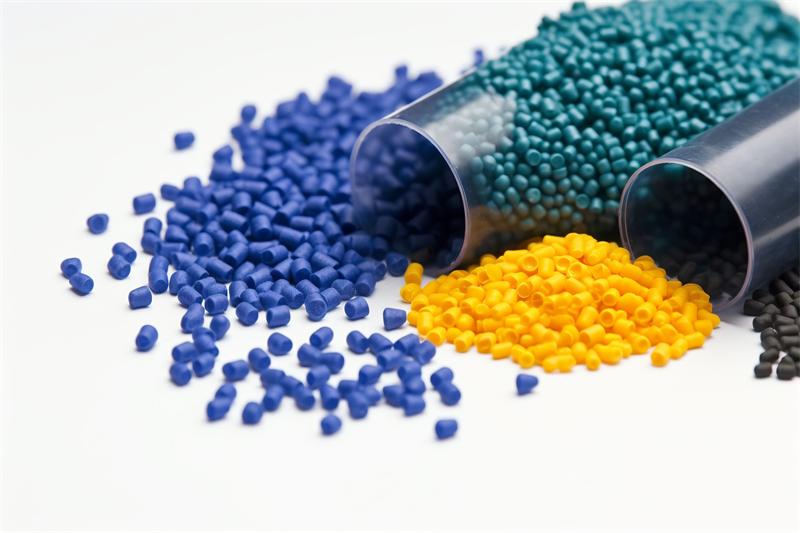 What Is Polyimide (PI)
What Is Polyphenylene Sulfide (PPS)
What Is Polyimide (PI)
What Is Polyphenylene Sulfide (PPS)
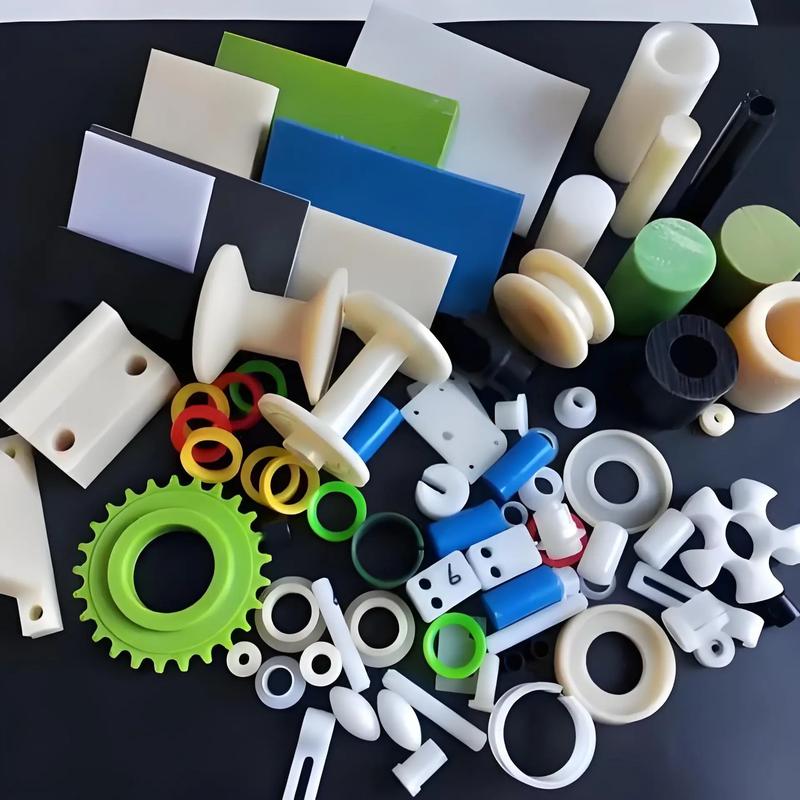 What is PEEK-for Engineers and Buyers
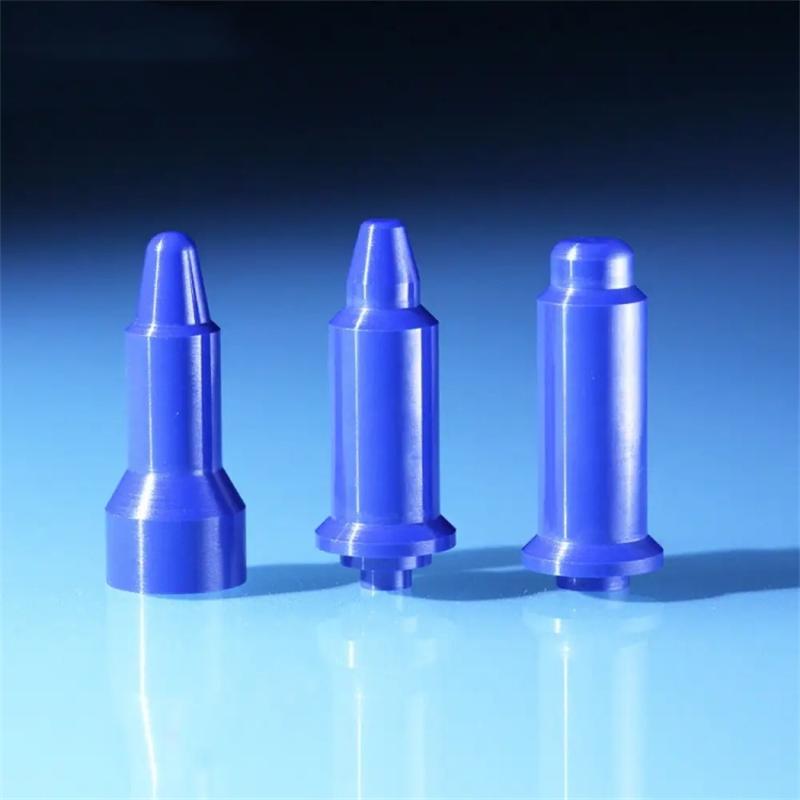 Application Scope of Zirconia Ceramic Structural Components