
Why Is Aluminum Nitride Ceramic Harder and More Heat Resistant Than Metal
In the realm of advanced engineering, traditional metals often reach their limits when exposed to extreme thermal and mechanical stresses. Enter Aluminum Nitride (AlN) ceramic, a high-performance material engineered to surpass these boundaries. For engineers and procurement professionals, understanding why Aluminum Nitride ceramic is harder and more heat-resistant than metal is critical for optimizing designs in demanding environments. This advanced technical ceramic combines exceptional thermal management with robust mechanical strength, making it an indispensable material for modern high-tech industries.
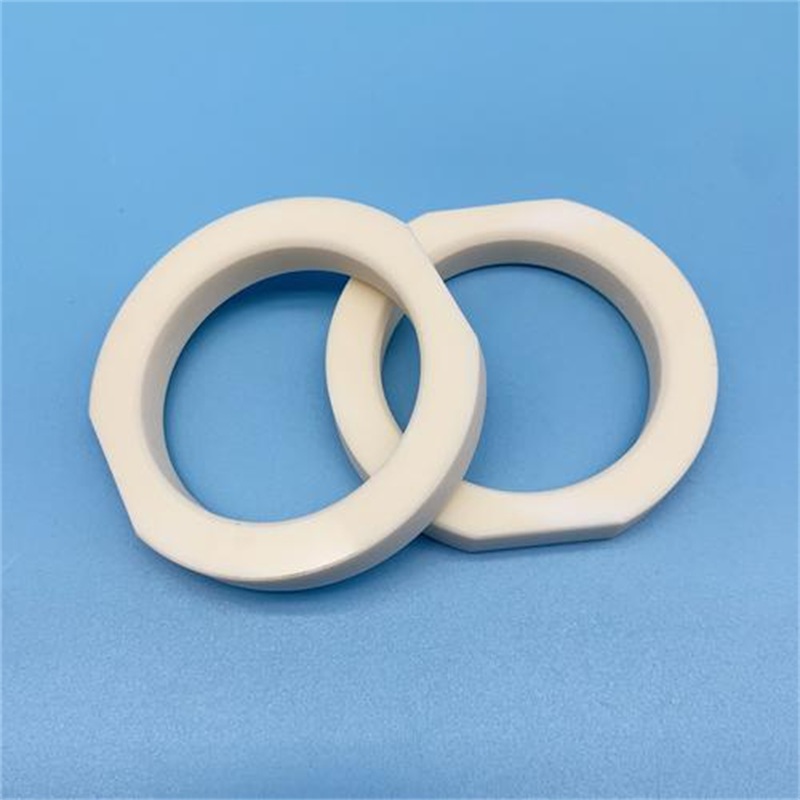
What Is Aluminum Nitride Ceramic?
Aluminum Nitride is a covalent-bonded compound with a hexagonal crystal structure. Unlike metals, which rely on metallic bonds and free electrons for conductivity, AlN utilizes strong atomic bonds that provide outstanding structural integrity. It is widely recognized as a premier substrate and structural material in the semiconductor and electronics sectors. Its unique combination of high thermal conductivity and excellent electrical insulation makes it highly reliable for precision components where metals would fail due to thermal expansion or electrical shorting.
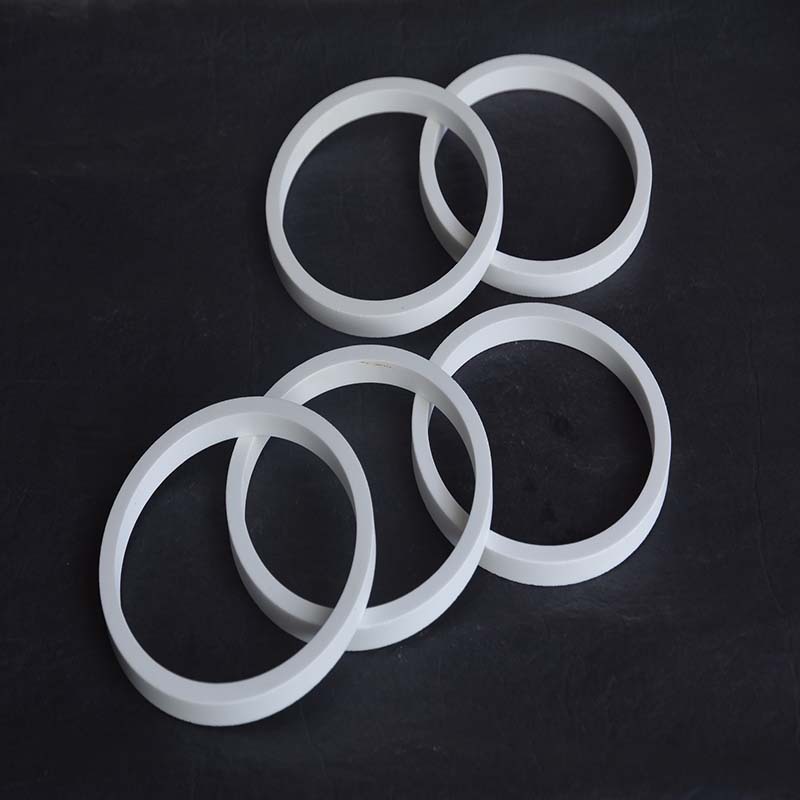
Key Properties Of Aluminum Nitride Ceramic
The superior performance of AlN stems from its specific material characteristics:
Thermal Conductivity: Ranging from 170 to 230 W/(m·K), it efficiently dissipates heat, outperforming many metals in specific thermal management applications.
High Temperature Resistance: AlN remains stable up to 2200°C in inert atmospheres and maintains mechanical strength at elevated temperatures without melting.
Mechanical Properties: With a Vickers hardness of up to 12 GPa and high wear resistance, it easily exceeds the hardness of standard engineering metals.
Electrical Insulation: It offers high volume resistivity (>10^14 Ω·cm) and a low dielectric constant, ensuring reliable electrical insulation.
Corrosion Resistance: AlN is chemically stable and is not wetted by molten aluminum, copper, or silver, providing exceptional corrosion resistance in harsh industrial equipment environments.
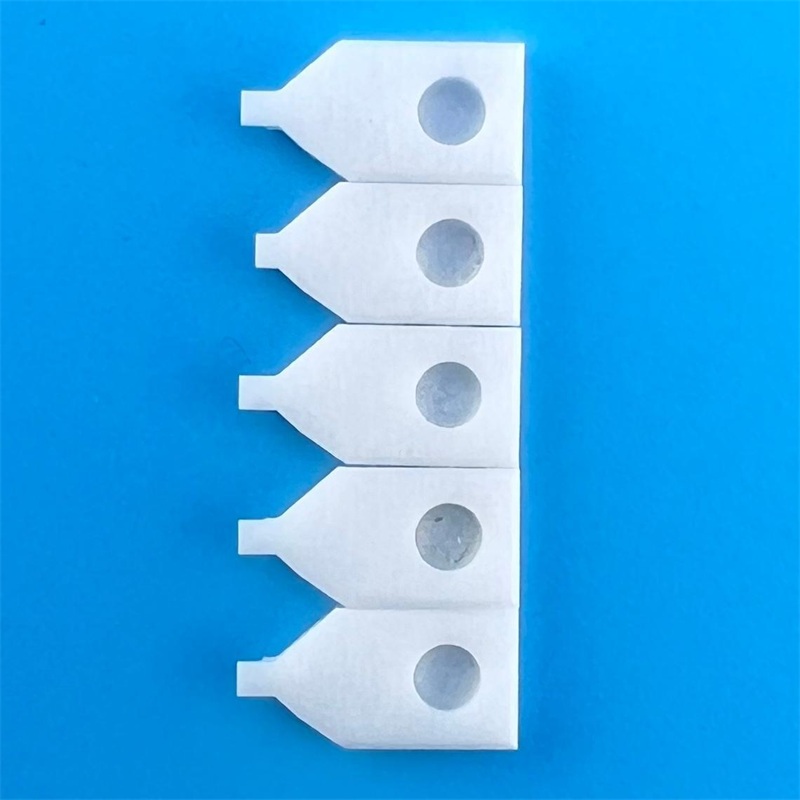
Typical Applications
Due to its reliable performance, Aluminum Nitride is extensively utilized across various high-tech sectors:
Semiconductor & Electronics: Substrates for IGBT modules, high-power LEDs, and electrostatic chucks for wafer processing.
Automotive & Energy: Heat sinks and insulated substrates for electric vehicle power modules and renewable energy systems.
Medical Equipment: Biocompatible components requiring high sterilization temperatures and chemical stability.
Industrial Equipment: Crucibles, nozzles, and wear-resistant parts for metallurgy and high-temperature manufacturing.
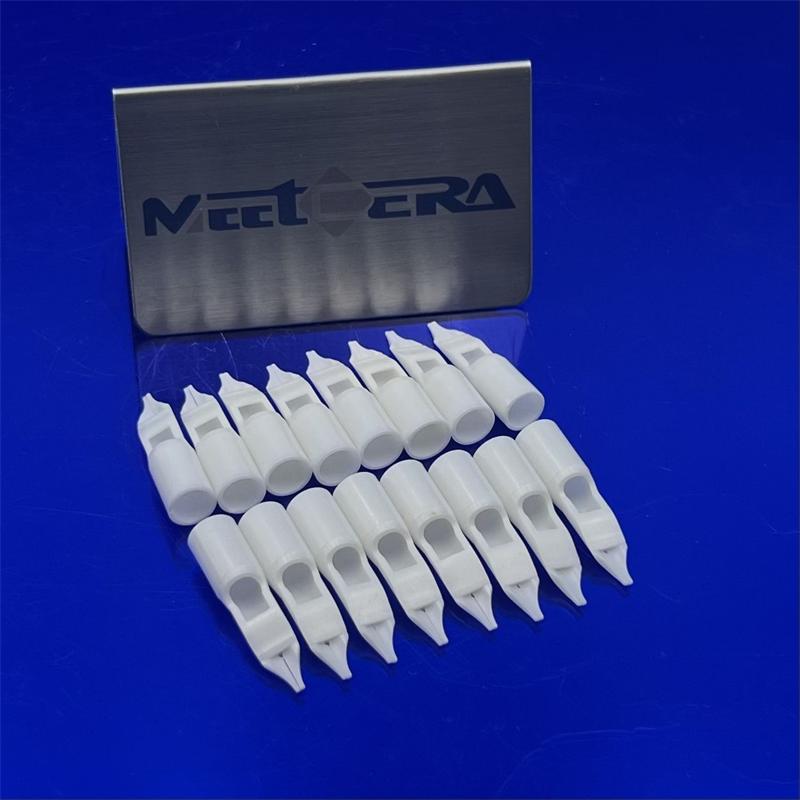
Advantages Compared With Other Ceramic Materials
When compared to traditional Alumina (Al₂O₃), Aluminum Nitride offers 7 to 10 times higher thermal conductivity. Furthermore, its coefficient of thermal expansion closely matches that of silicon, significantly reducing thermal stress in semiconductor packaging. Unlike Beryllia (BeO), AlN is completely non-toxic, making it a safer and industry-proven alternative. While metals like copper offer high thermal conductivity, they lack electrical insulation and suffer from thermal expansion mismatches, making AlN the superior choice for integrated electronic packaging.
Custom Manufacturing Options
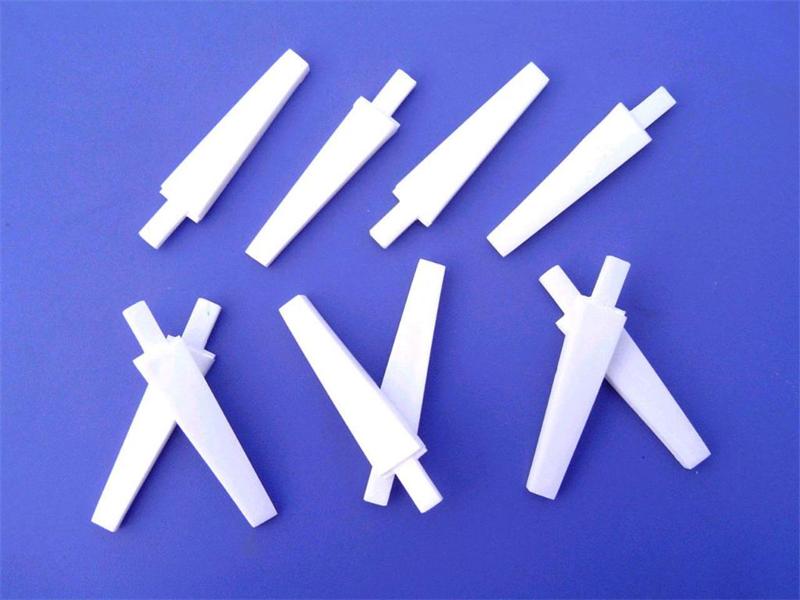
Sourcing precision components requires a capable manufacturer with advanced processing capabilities. Because AlN is extremely hard and brittle, specialized CNC machining with polycrystalline diamond (PCD) tools is necessary to prevent edge chipping. Reliable suppliers and factories offer comprehensive OEM services, including custom parts fabrication, metallization, and tight-tolerance grinding. When requesting custom parts, engineers must account for sintering shrinkage and specify precise surface finish requirements to ensure the reliability of the final precision components.
How To Choose The Right Supplier
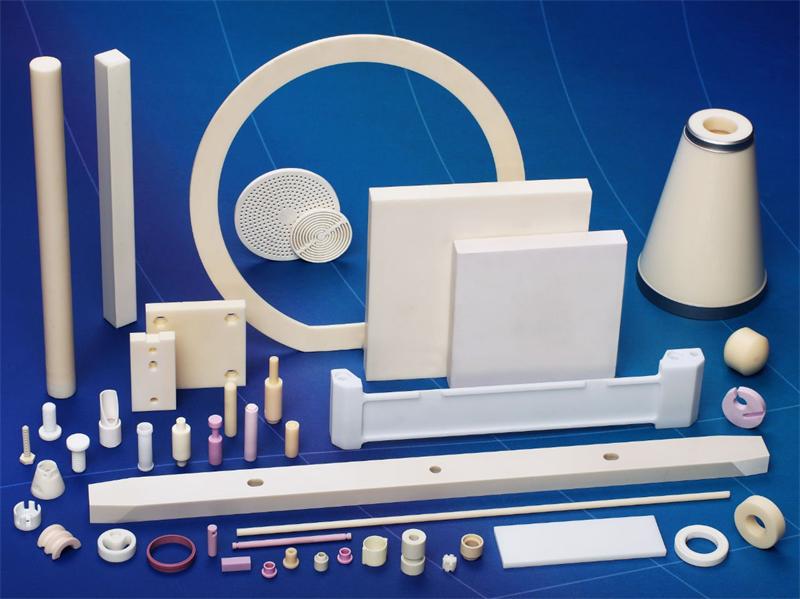
Selecting the right supplier is crucial for maintaining product quality. Procurement teams should evaluate potential manufacturers based on their in-house processing capabilities, quality control systems, and experience with advanced ceramics. A dependable supplier will provide detailed material test reports, including thermal conductivity and mechanical properties data. Additionally, assess their ability to handle complex geometries and their track record in serving the semiconductor or automotive industries to ensure they can meet stringent engineering standards.
Aluminum Nitride ceramic’s unique atomic structure grants it unmatched hardness and high-temperature stability, making it superior to metals in extreme environments. By leveraging custom manufacturing and partnering with an experienced supplier, engineers can fully utilize this high-performance material to drive innovation in electronics, automotive, and industrial applications.
FAQ
Why is Aluminum Nitride used in semiconductor equipment?
AlN is used because its thermal expansion coefficient closely matches silicon, preventing thermal stress. Additionally, its high thermal conductivity and electrical insulation efficiently manage heat in high-power semiconductor devices.
What temperature can Aluminum Nitride withstand?
Aluminum Nitride is highly heat resistant, remaining structurally stable up to 2200°C in inert atmospheres and resisting oxidation up to 700-800°C in air.
How do I choose a ceramic component supplier?
Look for a manufacturer with specialized CNC machining equipment for hard ceramics, transparent quality testing processes, and proven experience in your specific industry application.
Is Aluminum Nitride toxic?
No, unlike Beryllia (BeO), Aluminum Nitride is non-toxic and environmentally friendly, making it safe for medical and consumer electronics applications.
 What Is Polyimide (PI)
What Is Polyphenylene Sulfide (PPS)
What Is Polyimide (PI)
What Is Polyphenylene Sulfide (PPS)
 What is PEEK-for Engineers and Buyers
 Application Scope of Zirconia Ceramic Structural Components