
Why Is Silicon Nitride Ceramic Harder and More Heat Resistant Than Metal
In the demanding landscape of advanced materials engineering, Silicon Nitride (Si₃N₄) consistently emerges as a superior alternative to traditional metals. As industries push the boundaries of high-temperature and high-load applications, this advanced structural ceramic provides unmatched reliability. Its unique atomic structure and exceptional mechanical properties make it an indispensable material for precision components in sectors where metal failure is simply not an option.
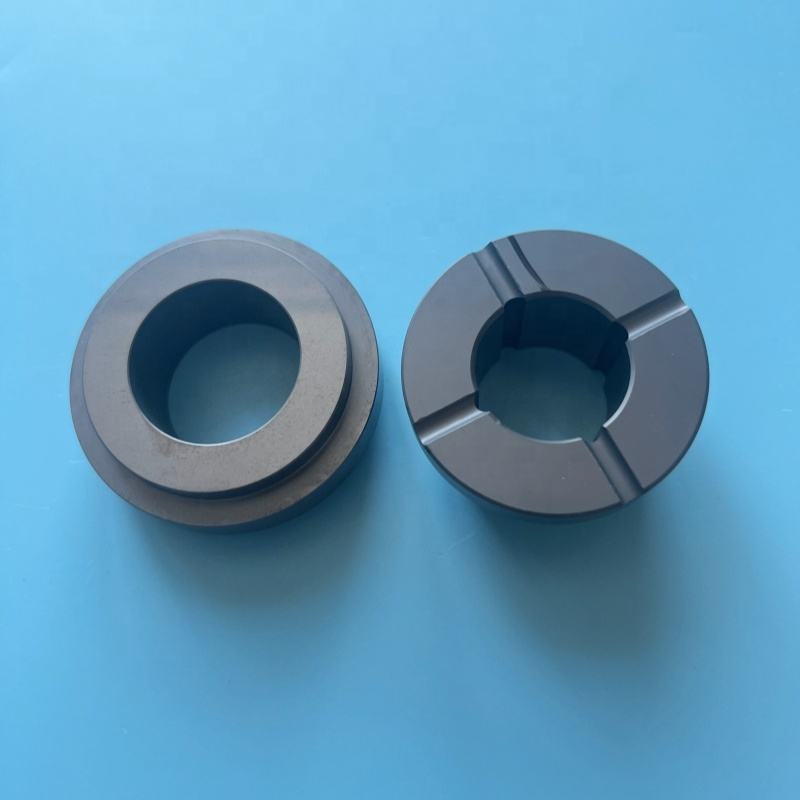
What Is Silicon Nitride Ceramic
Silicon Nitride is a high-performance engineering ceramic composed of silicon and nitrogen atoms bonded by strong covalent bonds. This atomic crystal structure gives it extraordinary hardness, inherent lubricity, and excellent wear resistance. Unlike metals that soften or degrade under extreme heat, Si₃N₄ maintains its structural integrity at elevated temperatures. It is widely recognized as a critical material for manufacturing high-load mechanical parts, such as bearings, turbine blades, and mechanical seals, offering a lightweight yet incredibly durable solution for modern industrial equipment.
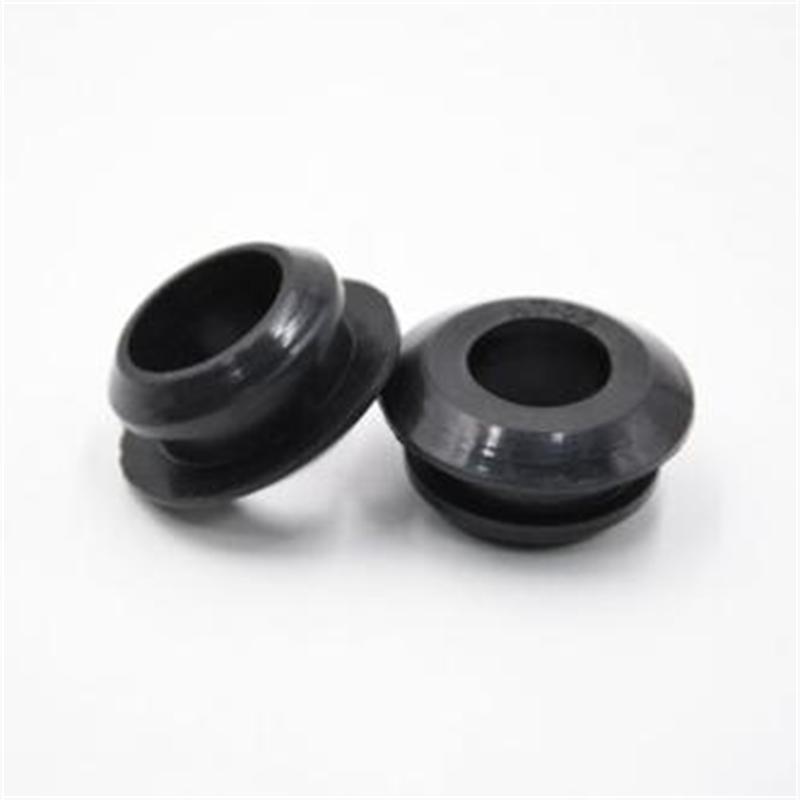
Key Properties Of Silicon Nitride Ceramic
The superiority of this material lies in its balanced mechanical and thermal characteristics:
High Temperature Resistance: It maintains high strength and stability in air up to 1000–1200°C, and up to 1400–1600°C in inert atmospheres.
Exceptional Wear Resistance: With a hardness of 15–20 GPa, it significantly outlasts metals in abrasive environments.
Thermal Conductivity & Shock Resistance: Its low thermal expansion coefficient (~3×10⁻⁶/K) and high thermal conductivity allow it to withstand rapid temperature changes without cracking.
Corrosion Resistance: It is highly inert, resisting oxidation and most chemical attacks (except hydrofluoric acid).
Electrical Insulation: It offers excellent dielectric properties, with a volume resistivity of 10¹³–10¹⁴ Ω·cm even at high temperatures.
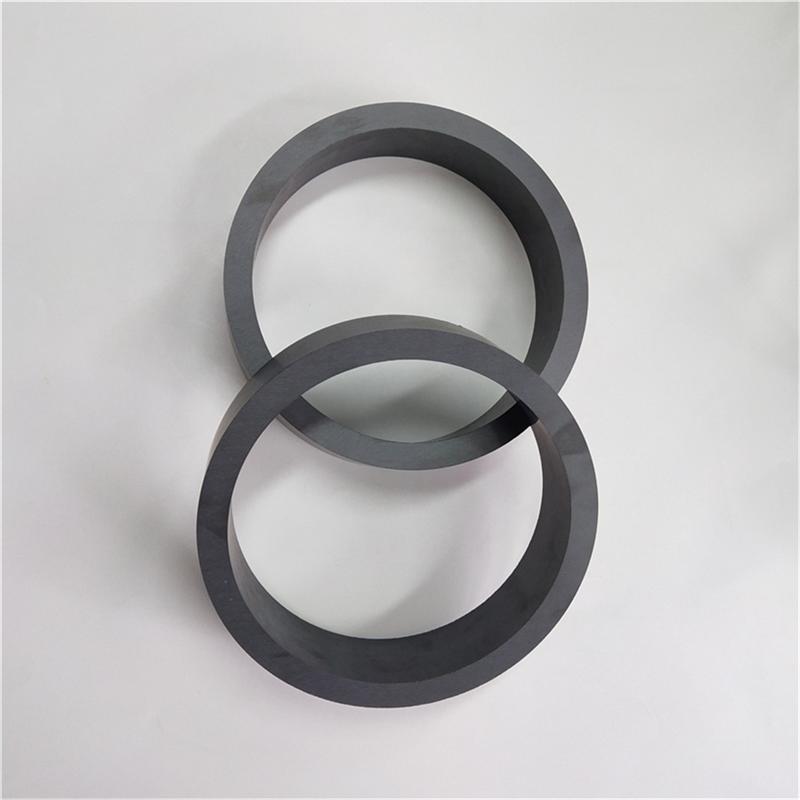
Typical Applications
Due to its industry-proven performance, Silicon Nitride is extensively utilized across various high-tech sectors:
Automotive: Turbocharger rotors, exhaust valves, and high-speed hybrid bearings.
Semiconductor & Electronics: Insulating substrates, heat sinks, and high-frequency component supports.
Energy: Gas turbine hot-section components and high-temperature sensor housings.
Industrial Equipment: Mechanical seals, cutting tools, and pump valves for corrosive media.
Medical: Precision surgical instruments and biocompatible structural parts.
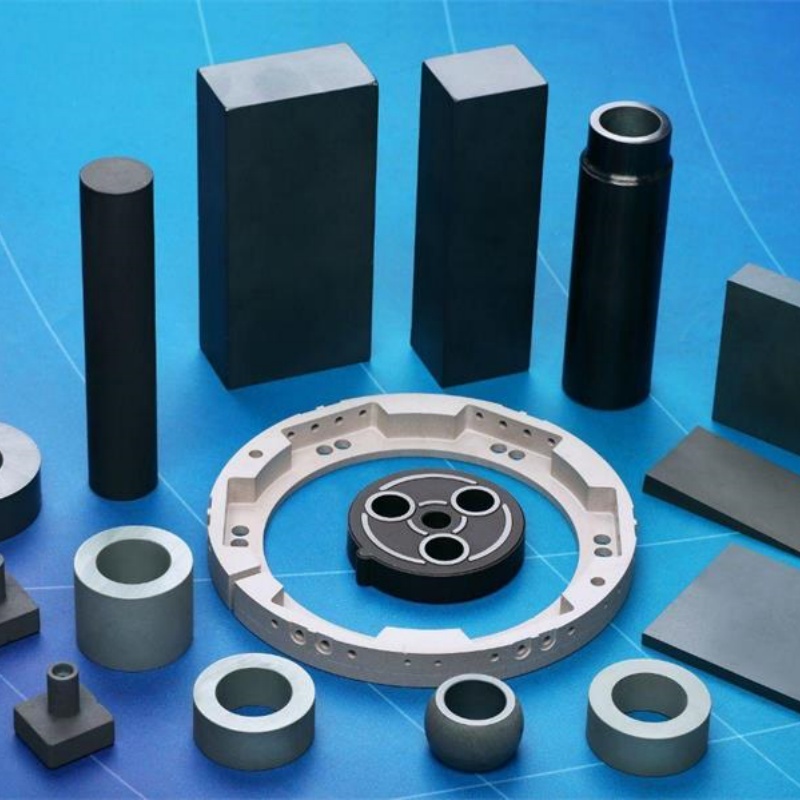
Advantages Compared With Other Ceramic Materials
When evaluating materials, Si₃N₄ offers a superior balance of toughness and hardness compared to Alumina (Al₂O₃) and Zirconia (ZrO₂). While Alumina is hard, it lacks the fracture toughness of Silicon Nitride, making it prone to catastrophic failure under impact. Zirconia offers high toughness but struggles with long-term thermal stability and aging. Furthermore, Si₃N₄ is approximately 60% lighter than steel, reducing rotational inertia in moving parts while providing better contact fatigue resistance than first-generation ceramics.
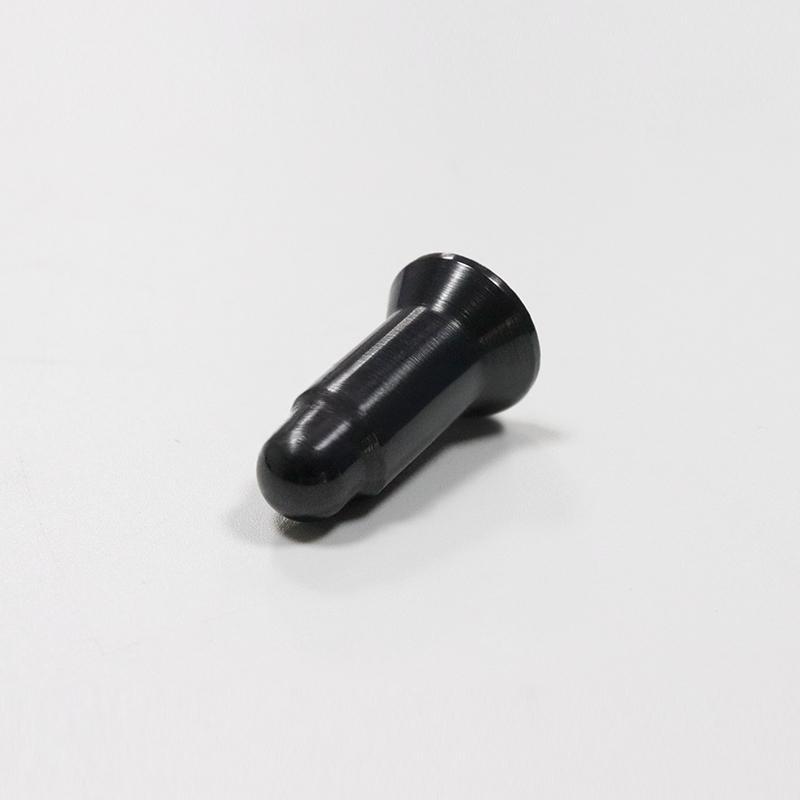
Custom Manufacturing Options
Sourcing custom parts requires a manufacturer with advanced processing capabilities. Gas Pressure Sintered Silicon Nitride (GPSN) is the most widely used grade for OEM applications, allowing for near-net-shape forming of complex geometries without the size limitations of hot pressing. Reliable factories offer comprehensive custom manufacturing, from precision grinding and lapping to polishing, ensuring tight tolerances for precision components tailored to specific engineering requirements.
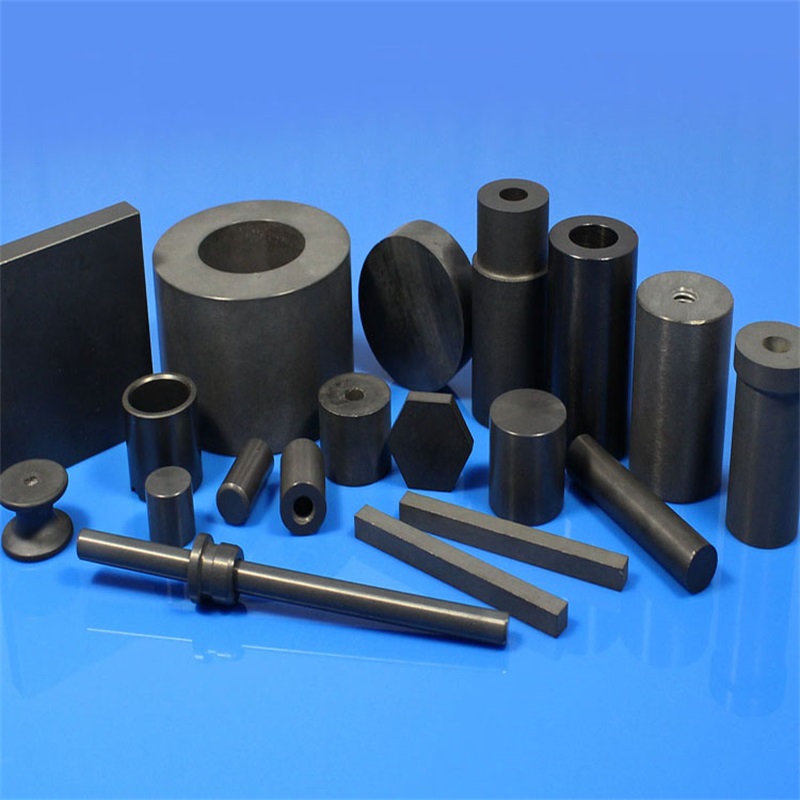
How To Choose The Right Supplier
Selecting a dependable supplier is critical for component reliability. Procurement specialists should evaluate a factory based on its manufacturing consistency, quality control systems, and experience with custom machining. A professional supplier will provide detailed material data sheets, transparent communication regarding lead times, and the technical expertise to assist in material selection and specification optimization for your specific application.
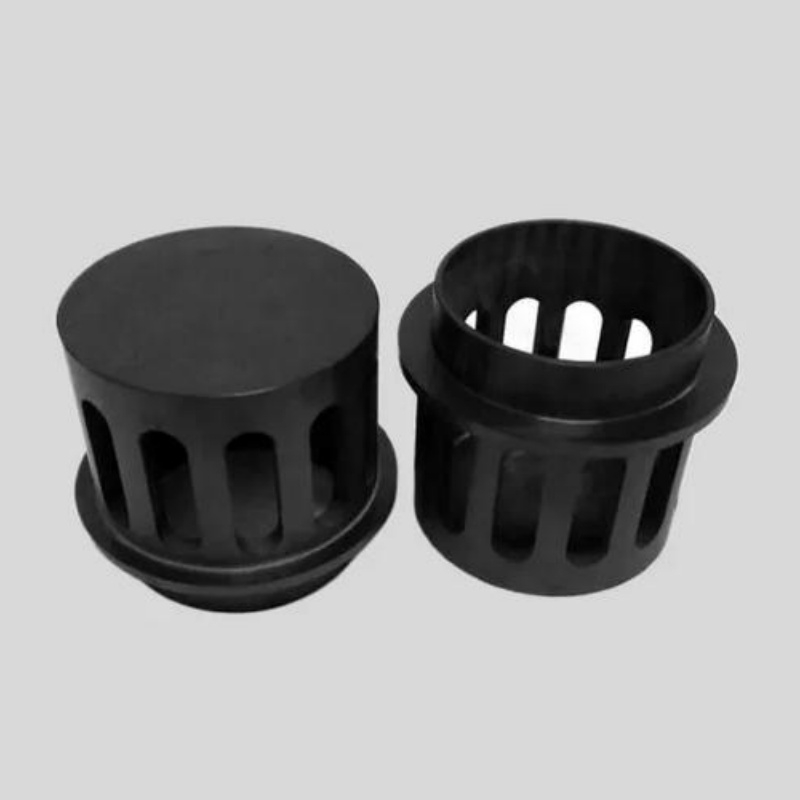
Silicon Nitride ceramic provides an unmatched combination of hardness, thermal stability, and mechanical reliability. By understanding its properties and partnering with a capable manufacturer, engineers and buyers can leverage this high-performance material to enhance the lifespan and efficiency of their most demanding systems.
FAQ
What is the difference between Alumina and Silicon Nitride ceramics?
Silicon Nitride offers significantly higher fracture toughness and better thermal shock resistance compared to Alumina, making it more suitable for dynamic, high-impact, and high-temperature applications.
What temperature can Silicon Nitride withstand?
It can maintain its mechanical strength and structural integrity in air up to 1000–1200°C, and up to 1400–1600°C in inert gas environments.
Why is Silicon Nitride preferred for semiconductor equipment?
Its excellent electrical insulation, high thermal conductivity, and resistance to chemical corrosion make it ideal for insulating substrates and heat sinks in harsh processing environments.
How do I choose a ceramic component supplier?
Look for a manufacturer with proven experience in precision machining, transparent quality control processes, and the ability to provide custom OEM solutions backed by reliable technical support.
 What Is Polyimide (PI)
What Is Polyphenylene Sulfide (PPS)
What Is Polyimide (PI)
What Is Polyphenylene Sulfide (PPS)
 What is PEEK-for Engineers and Buyers
 Application Scope of Zirconia Ceramic Structural Components