
Why Is Zirconia Ceramic Harder And More Heat Resistant Than Metal
In the realm of advanced engineering, traditional metals often reach their limits when subjected to extreme environments. Zirconia ceramic (ZrO₂) has emerged as a high-performance alternative, offering exceptional mechanical properties and thermal stability. As industries demand greater reliability and longevity from their equipment, understanding the fundamental advantages of this material is crucial for engineers and procurement specialists seeking precision-engineered solutions.
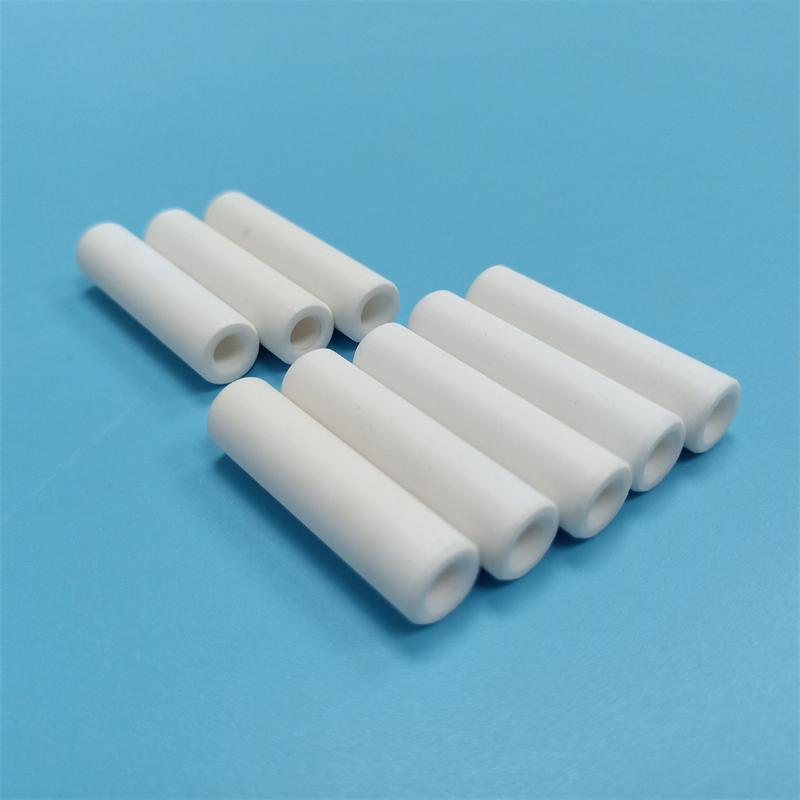
What Is Zirconia Ceramic
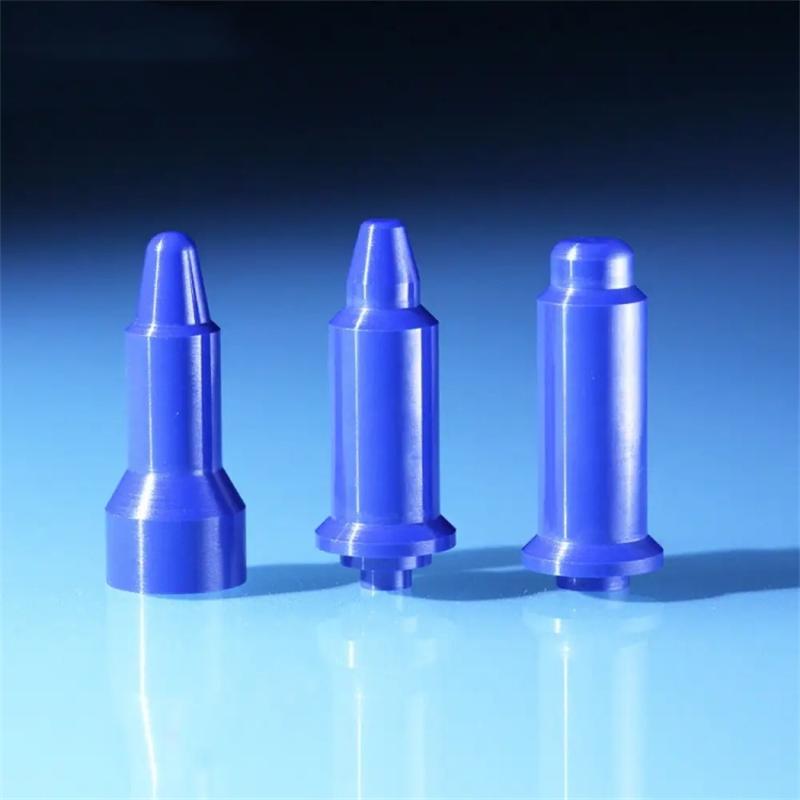
Zirconia ceramic is an advanced technical ceramic distinguished by its unique phase transformation toughening mechanism. Unlike traditional ceramics that are inherently brittle, zirconia incorporates stabilizers like yttria to retain a metastable tetragonal phase at room temperature. When subjected to stress, this phase transforms into a monoclinic structure, causing a localized volume expansion that compresses micro-cracks and significantly enhances fracture toughness. This characteristic earns it the industry moniker “ceramic steel,” making it a reliable choice for demanding industrial equipment.
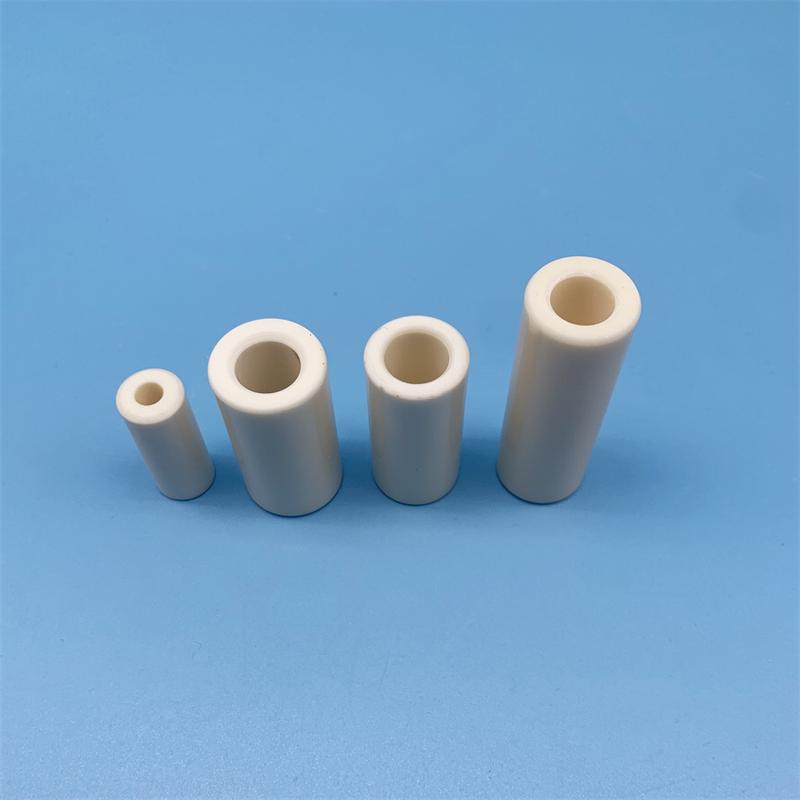
Key Properties Of Zirconia Ceramic
The superior performance of zirconia stems from its robust atomic bonding and dense microstructure. Key technical attributes include:
High Temperature Resistance: With a melting point exceeding 2700°C, zirconia maintains structural integrity and mechanical properties in extreme thermal environments where metals would soften or creep.
Wear Resistance: Its hardness (HRA 88-90) approaches that of natural diamond, providing exceptional resistance to abrasive wear and extending component lifespan.
Corrosion Resistance: The material exhibits high chemical inertness, resisting degradation from strong acids, alkalis, and molten metals.
Electrical Insulation: Zirconia acts as an excellent electrical insulator at room temperature while displaying unique ionic conductivity at elevated temperatures.
Thermal Conductivity: It possesses low thermal conductivity, making it an effective thermal barrier and insulator.
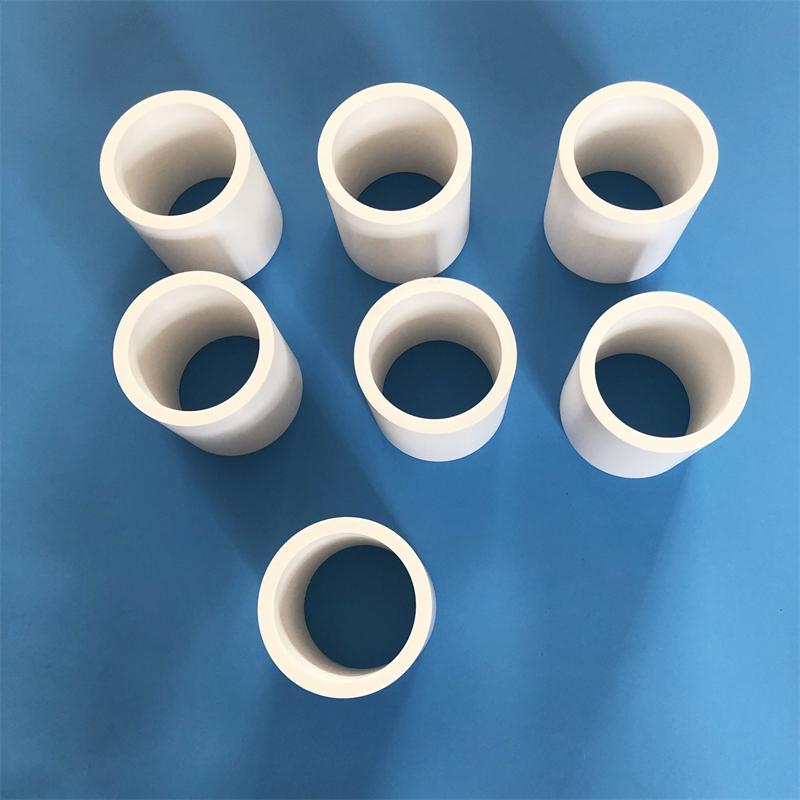
Typical Applications
Due to its versatile performance profile, zirconia is widely adopted across critical sectors:
Semiconductor: Used in wafer handling components, plasma etching parts, and precision fixtures requiring ultra-cleanliness and chemical resistance.
Medical: The biocompatibility and aesthetics of zirconia make it ideal for dental implants, orthopedic joints, and surgical instruments.
Automotive: Applied in oxygen sensors, turbocharger components, and high-performance bearings that endure high heat and friction.
Energy & Industrial Equipment: Utilized in solid oxide fuel cells (SOFCs), pump seals, valve cores, and textile machinery guides.
Electronics: Serves as insulating substrates and structural housings in high-frequency devices.
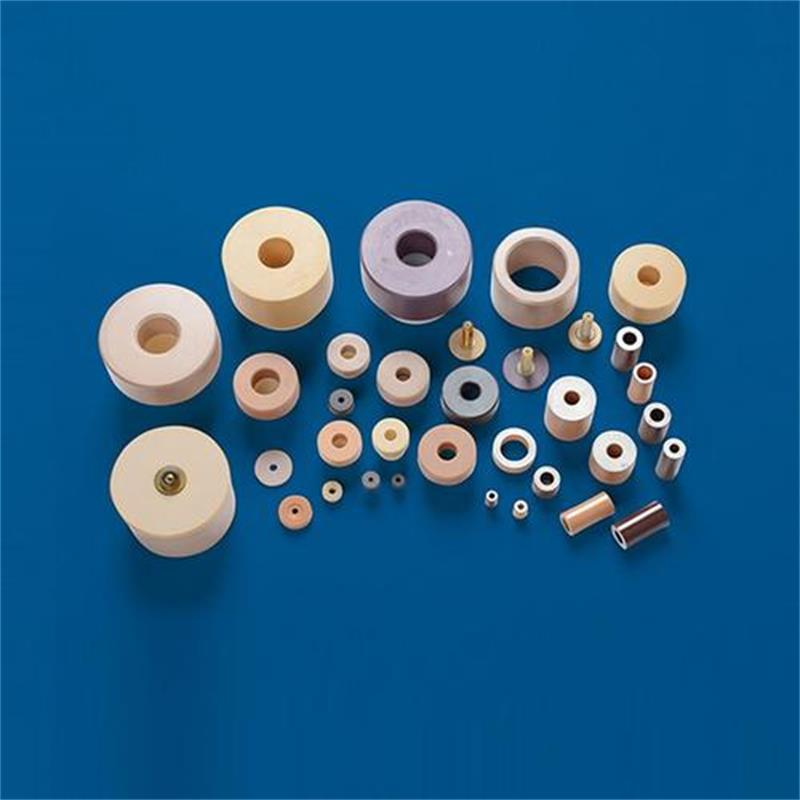
Advantages Compared With Other Ceramic Materials
While alumina (Al₂O₃) offers high hardness and lower cost, zirconia provides significantly higher fracture toughness and bending strength. Silicon nitride (Si₃N₄) excels in thermal shock resistance, but zirconia offers superior wear resistance and chemical stability in corrosive liquid environments. This balance of strength and toughness makes zirconia uniquely suited for dynamic, high-stress applications.
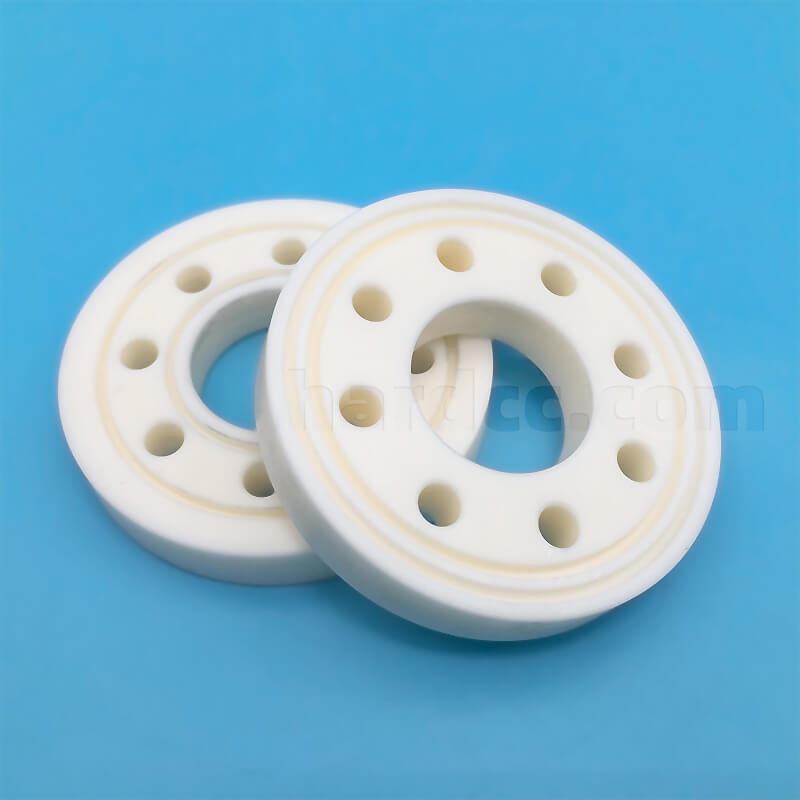
Comparison Between Advanced Ceramics And Metals
When evaluating why zirconia outperforms metals, the distinction lies in atomic bonding. Metals rely on metallic bonds that allow atomic planes to slide, leading to plastic deformation and wear at high temperatures. Zirconia’s strong ionic and covalent bonds prevent dislocation movement, resulting in superior hardness and high-temperature strength. Additionally, zirconia is non-magnetic, non-conductive (at ambient temperatures), and immune to oxidation and rust, eliminating the need for protective coatings required by metallic parts.
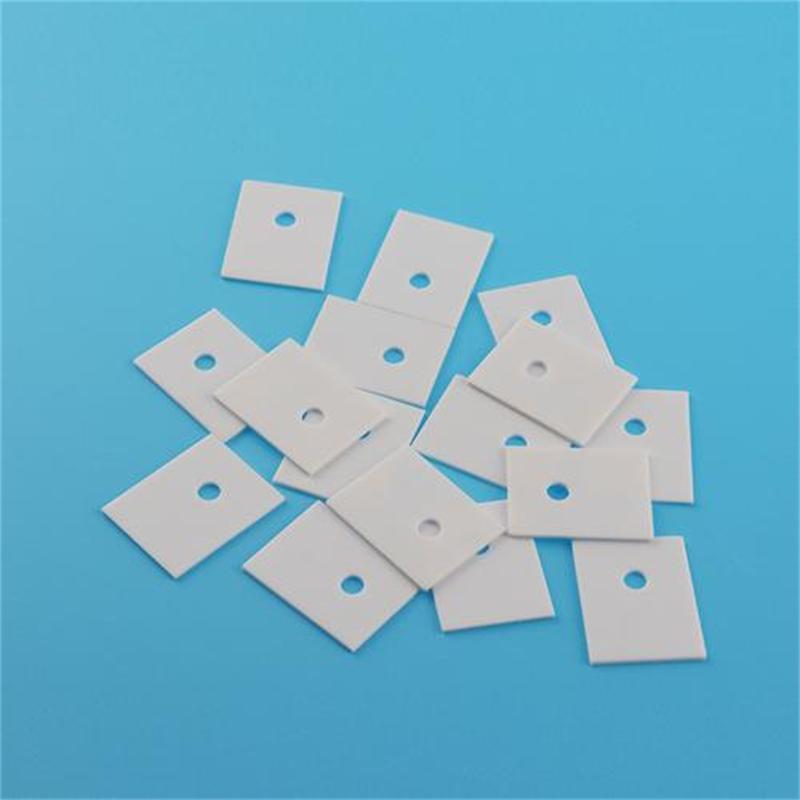
Custom Manufacturing Options
Sourcing custom parts requires a manufacturer with advanced processing capabilities. Reliable OEM suppliers offer various forming methods, including dry pressing, injection molding, and isostatic pressing, to achieve complex geometries. Post-sintering precision machining, such as CNC grinding, lapping, and polishing, ensures tight tolerances and optimal surface finishes for precision components.
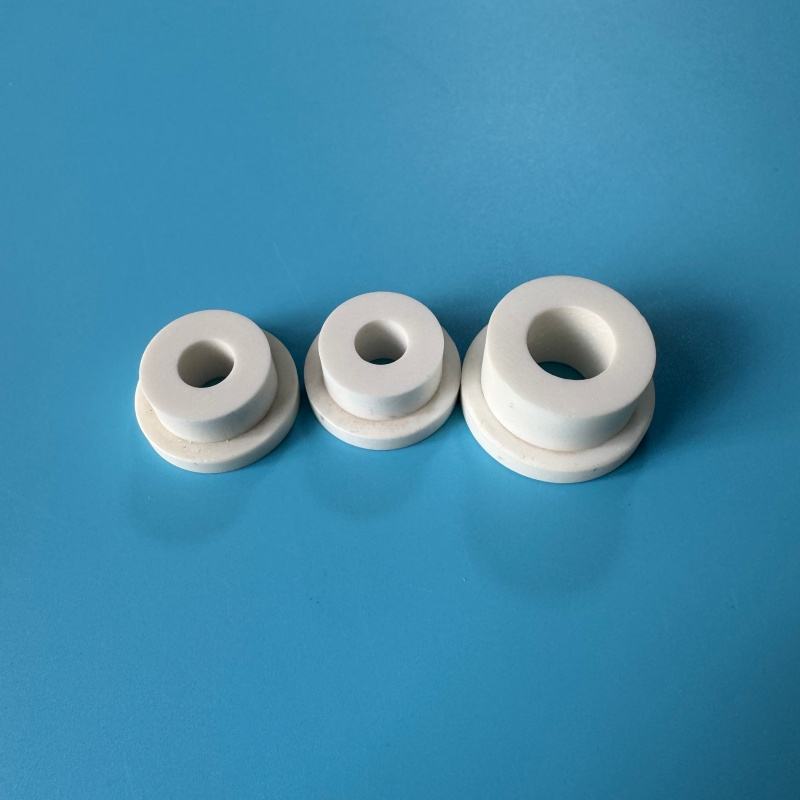
How To Choose The Right Supplier
Selecting a reliable factory involves evaluating their technical expertise and quality control systems. Buyers should verify the supplier’s ability to control raw material purity, sintering parameters, and dimensional accuracy. A competent supplier will provide comprehensive material test reports, understand specific application requirements, and offer tailored engineering support to optimize the design for manufacturability and performance.
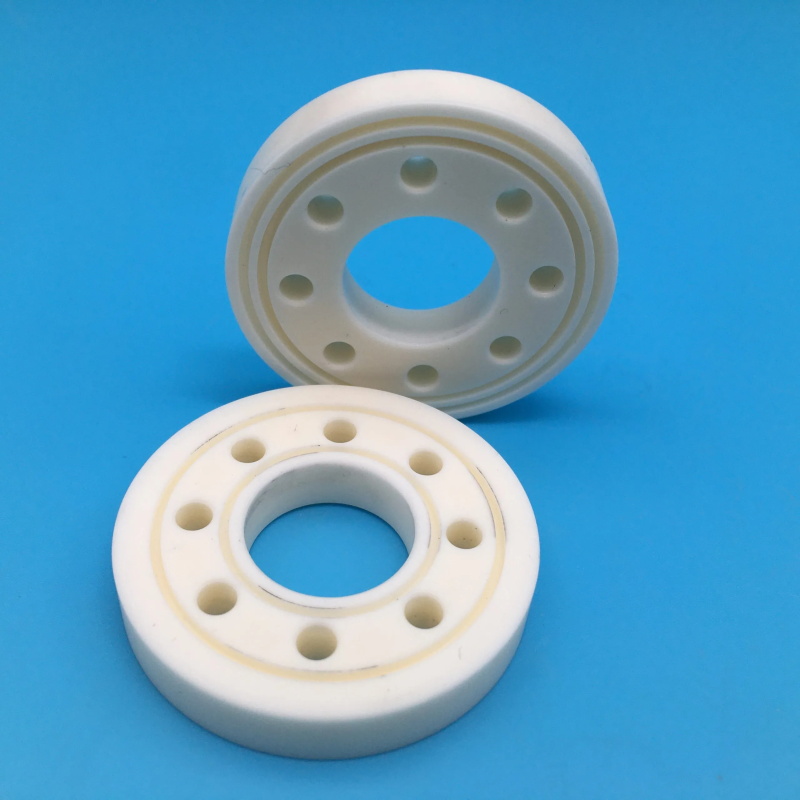
Zirconia ceramic provides an industry-proven solution for applications where metal fails. Its exceptional wear resistance, high-temperature stability, and corrosion resistance make it indispensable in semiconductor, medical, and automotive industries. Partnering with a specialized manufacturer ensures the delivery of high-performance components tailored to exact engineering specifications.
FAQ
What is the difference between Alumina and Zirconia ceramics?
Alumina is generally harder and more electrically insulating but is more brittle. Zirconia offers significantly higher fracture toughness and bending strength, making it better suited for high-stress, dynamic mechanical applications.
Why is Zirconia preferred in medical implants?
Zirconia is highly biocompatible, non-toxic, and chemically inert in the human body. Its white color provides superior aesthetics for dental applications, and its high wear resistance reduces the generation of harmful debris in joint replacements.
How does Zirconia achieve high-temperature resistance?
The strong ionic and covalent bonds in zirconia require immense energy to break, resulting in a melting point over 2700°C. Unlike metals, it does not suffer from creep or softening until it approaches its melting point.
What should I consider when ordering custom zirconia parts?
Clearly define the operating environment (temperature, chemical exposure, mechanical load) and required tolerances. Work with a supplier experienced in zirconia’s specific sintering shrinkage and machining characteristics to ensure dimensional accuracy and structural integrity.
 What Is Polyimide (PI)
What Is Polyphenylene Sulfide (PPS)
What Is Polyimide (PI)
What Is Polyphenylene Sulfide (PPS)
 What is PEEK-for Engineers and Buyers
 Application Scope of Zirconia Ceramic Structural Components