
Why Is Alumina Ceramic Harder And More Heat Resistant Than Metal
In demanding industrial environments, traditional metals often reach their operational limits. Alumina ceramic (Al₂O₃) has emerged as a high-performance alternative, engineered to withstand extreme conditions that degrade metallic components. Its unique atomic structure provides exceptional hardness and thermal stability, making it indispensable for precision engineering. Sourcing reliable custom parts from a specialized manufacturer ensures these advanced materials meet exacting industry standards.
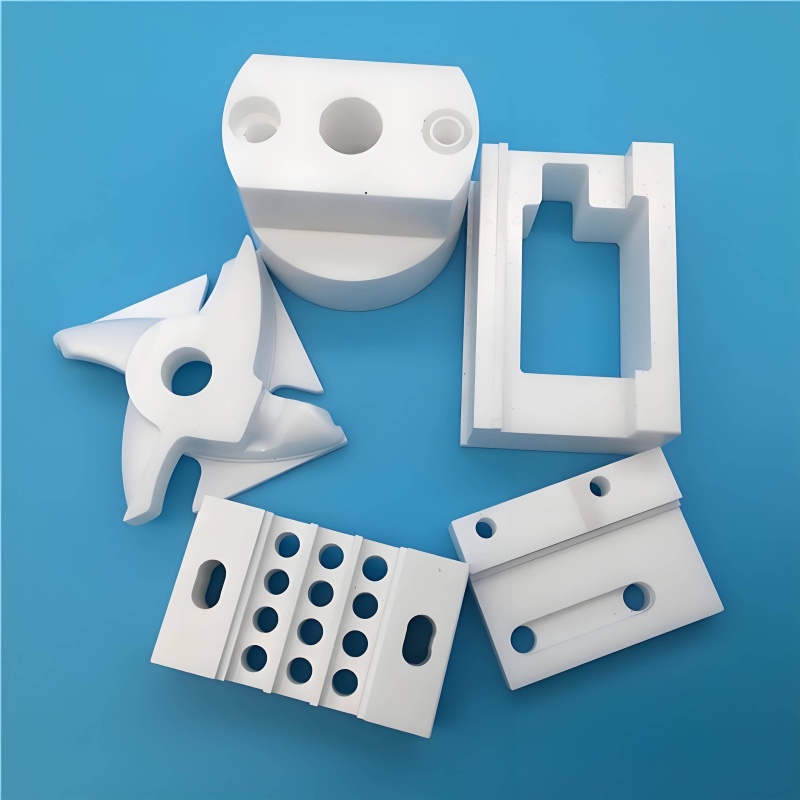
What Is Alumina Ceramic
Alumina ceramic is an advanced technical ceramic composed primarily of aluminum oxide. Unlike traditional ceramics, it is precision-engineered using high-purity powder sintering at temperatures exceeding 1600°C. This process forms a dense α-Al₂O₃ crystal structure, delivering superior mechanical properties and high-temperature resistance. As a trusted supplier, we provide OEM solutions tailored for complex industrial requirements.
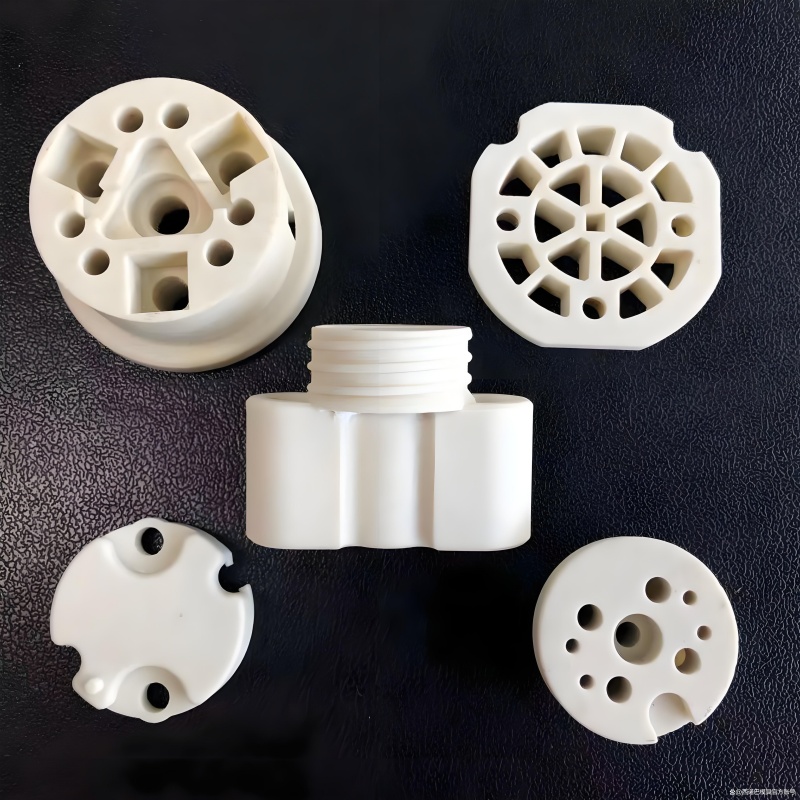
Key Properties Of Alumina Ceramic
The performance of alumina ceramic stems from its strong ionic and covalent bonding, which restricts atomic movement. Key characteristics include:
Exceptional Hardness: With a Mohs hardness of 9, it offers outstanding wear resistance, significantly outperforming hardened steels.
High Temperature Resistance: It maintains structural integrity up to 1600°C continuously, with a melting point around 2050°C, far exceeding most metal alloys.
Thermal Conductivity: Typically around 20-30 W/m·K, it efficiently dissipates heat while remaining electrically insulating.
Corrosion Resistance: Highly inert against acids, alkalis, and molten metals, ensuring longevity in harsh chemical environments.
Electrical Insulation: Excellent dielectric strength makes it ideal for high-voltage applications.
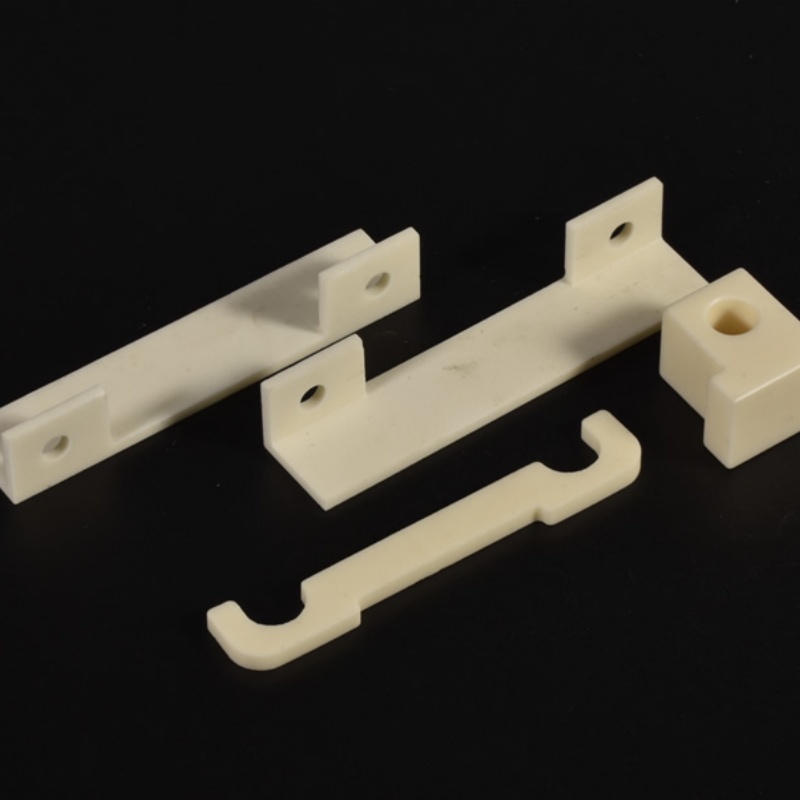
Typical Applications
Due to its reliable performance, alumina ceramic is widely adopted across critical sectors:
Semiconductor & Electronics: Wafer processing components, insulators, and vacuum chamber parts.
Medical: Biocompatible implants, surgical instruments, and dental prosthetics.
Automotive: Sensors, spark plug insulators, and high-temperature engine components.
Energy: Furnace linings, thermocouple tubes, and solar panel manufacturing equipment.
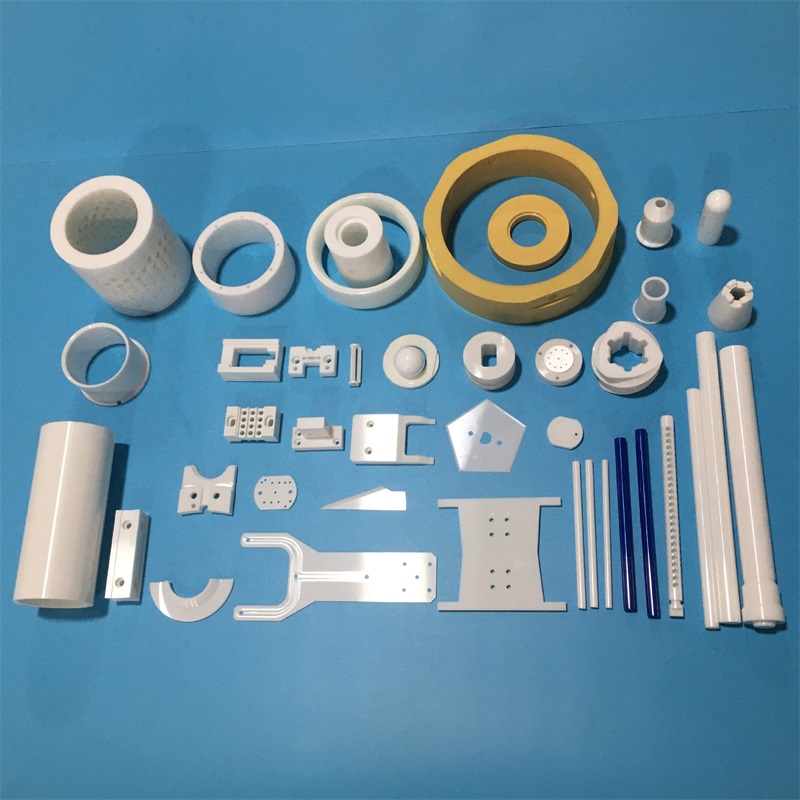
Industrial Equipment: Wear-resistant liners, nozzles, and precision mechanical seals.
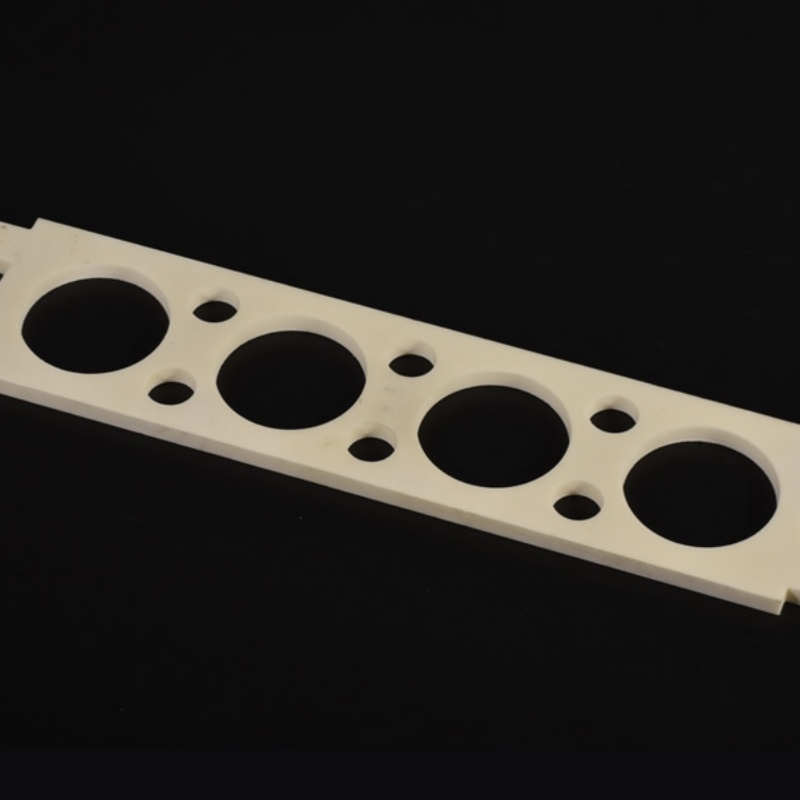
Advantages Compared With Other Ceramic Materials
While Zirconia (ZrO₂) offers higher fracture toughness, Alumina provides superior hardness, better electrical insulation, and lower cost. Silicon Nitride (Si₃N₄) excels in thermal shock resistance, but Alumina remains the most versatile and cost-effective choice for general wear and electrical insulation applications. Its balanced mechanical properties make it the industry-proven standard for precision components.
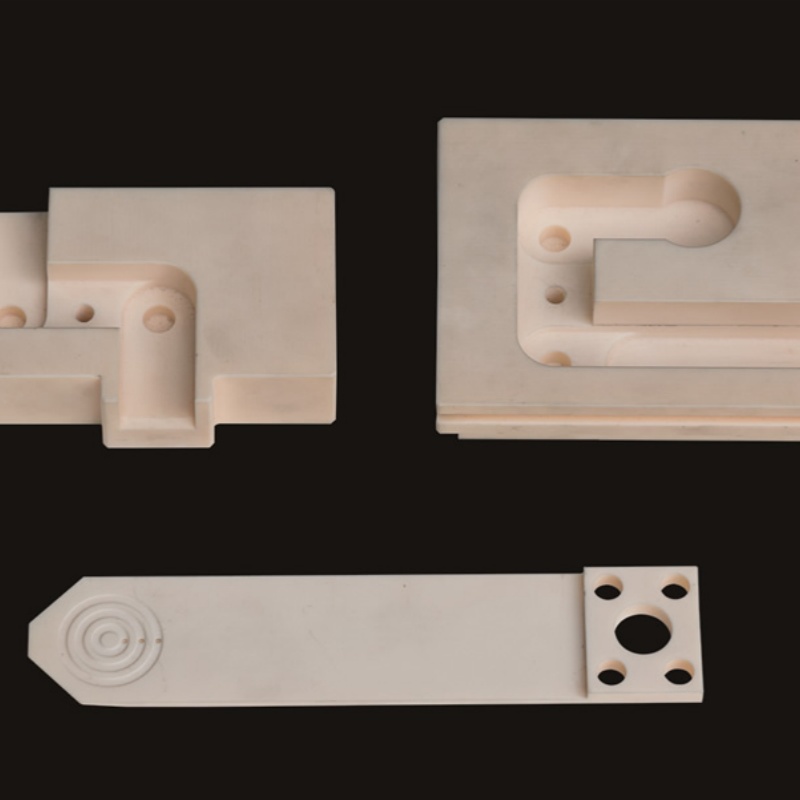
Custom Manufacturing Options
As a specialized factory, we offer comprehensive OEM and custom manufacturing services. Capabilities include dry pressing, isostatic pressing, and injection molding for complex geometries. Post-sintering precision machining (grinding, lapping, polishing) ensures tight tolerances for critical assemblies. Whether you require standard catalog items or bespoke precision components, our engineering team supports your specific design requirements.
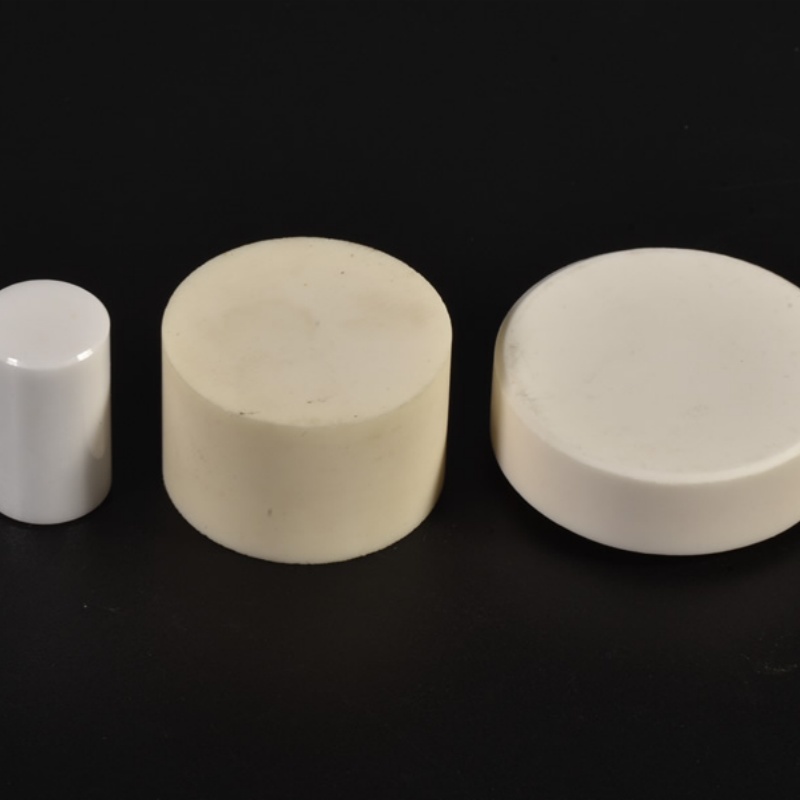
How To Choose The Right Supplier
Selecting a reliable supplier requires evaluating their material traceability, sintering control, and machining capabilities. Look for manufacturers with proven experience in your specific application sector and transparent quality control processes. A competent partner will offer technical consultation to optimize material selection (e.g., 95% vs. 99.5% purity) and provide detailed mechanical properties data to ensure component reliability.
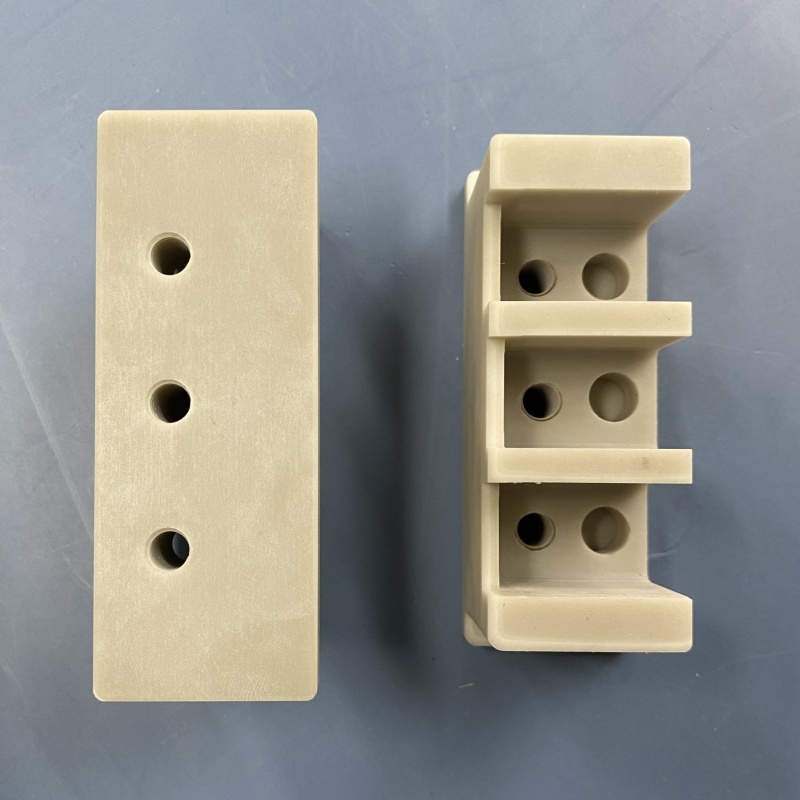
Alumina ceramic’s superior hardness and heat resistance originate from its robust atomic bonding and stable crystal structure. For applications demanding reliability in extreme environments, it remains an unmatched engineering material. Partnering with an experienced manufacturer ensures you receive precision-engineered components that meet exacting performance standards.
Frequently Asked Questions
What is the difference between Alumina and Zirconia ceramics?
Alumina is harder, more wear-resistant, and provides better electrical insulation at a lower cost. Zirconia offers significantly higher fracture toughness and impact resistance but is more expensive and has lower thermal conductivity.
What temperature can Alumina Ceramic withstand?
Standard alumina ceramics can operate continuously at temperatures up to 1600°C (2912°F) without significant degradation, with a melting point of approximately 2050°C.
Why is Alumina Ceramic preferred in semiconductor equipment?
Its excellent electrical insulation, high purity, chemical inertness against corrosive etching gases, and dimensional stability at high temperatures make it ideal for semiconductor processing.
How do I choose the right alumina purity for my application?
95% alumina offers a balance of mechanical strength and cost for general wear parts. 99.5% or higher purity is recommended for applications requiring superior electrical insulation, chemical resistance, or high-temperature stability.
Can Alumina Ceramic be machined to tight tolerances?
Yes, but only after sintering using diamond tooling. Precision grinding and lapping can achieve tolerances within microns, though complex geometries should be designed with ceramic machining constraints in mind.
 What Is Polyimide (PI)
What Is Polyphenylene Sulfide (PPS)
What Is Polyimide (PI)
What Is Polyphenylene Sulfide (PPS)
 What is PEEK-for Engineers and Buyers
 Application Scope of Zirconia Ceramic Structural Components