
Zirconia Ceramic Procurement and Usage
Zirconia ceramics (ZrO₂) represent a class of advanced technical ceramics engineered to deliver exceptional mechanical reliability and structural integrity. Often referred to as “ceramic steel,” this material has become a critical component in modern engineering, bridging the gap between traditional ceramics and metals. For procurement professionals and engineers, understanding the nuances of this material is essential for sourcing high-performance solutions.
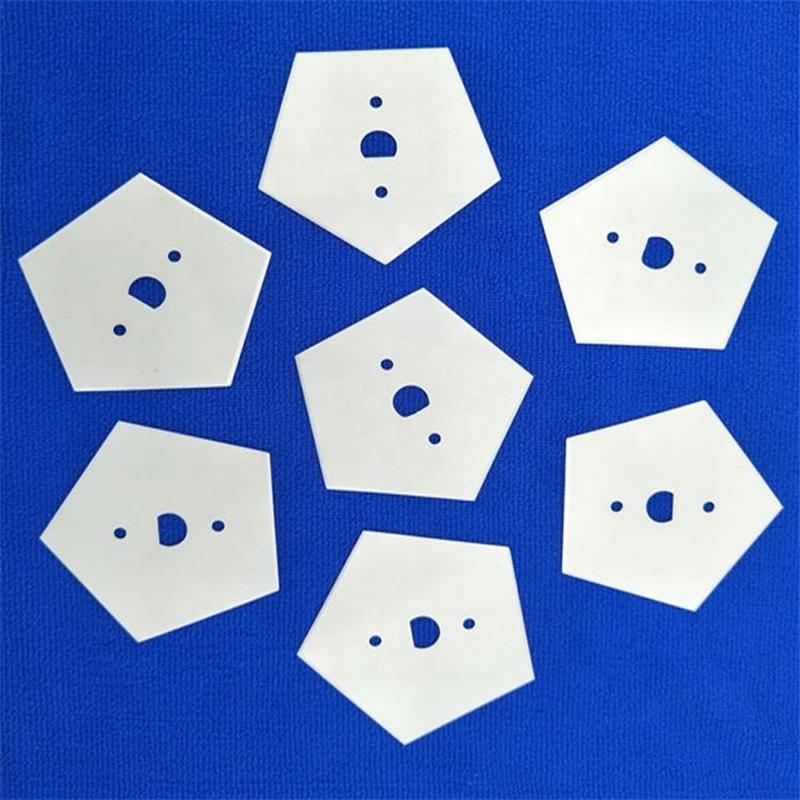
What Is Zirconia Ceramic
Zirconia ceramic is an advanced oxide ceramic primarily composed of zirconium dioxide, stabilized with additives such as yttrium oxide (Y₂O₃) or magnesium oxide (MgO). This stabilization process is crucial as it prevents phase transformation cracking at high temperatures and enables a unique “transformation toughening” mechanism. When subjected to stress, the crystal structure shifts, absorbing energy and significantly enhancing fracture toughness. This makes zirconia an industry-proven material for applications requiring both high strength and resistance to crack propagation.
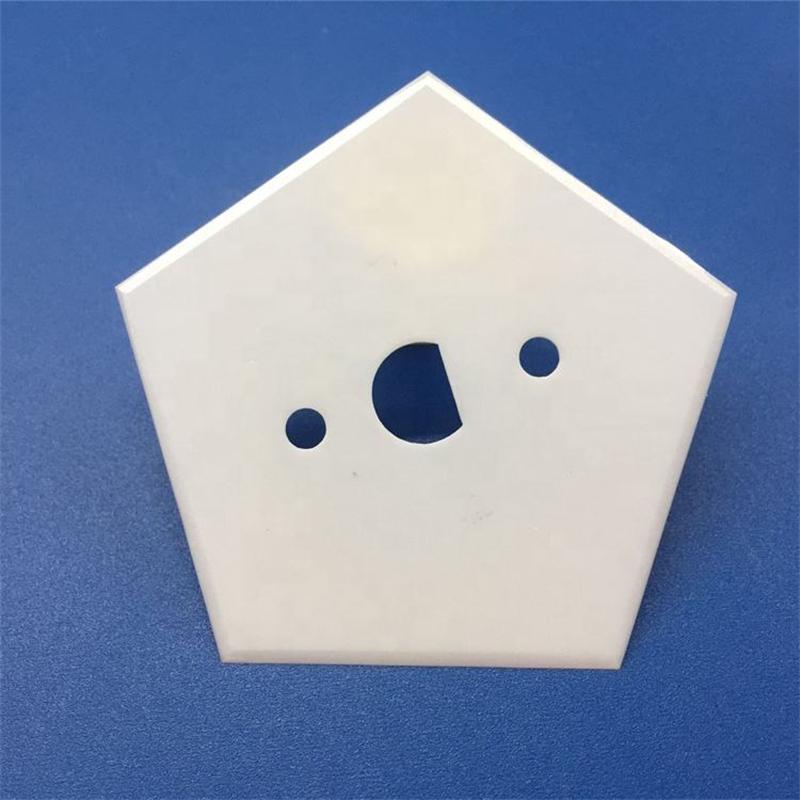
Key Properties Of Zirconia Ceramic
The selection of zirconia is typically driven by its outstanding mechanical properties and environmental stability. Key characteristics include:
Mechanical Properties: Zirconia exhibits extremely high flexural strength (often exceeding 1000 MPa) and fracture toughness, making it highly resistant to impact and wear.
Wear Resistance: With a Mohs hardness approaching 9, it offers superior wear resistance, ideal for sliding or high-friction environments.
Thermal Conductivity: It possesses low thermal conductivity (approx. 2-3 W/mK), providing excellent thermal insulation and heat barrier capabilities.
Corrosion Resistance: The material is chemically inert, offering high resistance to acids, alkalis, and molten metals.
Electrical Insulation: It acts as a reliable electrical insulator at room temperature while maintaining ionic conductivity at elevated temperatures.
High Temperature Resistance: It maintains structural stability in extreme thermal environments, with melting points around 2700°C.
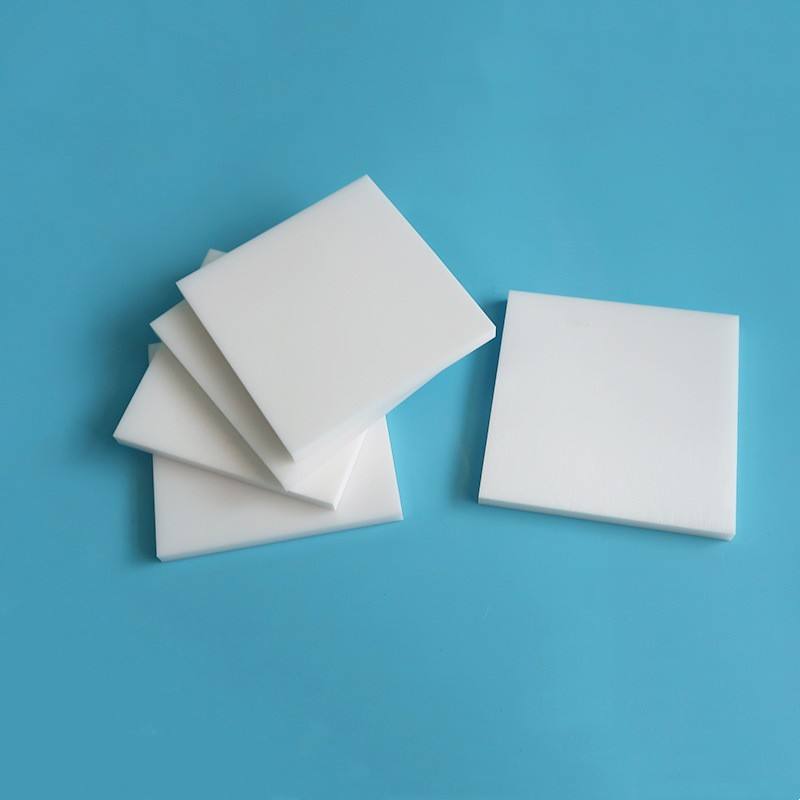
Typical Applications
Due to its versatile performance profile, zirconia is widely utilized across multiple sectors:
Medical: Biocompatible dental implants, crowns, and orthopedic joint replacements.
Semiconductor & Electronics: Precision insulating components, wafer handling fixtures, and oxygen sensors.
Automotive: Wear-resistant valve components, oxygen sensors, and engine insulation parts.
Energy: Solid Oxide Fuel Cell (SOFC) electrolytes and thermal barrier coatings.
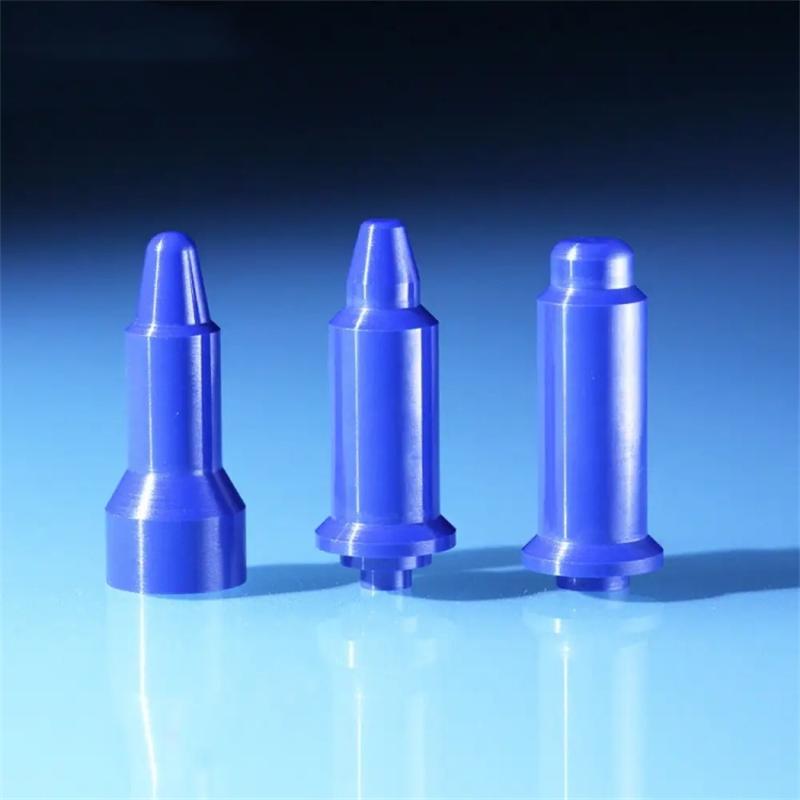
Industrial Equipment: Ceramic bearings, pump seals, cutting tools, and fluid control valves.
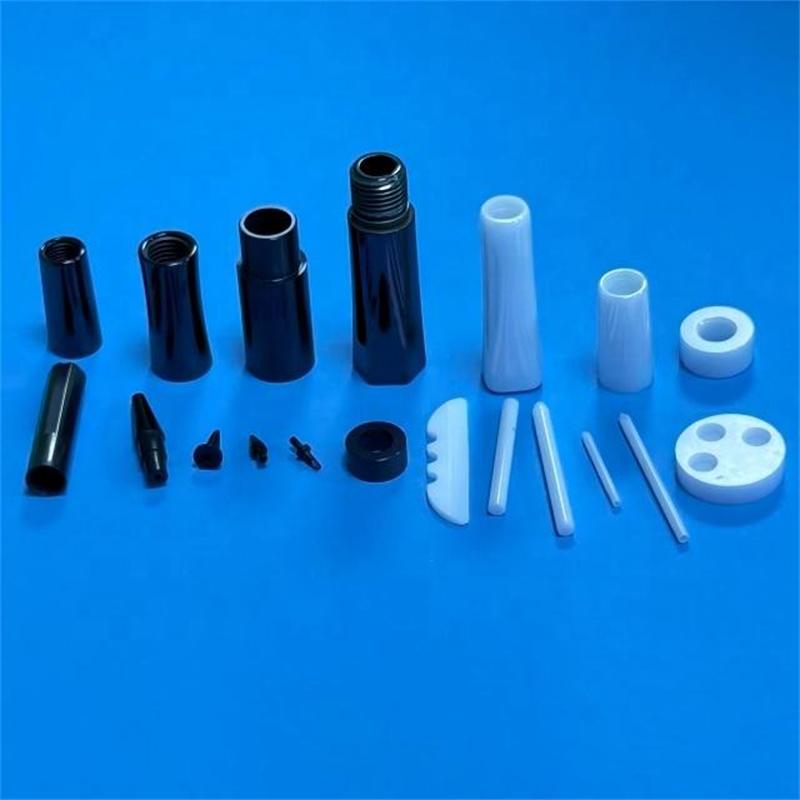
Advantages Compared With Other Ceramic Materials
Zirconia stands out among advanced ceramics due to its unique combination of toughness and strength. While alumina offers excellent electrical insulation and chemical stability, it is inherently brittle. Zirconia’s transformation toughening mechanism allows it to absorb energy and resist crack propagation far better than other oxide ceramics. Furthermore, its coefficient of thermal expansion is similar to that of steel, facilitating reliable metal-to-ceramic bonding and reducing thermal shock risks in composite assemblies.
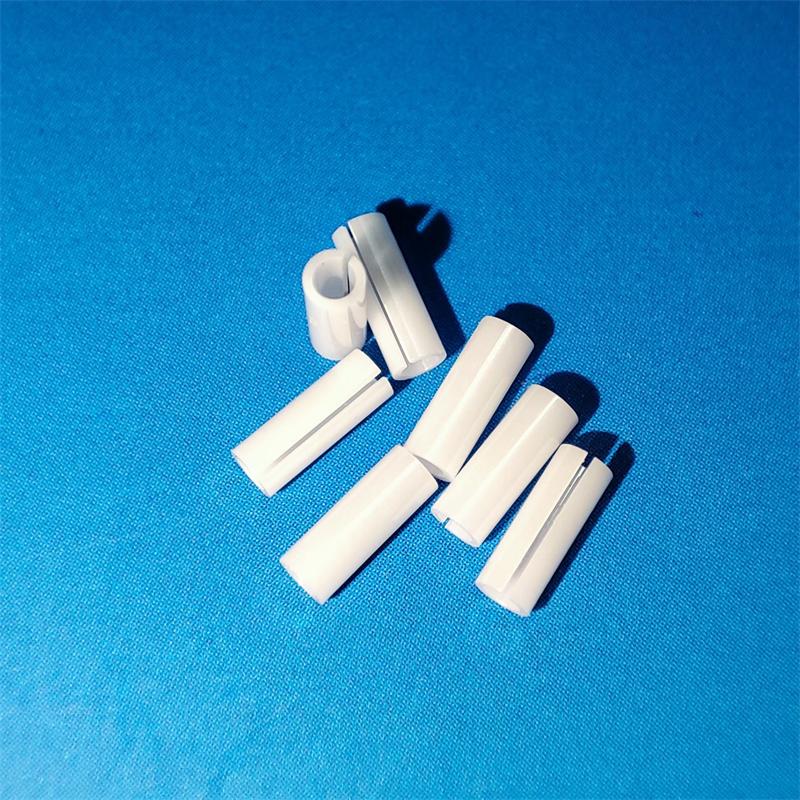
Comparison between Advanced Ceramics and Other Materials
When evaluating advanced ceramics against metals and polymers, zirconia provides distinct operational advantages. Unlike metals, it is immune to corrosion and does not require lubrication in sliding applications, reducing maintenance overhead.
Compared to engineering plastics, zirconia offers vastly superior high-temperature resistance and dimensional stability under load. Although its density is higher than some polymers, its extreme wear resistance ensures a significantly longer service life in abrasive environments, offering a better total cost of ownership for precision engineered components.
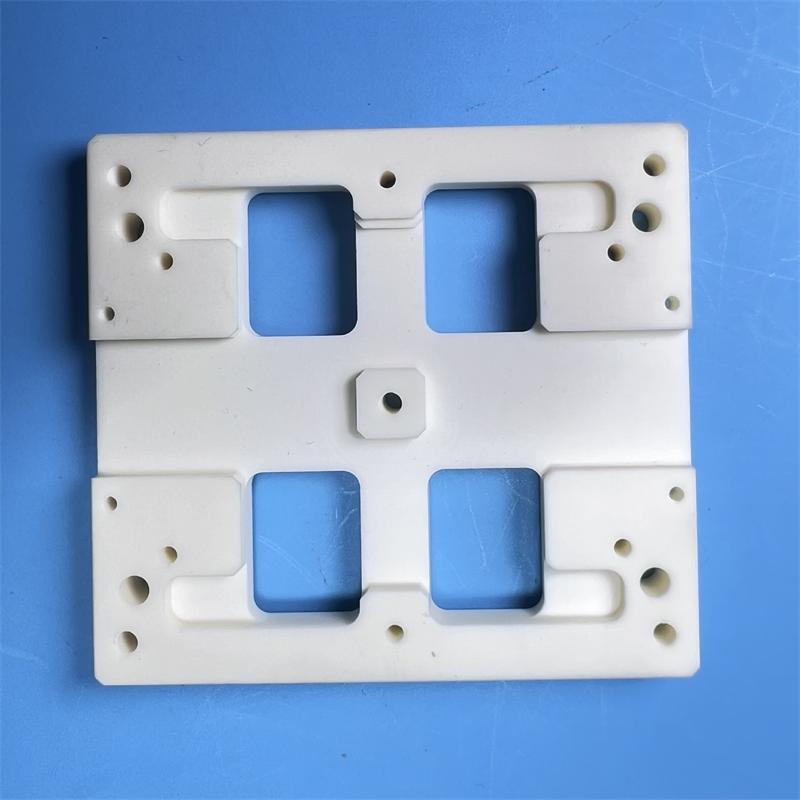
Custom Manufacturing Options
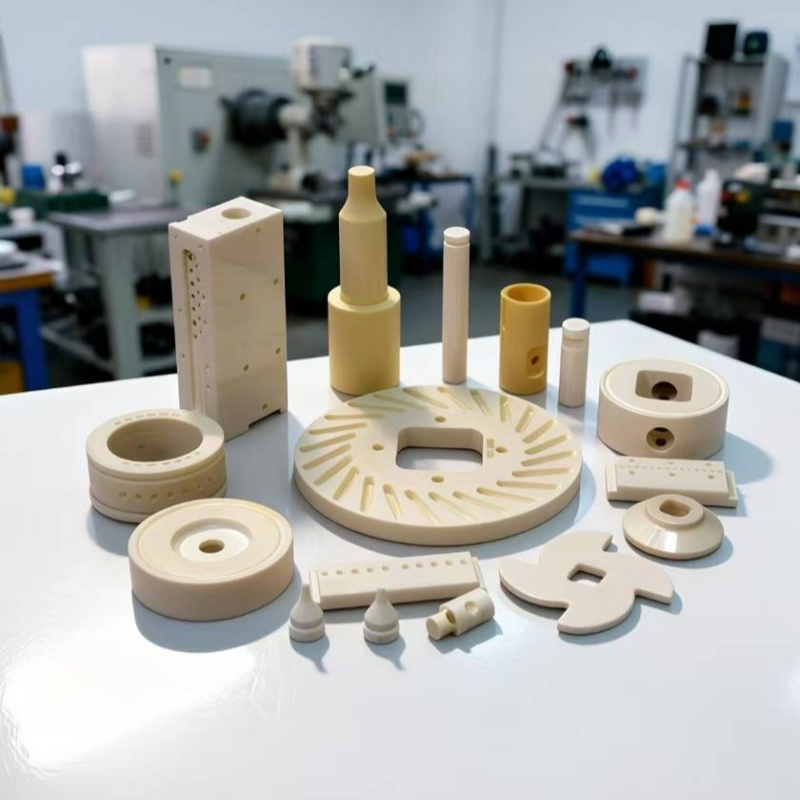
Sourcing custom parts requires a manufacturer with robust OEM capabilities. Precision components are typically produced using advanced forming techniques such as dry pressing, isostatic pressing, or injection molding, followed by high-temperature sintering. Because zirconia is extremely hard post-sintering, custom manufacturing relies on precision machining methods like diamond grinding, ultrasonic machining, and laser cutting to achieve tight tolerances. When requesting custom parts, providing detailed CAD drawings and specifying critical dimensions, surface finish requirements, and mechanical tolerances is vital for the factory to deliver accurate results.
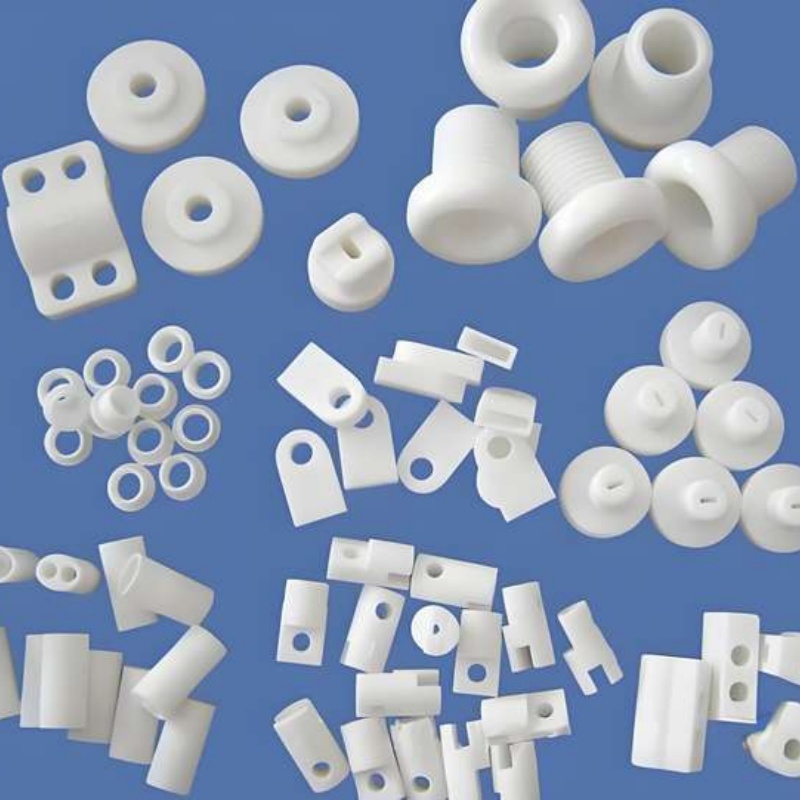
How To Choose The Right Supplier
Selecting a reliable supplier is critical for ensuring component performance. Evaluate potential manufacturers based on their technical expertise, quality control systems, and experience with precision components. A credible supplier should be able to provide material test reports, discuss specific mechanical properties relevant to your application, and offer design-for-manufacturability feedback. Look for a factory that demonstrates a clear understanding of your industry’s specific requirements, whether for medical, semiconductor, or industrial equipment applications.
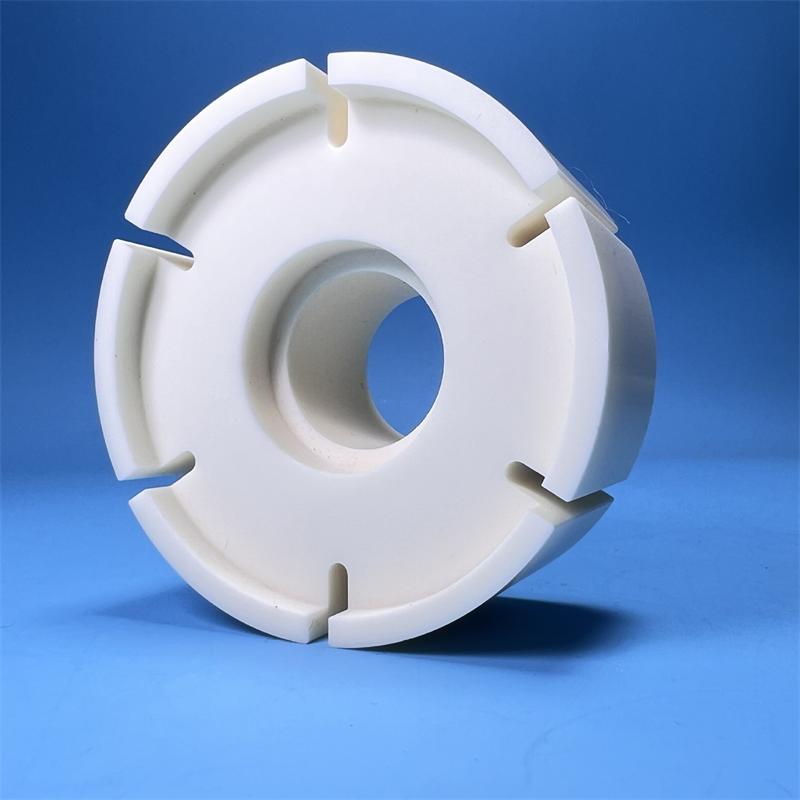
Zirconia ceramic is a high-performance material that delivers unmatched toughness, wear resistance, and thermal stability. By understanding its key properties, typical applications, and manufacturing requirements, procurement teams can make informed decisions. Partnering with an experienced supplier ensures that your custom parts meet the exacting standards required for modern engineering challenges.
FAQ
What is the difference between Alumina and Zirconia ceramics?
Alumina (Al₂O₃) generally offers better electrical insulation and lower cost, but it is more brittle. Zirconia (ZrO₂) provides significantly higher fracture toughness, flexural strength, and wear resistance due to its transformation toughening mechanism, making it better suited for high-stress mechanical applications.
Why is Zirconia used in medical implants?
Zirconia is highly biocompatible, chemically inert, and non-toxic. Its excellent wear resistance and aesthetic white color make it an ideal alternative to metal alloys for dental crowns, bridges, and orthopedic joint replacements.
How do I choose a ceramic component supplier?
When selecting a supplier, evaluate their manufacturing capabilities (e.g., precision grinding, sintering control), quality assurance processes, and engineering support. Ensure they have proven experience in your specific application sector and can provide reliable material certifications.
Can Zirconia ceramics be machined to tight tolerances?
Yes, but it requires specialized equipment. Because zirconia is extremely hard after sintering, it must be machined using diamond tooling, ultrasonic machining, or laser processing. Always consult with the manufacturer during the design phase to ensure tolerances are achievable.
 What Is Polyimide (PI)
What Is Polyphenylene Sulfide (PPS)
What Is Polyimide (PI)
What Is Polyphenylene Sulfide (PPS)
 What is PEEK-for Engineers and Buyers
 Application Scope of Zirconia Ceramic Structural Components