
Alumina Advanced Ceramics Procurement and Usage
In the rapidly evolving landscape of high-tech manufacturing, selecting the right advanced ceramic material is critical for ensuring the longevity and reliability of precision components. Alumina advanced ceramics, primarily composed of aluminum oxide (Al₂O₃), serve as a foundational material across various demanding sectors. Whether you are sourcing for semiconductor fabrication, medical devices, or heavy industrial equipment, understanding the nuances of this material is essential for successful procurement. This guide provides engineers and procurement professionals with actionable insights into evaluating, specifying, and sourcing high-performance alumina components.
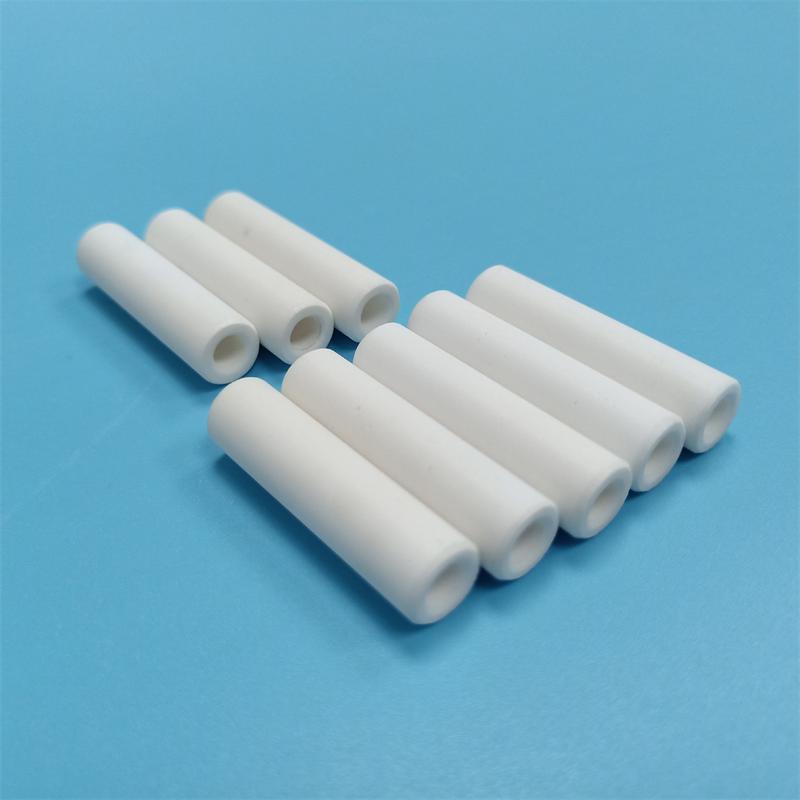
What Is Alumina Advanced Ceramics
Alumina advanced ceramics, also known as aluminum oxide ceramics, are highly engineered materials characterized by their exceptional mechanical strength and chemical stability. Unlike traditional ceramics, they are manufactured using highly purified raw materials and precise sintering processes to achieve specific microstructures. They are typically categorized by purity levels, ranging from standard grades (90-95%) for general industrial use to high-purity (99.5%+) and ultra-pure (99.9%+) variants required in semiconductor and optical applications. This material acts as a versatile baseline for precision components where standard metals or polymers fall short.
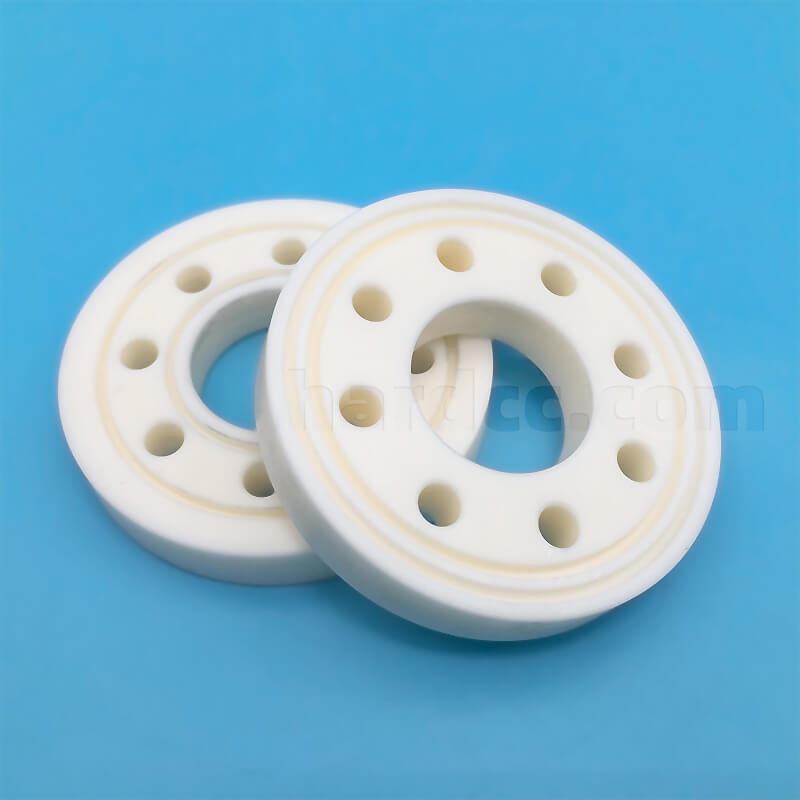
Key Properties Of Alumina Advanced Ceramics
Engineers specify alumina primarily for its balanced set of physical and chemical attributes. Key mechanical properties include outstanding wear resistance and high hardness (Mohs scale of 9), making it ideal for abrasive environments. Thermally, it exhibits high temperature resistance, capable of withstanding continuous operating temperatures up to 1600°C, alongside moderate thermal conductivity. Furthermore, it provides superior electrical insulation and excellent corrosion resistance against most acids, alkalis, and molten metals. These characteristics ensure structural integrity in harsh operational conditions.
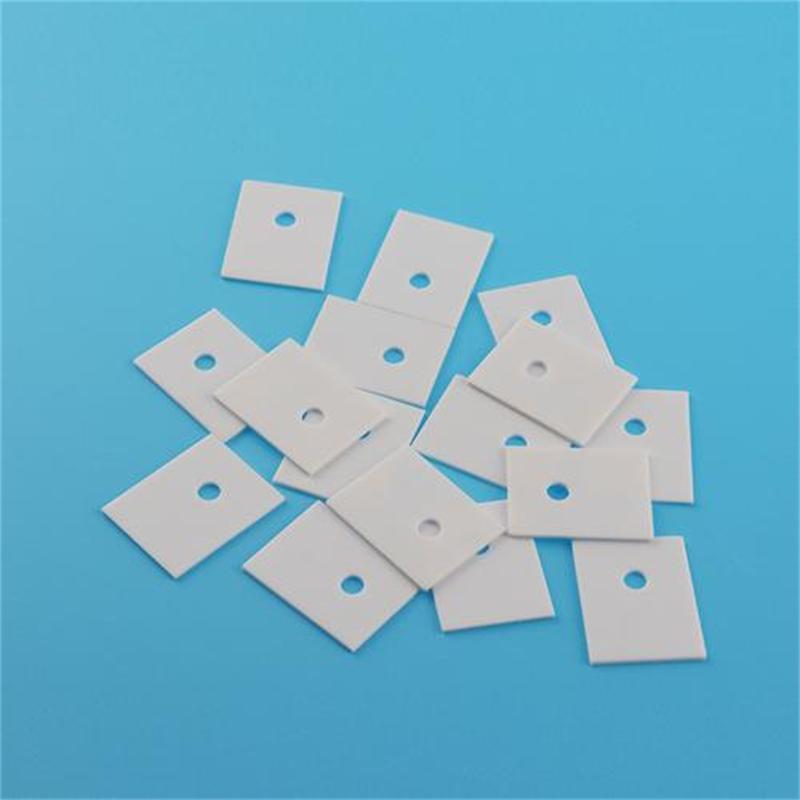
Typical Applications
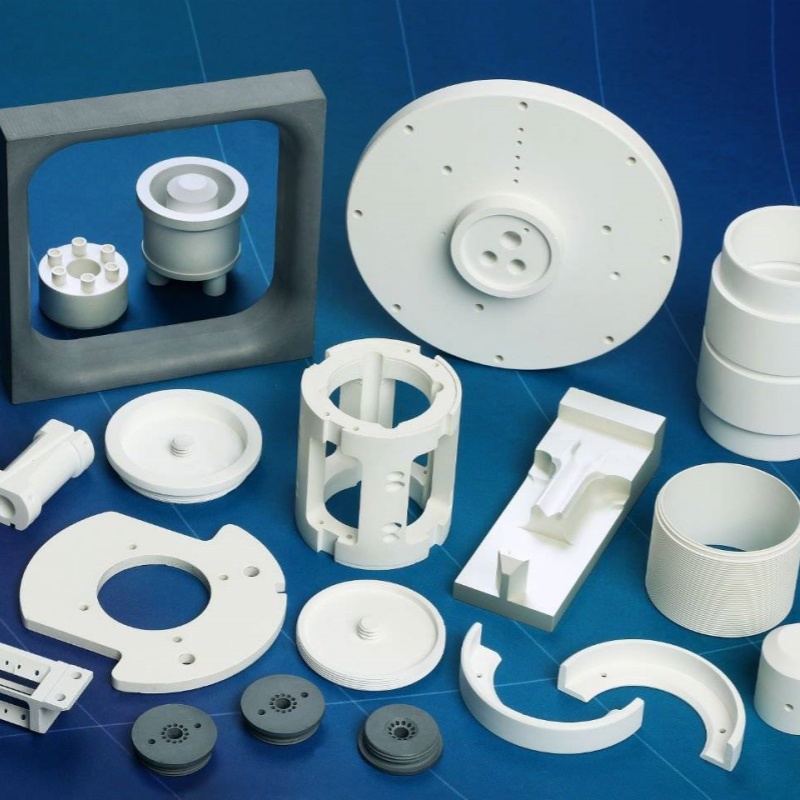
The versatility of alumina makes it indispensable across multiple industries. In the semiconductor sector, high-purity alumina is utilized for chamber liners, electrostatic chucks, and wafer handling components due to its low particle generation and chemical inertness. In electronics, it serves as a reliable substrate for thick and thin-film circuits, leveraging its electrical insulation. Medical applications include biocompatible artificial joints and dental implants. Additionally, the automotive and energy sectors rely on alumina for sensors, ignition components, and wear-resistant parts in industrial equipment.
Advantages Comparison between alumina ceramics and other materials
When evaluating materials, alumina stands out for its cost-effectiveness and comprehensive performance. Compared to zirconia, which offers higher fracture toughness but lower thermal stability, alumina provides superior high-temperature resistance and electrical insulation at a more economical price point. Against silicon nitride, which excels in thermal shock resistance, alumina remains the preferred choice for static, high-wear, and high-insulation applications. Its balanced profile makes it the default selection for many precision components.
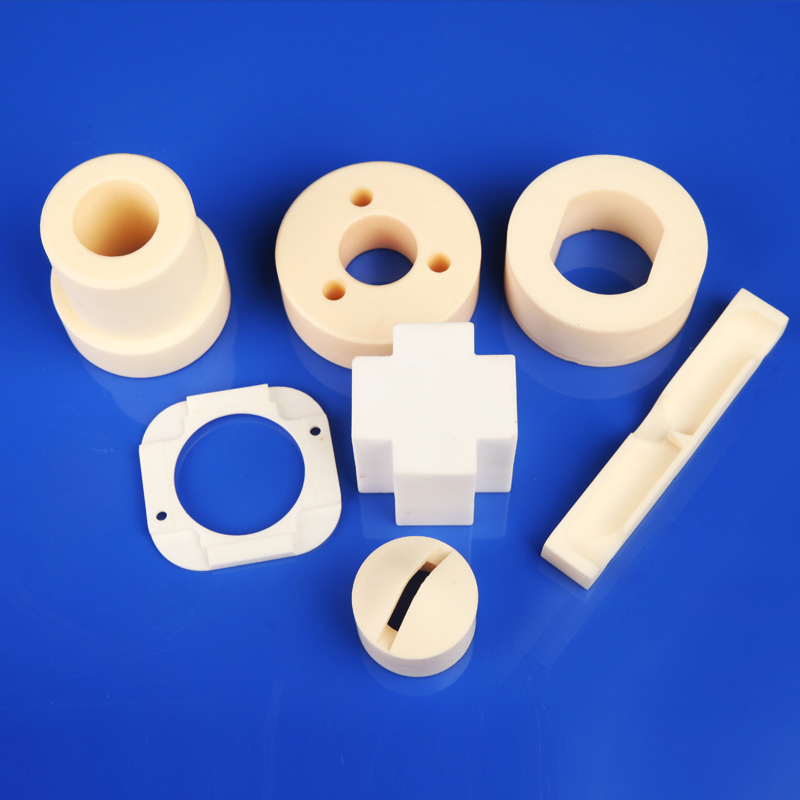
Comparison between Advanced Ceramics and Other Materials
Advanced ceramics fundamentally outperform traditional metals and polymers in extreme environments. While metals may corrode, melt, or deform under high heat and chemical exposure, alumina maintains its structural and electrical properties. Polymers, though lightweight, cannot withstand the mechanical loads or thermal thresholds that ceramics can. The primary trade-off is brittleness; however, precision engineering and proper design mitigate this limitation, allowing ceramics to excel where metallic solutions fail.
Custom Manufacturing Options
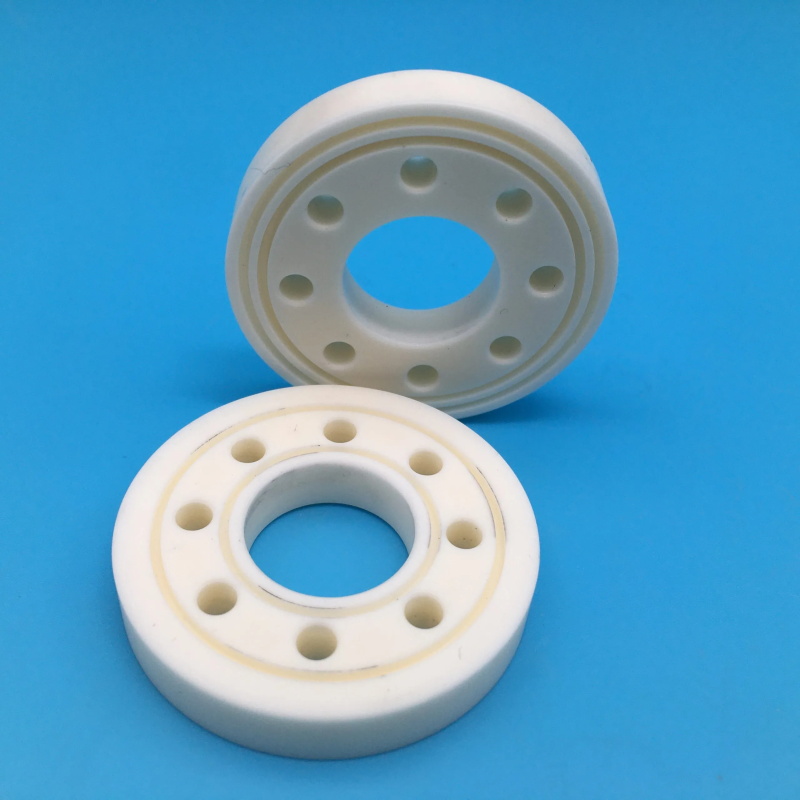
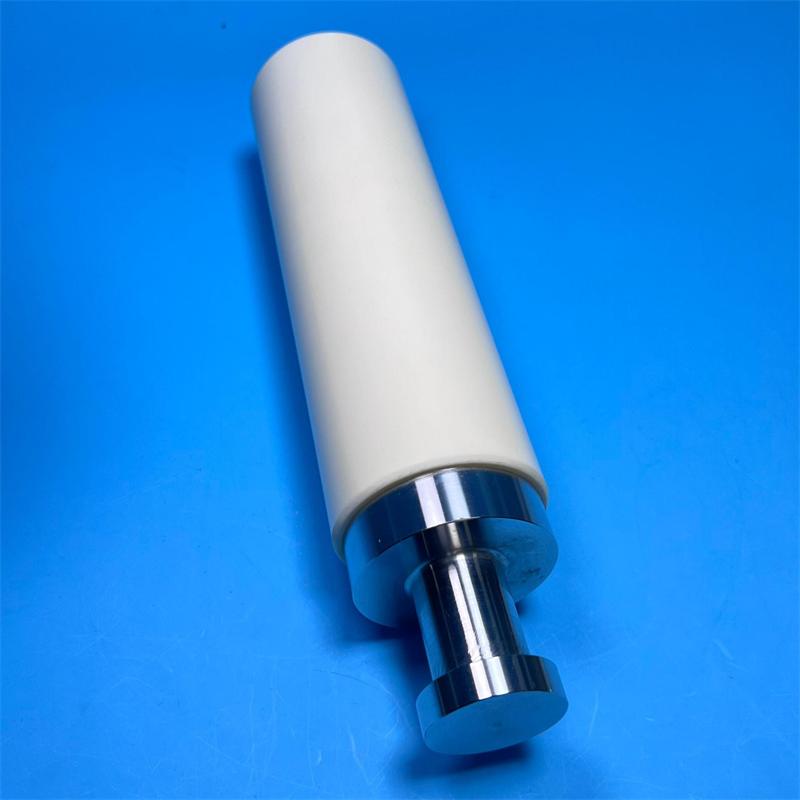
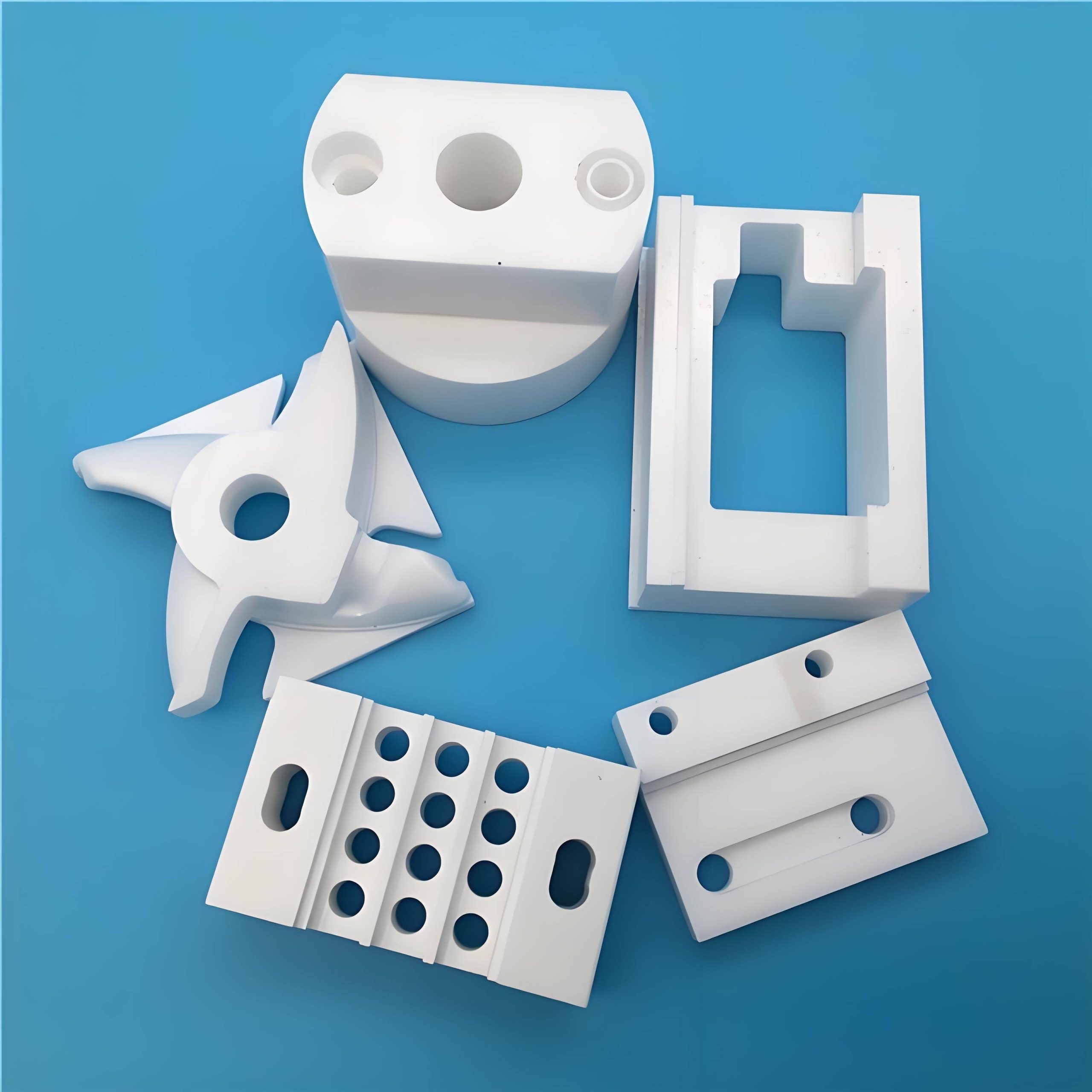
Sourcing precision components often requires tailored solutions. Reputable manufacturers and factories offer extensive OEM and custom parts capabilities. This includes various forming techniques like dry pressing, isostatic pressing, and injection molding, followed by precision CNC machining and grinding to achieve tight tolerances (e.g., ±0.005mm). When requesting custom parts, engineers must provide detailed drawings specifying dimensional tolerances, surface roughness, and critical mechanical properties to ensure the final product meets exact application requirements.
How To Choose The Right Supplier
Selecting a reliable supplier is as crucial as material selection. Evaluate potential manufacturers based on their technical expertise, quality management systems (e.g., ISO 9001 certification), and in-house processing capabilities. A credible supplier should offer material traceability, comprehensive testing (density, hardness, CMM dimensional reports), and responsive engineering support. Requesting samples and verifying their experience with similar high-performance applications can significantly reduce supply chain risks and ensure consistent product quality.
Alumina advanced ceramics remain a cornerstone of modern engineering, offering a reliable combination of wear resistance, thermal stability, and electrical insulation. By understanding its properties, comparing it accurately against alternative materials, and partnering with capable suppliers, procurement teams can confidently integrate these high-performance materials into their designs. Following this guide ensures that your sourcing decisions align with both technical requirements and long-term operational success.
FAQ
What is the difference between Alumina and Zirconia ceramics?
Alumina offers better electrical insulation, higher temperature resistance, and lower cost, making it ideal for static, high-heat applications. Zirconia provides superior fracture toughness and impact resistance but has a lower maximum operating temperature and higher density.
Why is high-purity Alumina used in semiconductor equipment?
High-purity alumina (99.9%+) minimizes metallic impurities and prevents ion contamination in ultra-clean environments. Its excellent electrical insulation and chemical resistance ensure process stability during semiconductor fabrication.
How do I choose a ceramic component supplier?
Focus on suppliers with ISO certifications, in-house precision machining capabilities, and robust quality control testing (such as CMM and material density testing). Verify their experience in your specific industry and request technical documentation or samples before committing.
What temperature can Alumina ceramics withstand?
Standard alumina can typically withstand continuous operating temperatures up to 1600°C. High-purity variants with specialized sintering processes can endure even higher temperatures, though exact limits depend on the specific grade and mechanical load.
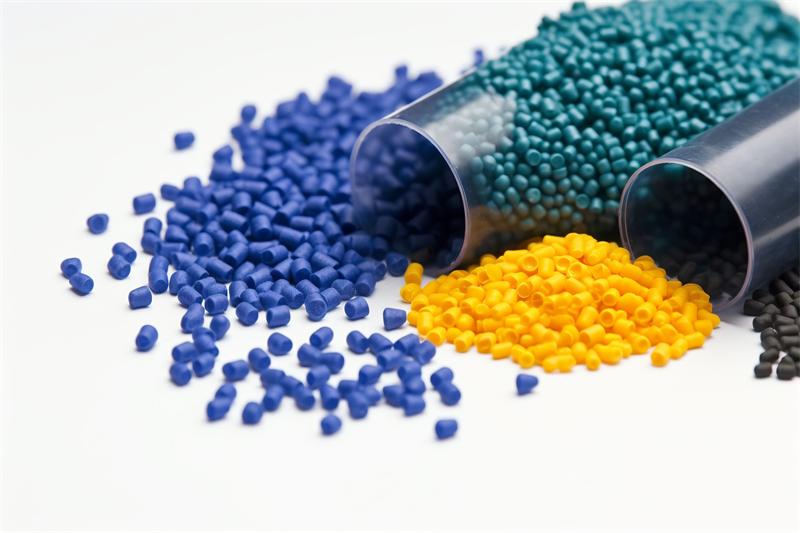 What Is Polyimide (PI)
What Is Polyphenylene Sulfide (PPS)
What Is Polyimide (PI)
What Is Polyphenylene Sulfide (PPS)
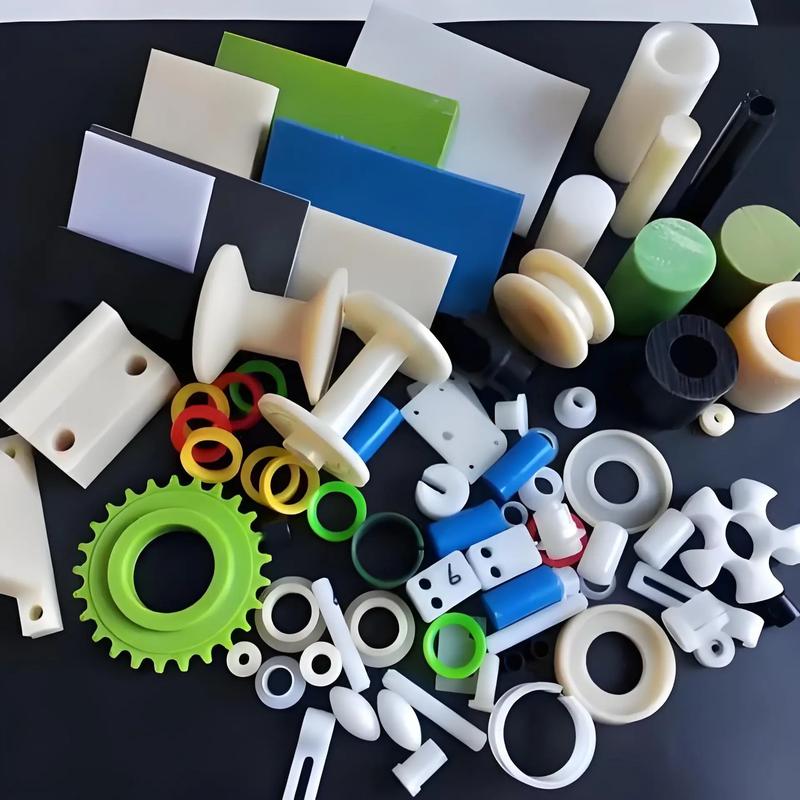 What is PEEK-for Engineers and Buyers
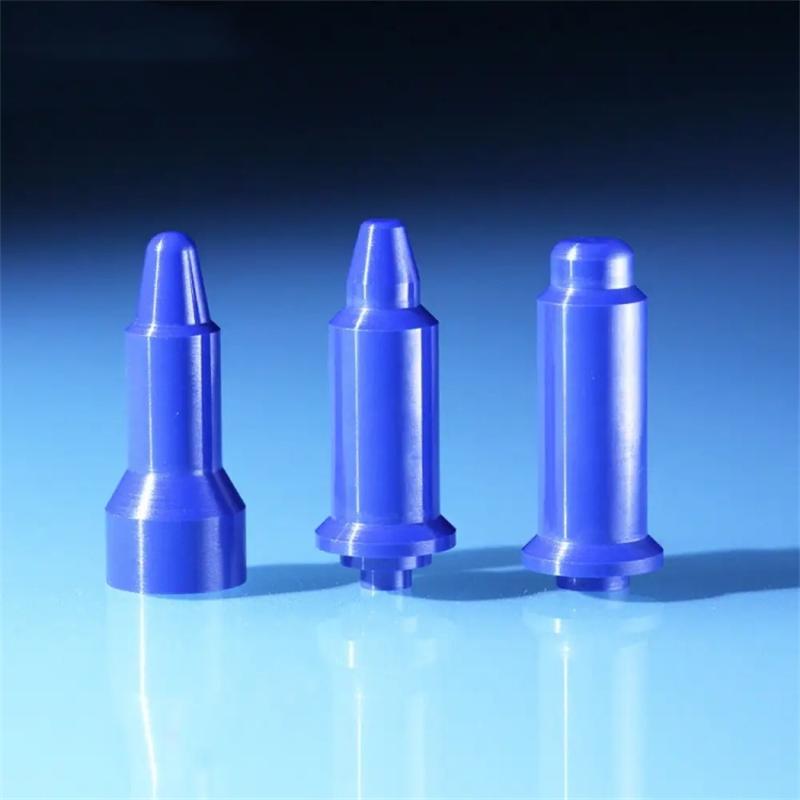 Application Scope of Zirconia Ceramic Structural Components