
Silicon Carbide Advanced Ceramics Procurement and Usage
In modern high-tech manufacturing, selecting the right structural material is critical to ensuring equipment reliability and longevity. Silicon carbide advanced ceramics have emerged as a high-performance engineering solution for environments where traditional metals and polymers fail. As industries push the boundaries of extreme temperatures and corrosive conditions, understanding the technical specifications and procurement strategies for these precision components is essential for engineers and buyers.
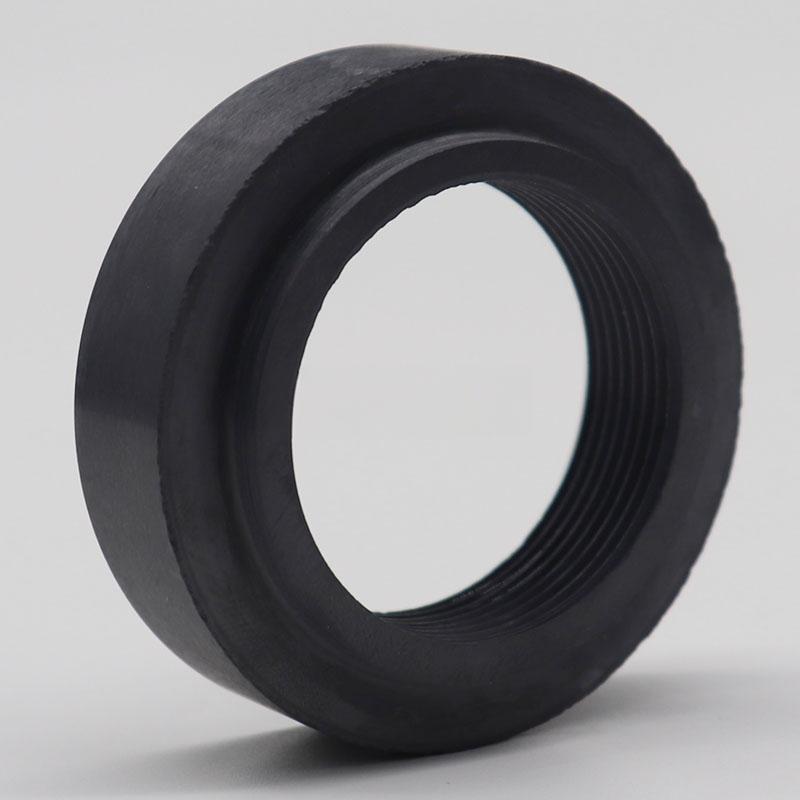
What Is Silicon Carbide Advanced Ceramics?
Silicon carbide (SiC) is a covalently bonded technical ceramic known for its exceptional hardness and thermal stability. Manufactured through processes like pressureless sintering or reaction bonding, it is widely utilized in demanding sectors. Sourcing these custom parts from a reliable manufacturer ensures that the components meet stringent engineering requirements for industrial equipment and high-tech applications.
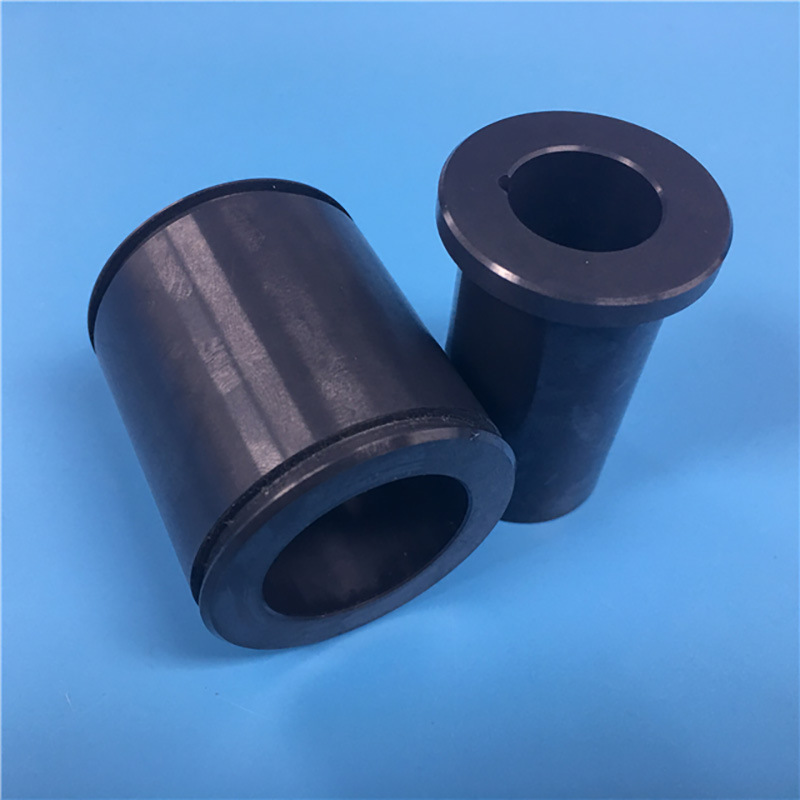
Key Properties Of Silicon Carbide Advanced Ceramics
The widespread adoption of SiC is driven by its superior mechanical and thermal characteristics. Key engineering properties include:
High Temperature Resistance: Capable of continuous operation in air environments exceeding 1600°C without significant degradation.
Thermal Conductivity: Exhibits excellent thermal conductivity (100-200 W/m·K), allowing for rapid heat dissipation.
Wear Resistance: With a Mohs hardness of 9.5, it offers exceptional resistance to abrasive wear and friction.
Corrosion Resistance: Highly inert against strong acids, alkalis, and aggressive chemical environments.
Electrical Insulation: Maintains high volume resistivity at room temperature, making it suitable for specific electronic applications.
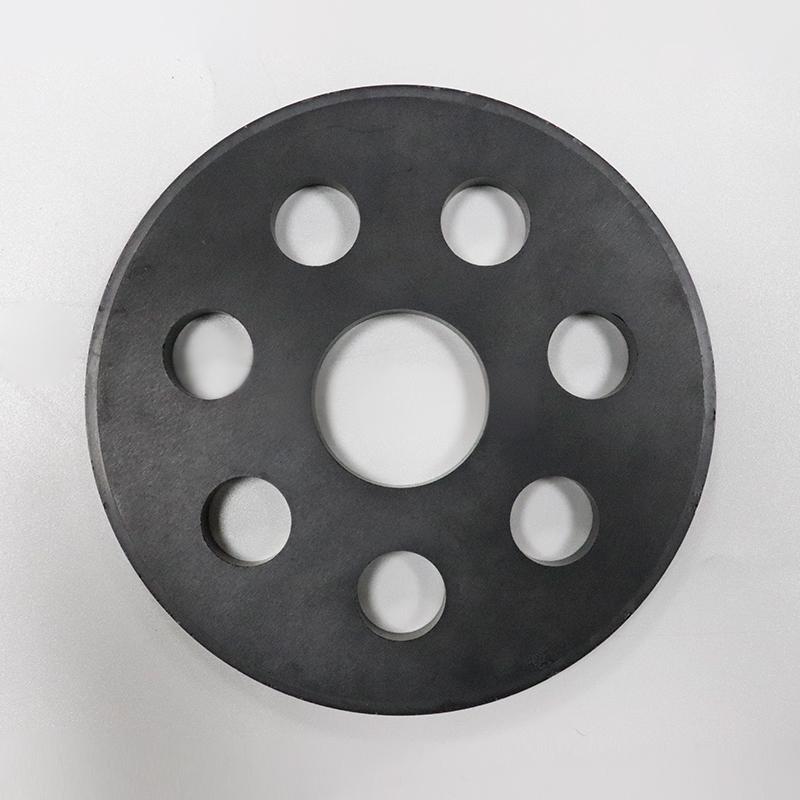
Typical Applications
Due to its robust performance, SiC is extensively used across various advanced sectors:
Semiconductor & Electronics: Wafer carriers, focus rings, and susceptor bases in CVD and etching equipment.
Energy: Components for solar thermal systems, nuclear reactors, and waste incineration linings.
Automotive: High-performance bearings, turbocharger rotors, and EV thermal management parts.
Medical: Precision surgical tools and sterilization equipment components.
Industrial Equipment: Mechanical seals, pump bushings, and abrasive waterjet nozzles.
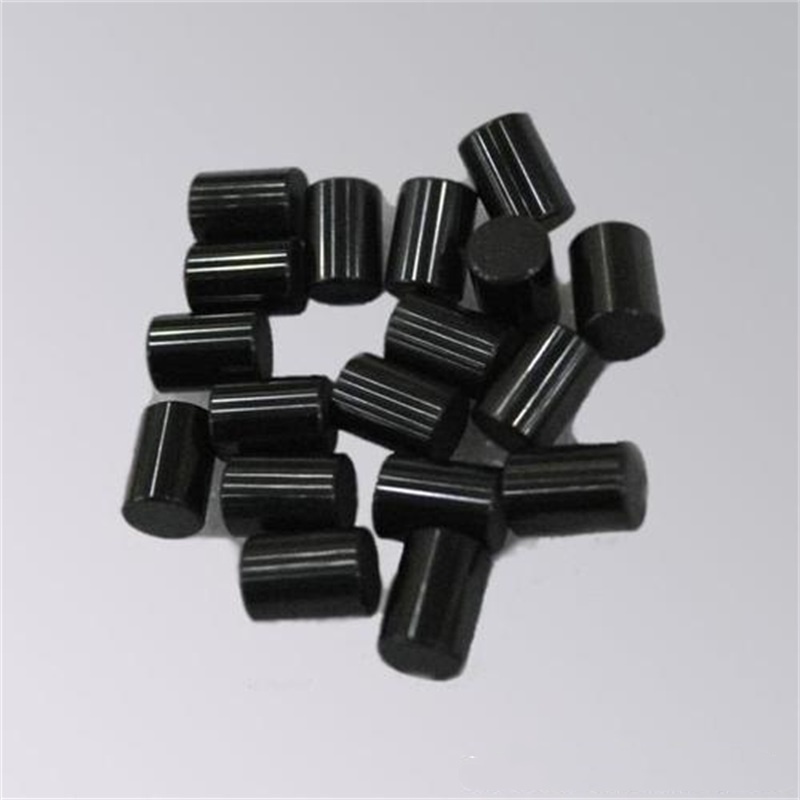
Advantages Compared With Other Ceramic Materials
When evaluating advanced ceramics, silicon carbide offers distinct advantages over traditional options.
Compared to alumina, SiC provides significantly higher thermal conductivity and wear resistance. Against zirconia, it offers superior high-temperature stability and chemical inertness. While silicon nitride offers higher toughness, SiC excels in thermal shock resistance and extreme temperature environments, making it the preferred choice for high-heat industrial applications.
Comparison between Advanced Ceramics and Other Materials
Engineers often weigh SiC against metals and polymers. Unlike metals, SiC does not oxidize easily at high temperatures and is significantly lighter, reducing the inertia of moving parts. Compared to polymers, it maintains dimensional stability and mechanical strength under extreme thermal and chemical stress. This makes SiC an industry-proven replacement for components that frequently fail due to thermal fatigue or chemical erosion.
Custom Manufacturing Options
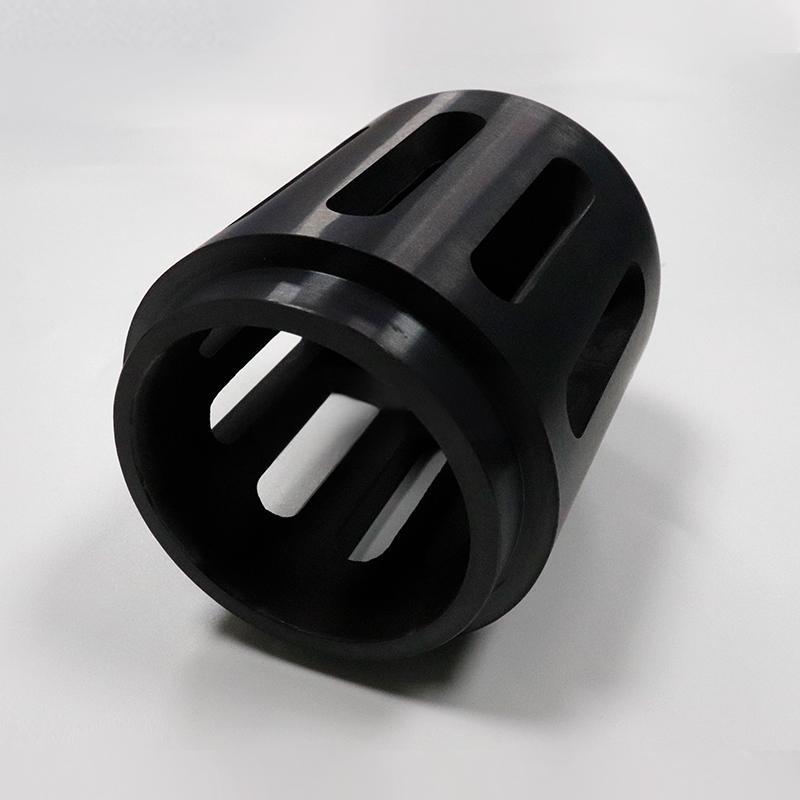
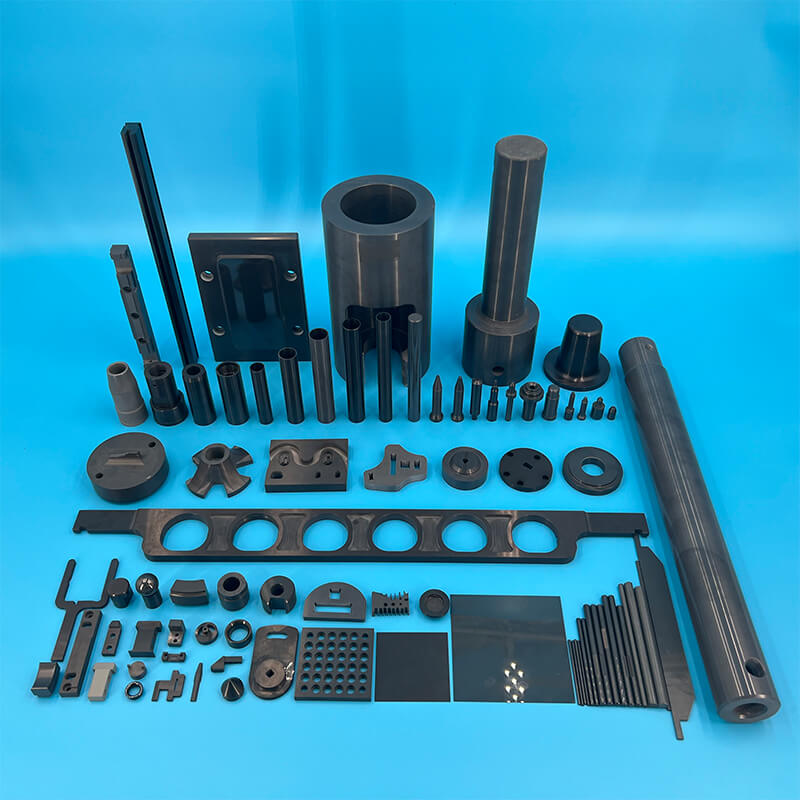
Standard sizes rarely meet the exact needs of advanced engineering. A competent factory offers comprehensive OEM and custom manufacturing services. This includes precision CNC grinding, diamond machining, and laser cutting to achieve tight tolerances (±0.005 mm) and fine surface finishes (Ra 0.1–0.4 μm). Custom mold design and metallization capabilities further allow for seamless integration into complex mechanical assemblies.
How To Choose The Right Supplier
Selecting a reliable supplier is as important as the material itself. Buyers should evaluate potential partners based on:
In-House Capabilities: Ensure the supplier handles forming, sintering, and precision machining internally to maintain quality control.
Technical Support: Look for a manufacturer that offers Design for Manufacturing (DFM) feedback to optimize part geometry.
Quality Assurance: Verify that the factory employs rigorous IQC/IPQC/OQC inspections and provides comprehensive material test reports.
Industry Experience: Prioritize suppliers with a proven track record in your specific application sector, such as semiconductor or automotive.
Silicon carbide advanced ceramics provide unmatched performance for extreme engineering challenges. By understanding the material’s properties and partnering with an experienced manufacturer, procurement teams can source reliable precision components that enhance equipment lifespan and operational efficiency. Always base purchasing decisions on verified technical data and manufacturing capabilities rather than cost alone.
Frequently Asked Questions
What is the maximum operating temperature for silicon carbide ceramics?
Silicon carbide can withstand continuous operating temperatures up to 1600°C in oxidizing atmospheres and even higher temperatures in inert environments.
How does silicon carbide compare to alumina in terms of thermal conductivity?
Silicon carbide has a thermal conductivity of 100-200 W/m·K, which is significantly higher than alumina’s 20-30 W/m·K, making it much more effective for heat dissipation.
Can silicon carbide ceramic parts be custom manufactured to tight tolerances?
Yes, with specialized diamond grinding and CNC machining, precision components can be manufactured to tolerances as tight as ±0.002 mm with optical-grade surface finishes.
Why is silicon carbide preferred for semiconductor equipment?
Its high purity, excellent resistance to plasma erosion, and low thermal expansion coefficient make it ideal for maintaining strict contamination and dimensional standards in semiconductor fabrication.
 What Is Polyimide (PI)
What Is Polyphenylene Sulfide (PPS)
What Is Polyimide (PI)
What Is Polyphenylene Sulfide (PPS)
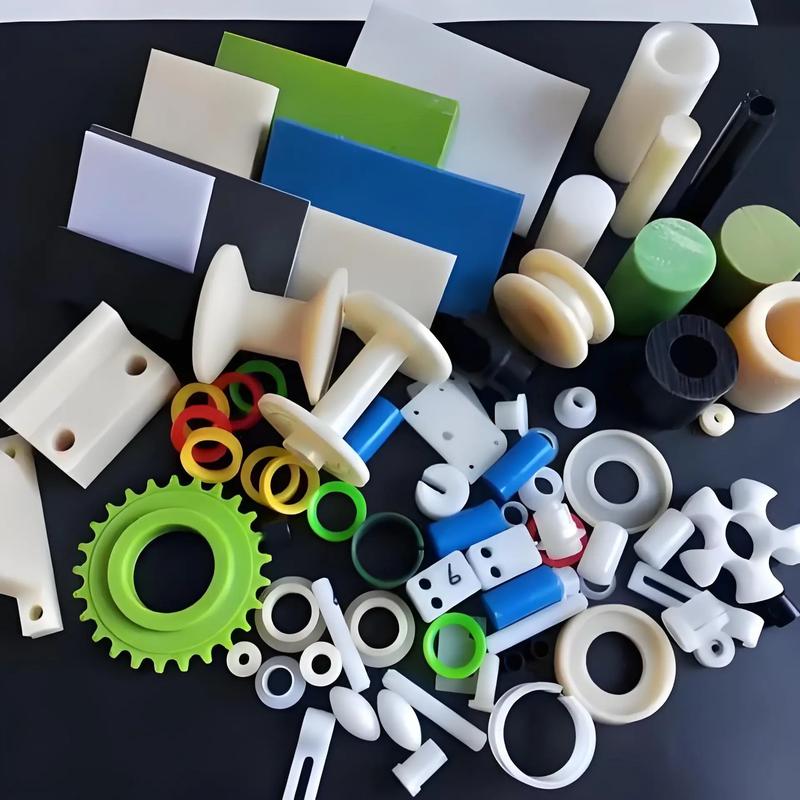 What is PEEK-for Engineers and Buyers
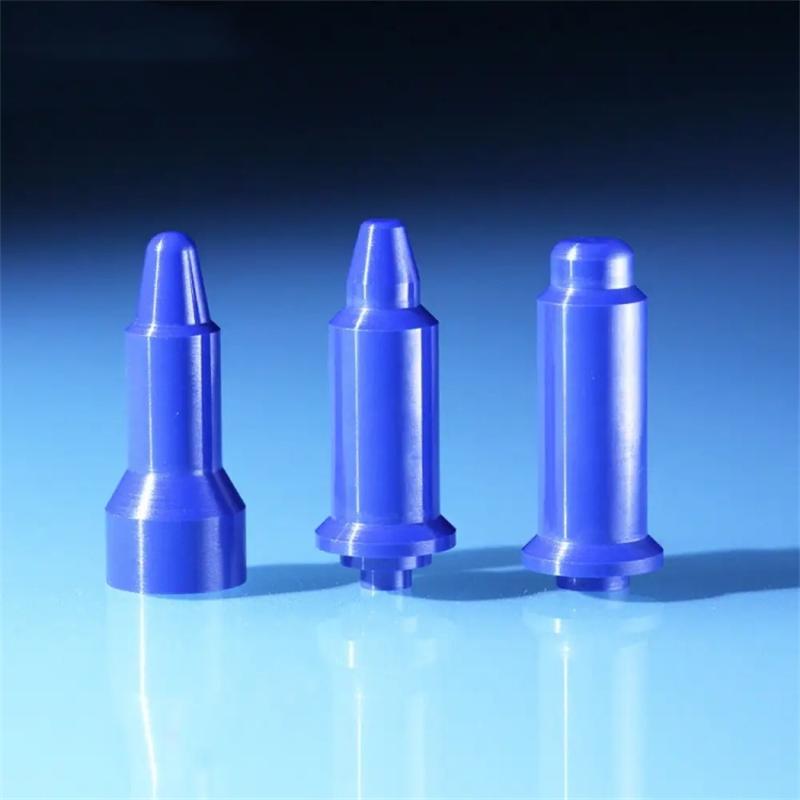 Application Scope of Zirconia Ceramic Structural Components