
Silicon Nitride Ceramic Procurement and Usage
In advanced engineering and manufacturing, selecting the right structural material is critical for ensuring long-term reliability and performance. Silicon nitride (Si₃N₄) has emerged as a high-performance engineering ceramic that bridges the gap between traditional metals and standard ceramics. For procurement professionals and engineers, understanding its unique characteristics is essential when sourcing precision components for demanding environments.
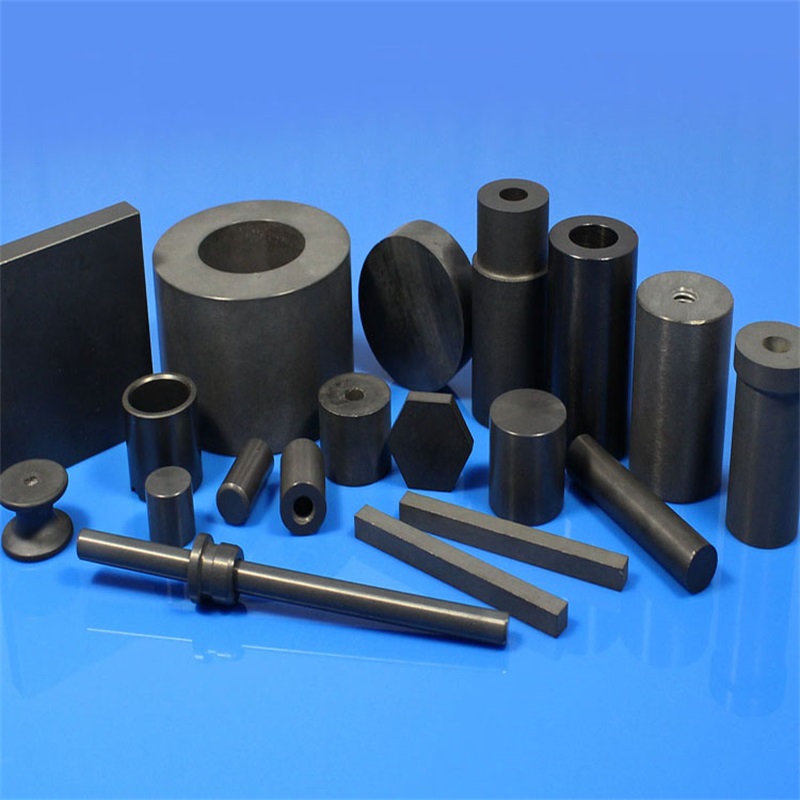
What Is Silicon Nitride Ceramic
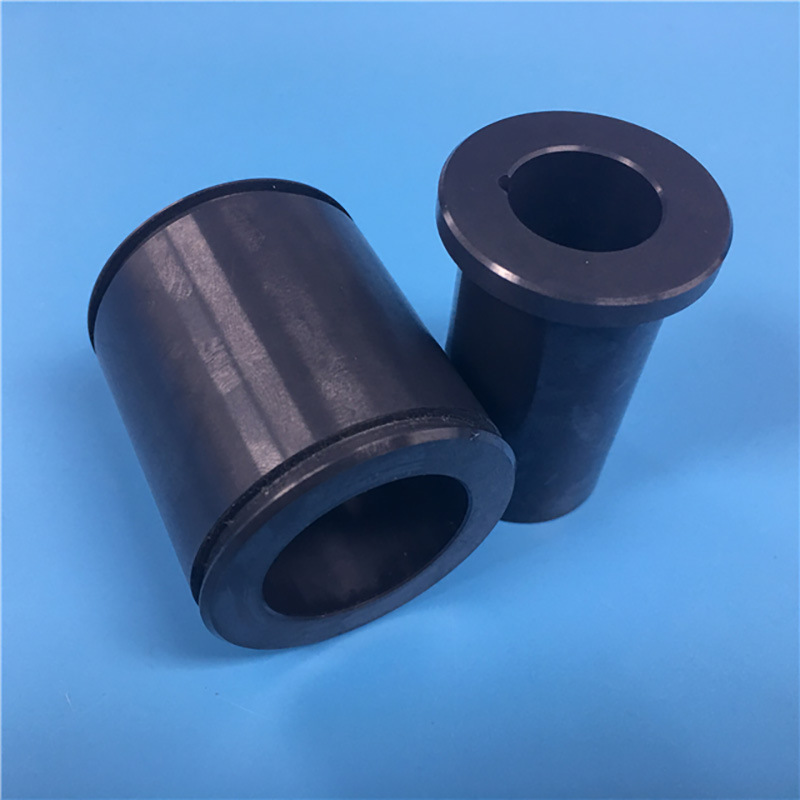
Silicon nitride is a synthetic, inorganic non-metallic material formed by the strong covalent bonding of silicon and nitrogen atoms. It is widely recognized as a premium structural ceramic that offers an exceptional balance of mechanical strength, thermal stability, and wear resistance. Unlike traditional oxide ceramics, silicon nitride maintains its structural integrity and mechanical properties at elevated temperatures, making it an industry-proven solution for high-stress environments in the automotive, semiconductor, and energy sectors.
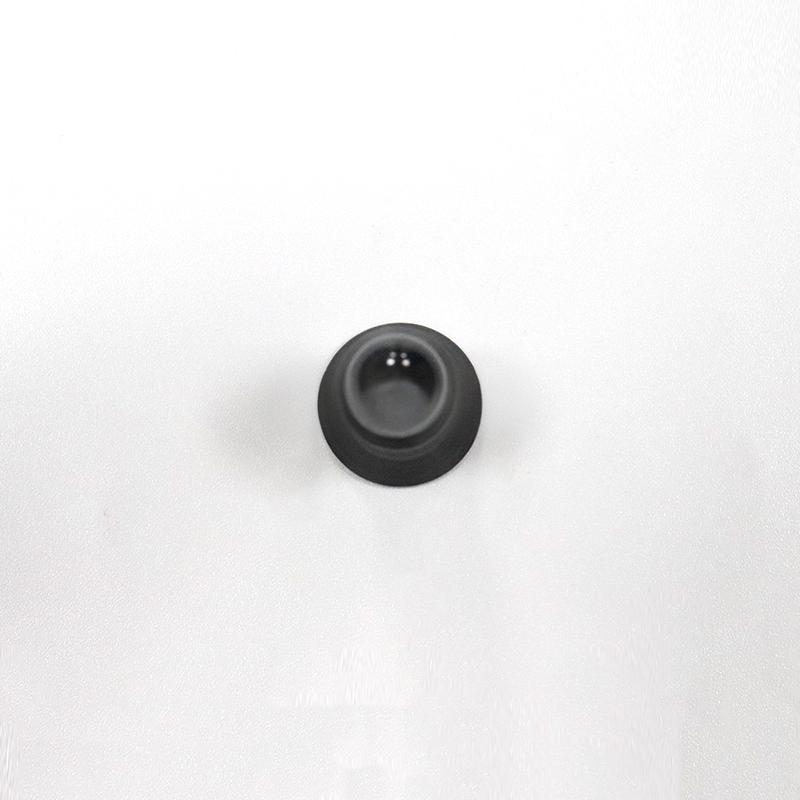
Key Properties Of Silicon Nitride Ceramic
Engineers select this material due to its outstanding mechanical properties and thermal characteristics:
High Temperature Resistance: It can operate continuously at temperatures up to 1200°C in oxidizing atmospheres and even higher in inert environments without significant degradation.
Exceptional Wear Resistance: With a hardness approaching 15-20 GPa, it provides superior abrasion resistance in high-friction applications.
Thermal Conductivity & Shock Resistance: It features a thermal conductivity of 80-120 W/m·K and a low coefficient of thermal expansion (~3.0×10⁻⁶/K). This combination allows it to withstand severe thermal shock and rapid temperature cycling without fracturing.
Electrical Insulation: It acts as a reliable dielectric, maintaining high volume resistivity even at elevated temperatures.
Corrosion Resistance: It exhibits excellent chemical inertness against most acids, alkalis, and molten non-ferrous metals.
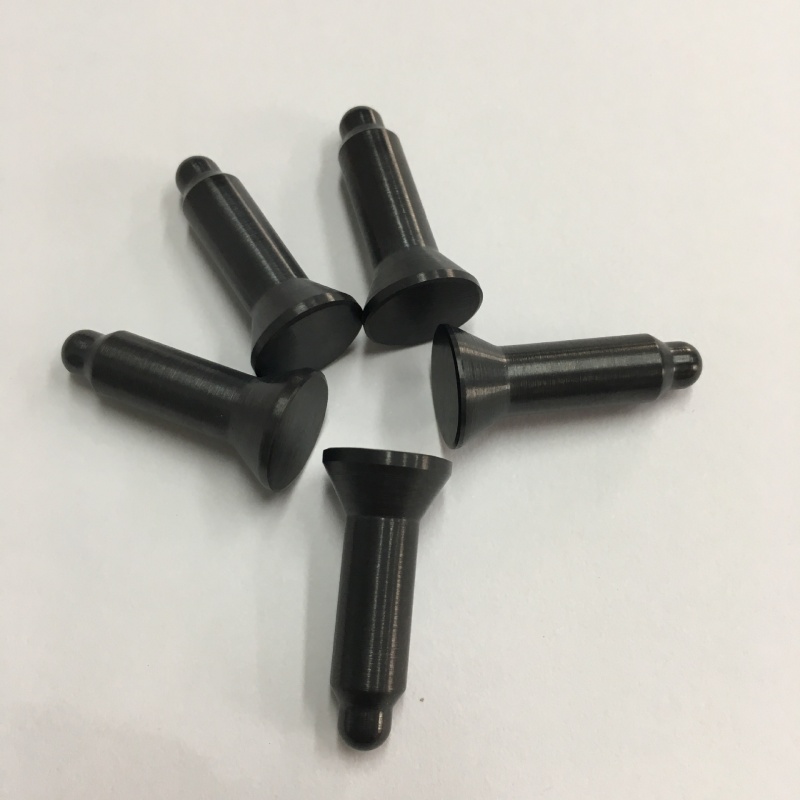
Typical Applications
Due to its versatile performance, silicon nitride is extensively utilized across multiple industries:
Automotive: Turbocharger rotors, exhaust valves, and high-speed ceramic bearings.
Semiconductor & Electronics: Insulating substrates, heat spreaders, and wafer handling components in etching equipment.
Medical: Orthopedic implants and spinal fusion devices, benefiting from its biocompatibility and radiolucency.
Energy & Industrial Equipment: Gas turbine components, mechanical seals, and thermocouple protection tubes in metallurgical processes.
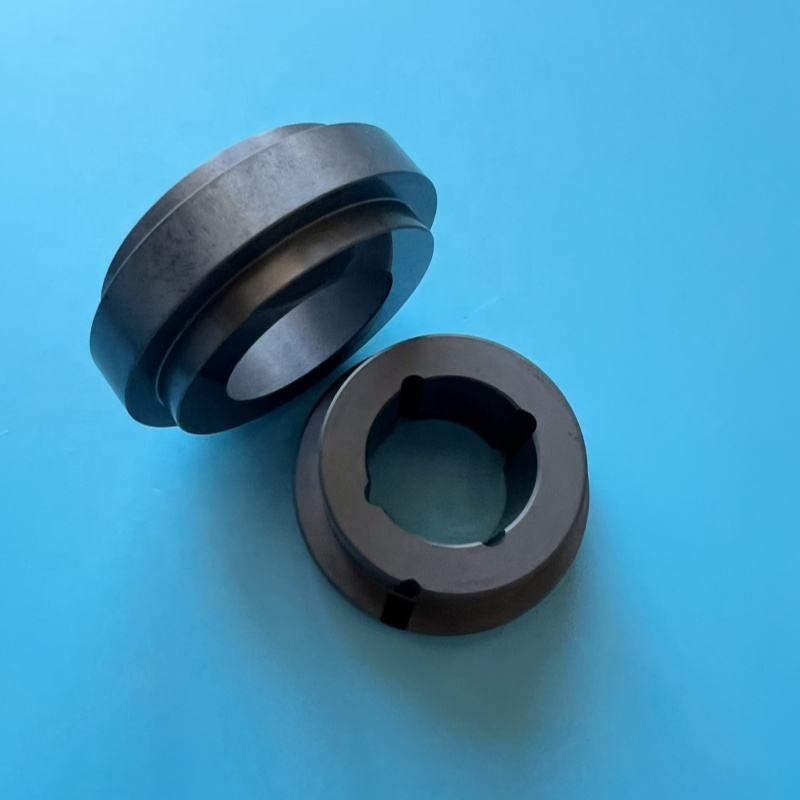
Advantages Compared With Other Ceramic Materials
Silicon nitride offers distinct advantages over conventional ceramics. Compared to alumina (Al₂O₃), it possesses 2 to 3 times higher fracture toughness, significantly reducing the risk of catastrophic failure under mechanical or thermal shock. When compared to zirconia (ZrO₂), silicon nitride retains its strength at much higher temperatures, whereas zirconia typically degrades above 800°C. Furthermore, its lower density (approx. 3.2 g/cm³) reduces rotational inertia, making it superior to steel in high-speed bearing applications.
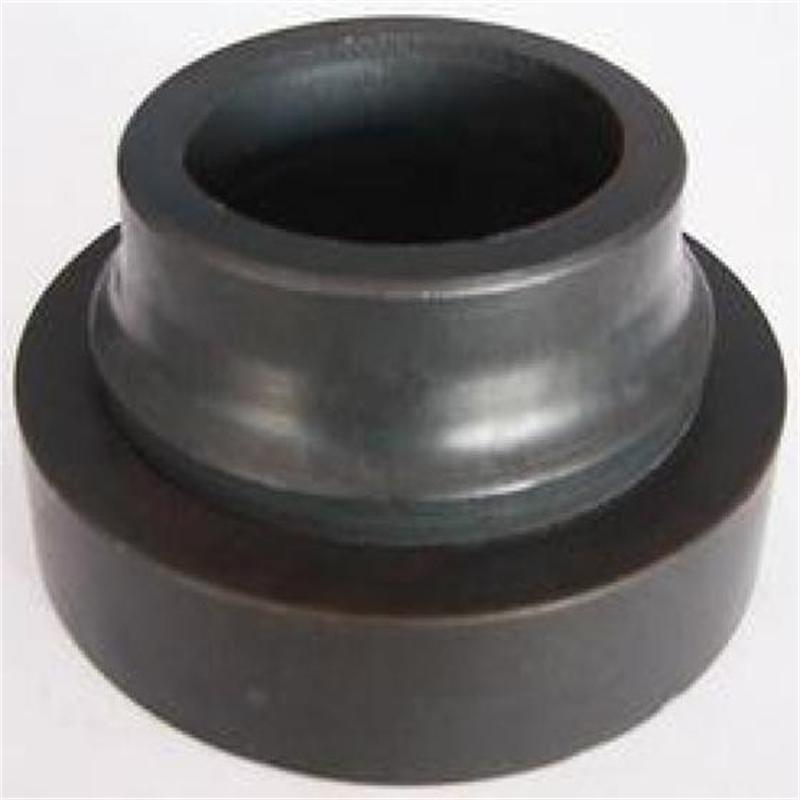
Comparison between Advanced Ceramics and Other Materials
While aluminum nitride (AlN) offers higher thermal conductivity, silicon nitride provides superior mechanical reliability and fracture toughness. Conversely, silicon carbide (SiC) offers greater hardness, but silicon nitride excels in thermal shock resistance and has a thermal expansion coefficient that closely matches silicon chips, reducing interfacial stress in electronic packaging.
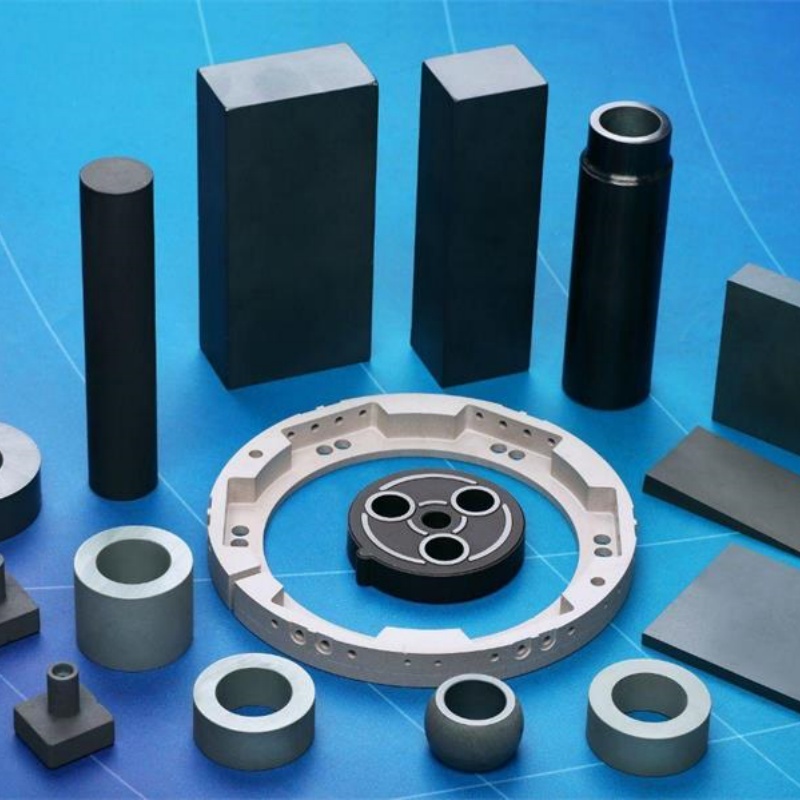
Custom Manufacturing Options
Sourcing custom parts requires a reliable manufacturer capable of precision engineering. Advanced factories utilize Gas Pressure Sintering (GPS) or Hot Press Sintering (HPS) to achieve near-net shapes and high densities. OEM partners should offer comprehensive custom manufacturing options, including precision grinding, lapping, and polishing, to meet tight tolerances for complex precision components.
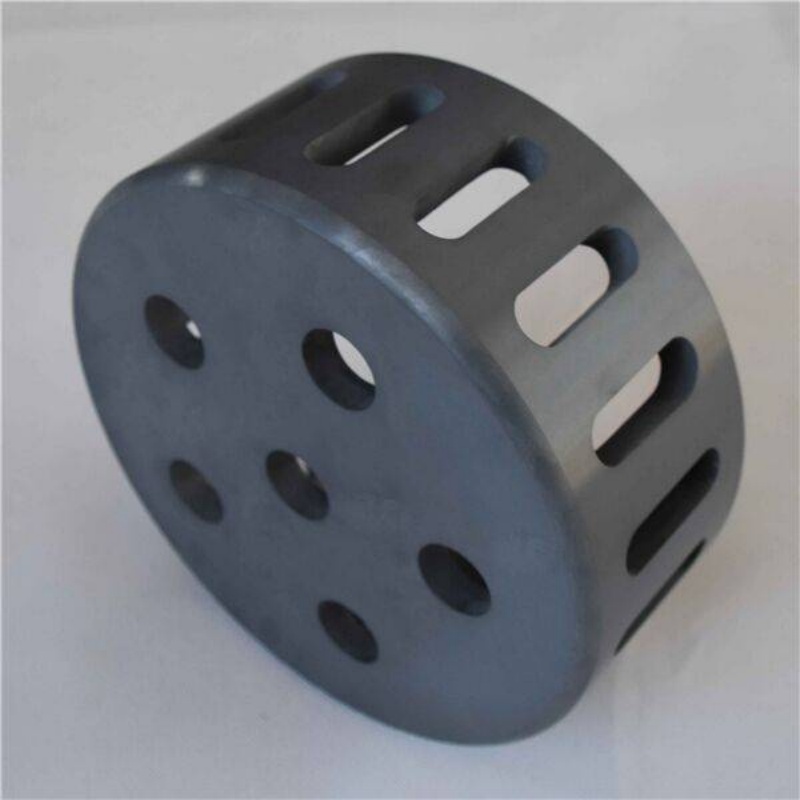
How To Choose The Right Supplier
When selecting a supplier, evaluate their technical expertise, quality control systems, and manufacturing capabilities. A reliable supplier will provide detailed material data sheets, maintain consistent raw material sourcing, and possess the machining infrastructure required for advanced ceramics. Clear communication regarding custom specifications and lead times is also a hallmark of a dependable manufacturing partner.
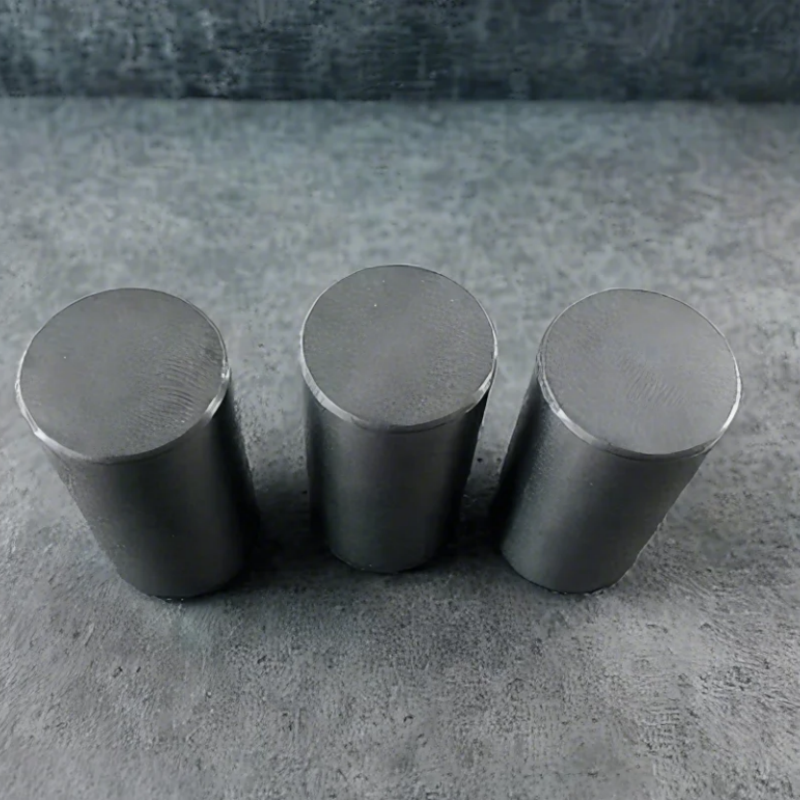
Silicon nitride ceramic is a critical material for modern engineering, offering unmatched toughness, thermal stability, and wear resistance. By understanding its properties and partnering with a capable manufacturer, procurement teams can successfully integrate custom silicon nitride components into high-performance systems, ensuring durability and operational excellence.
FAQ
What temperature can Silicon Nitride withstand?
Silicon nitride can operate continuously at temperatures up to 1200°C in air, and up to 1400-1600°C in inert atmospheres, while maintaining its mechanical strength.
Why is Silicon Nitride preferred over Alumina for bearings?
Silicon nitride has a significantly higher fracture toughness and better thermal shock resistance than alumina, making it highly resistant to impact and thermal cycling in high-speed rotating applications.
How do I choose a ceramic component supplier?
Look for a manufacturer with proven experience in advanced ceramics, transparent quality control processes, and the ability to provide precision machining and custom OEM services.
Can Silicon Nitride be used in corrosive environments?
Yes, silicon nitride exhibits excellent corrosion resistance against most acids, alkalis, and molten non-ferrous metals, making it ideal for harsh chemical and metallurgical applications.
 What Is Polyimide (PI)
What Is Polyphenylene Sulfide (PPS)
What Is Polyimide (PI)
What Is Polyphenylene Sulfide (PPS)
 What is PEEK-for Engineers and Buyers
 Application Scope of Zirconia Ceramic Structural Components