
High-Performance Structural Ceramics
High-performance structural ceramics represent a critical class of advanced engineering materials designed to withstand extreme mechanical, thermal, and chemical environments. Unlike traditional ceramics, these precision-engineered components are manufactured from high-purity synthetic powders to deliver exceptional mechanical properties, high-temperature resistance, and superior wear resistance. For engineers and procurement professionals, understanding the nuances of these materials is essential for ensuring reliability in demanding industrial applications.
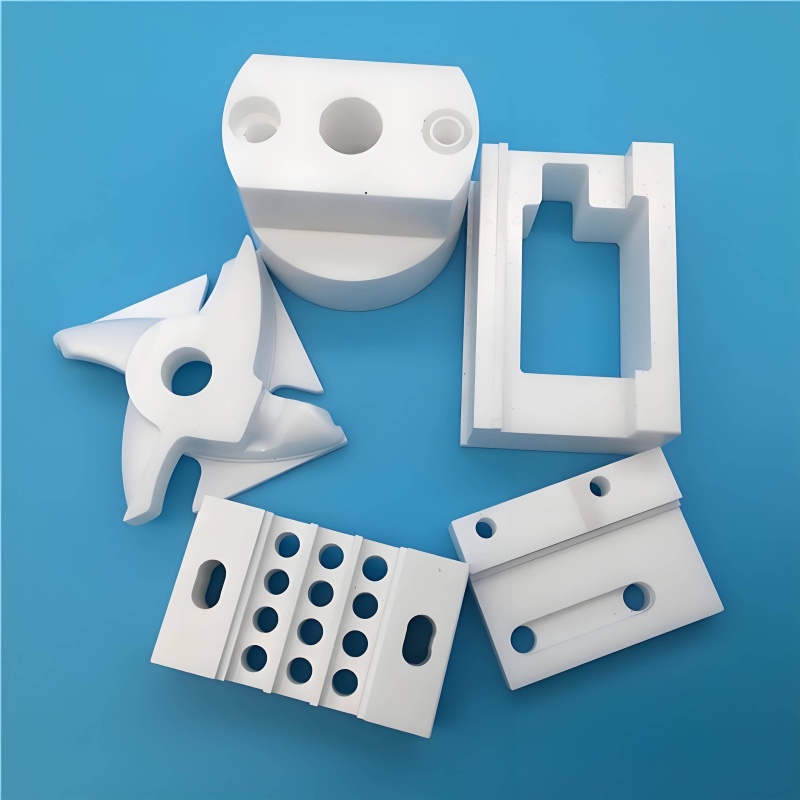
What Is High-Performance Structural Ceramics
High-performance structural ceramics are non-metallic, inorganic materials engineered specifically for load-bearing and harsh-environment applications. They encompass a variety of material systems, including Alumina (Al₂O₃), Zirconia (ZrO₂), Silicon Nitride (Si₃N₄), and Silicon Carbide (SiC). These materials are characterized by their high strength-to-weight ratios, outstanding corrosion resistance, and excellent electrical insulation. As a reliable manufacturer, producing these custom parts requires precise control over sintering and machining processes to meet strict industrial tolerances.
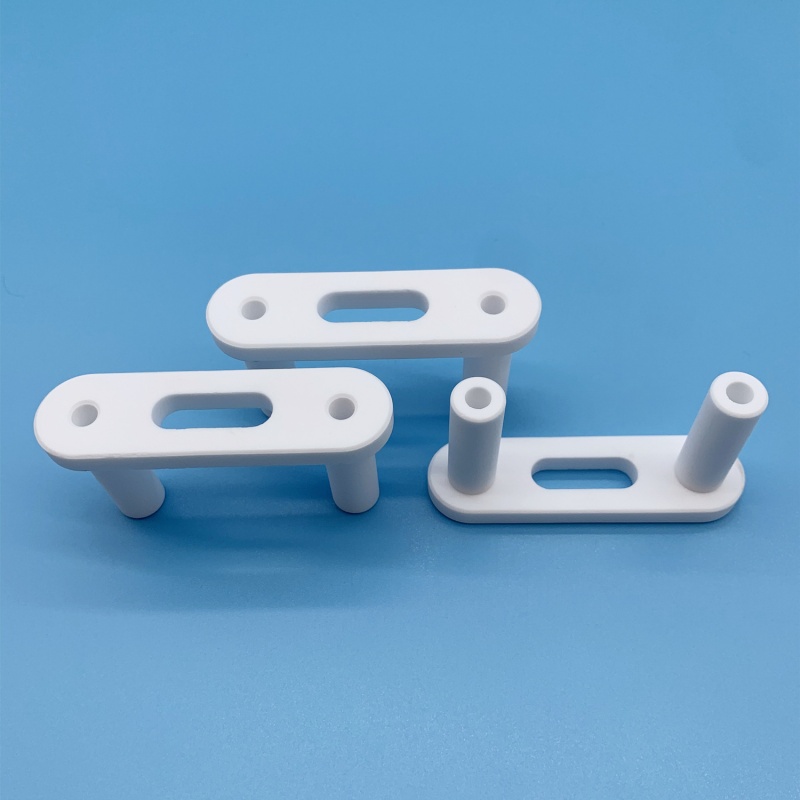
Key Properties Of High-Performance Structural Ceramics
The selection of structural ceramics is driven by specific engineering requirements. Key technical parameters include:
Mechanical Properties: High flexural strength, compressive strength, and fracture toughness. For instance, Silicon Nitride offers exceptional toughness and impact resistance.
Thermal Conductivity & Resistance: Materials like Aluminum Nitride (AlN) provide high thermal conductivity for heat dissipation, while Zirconia offers low thermal conductivity for thermal barrier applications. Most structural ceramics maintain integrity at temperatures exceeding 1000°C.
Wear Resistance & Corrosion Resistance: Extreme hardness (often exceeding 15 GPa) ensures longevity in abrasive environments, while chemical inertness protects against acidic or alkaline degradation.
Electrical Insulation: High volume resistivity and dielectric strength make them ideal for electronics and energy sectors.
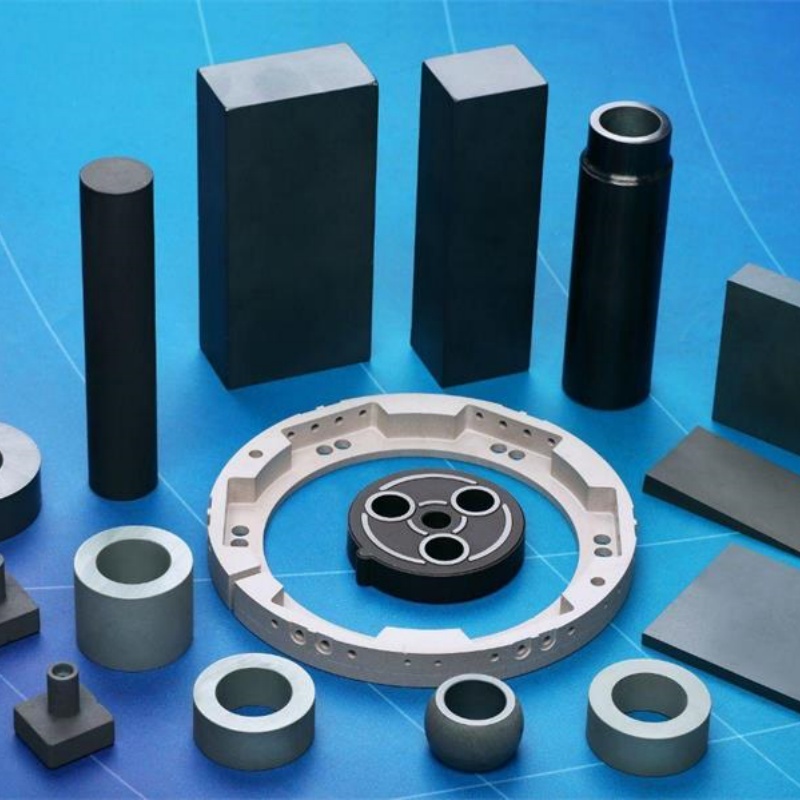
Typical Applications
Due to their versatile performance, high-performance structural ceramics are widely adopted across multiple high-tech industries:
Semiconductor & Electronics: Used as insulating substrates, heat sinks, and wafer processing components requiring high electrical insulation and precise thermal management.
Automotive: Applied in turbocharger rotors, exhaust valves, and high-speed bearings to reduce weight and withstand extreme heat.
Medical: Biocompatible ceramics like Zirconia are utilized for dental implants, surgical instruments, and orthopedic joints.
Energy & Industrial Equipment: Found in gas turbine components, pump seals, and thermocouple protection tubes for oil, gas, and power generation.
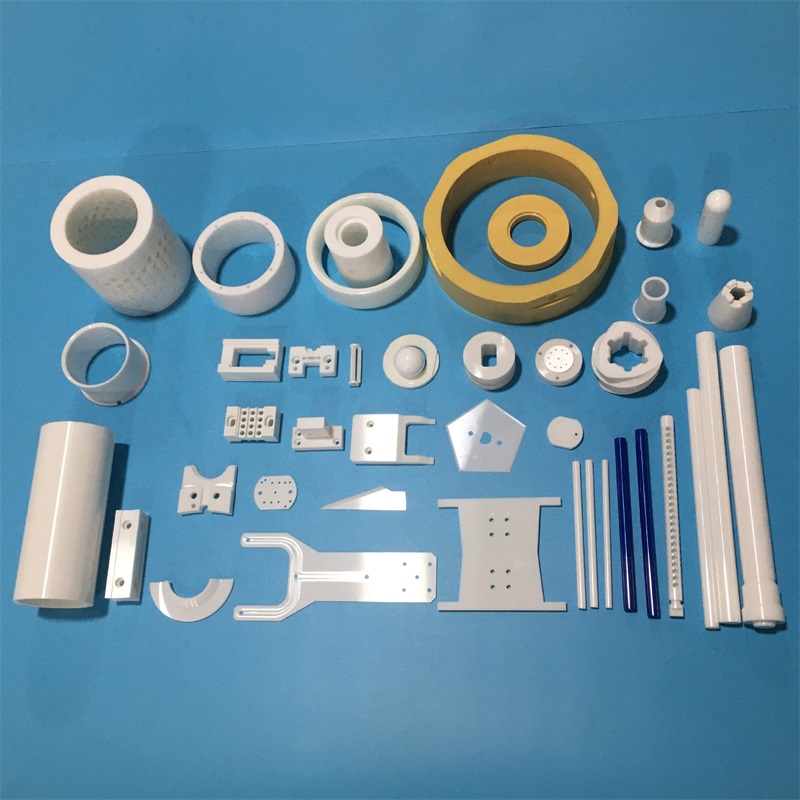
Advantages Compared With Other Ceramic Materials
Choosing the right material requires comparing specific attributes:
Alumina vs. Zirconia: Alumina offers excellent electrical insulation and cost-effectiveness, whereas Zirconia provides superior fracture toughness and wear resistance due to transformation toughening.
Silicon Nitride vs. Silicon Carbide: Silicon Nitride excels in thermal shock resistance and high-temperature strength, making it ideal for dynamic mechanical parts. Silicon Carbide, however, offers higher hardness and superior thermal conductivity for extreme wear and heat dissipation applications.
Aluminum Nitride: Stands out uniquely for combining high thermal conductivity with excellent electrical insulation, surpassing Alumina in thermal management for power electronics.
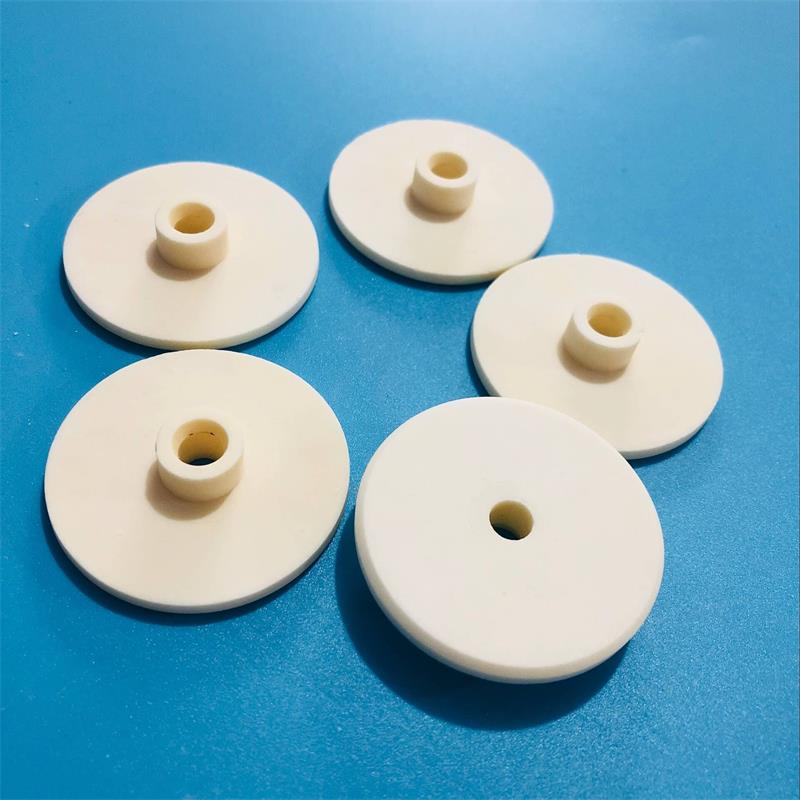
Custom Manufacturing Options
Sourcing precision components often requires a specialized factory with advanced OEM capabilities. Custom manufacturing options include:
Precision Machining: Diamond grinding, lapping, and polishing to achieve tight dimensional tolerances and superior surface finishes.
Complex Forming: Utilizing injection molding, dry pressing, or 3D printing (additive manufacturing) to create complex geometries that cannot be achieved through traditional machining.
Metallization & Coatings: Applying specialized coatings or metal layers to enhance bonding, conductivity, or specific surface properties.
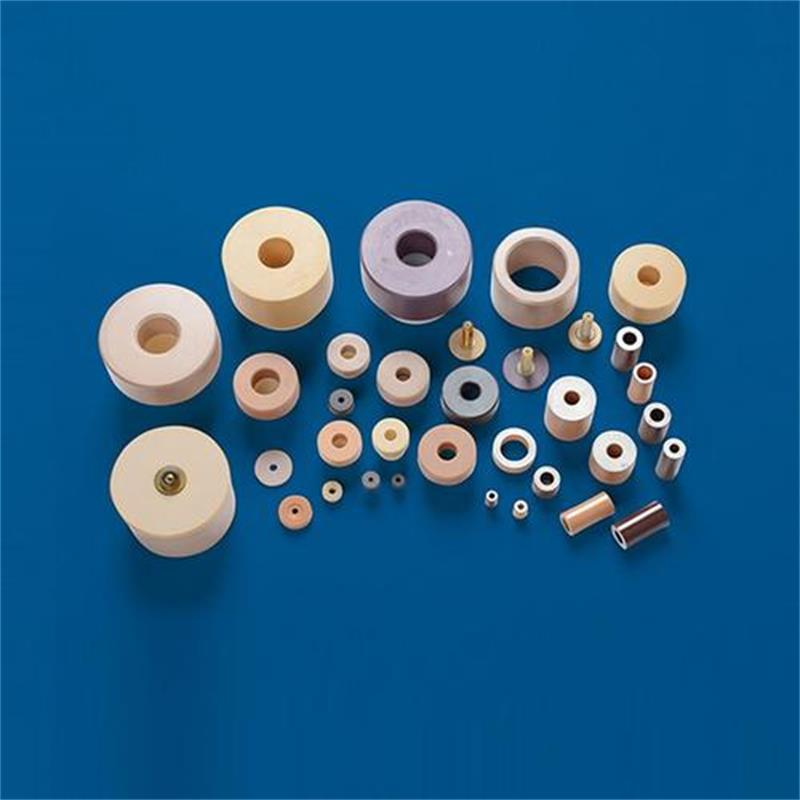
How To Choose The Right Supplier
Selecting a reliable supplier is as critical as material selection. Evaluate potential partners based on:
Technical Expertise: Ensure the manufacturer has in-house engineering support to assist with material selection and design for manufacturability (DFM).
Quality Control: Look for ISO-certified factories with rigorous inspection protocols (e.g., CMM, optical comparators) to verify mechanical properties and dimensional accuracy.
Production Capacity: Verify their ability to scale from prototyping to mass production while maintaining consistent quality.
Industry Experience: A supplier with a proven track record in your specific application sector (e.g., medical or semiconductor) will better understand your compliance and performance needs.
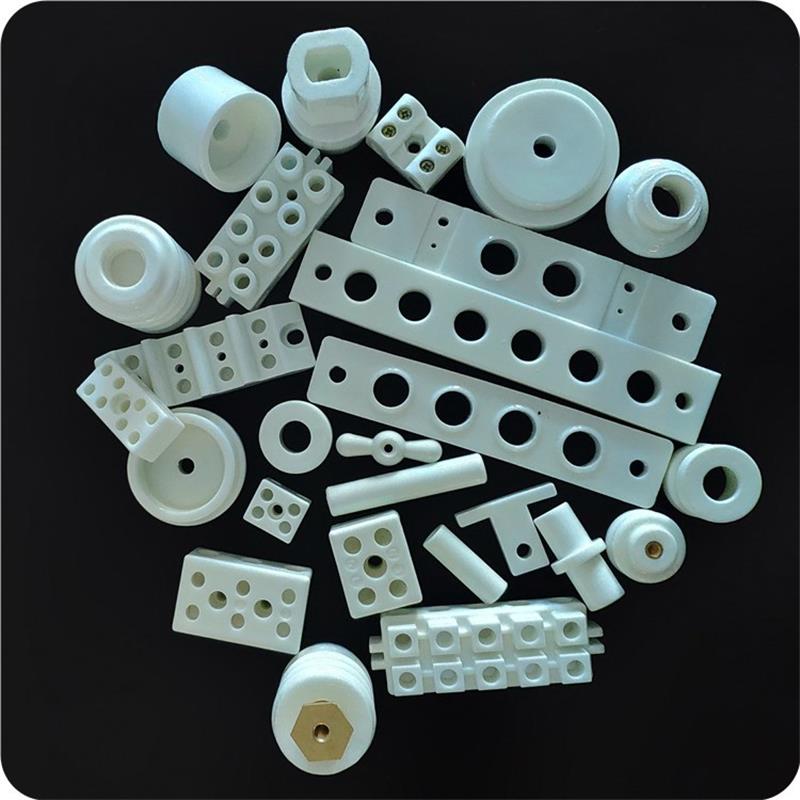
High-performance structural ceramics offer unmatched solutions for modern engineering challenges. By understanding material properties, comparing technical specifications, and partnering with an experienced manufacturer, procurement teams can successfully integrate these reliable materials into their products. Whether requiring standard precision components or highly customized OEM parts, a strategic approach to material selection ensures optimal performance and longevity.
Frequently Asked Questions (FAQ)
What is the difference between Alumina and Zirconia ceramics?
Alumina is highly valued for its excellent electrical insulation and lower cost, making it suitable for general industrial and electronic applications. Zirconia, on the other hand, possesses significantly higher fracture toughness and wear resistance, making it the preferred choice for mechanical parts subject to high stress and abrasion.
What temperature can Silicon Nitride withstand?
Silicon Nitride exhibits exceptional high-temperature resistance, maintaining its mechanical strength and structural integrity in air up to 1000°C–1200°C, and in inert atmospheres up to 1400°C–1600°C. Its low thermal expansion coefficient also grants it superior thermal shock resistance.
Why is Aluminum Nitride used in semiconductor equipment?
Aluminum Nitride (AlN) is uniquely utilized in semiconductor and power electronics because it combines high thermal conductivity (often >170 W/m·K) with excellent electrical insulation. This allows it to efficiently dissipate heat from high-power components while preventing electrical short circuits.
How do I choose a ceramic component supplier?
When selecting a supplier, prioritize manufacturers that offer comprehensive technical support, possess advanced precision machining capabilities, and maintain strict quality control systems. It is also highly beneficial to choose a factory with specific industry experience relevant to your application to ensure they understand your unique performance and compliance requirements.
 What Is Polyimide (PI)
What Is Polyphenylene Sulfide (PPS)
What Is Polyimide (PI)
What Is Polyphenylene Sulfide (PPS)
 What is PEEK-for Engineers and Buyers
 Application Scope of Zirconia Ceramic Structural Components