
What Is Advanced Ceramic: for Engineers and Buyers
Advanced ceramic, also known as technical or fine ceramic, represents a class of high-performance inorganic non-metallic materials engineered from high-purity, ultra-fine synthetic compounds. Unlike traditional ceramics derived from natural clays, these materials are manufactured using precise chemical compositions and sophisticated sintering processes. They have become indispensable in modern manufacturing due to their ability to withstand extreme environments where metals and polymers fail.
For procurement professionals and engineers, understanding what is advanced ceramic is critical for selecting the right materials for demanding applications. These materials offer exceptional mechanical properties, high temperature resistance, and electrical insulation, making them foundational to industries ranging from semiconductor manufacturing to medical devices.
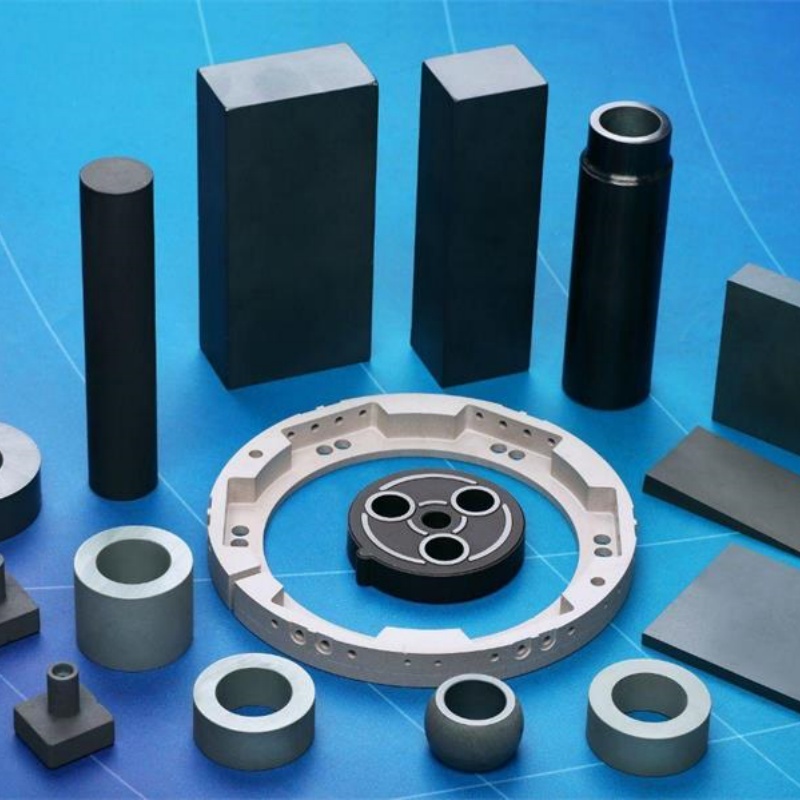
What Is Advanced Ceramic
Advanced ceramics are precision-engineered materials designed to exhibit specific functional or structural characteristics. They are generally categorized into two main types: structural ceramics, which leverage high strength and wear resistance, and functional ceramics, which utilize electrical, magnetic, or optical properties. Common material families include Alumina (Al₂O₃), Zirconia (ZrO₂), Silicon Nitride (Si₃N₄), Silicon Carbide (SiC), and Aluminum Nitride (AlN). As a reliable manufacturer of these components, we focus on translating raw material potential into custom parts that meet exact engineering specifications.
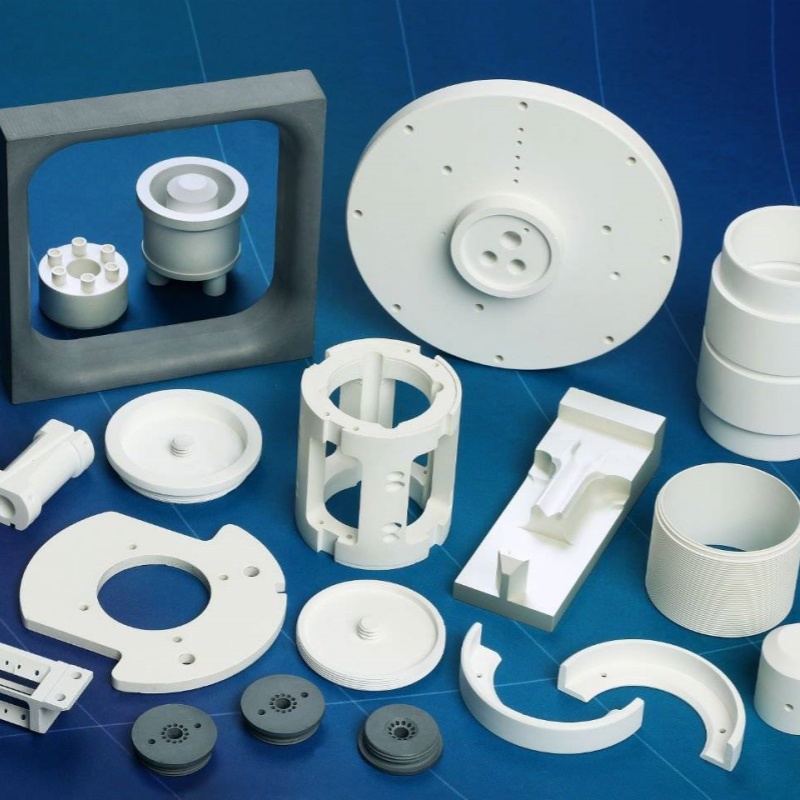
Key Properties Of Advanced Ceramic
The selection of technical ceramics is driven by their superior performance metrics compared to conventional materials:
High Temperature Resistance: Materials like Silicon Nitride can operate continuously at temperatures exceeding 1200°C without significant degradation or creep.
Wear Resistance & Hardness: With hardness values often exceeding 1500 HV, advanced ceramics provide exceptional longevity in abrasive environments, significantly outperforming hardened steels.
Corrosion Resistance: They are highly inert, resisting attack from aggressive acids, alkalis, and molten metals, making them ideal for harsh chemical processing.
Electrical Insulation & Thermal Conductivity: Depending on the formulation, ceramics can act as excellent dielectrics or, in the case of Aluminum Nitride, provide high thermal conductivity for efficient heat dissipation in electronics.
Mechanical Properties: High compressive strength and elastic modulus ensure dimensional stability under heavy loads.
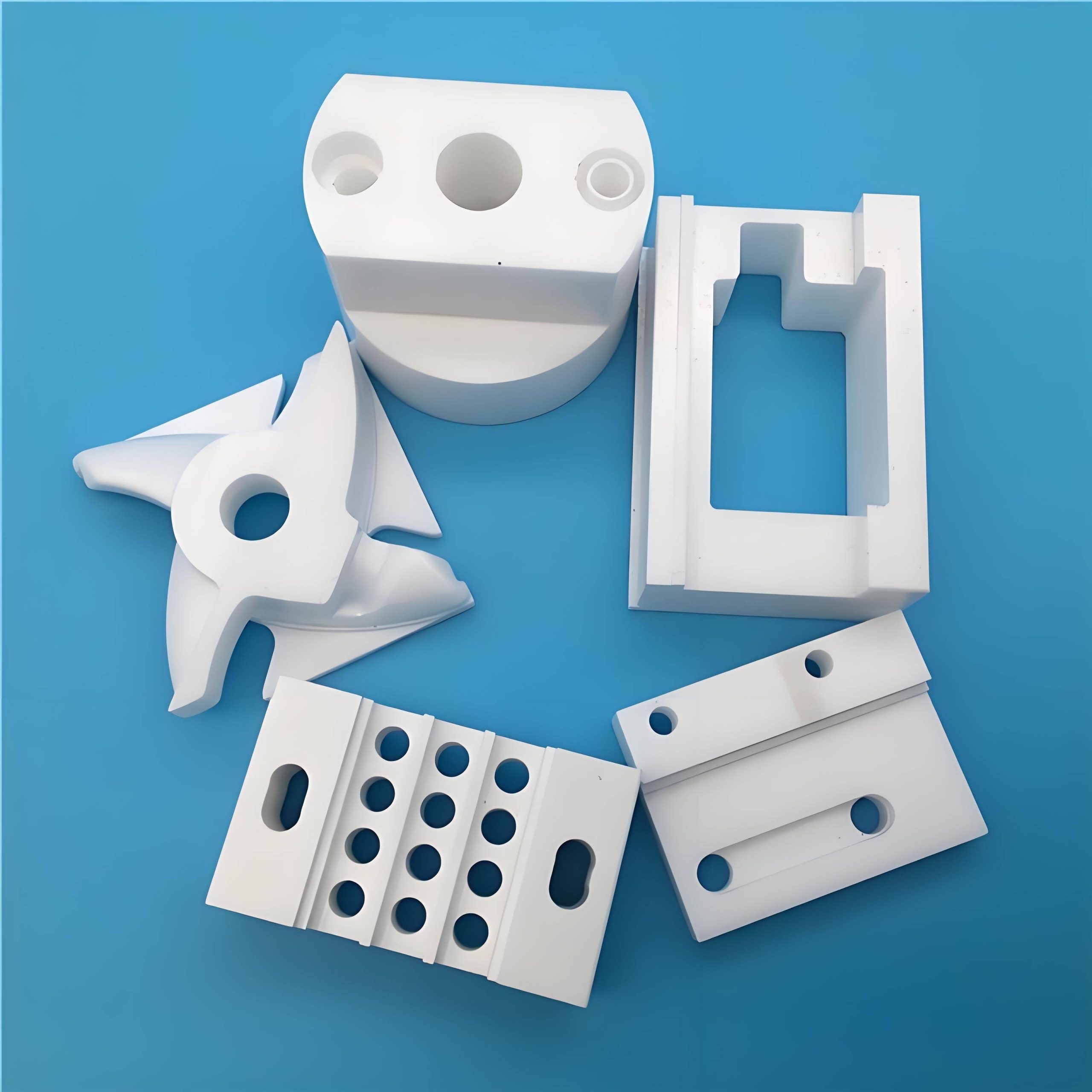
Typical Applications
Advanced ceramics are critical precision components across various high-tech sectors:
Semiconductor: Wafer processing chucks, insulator rings, and heater components requiring ultra-high purity and thermal stability.
Automotive: Engine components, turbocharger rotors, and sensors that benefit from lightweight and high temperature resistance.
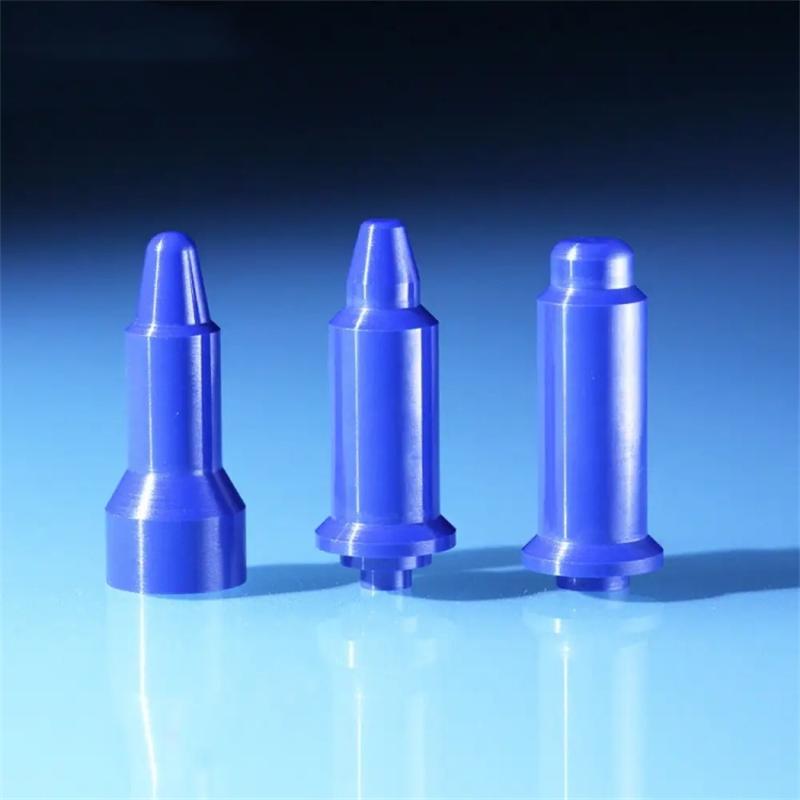
Medical: Biocompatible implants, dental restorations, and surgical instruments utilizing Zirconia for its strength and aesthetic properties.
Energy: Insulators for high-voltage transmission, fuel cell components, and solar manufacturing equipment.
Industrial Equipment: Bearings, seal faces, pump components, and wear liners that demand superior corrosion resistance and wear resistance.
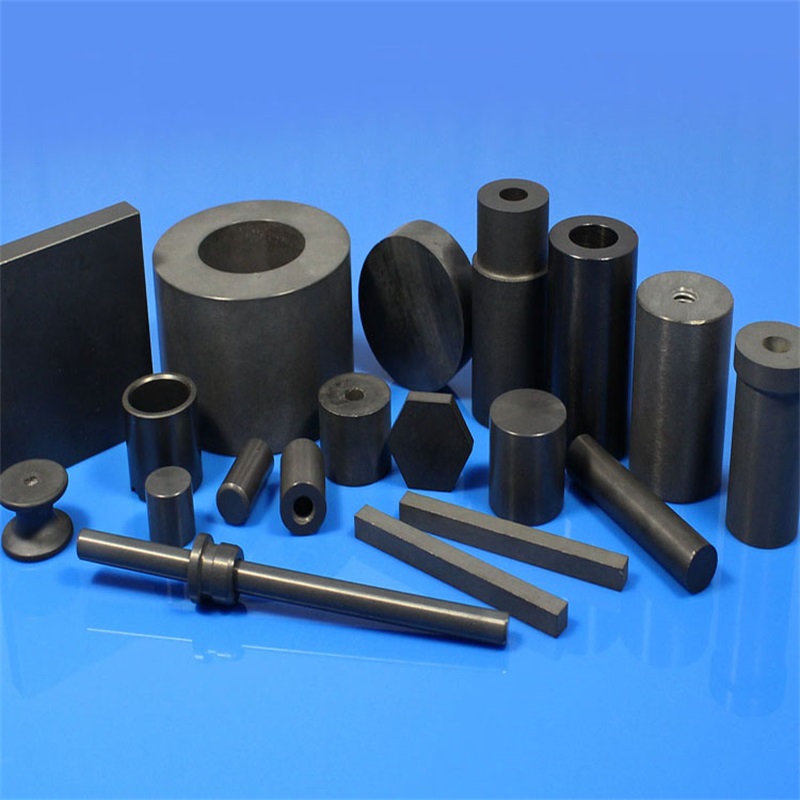
Advantages Compared With Other Ceramic Materials
Choosing the right ceramic requires balancing trade-offs. Alumina offers a cost-effective balance of electrical insulation and moderate strength. Zirconia provides superior fracture toughness and mechanical properties due to transformation toughening, making it ideal for wear parts. Silicon Nitride and Silicon Carbide excel in extreme high temperature resistance and thermal shock applications. Aluminum Nitride is uniquely selected for electronics where both electrical isolation and high thermal conductivity are mandatory.
Custom Manufacturing Options
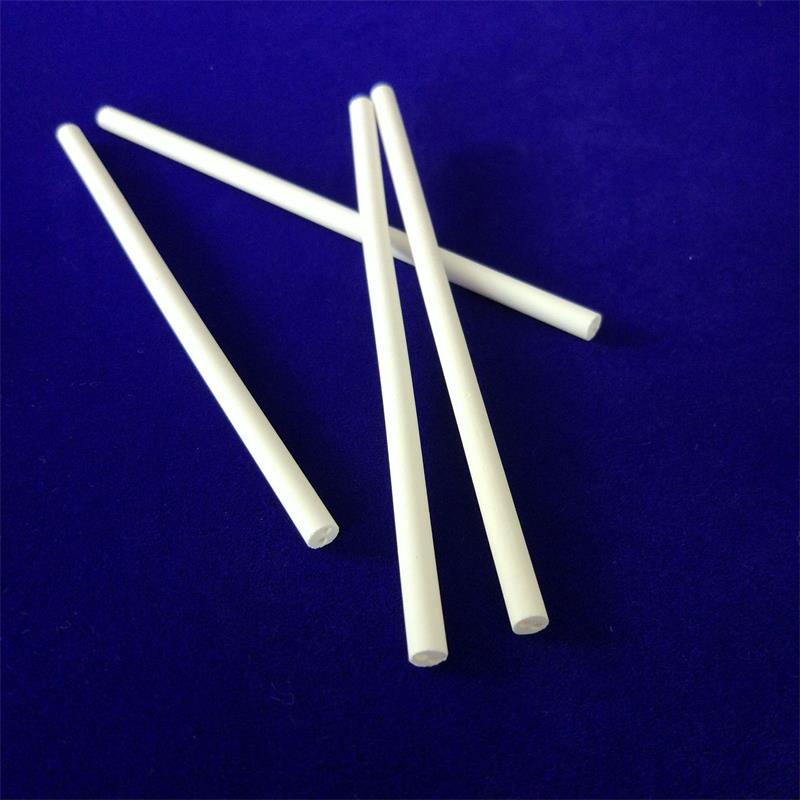
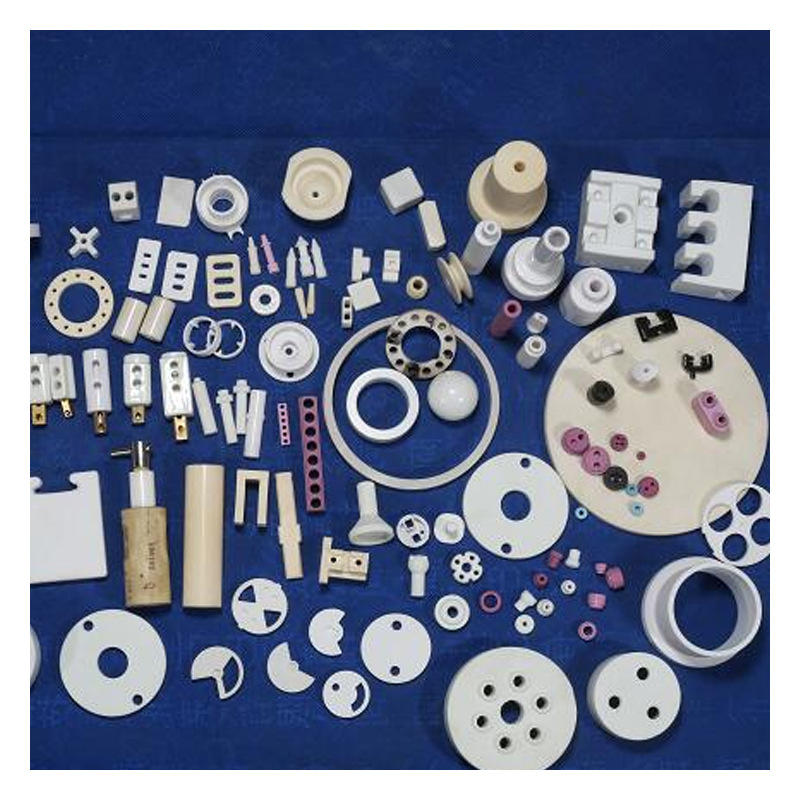
Sourcing OEM custom parts requires a factory with comprehensive processing capabilities. Since ceramics are extremely hard and brittle in their sintered state, they require specialized diamond grinding, lapping, and polishing to achieve tight tolerances. A capable supplier should offer custom manufactured solutions including precision CNC machining, complex net-shape molding, and metallization for brazing or soldering. Ensuring that your precision components are produced with controlled microstructures is vital for consistent performance.
How To Choose The Right Supplier
When evaluating a manufacturer or supplier, consider the following:
Material Expertise: Do they understand the specific mechanical properties and thermal limits of the ceramics they process?
Quality Control: Look for ISO certification and rigorous inspection capabilities (e.g., CMM, optical sorting) to verify custom parts meet specifications.
Manufacturing Flexibility: Can the factory handle both prototyping and high-volume OEM production?
Industry Experience: A reliable supplier will have a proven track record in your specific sector, whether semiconductor, medical, or automotive.
Engineering Support: Choose a partner that can assist with material selection and design for manufacturability (DFM) to optimize costs and performance.
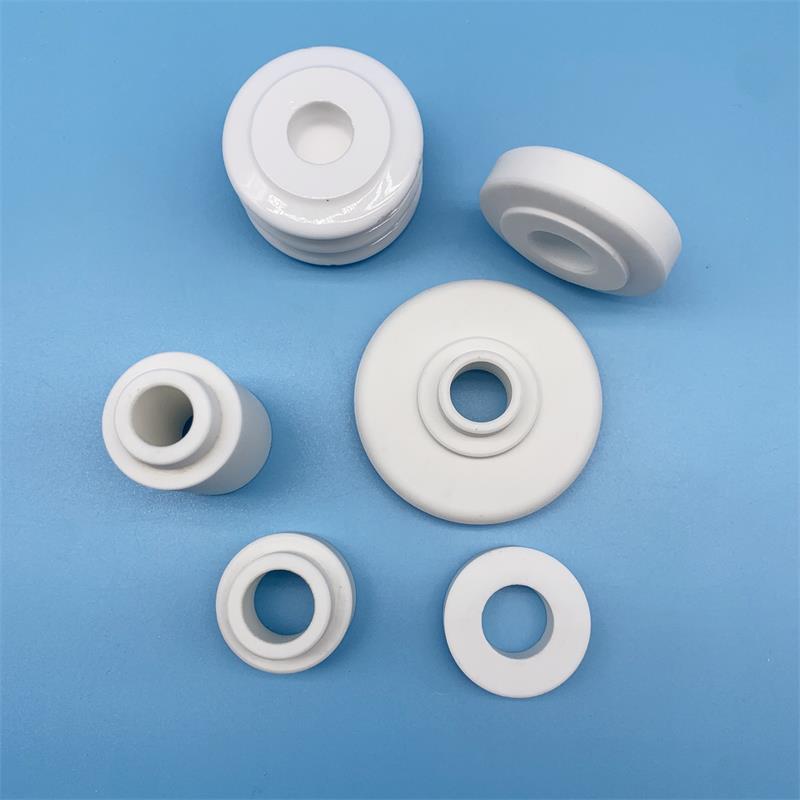
Understanding what is advanced ceramic and its diverse capabilities is the first step in optimizing your product’s performance. Whether you require high temperature resistance for energy applications or electrical insulation for electronics, partnering with an experienced manufacturer ensures you receive industry proven, reliable precision components.
Frequently Asked Questions (FAQ)
What is the difference between Alumina and Zirconia ceramics?
Alumina is highly cost-effective with excellent electrical insulation and good corrosion resistance, making it suitable for general industrial and electronic applications. Zirconia, on the other hand, possesses significantly higher fracture toughness and mechanical properties, making it the preferred choice for high-wear environments and medical implants.
What temperature can Silicon Nitride withstand?
Silicon Nitride exhibits exceptional high temperature resistance, maintaining its structural integrity and mechanical properties at continuous operating temperatures up to 1200°C in oxidizing atmospheres, and even higher in inert environments.
Why is Aluminum Nitride used in semiconductor equipment?
Aluminum Nitride is uniquely valued in the semiconductor industry because it combines excellent electrical insulation with high thermal conductivity. This allows it to efficiently dissipate heat from electronic components while preventing electrical short circuits.
How do I choose a ceramic component supplier?
When selecting a supplier or manufacturer, evaluate their material sourcing, machining capabilities for custom parts, quality control systems, and experience in your specific application area (e.g., automotive, medical). A reliable partner will offer engineering support and transparent communication regarding tolerances and lead times.
 What Is Polyimide (PI)
What Is Polyphenylene Sulfide (PPS)
What Is Polyimide (PI)
What Is Polyphenylene Sulfide (PPS)
 What is PEEK-for Engineers and Buyers
 Application Scope of Zirconia Ceramic Structural Components