
Biomedical Metals: A Guide to Implants & Alloys
Biomedical metals are specialized alloys engineered for safe, long-term integration within the human body. Unlike industrial metals, these materials must withstand corrosive physiological environments while maintaining mechanical integrity for years or decades. They are critical for repairing or replacing hard tissues like bone and teeth, as well as supporting soft tissue structures in cardiovascular applications.
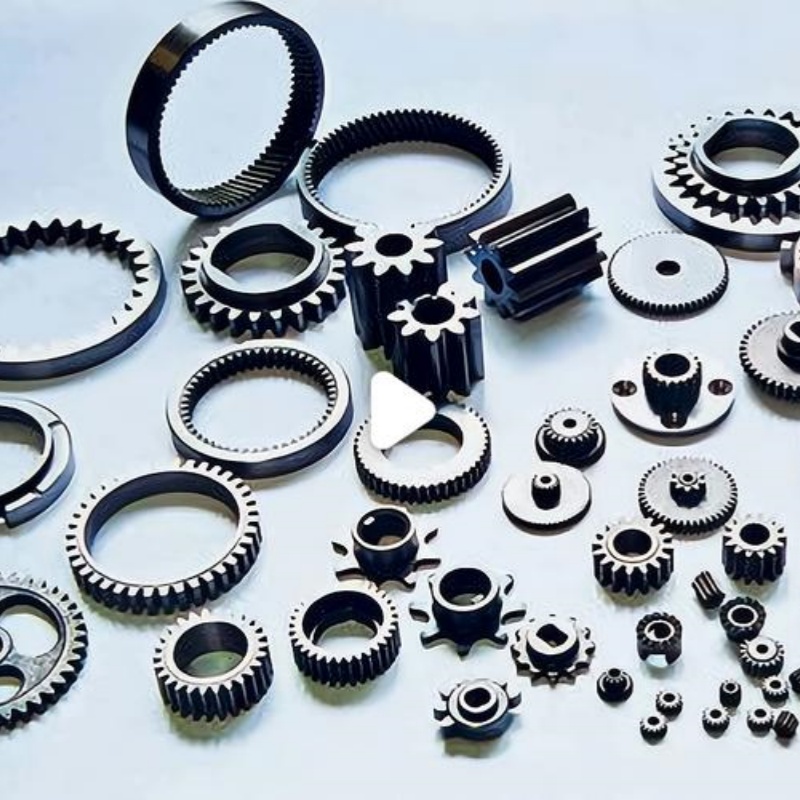
What is Biomedical Metals?
Biomedical metals are a class of structural materials designed to interact with biological systems without causing adverse reactions. They are primarily composed of stainless steel, cobalt-chromium alloys, titanium alloys, and shape-memory alloys. The defining characteristic of these materials is their ability to achieve biocompatibility, meaning they do not induce toxicity, carcinogenicity, or severe immune rejection. A key mechanism for titanium alloys, for instance, is the spontaneous formation of a stable titanium dioxide (TiO₂) passive layer that prevents ion release and corrosion. These metals are indispensable in orthopedics, dentistry, and cardiovascular surgery, where they provide the necessary strength and durability that polymers or ceramics alone cannot offer.
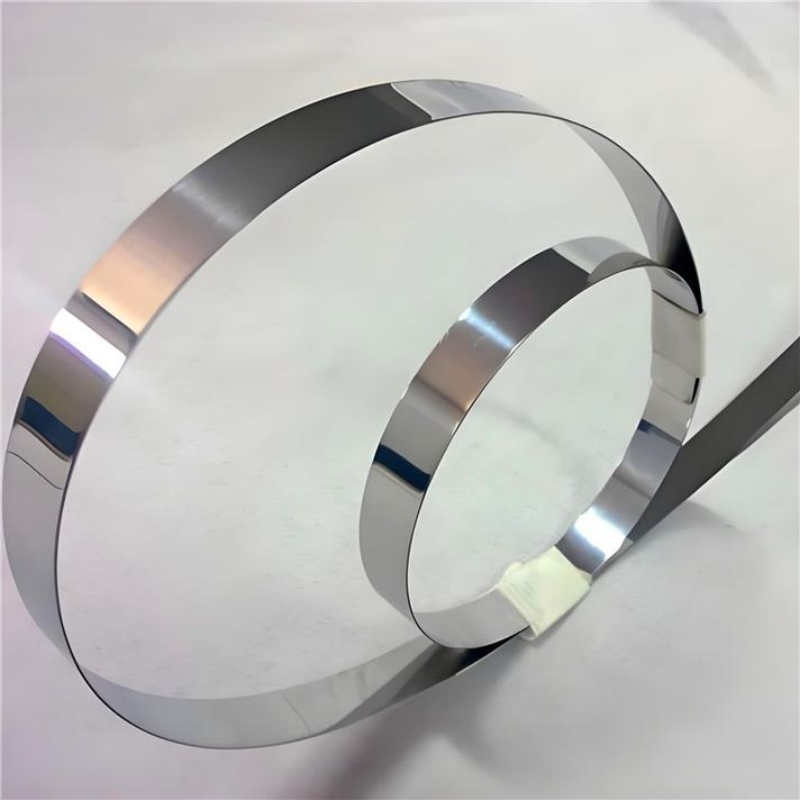
Key Features
Corrosion Resistance: Physiological fluids are aggressive electrolytes containing chlorides and enzymes. Biomedical metals must resist pitting, crevice corrosion, and stress corrosion cracking to prevent toxic ion release and implant failure.
Biocompatibility: Materials must be non-toxic, non-carcinogenic, and non-allergenic. They should not trigger thrombosis, hemolysis, or chronic inflammation. Titanium and cobalt alloys are renowned for their inertness in vivo.
Mechanical Strength & Fatigue Resistance: Implants endure millions of cyclic loading cycles. High tensile strength and exceptional fatigue resistance are mandatory to prevent fracture in load-bearing applications like hip stems and dental implants.
Wear Resistance: In articulating joints, materials must minimize wear debris generation, which can cause osteolysis and implant loosening. Cobalt-chromium alloys offer superior wear performance compared to stainless steel.
Elastic Modulus Matching: An ideal implant should have an elastic modulus close to natural bone to avoid stress shielding, which leads to bone resorption. Titanium alloys are preferred over steel for this reason.
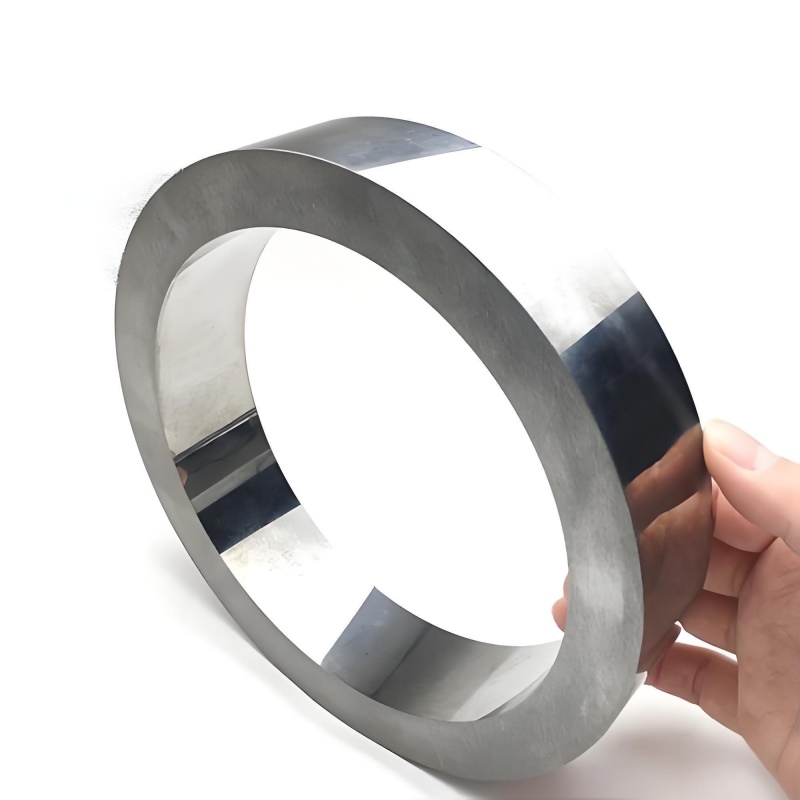
Typical Applications
Medical: This is the primary domain. Applications include orthopedic implants (hip/knee replacements, spinal rods, bone plates), dental implants and prosthetics, cardiovascular stents, artificial heart valves, and craniofacial reconstruction plates.
Aerospace: While not implanted, the same titanium and cobalt alloys are used in aircraft components due to their high strength-to-weight ratio and corrosion resistance, demonstrating material versatility.
Chemical Processing: The corrosion-resistant properties of biomedical-grade stainless steels and titanium are also leveraged in chemical reactors and piping systems handling aggressive media.
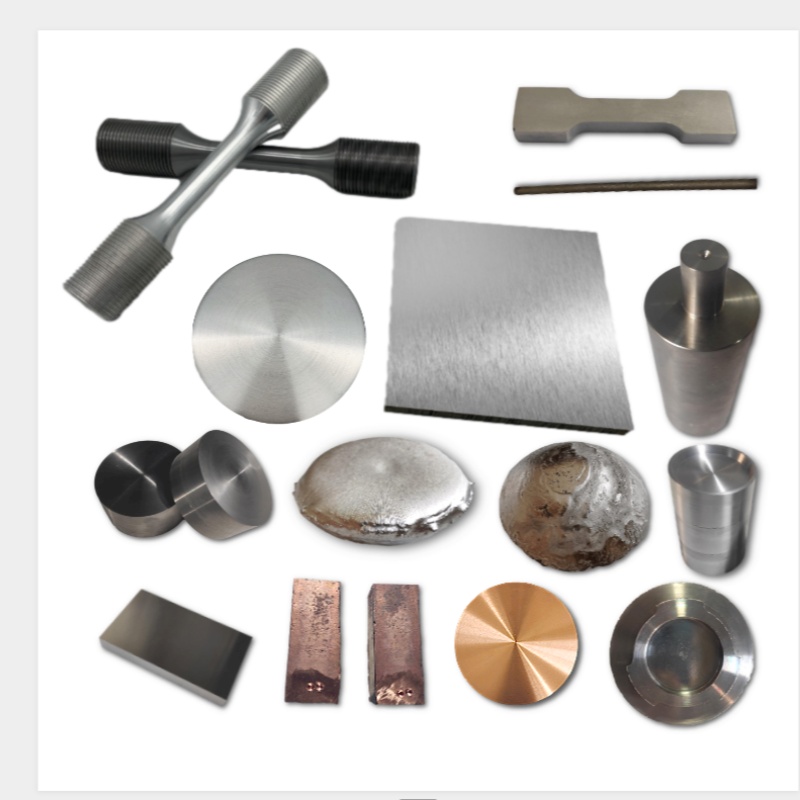
Material Specifications
Chemical Composition: Medical-grade Ti-6Al-4V (Grade 5) contains 6% aluminum and 4% vanadium. 316L stainless steel has low carbon (<0.03%) and added molybdenum for corrosion resistance. Co-Cr-Mo alloys typically contain 27-30% chromium and 5-7% molybdenum.
Mechanical Properties: Ti-6Al-4V exhibits a tensile strength of ~950 MPa and a yield strength of ~880 MPa. Co-Cr-Mo alloys offer higher strength (~1000+ MPa) and superior wear resistance.
Physical Properties: Titanium density is ~4.43 g/cm³, significantly lighter than steel (~8.0 g/cm³). The elastic modulus of Ti-6Al-4V is ~110 GPa, closer to cortical bone (~20 GPa) than steel (~200 GPa).
Working Temperature: These alloys maintain structural integrity at body temperature (37°C) and can withstand sterilization processes up to 135°C without degradation.

FAQ
What is the difference between 316L stainless steel and titanium for implants?
Titanium offers superior biocompatibility, lower density, and a modulus closer to bone, reducing stress shielding. 316L is more cost-effective and easier to machine but has higher corrosion risk and a modulus mismatch.
Why are cobalt-chromium alloys used in joint replacements?
They provide the highest wear resistance and mechanical strength, making them ideal for articulating surfaces in hip and knee prostheses where debris generation must be minimized.
Can biomedical metals be welded?
Yes, but it requires specialized techniques. Titanium must be welded in an inert gas environment to prevent embrittlement. Stainless steel and cobalt alloys require precise heat input control to maintain corrosion resistance and mechanical properties.
What is the best material for dental implants?
Commercially pure titanium (Grade 4) and Ti-6Al-4V are the gold standards due to their proven osseointegration capability, corrosion resistance, and biocompatibility.
How do you choose between permanent and biodegradable metals? Permanent metals (Ti, Co-Cr) are for lifelong structural support. Biodegradable metals (e.g., magnesium alloys) are for temporary fixation where implant removal is undesirable, but they must degrade at a controlled rate matching tissue healing.
What are the risks of nickel in biomedical alloys?
Nickel can cause allergic reactions and cytotoxicity. Nickel-titanium (Nitinol) is used for its superelasticity, but surface treatments and low-nickel alternatives are developed to mitigate risks.
How does surface modification improve biomedical metals? Techniques like anodization, plasma spraying, or hydroxyapatite coating enhance osseointegration, reduce wear, and improve corrosion resistance, extending implant lifespan.
 What Is Polyimide (PI)
What Is Polyphenylene Sulfide (PPS)
What Is Polyimide (PI)
What Is Polyphenylene Sulfide (PPS)
 What is PEEK-for Engineers and Buyers
 Application Scope of Zirconia Ceramic Structural Components