
High-Temperature Alloys in Nuclear Systems
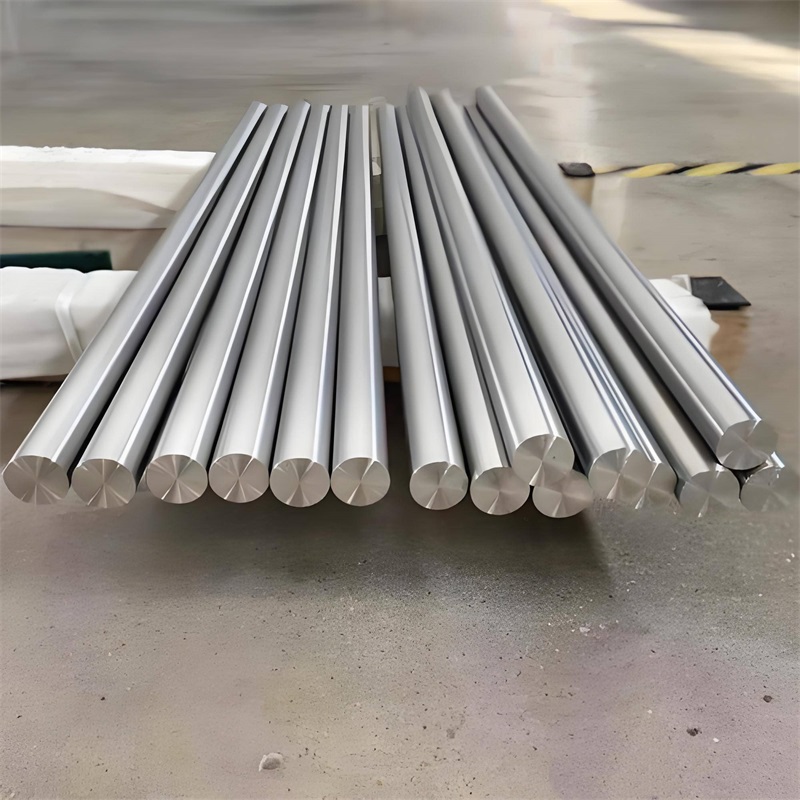
High-temperature alloys are critical structural materials in advanced nuclear energy systems, engineered to withstand extreme temperatures, intense neutron irradiation, and corrosive coolants. Unlike conventional steels, these nickel-based, cobalt-based, and refractory alloys maintain mechanical integrity and dimensional stability under harsh operating conditions. Their performance directly determines the safety, efficiency, and service life of Generation IV reactors, including molten salt reactors (MSRs), high-temperature gas-cooled reactors (HTGRs), and sodium-cooled fast reactors (SFRs). For procurement professionals and design engineers, selecting the correct alloy is not merely a material specification task but a fundamental safety and reliability decision.
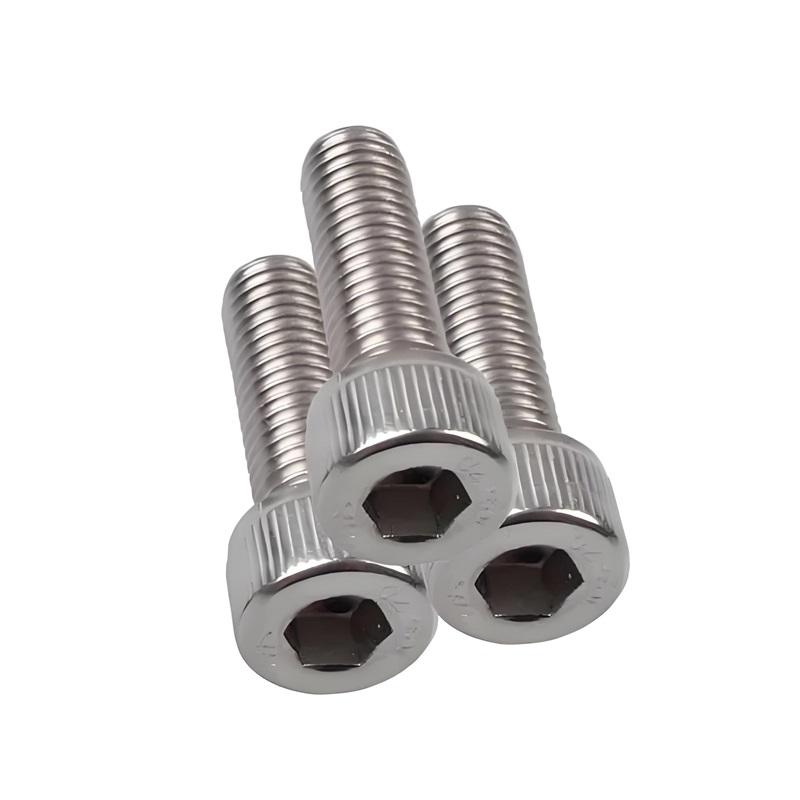
What Are High-Temperature Alloys for Nuclear Applications?
High-temperature alloys for nuclear systems are specialized metallic materials designed to operate reliably at temperatures exceeding 600°C while exposed to high-energy neutron flux and aggressive chemical environments. These alloys are primarily based on nickel, cobalt, or refractory elements such as tungsten, molybdenum, and tantalum. Their unique microstructures, often stabilized through solid-solution strengthening, precipitation hardening, or high-entropy effects, provide exceptional resistance to creep, fatigue, and radiation-induced degradation. The importance of these materials lies in their ability to prevent catastrophic failures in reactor cores, heat exchangers, and primary coolant loops. Key advantages include superior creep rupture strength, resistance to stress corrosion cracking in molten salts or liquid metals, and tolerance to helium embrittlement caused by neutron transmutation.
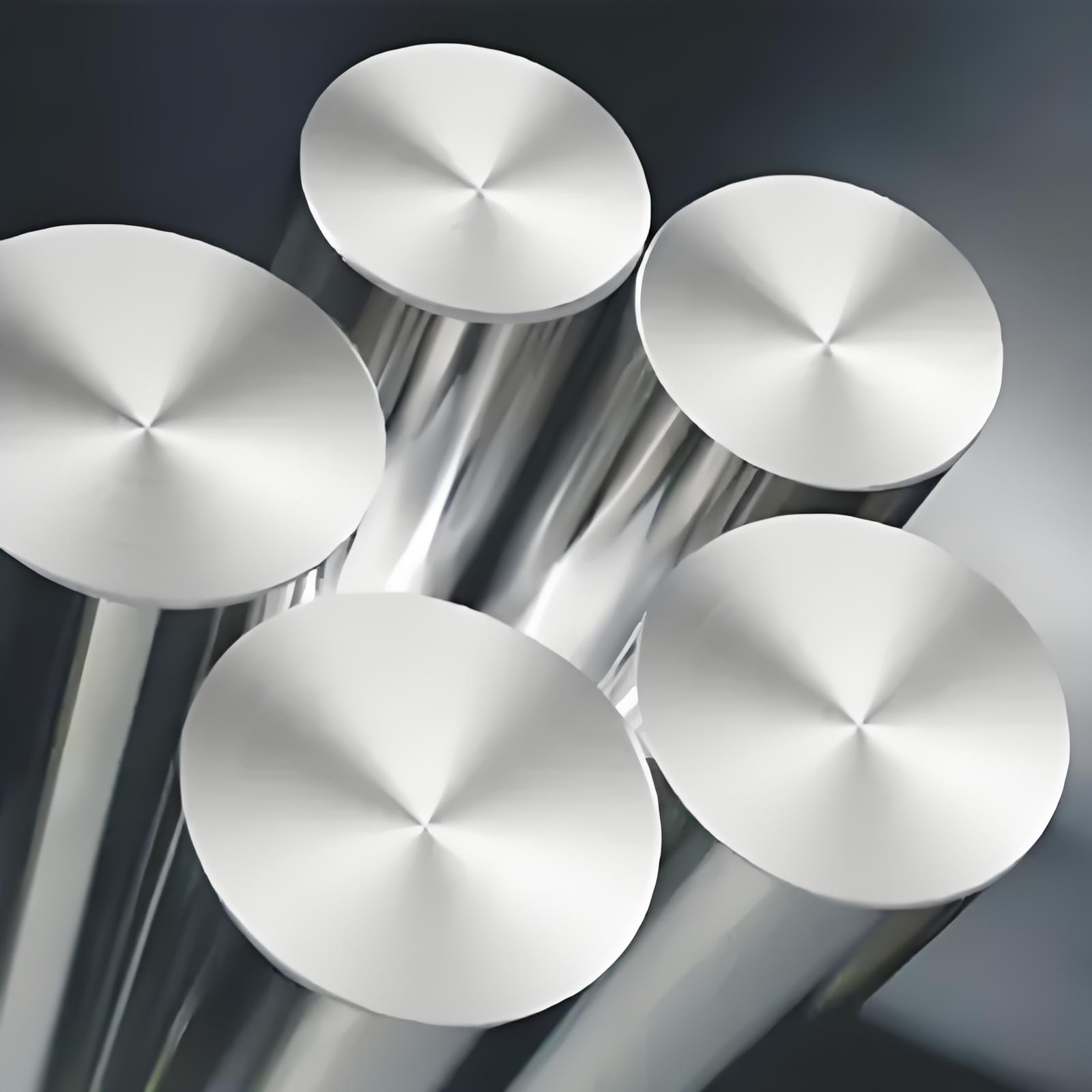
Key Features of Nuclear-Grade High-Temperature Alloys
The performance of high-temperature alloys in nuclear environments is defined by several critical characteristics. High-temperature strength and creep resistance are paramount, as components must sustain mechanical loads for decades without excessive deformation. For instance, alloys like Inconel 617 and GH3535 maintain structural integrity at 700–950°C, making them suitable for HTGR heat exchangers and MSR vessels. Corrosion resistance is equally vital; alloys must withstand attack from molten fluorides, liquid sodium, or impure helium without significant material loss. Oxidation resistance is achieved through protective oxide scales, such as Cr₂O₃ or Al₂O₃, which form stable barriers against environmental degradation. Additionally, irradiation tolerance is a defining feature, with advanced alloys like refractory high-entropy alloys (RHEAs) exhibiting minimal swelling and embrittlement under high neutron doses. Fatigue resistance, particularly under creep-fatigue interaction, ensures longevity in components subject to thermal cycling and mechanical stress.
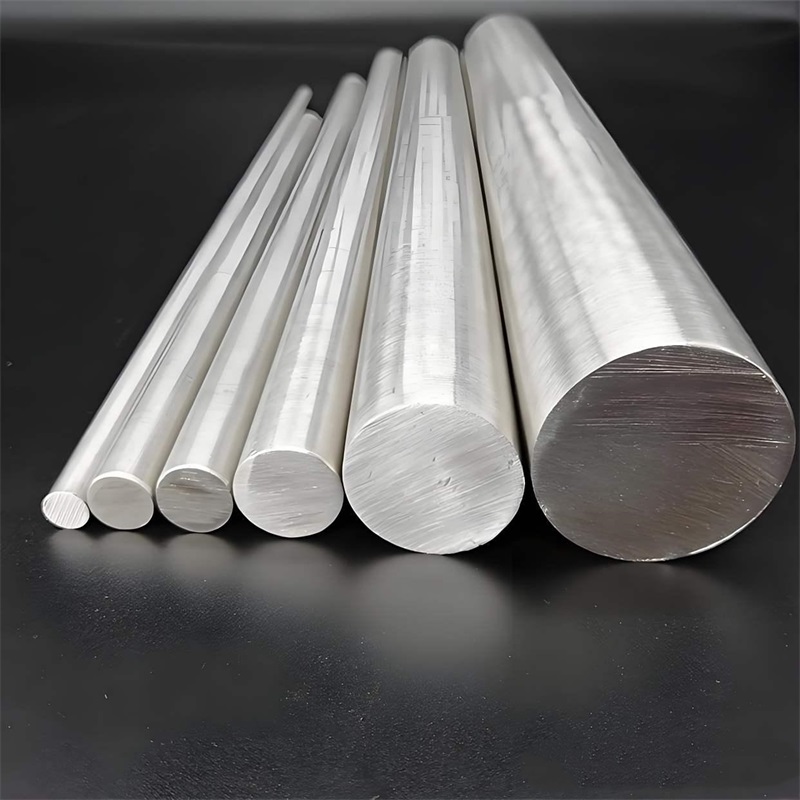
Typical Applications in Nuclear Systems
High-temperature alloys are deployed across various nuclear technologies, each with distinct material requirements. In molten salt reactors, Hastelloy N and its variants are the standard for fuel salt containers, pumps, and piping due to their exceptional resistance to fluoride salt corrosion and moderate irradiation tolerance. For high-temperature gas-cooled reactors, Inconel 617 (N06617) is widely used in intermediate heat exchangers and steam generators, where it resists oxidation and carburization in impure helium environments at temperatures up to 950°C. Sodium-cooled fast reactors rely on alloys like GH5188 for fuel cladding and heat exchangers, leveraging their compatibility with liquid sodium and resistance to stress corrosion cracking. Emerging applications include refractory high-entropy alloys for advanced reactor cores, where their inherent radiation tolerance and high-temperature stability offer potential improvements over conventional materials. These alloys also find use in nuclear fuel reprocessing facilities, where they handle highly corrosive fluorination processes.
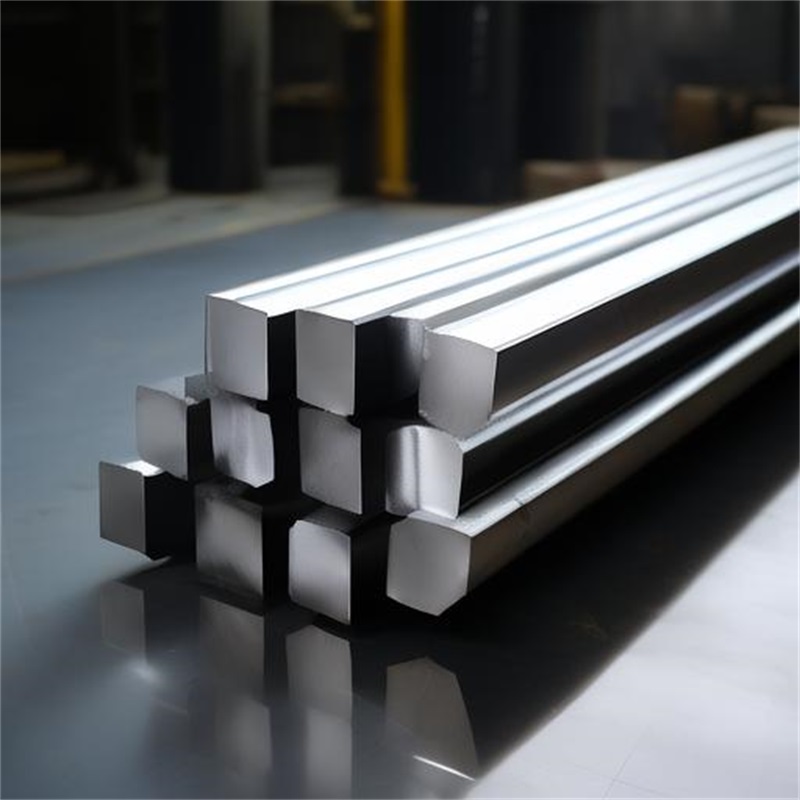
Material Specifications and Selection Criteria
Selecting the appropriate high-temperature alloy requires careful evaluation of chemical composition, mechanical properties, and processing requirements. Key specifications include creep rupture strength at operating temperatures, corrosion rates in specific coolants, and irradiation-induced property changes. Heat treatment protocols, such as solution annealing and aging, are critical to achieving optimal microstructures and preventing harmful phase precipitation. For example, Hastelloy N requires rapid water quenching after solution treatment to avoid carbide segregation at grain boundaries, which could compromise corrosion resistance. Welding procedures must be tightly controlled, with post-weld heat treatments often necessary to relieve residual stresses and prevent stress corrosion cracking. Procurement professionals should prioritize suppliers with proven experience in nuclear-grade manufacturing, including vacuum induction melting and electroslag remelting, to ensure material purity and consistency. Certification to standards such as ASME Section III and ASTM specifications is essential for regulatory compliance.
FAQ
What is the best high-temperature alloy for molten salt reactors?
Hastelloy N and its modified variants are the most established materials for MSR applications, offering a proven balance of corrosion resistance, irradiation tolerance, and fabricability. Newer alloys like GH3535 are also being deployed in Chinese TMSR projects.
How do high-temperature alloys resist neutron irradiation damage?
These alloys employ mechanisms such as high-entropy effects, lattice distortion, and fine precipitate distributions to trap radiation-induced defects and prevent void swelling. Refractory high-entropy alloys show particular promise due to their inherent stability under irradiation.
Can high-temperature alloys be welded for nuclear components?
Yes, but welding requires strict process control. Techniques like GTAW with matching filler metals are preferred, and post-weld heat treatments are often necessary to restore corrosion resistance and relieve stresses. All welds must undergo 100% non-destructive testing.
What is the difference between Inconel 617 and Hastelloy N for nuclear use?
Inconel 617 excels in high-temperature oxidation and carburization resistance, making it ideal for helium-cooled systems. Hastelloy N is specifically designed for molten fluoride salt environments and offers superior corrosion resistance in that context.
How to choose between nickel-based and refractory high-entropy alloys?
Nickel-based alloys are mature, well-characterized, and suitable for most current reactor designs. Refractory high-entropy alloys are still in development but offer potential advantages in extreme irradiation environments and higher temperature capabilities. Selection should be based on specific operating conditions and available qualification data.
What are the main challenges in sourcing nuclear-grade high-temperature alloys?
Key challenges include stringent quality control requirements, limited supplier qualification, long lead times for specialized processing, and the need for comprehensive material certification. Procurement teams should engage with suppliers early in the design phase to ensure material availability and compliance.
 What Is Polyimide (PI)
What Is Polyphenylene Sulfide (PPS)
What Is Polyimide (PI)
What Is Polyphenylene Sulfide (PPS)
 What is PEEK-for Engineers and Buyers
 Application Scope of Zirconia Ceramic Structural Components