
Why Deepwater Oil & Gas Relies on High-Performance Alloys
Deepwater oil and gas extraction operates in one of the most hostile environments on Earth, where extreme hydrostatic pressure, sub-zero temperatures, and highly corrosive media converge. Standard carbon steels and conventional stainless steels fail rapidly under these conditions, leading to catastrophic equipment failure and environmental risks. High-performance nickel-based alloys are not merely an upgrade; they are the fundamental enablers of deepwater operations. These materials provide the essential combination of ultra-high strength, exceptional corrosion resistance, and fatigue durability required for subsea trees, manifolds, and flowlines. For engineers and procurement specialists, understanding the specific metallurgical advantages of these alloys is critical for ensuring asset integrity, reducing lifecycle costs, and maintaining operational safety in depths exceeding 1,500 meters.
What is Deepwater-Grade Nickel Alloy?
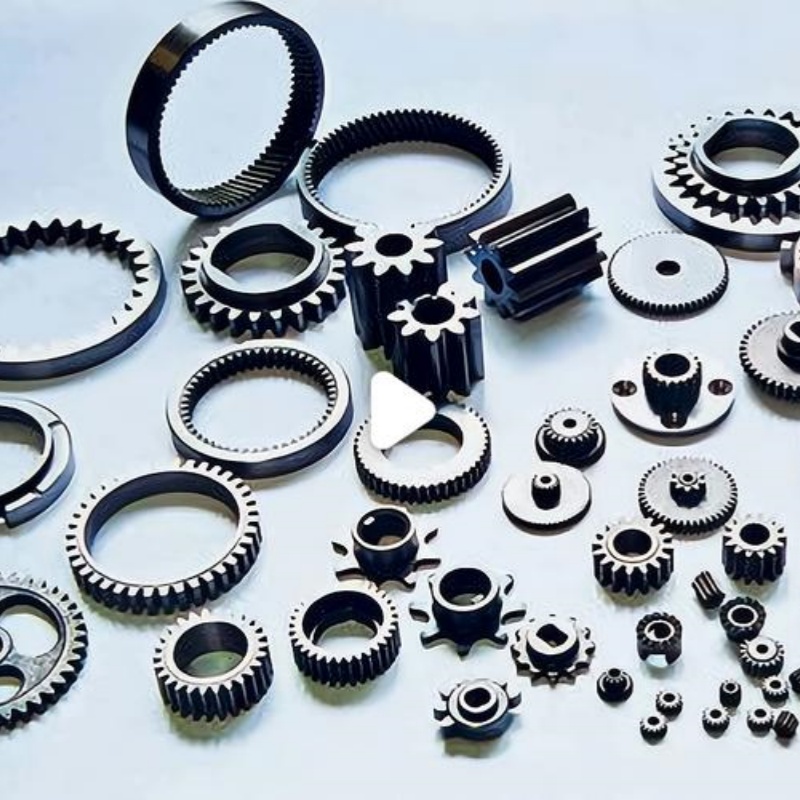
Deepwater-grade nickel alloys are a specialized class of precipitation-hardened or solid-solution-strengthened materials engineered specifically for subsea environments. Unlike generic high-temperature alloys, these materials are optimized for low-temperature toughness and resistance to localized corrosion in chloride-rich, sour service conditions. The defining characteristic is a high Chromium and Molybdenum content, which forms a passive oxide layer that resists pitting and crevice corrosion even under high external pressure. Furthermore, the addition of elements like Niobium and Titanium enables precipitation hardening, allowing the material to achieve yield strengths exceeding 800 MPa while maintaining ductility. This unique metallurgical balance ensures that critical subsea components can withstand the immense mechanical loads of deepwater drilling and production without succumbing to stress corrosion cracking or hydrogen embrittlement.
Key Features
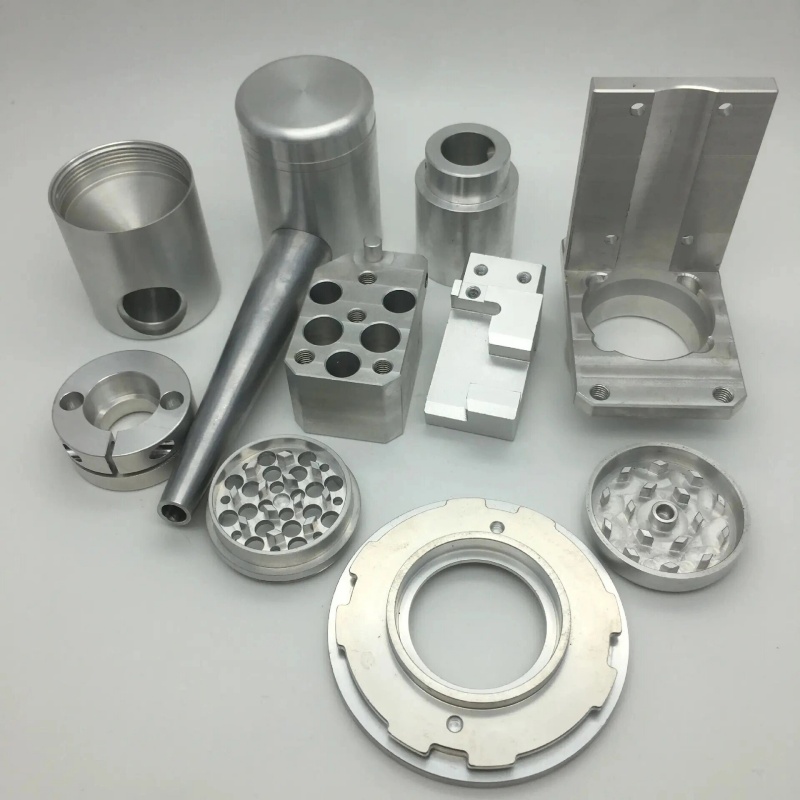
The operational success of deepwater projects hinges on several non-negotiable material properties. First, exceptional corrosion resistance is paramount; these alloys exhibit a Pitting Resistance Equivalent Number (PREN) typically above 40, ensuring immunity to chloride-induced pitting and crevice corrosion in seawater and sour hydrocarbon fluids. Second, high yield strength and fatigue resistance are essential to combat the cyclic loading from waves, currents, and internal pressure fluctuations, preventing premature failure of structural components. Third, superior low-temperature toughness is maintained even at depths where temperatures approach freezing, preventing brittle fracture. Finally, excellent weldability and resistance to strain-age cracking allow for the reliable fabrication of complex subsea assemblies, ensuring that the material’s integrity is preserved throughout the manufacturing and installation process.
Typical Applications
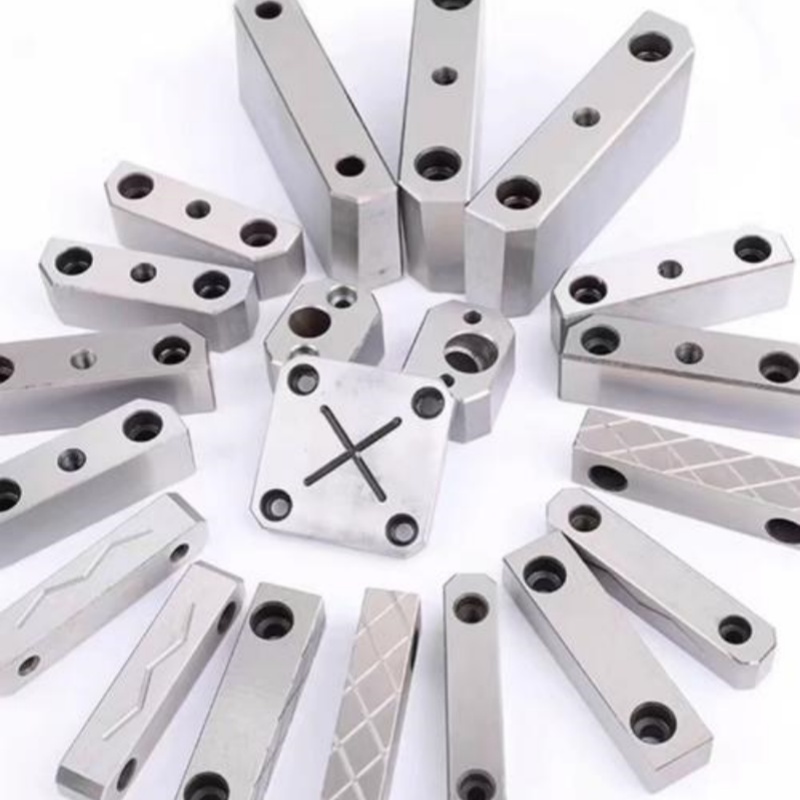
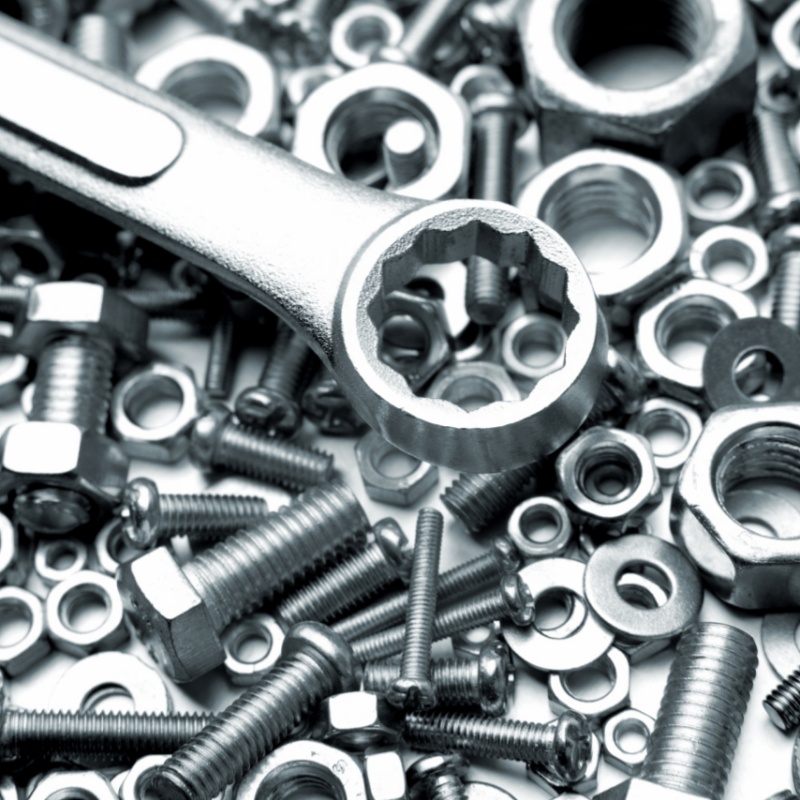
These alloys are the backbone of critical subsea infrastructure. In the oil and gas sector, they are the standard for subsea Christmas trees, manifolds, and jumpers, where they resist internal sour gas and external seawater simultaneously. In marine engineering, they are used for tension leg platform bolts and mooring system connectors that endure constant cyclic stress. For chemical processing, these materials are selected for high-pressure reactors and heat exchangers handling aggressive acids and chlorides. In power generation, they serve as critical fasteners and control rod drive mechanisms in nuclear reactors due to their radiation resistance and corrosion stability. Additionally, they are increasingly used in aerospace for hydraulic systems and fasteners that require a rare combination of high strength and environmental durability.
Material Specifications
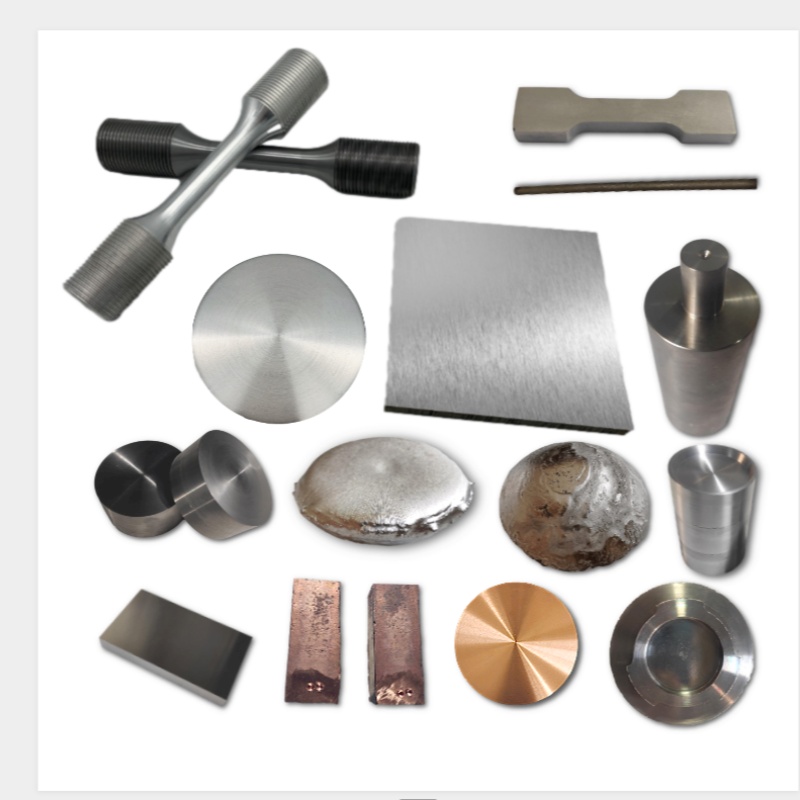
Understanding the technical baseline is vital for specification and procurement. Deepwater nickel alloys typically feature a Nickel base (55-60%) with Chromium (20-22%) and Molybdenum (8-10%) for corrosion resistance, plus Niobium (3-4%) for precipitation strengthening. Mechanically, they offer a minimum yield strength of 750-1000 MPa and tensile strength exceeding 1100 MPa, with elongation maintained above 20% to ensure ductility. Physically, they possess a density of approximately 8.2 g/cm³ and a thermal expansion coefficient that minimizes thermal stress in subsea environments. Heat treatment usually involves solution annealing followed by a two-step aging process to optimize the gamma-double-prime precipitate distribution. Hardness is typically controlled between 30-40 HRC to balance strength with resistance to sulfide stress cracking, and they are certified for continuous service from cryogenic temperatures up to 650°C.
FAQ
What is the difference between Inconel 625 and Inconel 725 for deepwater use?
Inconel 625 is a solid-solution-strengthened alloy with excellent corrosion resistance but moderate strength. Inconel 725 is a precipitation-hardened variant of 625 that offers significantly higher yield strength (up to 1000 MPa) while retaining similar corrosion resistance, making it the preferred choice for high-stress subsea structural components like bolts and connectors.
How to choose the right alloy for sour service environments?
For sour service containing H₂S and CO₂, prioritize alloys with high Molybdenum content and low hardness. Inconel 725 and Inconel 718 are standard choices as they meet NACE MR0175/ISO 15156 requirements, but hardness must be strictly controlled during heat treatment to prevent sulfide stress cracking.
Can deepwater nickel alloys be welded reliably?
Yes, alloys like Inconel 725 and 718 are designed with excellent weldability. They exhibit low susceptibility to strain-age cracking, allowing for robust welding without extensive pre- or post-heat treatment. However, post-weld aging is often recommended to restore the full mechanical properties of the heat-affected zone.
Why choose nickel alloys over duplex stainless steels for deepwater?
While duplex stainless steels are cost-effective for moderate depths, they lack the strength and corrosion resistance required for ultra-deepwater (>1500m). Nickel alloys offer superior resistance to chloride stress corrosion cracking, higher fatigue limits, and better performance in sour environments, justifying the higher initial cost through extended service life and reduced maintenance.
What are the advantages of using precipitation-hardened alloys in subsea trees?
Precipitation-hardened alloys like Inconel 725 provide the high strength needed to reduce component wall thickness and weight, which is crucial for deepwater installation. This strength, combined with inherent corrosion resistance, allows for more compact, reliable, and cost-effective subsea tree designs compared to using larger, heavier sections of lower-strength materials.
 What Is Polyimide (PI)
What Is Polyphenylene Sulfide (PPS)
What Is Polyimide (PI)
What Is Polyphenylene Sulfide (PPS)
 What is PEEK-for Engineers and Buyers
 Application Scope of Zirconia Ceramic Structural Components