
Cobalt & Nickel Alloys for Aero-Engine Combustors
Combustor liners and flame stabilizers in aero-engines endure extreme thermal cycling, aggressive oxidation, and complex mechanical loads. Selecting the correct special alloy is critical for ensuring safety, reliability, and lifecycle cost efficiency. This guide focuses on cobalt-based and nickel-based superalloys specifically engineered for combustion systems. It provides material engineers, procurement specialists, and project managers with objective technical data to navigate alloy selection. Understanding the distinct metallurgical advantages of each alloy family enables informed decisions that balance performance requirements with manufacturing feasibility and long-term operational durability in demanding aerospace environments.
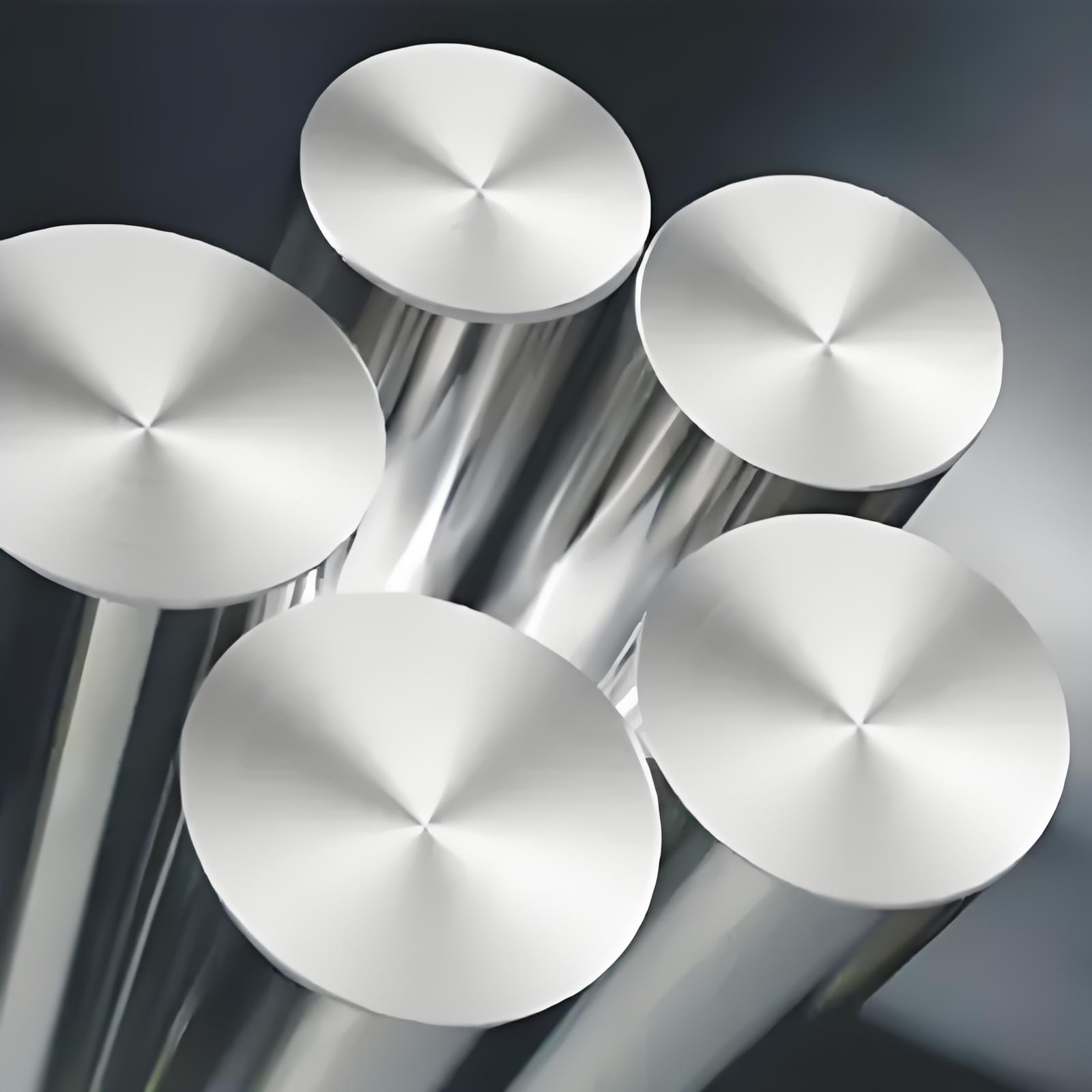
What Are Combustor-Grade Special Alloys?
Combustor-grade special alloys are high-performance metallic materials designed to maintain structural integrity under severe thermal and chemical stress. These alloys are primarily categorized into cobalt-based and nickel-based superalloys, each offering unique metallurgical characteristics. Cobalt-based alloys, such as GH5188 and K640S, rely on solid-solution strengthening and carbide dispersion to achieve exceptional thermal fatigue resistance and hot corrosion protection. Nickel-based alloys, including GH4099 and GH3044, utilize gamma-prime precipitation or solid-solution mechanisms to deliver superior high-temperature strength and oxidation resistance. The choice between these families depends on specific operational parameters, including maximum service temperature, thermal cycling frequency, and environmental corrosivity.
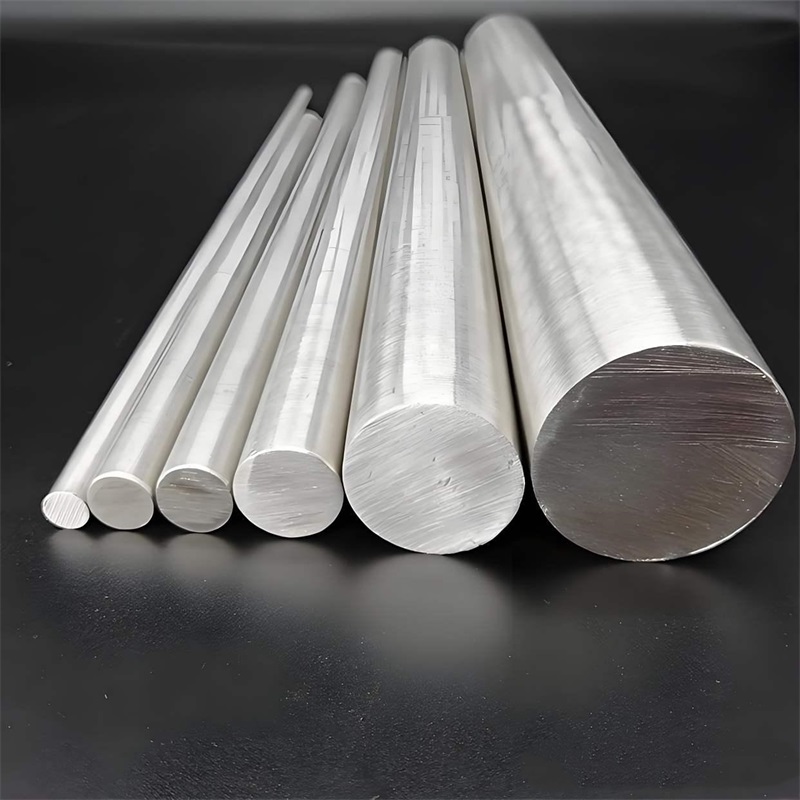
Key Features of Combustor Alloys
Thermal Fatigue Resistance: Cobalt-based alloys exhibit lower thermal expansion coefficients and higher thermal conductivity, allowing them to withstand rapid temperature fluctuations without cracking. This makes them ideal for components experiencing frequent start-stop cycles.
Hot Corrosion Protection: High chromium content in both alloy families facilitates the formation of dense, protective oxide scales. Cobalt-based variants demonstrate superior resistance to sulfidation and vanadium-induced corrosion in fuel-contaminated environments.
High-Temperature Strength: Nickel-based alloys maintain higher yield strength at elevated temperatures due to gamma-prime precipitates. Solid-solution strengthened nickel alloys provide adequate strength for static combustor components up to 900°C.
Oxidation Stability: Both alloy types form stable chromium oxide layers. Nickel-based alloys with aluminum additions offer enhanced oxidation resistance at peak temperatures, while cobalt alloys provide consistent protection across broader thermal ranges.
Fabrication Versatility: Nickel-based solid-solution alloys offer excellent cold and hot workability, enabling complex sheet metal forming. Cobalt alloys require specialized processing but deliver unmatched durability in cast configurations.
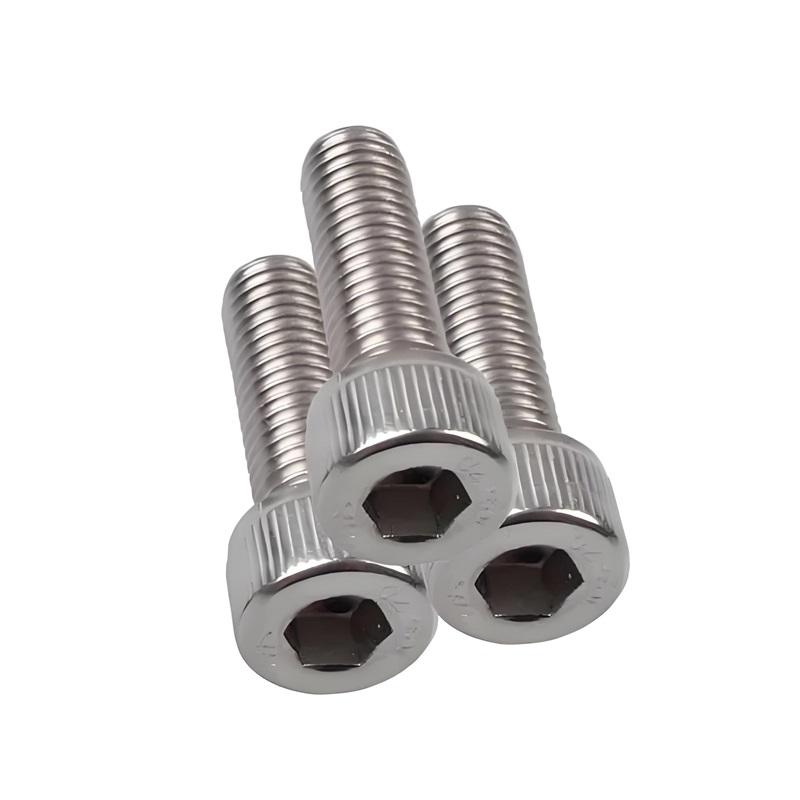
Typical Applications
Aerospace: Primary combustion chamber liners, flame tubes, afterburner components, and turbine transition ducts.
Gas Turbine: Industrial power generation combustors, nozzle guide vanes, and heat shields.
Chemical Processing: High-temperature reactor internals and thermal cracking furnace components.
Power Generation: Heavy-duty gas turbine hot-section components and boiler burner nozzles.
FAQ
What is the difference between GH5188 and GH3044 for combustor applications?
GH5188 offers superior thermal fatigue resistance and hot corrosion protection for components exceeding 900°C or experiencing severe thermal cycling. GH3044 provides better formability and cost efficiency for static components operating below 900°C.
Can cobalt-based alloys be welded?
Yes, but they require strict preheating (100-200°C) and post-weld stress relief to prevent heat-affected zone cracking. Nickel-based alloys generally offer better weldability with simpler procedures.
How to choose between solid-solution and precipitation-hardened alloys?
Select solid-solution alloys (GH3044, GH5188) for components requiring complex fabrication and moderate temperatures. Choose precipitation-hardened alloys (GH4099) for rotating or highly stressed components needing maximum strength at elevated temperatures.
What industries use cobalt-based superalloys?
Primarily aerospace and heavy-duty gas turbines where thermal fatigue and hot corrosion are dominant failure modes. They are also used in chemical processing equipment exposed to sulfidizing environments.
When should you use GH4099 over GH5188?
GH4099 is preferable when higher specific strength is required at temperatures up to 980°C, particularly for thin-walled components subject to high mechanical loads. GH5188 excels in applications prioritizing thermal shock resistance over absolute strength.
Engineering Selection Recommendations
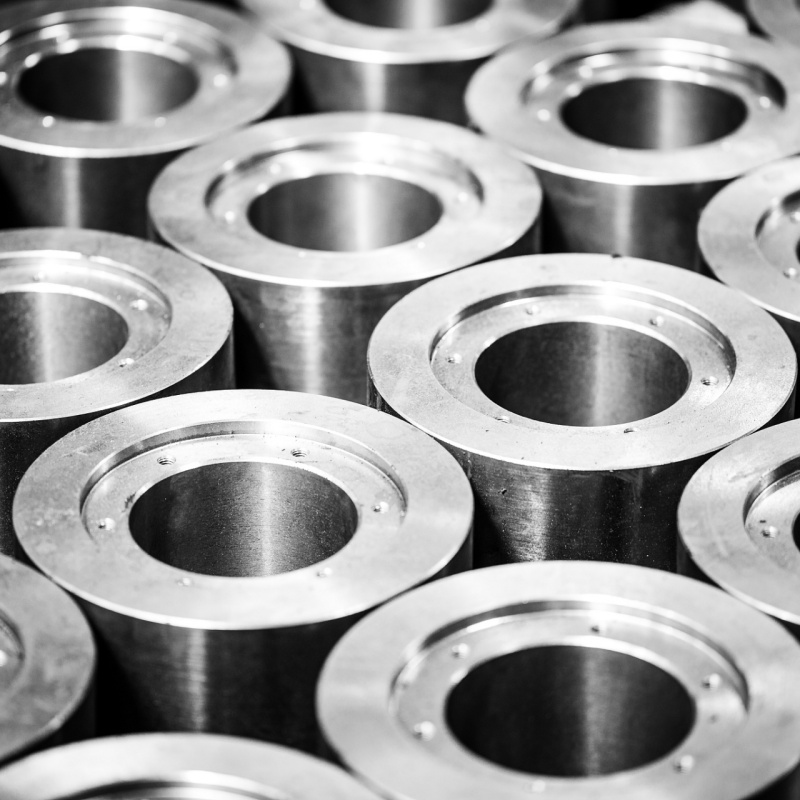
For combustor liners experiencing frequent thermal cycling above 950°C, cobalt-based alloys like GH5188 provide the optimal balance of thermal fatigue life and corrosion resistance. When component geometry requires extensive cold forming and operating temperatures remain below 900°C, nickel-based solid-solution alloys such as GH3044 offer superior manufacturability and cost-effectiveness. For high-stress components like flame stabilizers operating near 980°C, precipitation-hardened nickel alloys like GH4099 deliver necessary strength while maintaining adequate oxidation resistance. Always validate material selection through component-level thermal-mechanical testing that replicates actual service conditions, including fuel composition effects and transient thermal profiles.
 What Is Polyimide (PI)
What Is Polyphenylene Sulfide (PPS)
What Is Polyimide (PI)
What Is Polyphenylene Sulfide (PPS)
 What is PEEK-for Engineers and Buyers
 Application Scope of Zirconia Ceramic Structural Components