
Superalloys for Aero-Engine Turbine Discs
Turbine discs are critical rotating components in aero-engines, operating under extreme centrifugal loads and high temperatures. Selecting the correct superalloy is paramount for engine safety, efficiency, and service life. This guide provides engineers and procurement professionals with essential technical insights into nickel-based and iron-based superalloys specifically designed for turbine disc applications. Understanding the material science, performance characteristics, and manufacturing constraints of these alloys is crucial for making informed decisions in aerospace and power generation projects.
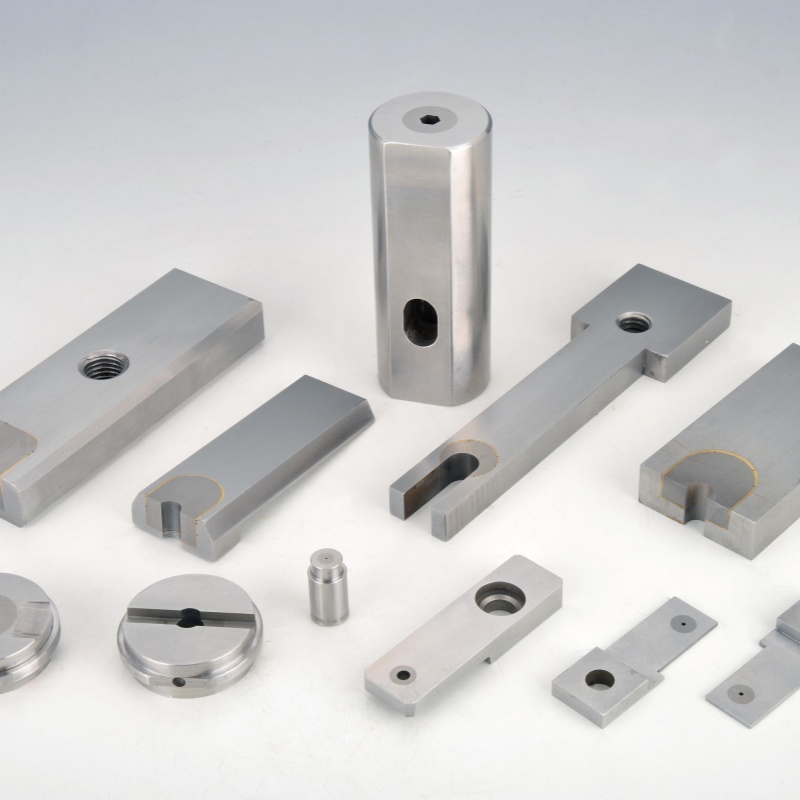
What Are Superalloys for Turbine Discs?
Superalloys for turbine discs are high-performance metallic materials engineered to maintain structural integrity in harsh environments. Primarily based on nickel, cobalt, or iron, these alloys are strengthened through precipitation hardening, typically forming gamma-prime (γ’) phases. Unlike turbine blades, discs experience lower peak temperatures but endure immense mechanical stress and thermal gradients. Consequently, disc alloys prioritize high yield strength, fatigue resistance, and microstructural stability over pure creep resistance. Their importance spans aerospace, power generation, and industrial gas turbines, where failure is not an option.
Key Features of Turbine Disc Superalloys
The selection of a turbine disc superalloy depends on its ability to withstand specific operational stresses. High-temperature strength is fundamental, ensuring the material resists deformation under centrifugal forces exceeding 40 tons of equivalent load. Creep resistance is equally vital, preventing gradual deformation during prolonged exposure to elevated temperatures. Fatigue resistance, particularly low-cycle fatigue (LCF), is critical due to the repeated thermal and mechanical cycling during engine start-ups and shutdowns. Additionally, microstructural stability ensures that detrimental phases, such as sigma or topologically close-packed (TCP) phases, do not precipitate over long service lives, which could compromise mechanical properties.
Typical Applications
The primary application of these superalloys is in the aerospace sector, specifically for high-pressure and low-pressure turbine discs in commercial and military aero-engines. In power generation, they are utilized in heavy-duty gas turbines for electricity production and natural gas pipeline compression. The oil and gas industry employs these materials in turbine-driven compressors and pumps where reliability is essential. Furthermore, industrial gas turbines used in marine propulsion and mechanical drive applications rely on these alloys for their core rotating assemblies.
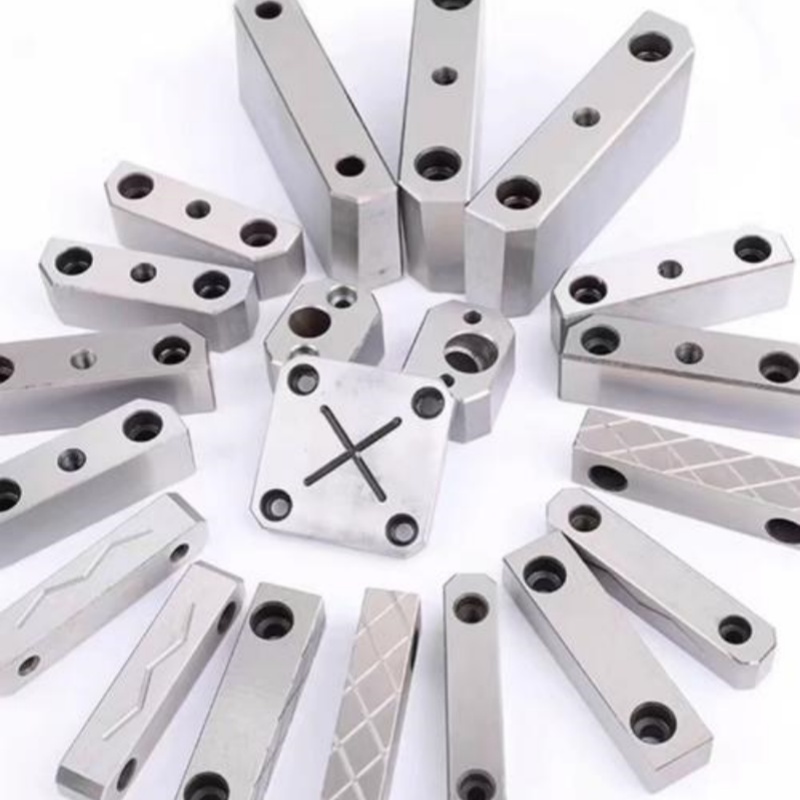
Material Specifications
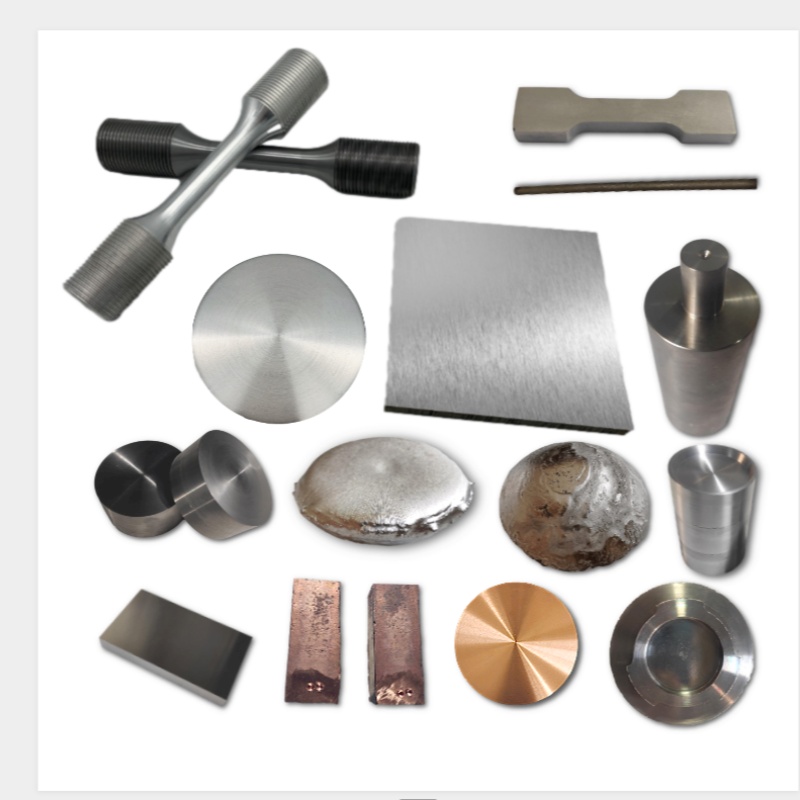
Material specifications vary significantly based on the operating temperature and stress profile. Nickel-based alloys like GH4169 and GH761 are industry standards, offering excellent strength up to 650°C and 750°C, respectively. Iron-based alloys such as GH2132 provide cost-effective solutions for lower-temperature applications below 650°C. Advanced powder metallurgy alloys, like FGH4097, enable the production of larger, more complex discs with superior fatigue properties compared to conventional wrought alloys. Heat treatment protocols, including solution annealing and multi-step aging, are critical to achieving the desired gamma-prime distribution and mechanical performance. Density typically ranges from 7.8 to 8.2 g/cm³, influencing the overall weight and rotational dynamics of the engine.
FAQ
What is the difference between GH4169 and GH761 for turbine discs?
GH4169 is widely used for applications up to 650°C due to its excellent fatigue resistance and weldability. GH761, however, is designed for higher temperatures up to 750°C, offering superior creep resistance and strength retention in more demanding environments, though it has a narrower forging window.
How to choose the best material for a turbine disc?
Selection depends on the maximum operating temperature, stress levels, and required service life. For temperatures below 650°C, GH4169 is often optimal. For 650-750°C, consider GH761 or GH2018. For advanced engines requiring higher performance, powder metallurgy alloys are preferred. Always validate material choice against specific LCF and creep data.
What are the advantages of powder metallurgy superalloys?
Powder metallurgy alloys offer finer, more uniform grain structures, resulting in significantly improved fatigue life and strength compared to wrought alloys. They also allow for the manufacturing of larger, more complex disc geometries that are difficult to forge conventionally.
Can turbine disc superalloys be welded?
Welding is generally discouraged for precipitation-hardened disc alloys due to the risk of heat-affected zone cracking and property degradation. If welding is unavoidable, specialized procedures and post-weld heat treatments are required, but this is rare for critical rotating components.
What is the working temperature range for iron-based turbine disc alloys?
Iron-based alloys like GH2132 are typically limited to operating temperatures below 650°C. They are suitable for lower-pressure turbine stages or auxiliary power units where cost efficiency is a priority over maximum temperature capability.
When should you use nickel-based vs. iron-based superalloys?
Use nickel-based alloys for high-stress, high-temperature applications where performance is critical. Iron-based alloys are appropriate for lower-temperature, lower-stress applications where cost reduction is a significant factor without compromising safety margins.
 What Is Polyimide (PI)
What Is Polyphenylene Sulfide (PPS)
What Is Polyimide (PI)
What Is Polyphenylene Sulfide (PPS)
 What is PEEK-for Engineers and Buyers
 Application Scope of Zirconia Ceramic Structural Components