
How to Choose Corrosion-Resistant Alloys for Chemical Plants
Selecting the right corrosion-resistant alloy for chemical plants is critical for safety, longevity, and cost-efficiency. Unlike standard stainless steels, these specialized alloys withstand aggressive media like strong acids, alkalis, and chlorides. This guide helps procurement officers, material engineers, and project managers navigate the complex landscape of special alloys. Understanding the specific chemical composition and performance limits of each material prevents premature equipment failure. By aligning material properties with actual operating conditions, facilities can optimize maintenance cycles and ensure regulatory compliance. This article provides a technical framework for making informed, data-driven decisions in chemical processing environments.
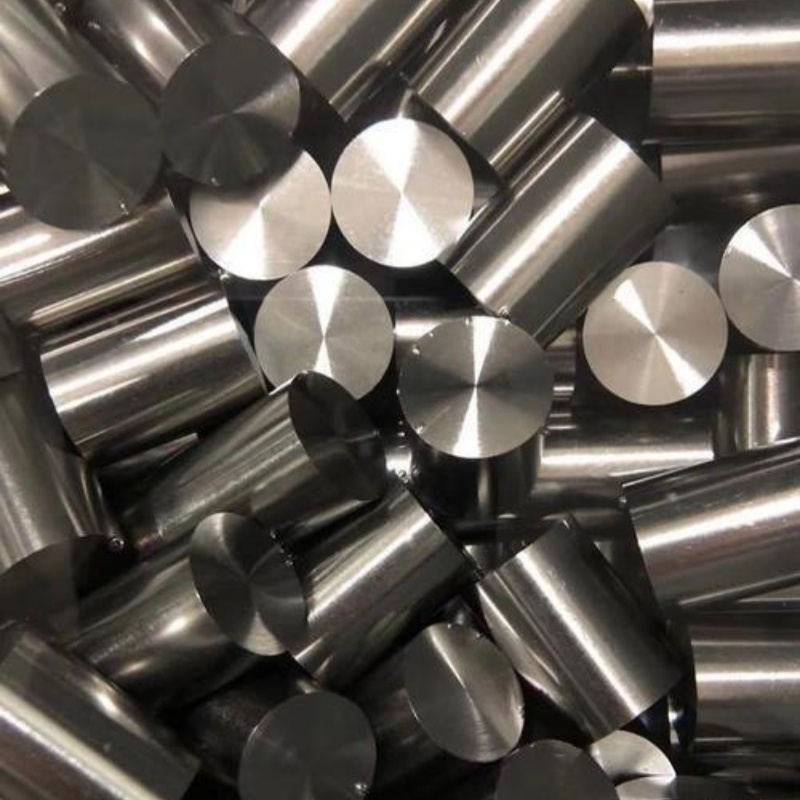
What is Corrosion-Resistant Alloy?
Corrosion-resistant alloys are metallic materials engineered to resist degradation in harsh chemical environments. They primarily consist of nickel, chromium, molybdenum, and other elements that form protective passive films. These alloys are essential in chemical processing, oil and gas, and marine industries where standard materials fail. The key advantage lies in their ability to maintain structural integrity under extreme pH levels, high temperatures, and chloride exposure. Choosing the correct alloy requires analyzing the specific corrosive agents present in the process stream.
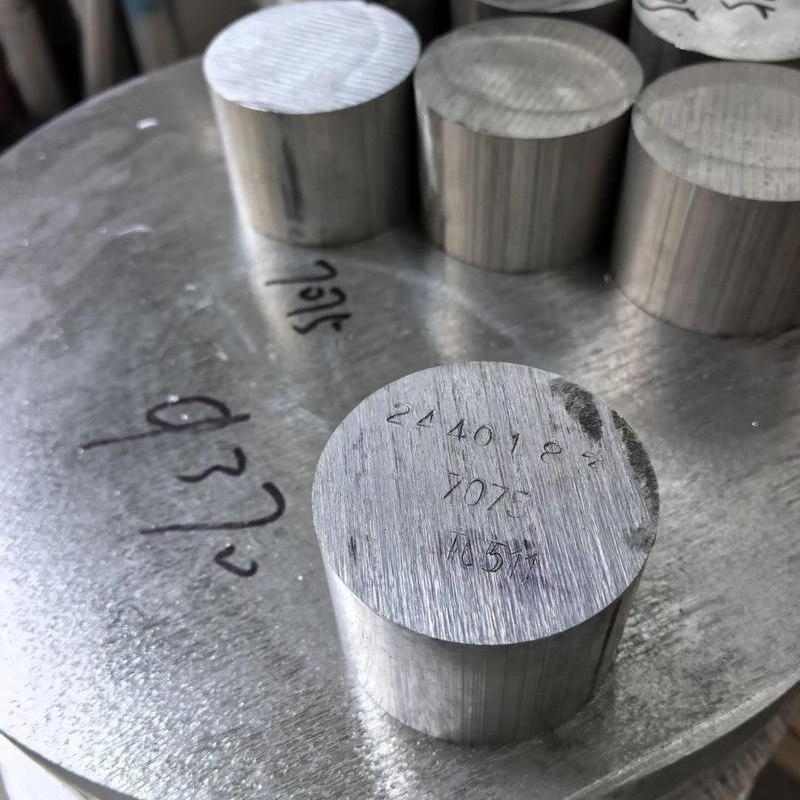
Key Features
Corrosion Resistance: Superior resistance to reducing acids, oxidizing media, and chloride-induced stress corrosion cracking.
High-Temperature Stability: Maintains mechanical properties and oxidation resistance in extreme thermal environments.
Mechanical Strength: High yield and tensile strength ensure durability under high-pressure chemical processing.
Weldability: Compatible with standard welding techniques while preserving corrosion resistance in heat-affected zones.
Typical Applications
Chemical Processing: Reactors, heat exchangers, and piping systems handling hydrochloric and sulfuric acids.
Oil & Gas: Downhole tubing, separators, and pipelines exposed to sour gas and brine.
Marine: Seawater cooling systems, desalination plants, and offshore platform components.
Power Generation: Flue gas desulfurization systems and nuclear reactor components.
Pharmaceutical: High-purity processing equipment requiring contamination-free surfaces.
FAQ
What is the difference between Hastelloy C-276 and Inconel 625?
Hastelloy C-276 excels in reducing acids like hydrochloric and sulfuric acid due to its high molybdenum and tungsten content. Inconel 625 offers superior resistance to oxidizing acids and seawater, making it ideal for marine and aerospace applications. The choice depends on whether the primary threat is reducing or oxidizing corrosion.
How to choose the best alloy for hydrochloric acid service?
For hydrochloric acid, Hastelloy B-3 or C-276 are typically the best choices due to their high molybdenum content. Standard stainless steels and even Inconel 625 may suffer from rapid corrosion in this environment. Always verify concentration and temperature limits before selection.
Why choose nickel alloys over stainless steel?
Nickel alloys provide significantly better resistance to chloride stress corrosion cracking and reducing acids compared to 304 or 316 stainless steel. They also maintain strength at higher temperatures, reducing the risk of catastrophic failure in critical chemical processes.
What industries use corrosion-resistant alloys?
Chemical processing, oil and gas, marine, power generation, pharmaceutical, and semiconductor industries rely on these alloys. Each sector has unique corrosive challenges, requiring tailored material solutions for safety and efficiency.
Can Inconel 625 be welded?
Yes, Inconel 625 is readily weldable using standard techniques like TIG and MIG welding. It requires minimal post-weld heat treatment, and its welds retain excellent corrosion resistance and mechanical properties, making it a preferred choice for fabricated equipment.
When should you use titanium instead of nickel alloys?
Titanium is ideal for oxidizing environments like seawater, wet chlorine, and nitric acid. It offers a high strength-to-weight ratio and excellent resistance to pitting. However, it should be avoided in reducing acids or dry chlorine gas, where nickel alloys perform better.
What are the advantages of super duplex stainless steel?
Super duplex stainless steels like 2507 offer high strength and excellent resistance to chloride stress corrosion cracking at a lower cost than nickel alloys. They are suitable for seawater and oil and gas applications but may not withstand strong reducing acids.
How does temperature affect alloy selection?
Higher temperatures accelerate corrosion rates and can cause material degradation. Alloys like Inconel 625 and Hastelloy C-276 maintain their protective oxide layers at elevated temperatures, whereas standard stainless steels may fail. Always consider the maximum operating temperature in your selection process.
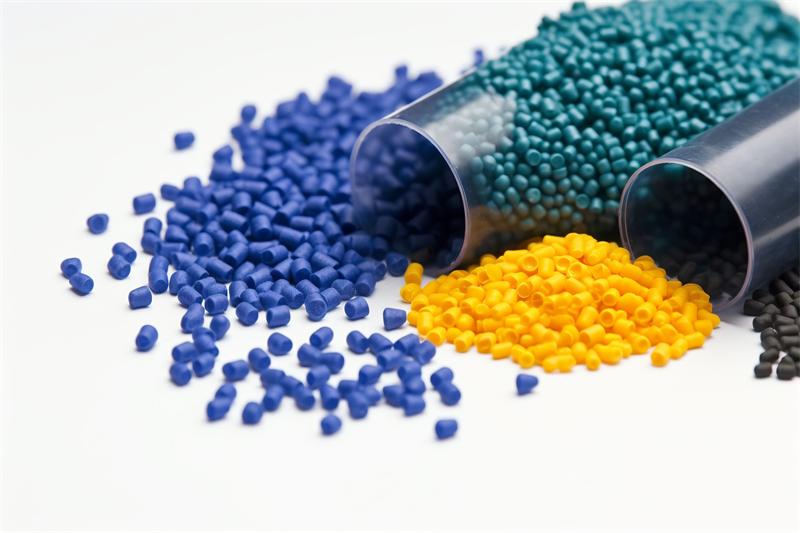 What Is Polyimide (PI)
What Is Polyphenylene Sulfide (PPS)
What Is Polyimide (PI)
What Is Polyphenylene Sulfide (PPS)
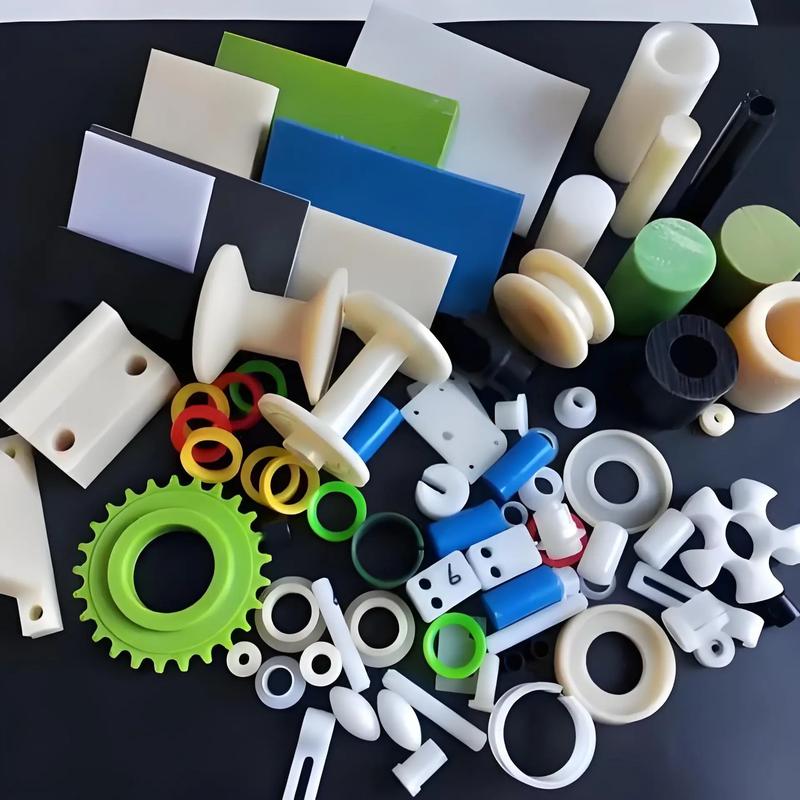 What is PEEK-for Engineers and Buyers
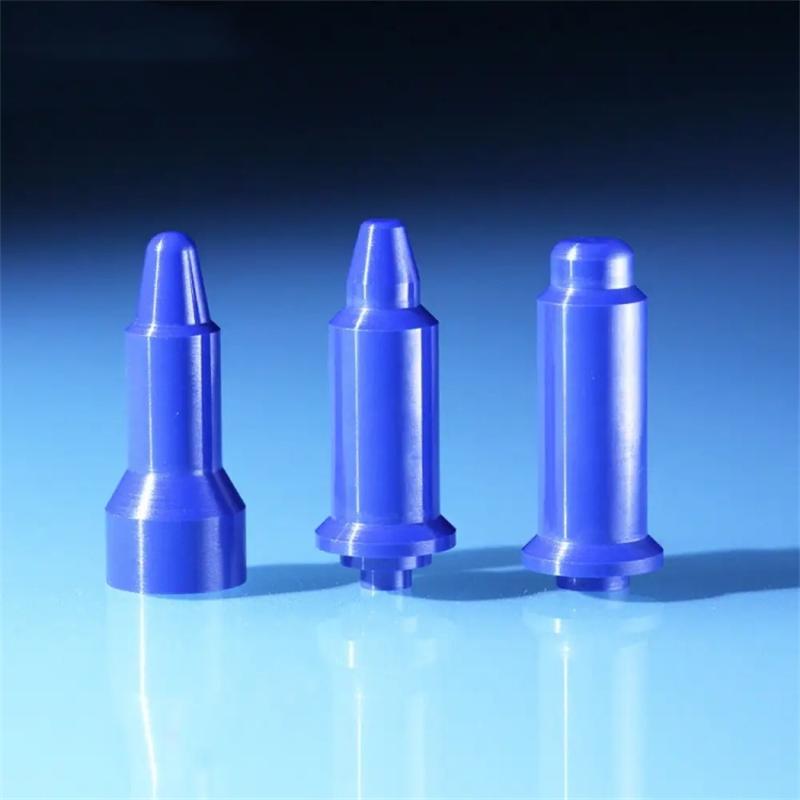 Application Scope of Zirconia Ceramic Structural Components