
How to Select Corrosion-Resistant Alloys for Marine Engineering
Selecting the right corrosion-resistant alloy for marine engineering is critical for ensuring structural integrity, safety, and long-term operational efficiency. Marine environments present unique challenges, including high chloride concentrations, dynamic mechanical stresses, and biological fouling, which can rapidly degrade conventional materials. This guide provides engineers and procurement specialists with a structured framework for evaluating alloy performance, focusing on material composition, environmental compatibility, and lifecycle cost. By understanding the specific advantages of nickel-copper alloys, titanium, and duplex stainless steels, stakeholders can make informed decisions that balance technical requirements with economic feasibility, ultimately preventing premature failure and reducing maintenance burdens in offshore and subsea applications.
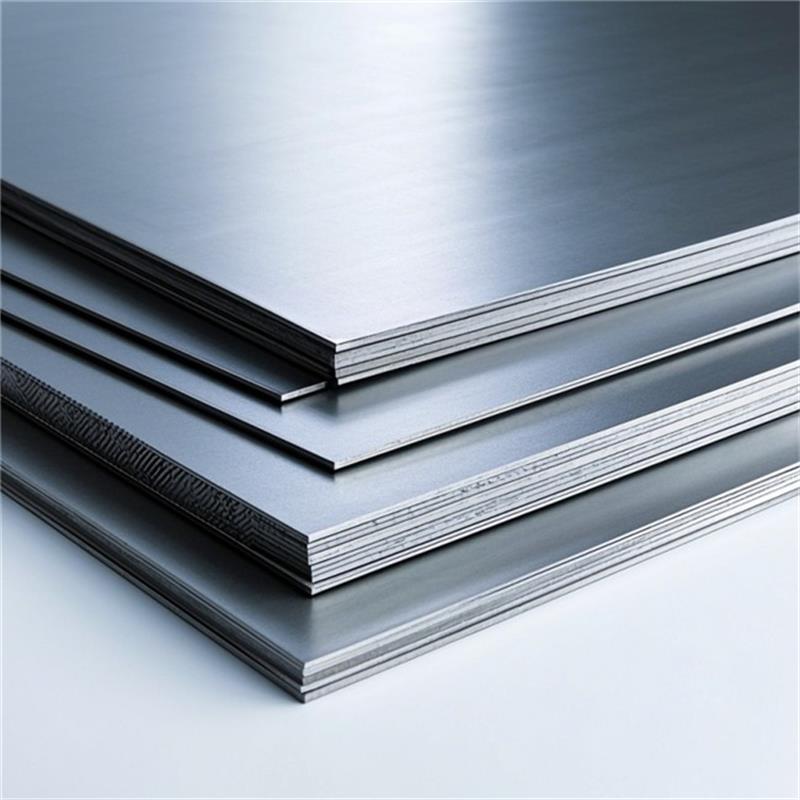
What is Marine Corrosion-Resistant Alloy?
Marine corrosion-resistant alloys are specialized metallic materials engineered to withstand the aggressive conditions of seawater and marine atmospheres. Unlike standard carbon steels or basic stainless steels, these alloys possess enhanced chemical compositions that promote stable passive films or inherent thermodynamic stability against chloride-induced degradation. The primary categories include nickel-copper alloys like Monel 400 and K-500, titanium alloys such as Grade 2 and Ti-6Al-4V, and high-performance duplex stainless steels like S35101. These materials are essential for industries ranging from offshore oil and gas to naval defense and desalination, where equipment must operate reliably for decades without catastrophic corrosion failure.
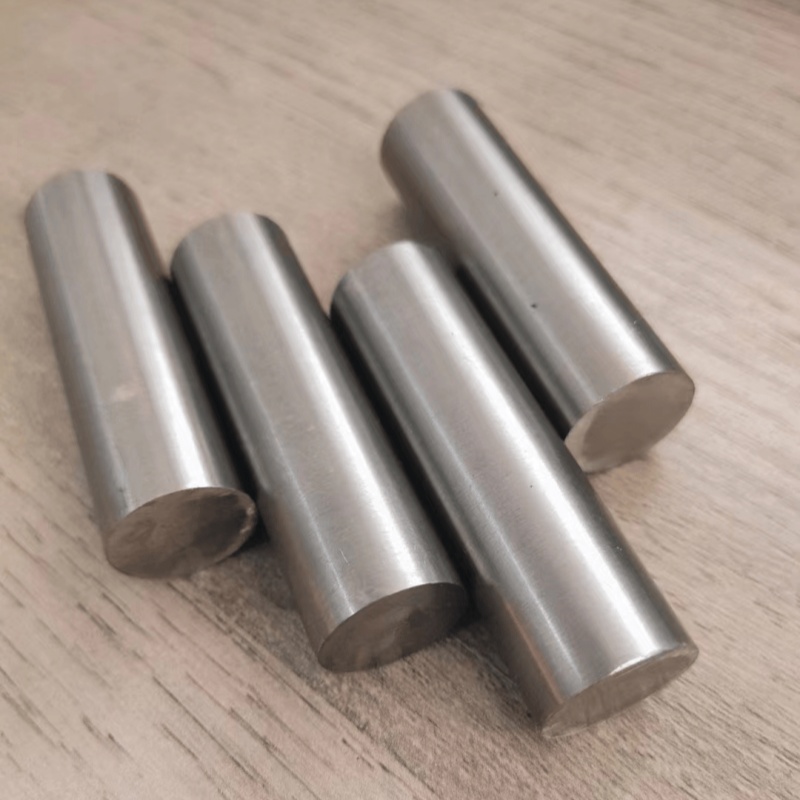
Key Features
The effectiveness of marine alloys is defined by their resistance to specific corrosion mechanisms prevalent in seawater. Nickel-copper alloys exhibit exceptional resistance to chloride stress corrosion cracking and pitting, maintaining structural integrity even in high-velocity water flow exceeding 4 m/s. Titanium alloys offer near-zero corrosion rates due to a self-healing oxide layer that is impervious to chlorides, making them ideal for long-term subsea infrastructure. Duplex stainless steels provide a balanced combination of high yield strength and superior pitting resistance, with PREN values often exceeding 38, which significantly outperforms standard 316L stainless steel in saline environments. Additionally, many of these alloys possess non-magnetic properties, which are crucial for naval vessels and sensitive electronic instrumentation.
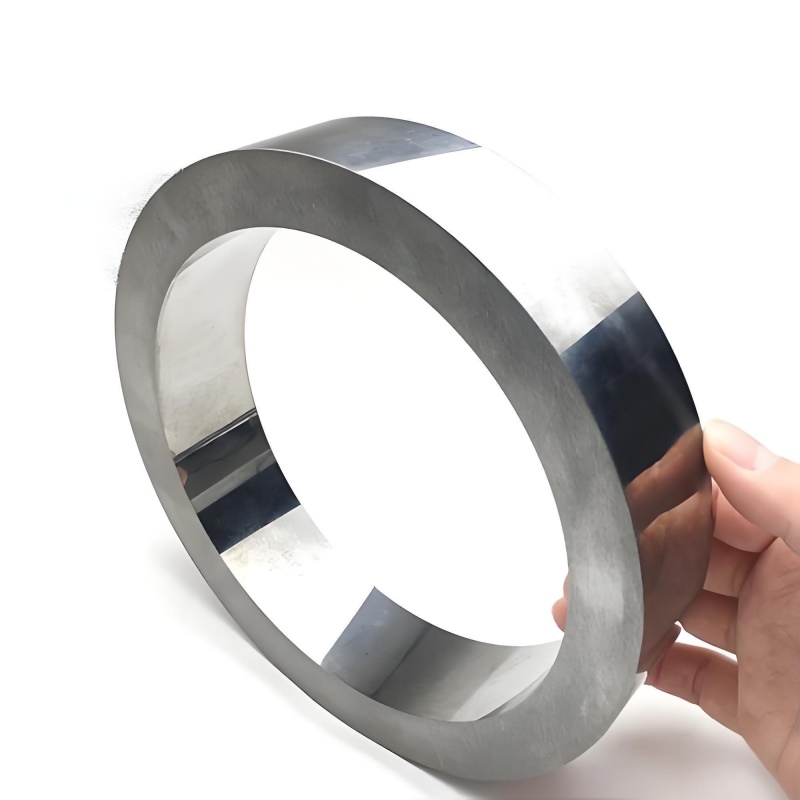
Typical Applications
These alloys are deployed across critical marine infrastructure where failure is not an option. Nickel-copper alloys are the standard for seawater piping systems, pump shafts, and propeller components due to their resistance to cavitation erosion and biofouling. Titanium alloys are increasingly used in deep-sea submersible hulls, heat exchangers for desalination plants, and offshore risers where weight reduction and longevity are paramount. Duplex stainless steels are commonly found in seawater cooling loops, valve bodies, and structural fasteners on offshore platforms. In the chemical processing sector, these materials also handle aggressive brines and hydrofluoric acid environments often associated with marine-adjacent industrial operations.
FAQ
What is the best alloy for high-velocity seawater piping?
Monel 400 and N05500 are preferred for high-velocity seawater due to their resistance to cavitation and erosion-corrosion, whereas titanium is optimal for static or low-velocity applications requiring maximum longevity.
How to choose between titanium and nickel alloys for offshore structures?
Select titanium for weight-critical applications and environments requiring zero corrosion over 50+ years. Choose nickel alloys when higher strength, toughness, and resistance to reducing acids are required alongside seawater corrosion resistance.
What are the advantages of duplex stainless steel in marine engineering?
Duplex stainless steels offer double the yield strength of austenitic stainless steels and superior resistance to chloride stress corrosion cracking, allowing for thinner, lighter designs without compromising safety.
When should you use Monel K-500 over Monel 400?
Use Monel K-500 when the application requires higher mechanical strength and hardness, such as in pump shafts and fasteners, while retaining the corrosion resistance of Monel 400 through precipitation hardening.
Difference between Monel 400 and Hastelloy C-276 for seawater?
Monel 400 is more cost-effective and sufficient for pure seawater environments. Hastelloy C-276 should only be selected if the seawater is contaminated with strong oxidizing acids or high-temperature reducing acids, which exceed Monel’s capabilities.
Can these alloys be welded for subsea applications?
Yes, all mentioned alloys are weldable. However, titanium requires inert gas shielding to prevent embrittlement, while nickel alloys and duplex steels require specific filler metals and heat input controls to maintain corrosion resistance in the heat-affected zone.
What industries use marine corrosion-resistant alloys?
Primary industries include offshore oil and gas, naval shipbuilding, desalination, marine chemical processing, and renewable energy (tidal and wave power), where equipment is continuously exposed to saline and high-stress conditions.
Best material for seawater heat exchangers?
Titanium Grade 2 is the industry standard for seawater heat exchangers due to its immunity to chloride corrosion and excellent thermal conductivity, though Monel 400 is a viable alternative for lower-temperature applications.
 What Is Polyimide (PI)
What Is Polyphenylene Sulfide (PPS)
What Is Polyimide (PI)
What Is Polyphenylene Sulfide (PPS)
 What is PEEK-for Engineers and Buyers
 Application Scope of Zirconia Ceramic Structural Components