
High-Temperature Alloy Selection Guide
Selecting the right high-temperature alloy is critical for ensuring the safety, reliability, and cost-efficiency of components operating in extreme environments. These specialized materials are engineered to maintain structural integrity under high thermal and mechanical stress, making them indispensable in aerospace, power generation, and chemical processing industries. For procurement professionals and design engineers, understanding the nuanced differences between alloy families is essential. This guide provides authoritative technical insights to help you navigate material specifications, avoid common procurement pitfalls, and make informed decisions that align with both performance requirements and project budgets.
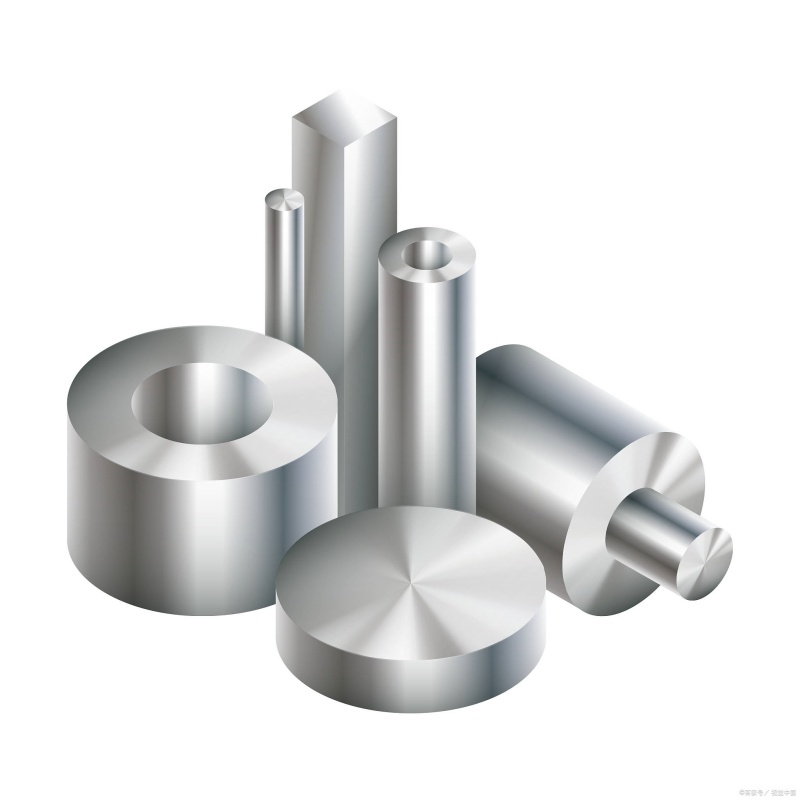
What is High-Temperature Alloy?
High-temperature alloys, also known as superalloys, are a class of metallic materials designed to operate at temperatures exceeding 600°C, often approaching 90% of their melting point. Primarily based on nickel, cobalt, or iron, these alloys achieve their exceptional properties through complex microstructural engineering. The most common strengthening mechanisms include solid-solution strengthening and precipitation hardening via gamma prime (γ’) phases. Their primary advantage lies in the ability to resist creep, oxidation, and thermal fatigue simultaneously. Unlike standard stainless steels, which soften rapidly at elevated temperatures, high-temperature alloys retain their yield strength and dimensional stability, preventing catastrophic failure in critical applications such as turbine blades and combustion chambers.
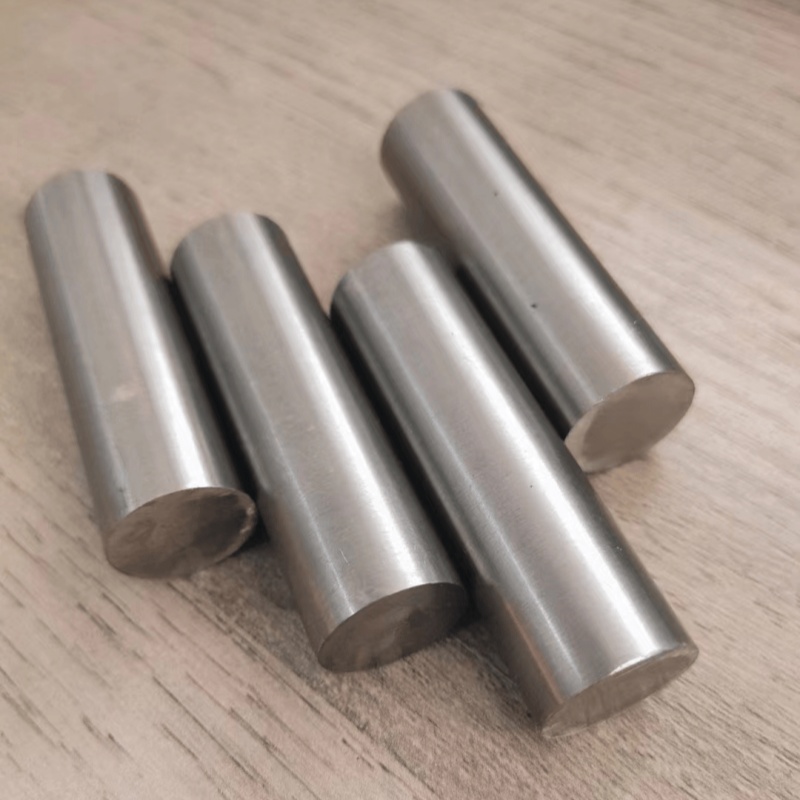
Key Features
The performance of high-temperature alloys is defined by a combination of thermal and mechanical properties. High-temperature strength is paramount, allowing components to withstand centrifugal and vibrational loads without deformation. Creep resistance ensures that materials do not slowly elongate or fail under constant stress over thousands of hours of operation. Oxidation and corrosion resistance are achieved through the formation of protective oxide scales, typically chromium or aluminum-based, which prevent environmental degradation. Additionally, these alloys exhibit superior thermal fatigue resistance, enabling them to endure repeated heating and cooling cycles without cracking. Microstructural stability is also crucial, ensuring that the strengthening phases do not coarsen or dissolve during long-term service, which would otherwise lead to a sudden drop in mechanical performance.
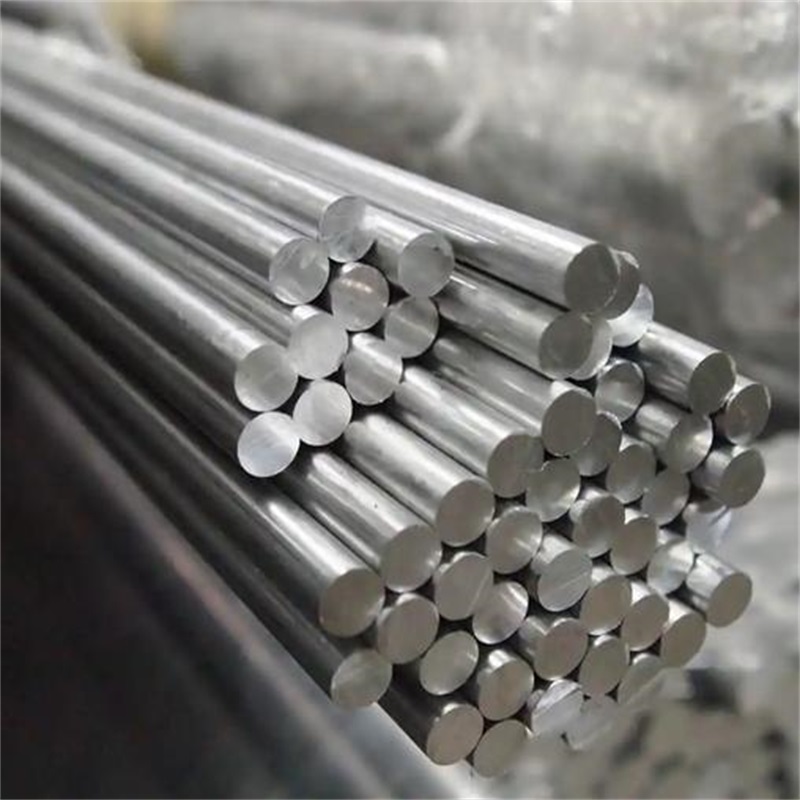
Typical Applications
In the aerospace sector, nickel-based alloys are the backbone of jet engine components, including turbine disks, blades, and afterburners, where weight savings and reliability are non-negotiable. The power generation industry relies heavily on these materials for gas turbine hot-section components and steam turbine rotors to improve thermal efficiency. In chemical processing and oil & gas, alloys are selected for their resistance to sulfidation and chloride stress corrosion cracking in reactors, heat exchangers, and piping systems. The automotive industry increasingly utilizes superalloys for turbocharger wheels and exhaust valves to meet stringent emission standards. Furthermore, industrial furnace manufacturers use these alloys for radiant tubes and fixtures that must survive continuous high-temperature exposure without sagging or oxidizing.
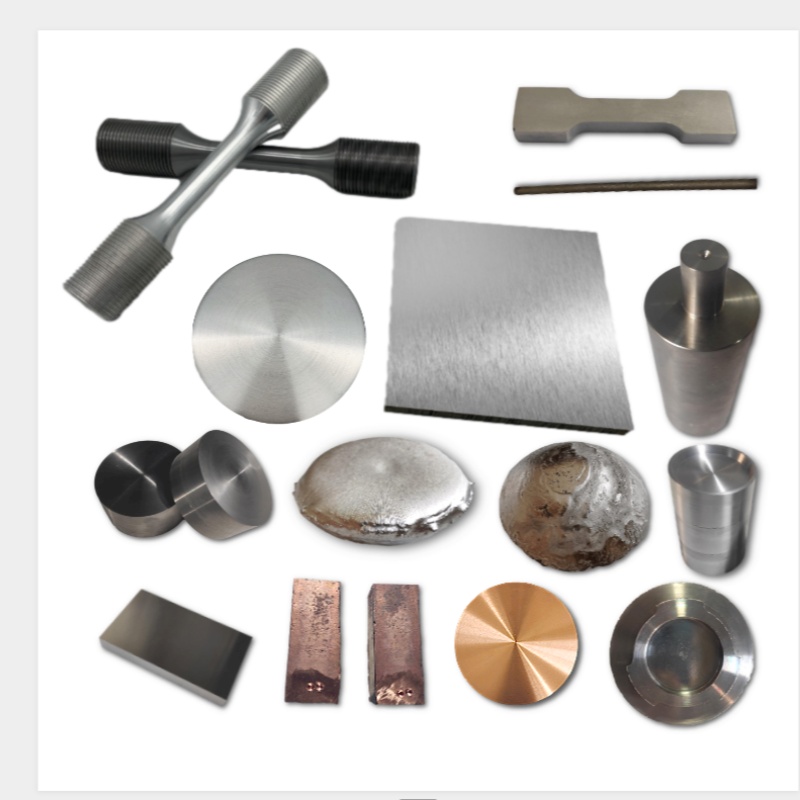
Material Specifications
When evaluating specifications, engineers must look beyond basic tensile strength. Key mechanical properties include yield strength, elongation, and reduction of area at both room and elevated temperatures. Creep rupture data, such as stress required to cause failure in 100 or 1,000 hours at a specific temperature, is often more relevant than short-term strength. Physical properties like density and thermal expansion coefficients are vital for rotating components and assemblies with dissimilar materials. Heat treatment protocols, including solution annealing and aging temperatures, significantly influence the final microstructure and must be strictly controlled. For procurement, verifying compliance with standards such as ASTM or GB/T is essential, along with requesting mill test certificates that detail chemical composition, grain size, and non-metallic inclusion ratings.
Frequently Asked Questions
What is the difference between nickel-based and cobalt-based alloys?
Nickel-based alloys generally offer superior high-temperature strength and creep resistance, making them ideal for turbine blades. Cobalt-based alloys excel in thermal fatigue resistance and hot corrosion environments, often preferred for stationary vanes and valve seats.
How to choose the right alloy for my application?
Start by defining the maximum operating temperature and the primary stress type (static vs. cyclic). Consider the environmental medium (oxidizing, sulfidizing, or carburizing) and evaluate manufacturing constraints such as weldability and machinability.
Can high-temperature alloys be welded?
Yes, but weldability varies significantly. Nickel-based alloys like Inconel 718 are readily weldable, while precipitation-hardened alloys require specific pre- and post-weld heat treatments to prevent cracking. Always consult the manufacturer’s welding procedure specifications.
What is the best material for gas turbine blades?
For modern high-efficiency turbines, single-crystal nickel-based superalloys are the standard due to their elimination of grain boundaries, which are weak points for creep and oxidation. For less extreme conditions, directionally solidified or equiaxed cast alloys may be more cost-effective.
Why do high-temperature alloys cost so much?
The high cost is driven by expensive raw materials like cobalt and rhenium, complex melting processes such as vacuum induction melting, and stringent quality control requirements. However, their extended service life often results in lower total cost of ownership compared to cheaper alternatives.
When should you use iron-based alloys instead of nickel?
Iron-based alloys are suitable for applications below 700°C where cost is a primary concern and extreme creep resistance is not required. They offer a good balance of strength and affordability for components like boiler tubes and lower-stage turbine disks.
 What Is Polyimide (PI)
What Is Polyphenylene Sulfide (PPS)
What Is Polyimide (PI)
What Is Polyphenylene Sulfide (PPS)
 What is PEEK-for Engineers and Buyers
 Application Scope of Zirconia Ceramic Structural Components