
silicon nitride sleeve corrosion resistance
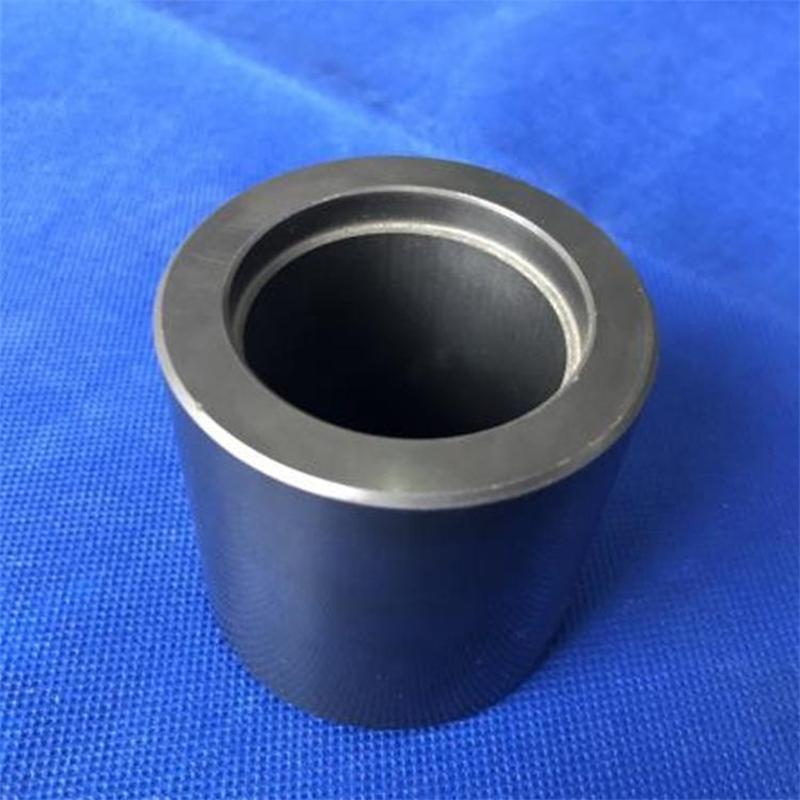
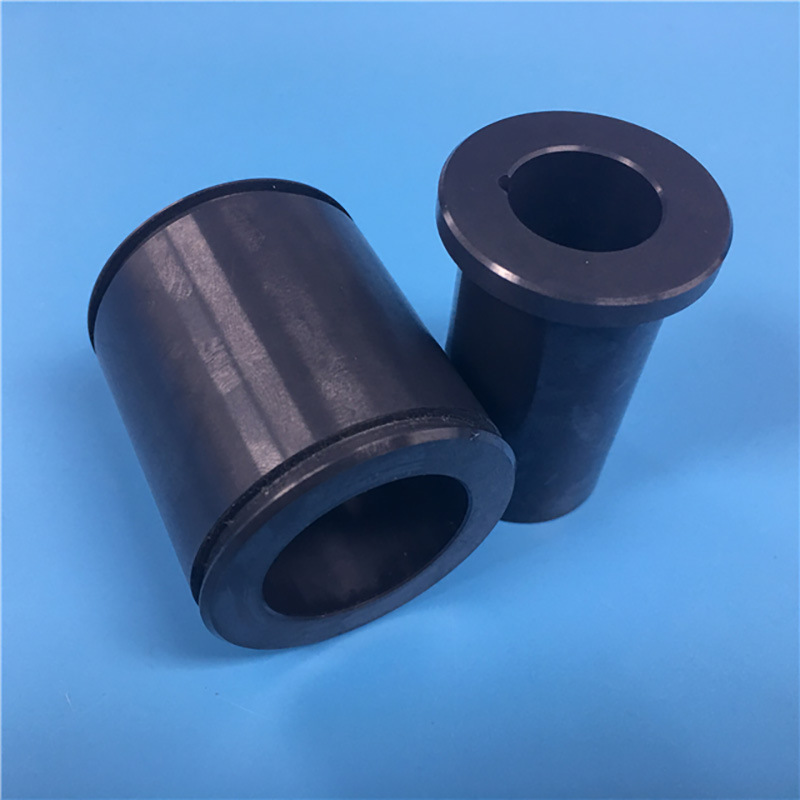
Silicon nitride (Si₃N₄) sleeves are precision-engineered tubular components made from a high-performance advanced ceramic. Their corrosion resistance stems from the strong covalent Si–N bonding network and a self-passivating silica (SiO₂) surface layer that forms when exposed to oxidizing environments. In most industrial settings, silicon nitride sleeves resist attack from acids, alkalis, molten metals, and high-temperature oxidizing atmospheres far better than metals, polymers, and many oxide ceramics.
Key Takeaways
Silicon nitride sleeves resist corrosion in acidic, alkaline, and high-temperature oxidizing environments.
Their corrosion resistance depends on sintering chemistry, microstructure, temperature, and chemical concentration.
Reaction-bonded silicon nitride (RBSN) and sintered silicon nitride (SSN) behave differently in aggressive service.
Si₃N₄ is especially useful where thermal shock, wear, and corrosion occur together.
It is not universally inert: strong hot alkalis, hydrofluoric acid (HF), and hot concentrated phosphoric acid can degrade it.
Correct grade selection, surface finish, and design details matter as much as the base material.
What Is a Silicon Nitride Sleeve?
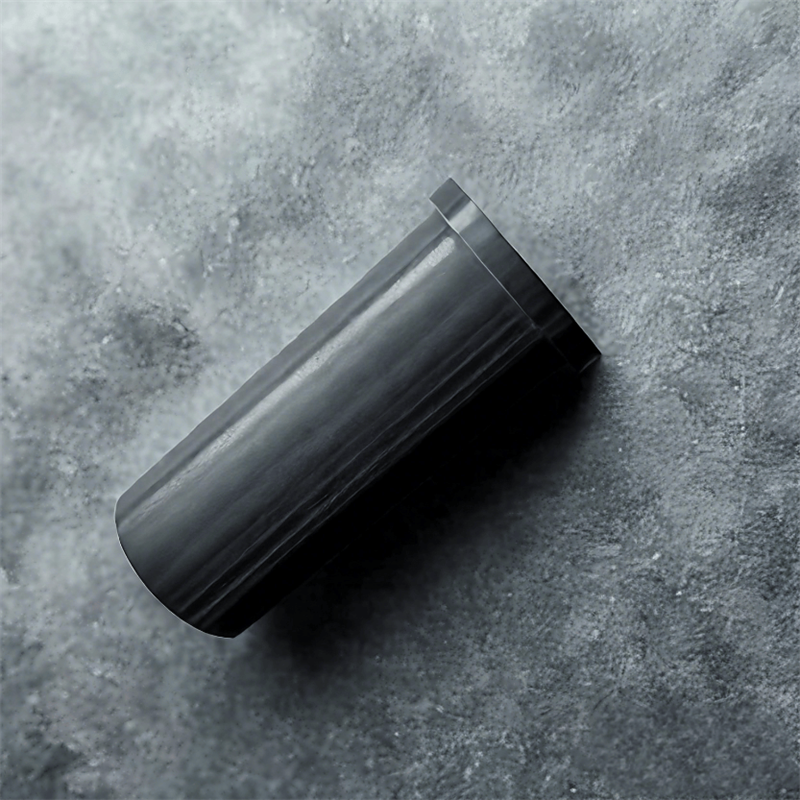
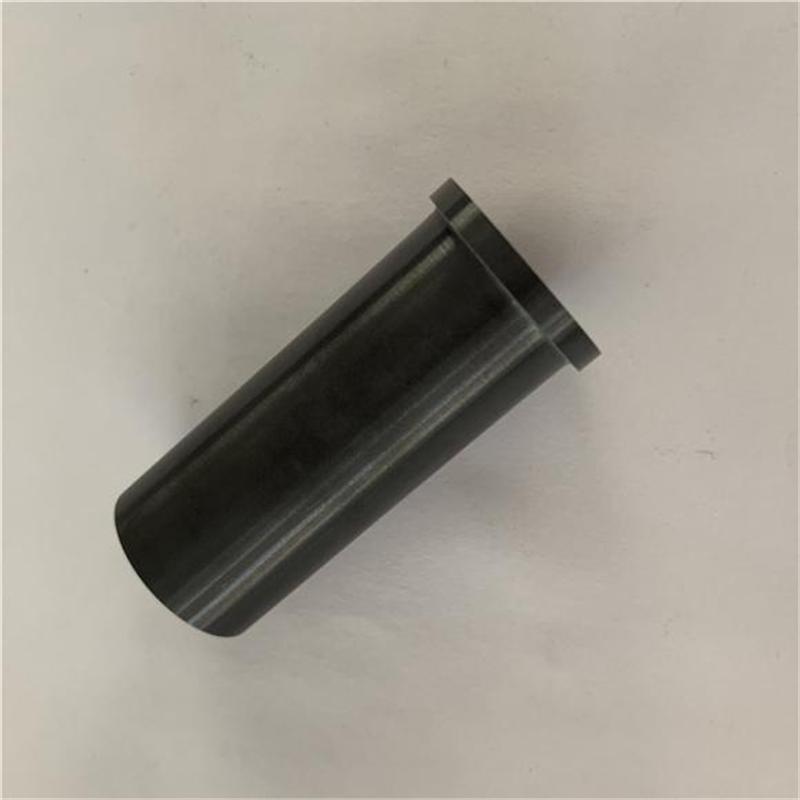
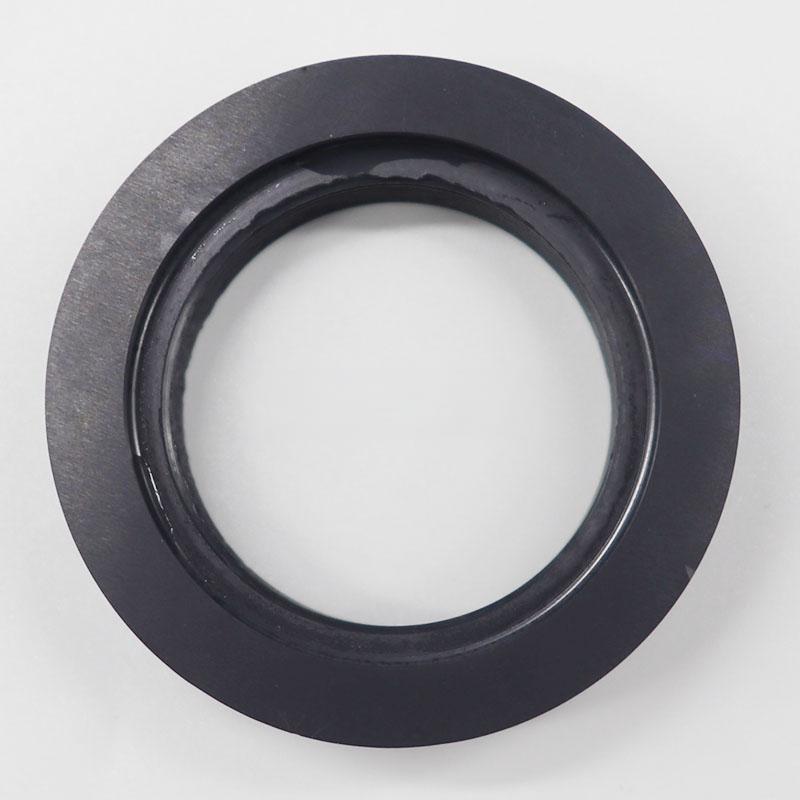
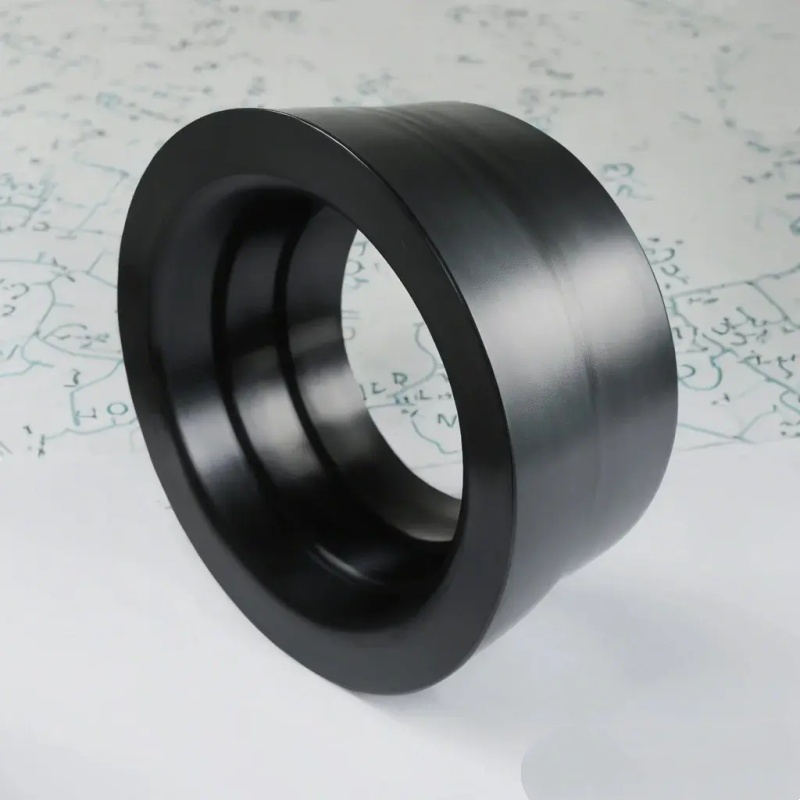
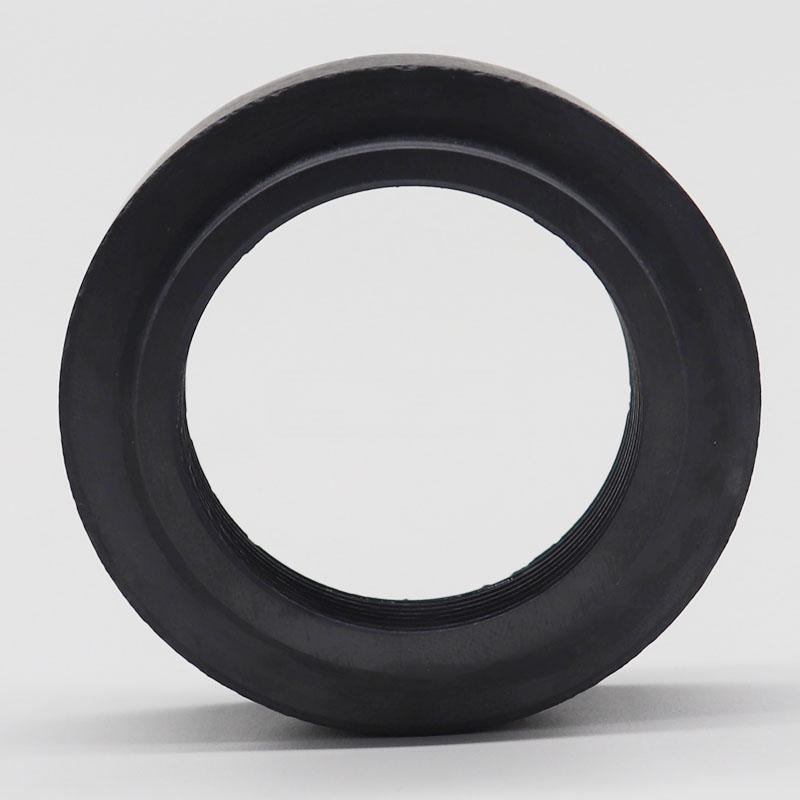
A silicon nitride sleeve is a hollow cylindrical ceramic component used to protect shafts, bearings, thermocouples, heaters, sensors, or process hardware from wear, heat, chemical attack, or electrical interference. In engineering practice, “sleeve” usually refers to a tube, bushing, liner, or protective casing rather than a complex structural part.
Silicon nitride is chosen for sleeves because it combines three properties that rarely appear together in metals or polymers:
High corrosion resistance in acidic and oxidizing environments
Good thermal shock resistance
High hardness and moderate toughness for a ceramic
This makes Si₃N₄ sleeves suitable for chemical processing, metallurgy, semiconductor equipment, furnace hardware, pump protection, and high-temperature measurement systems.
Why Silicon Nitride Resists Corrosion
The corrosion resistance of silicon nitride is not simply a surface coating effect. It comes from the material’s atomic structure and its ability to form a stable protective layer during service.
Strong Covalent Bonding
Silicon nitride is a covalently bonded ceramic. The Si–N bonds are strong and chemically stable, which makes the bulk material resistant to dissolution in many aqueous and gaseous environments.
Protective Silica Layer
In oxidizing atmospheres or hot aqueous environments, the surface of silicon nitride can form a thin silica-rich layer. This layer acts as a diffusion barrier and slows further chemical attack. The effectiveness of this layer depends on temperature, pH, and the presence of aggressive ions.
Low Reactivity with Molten Metals
Silicon nitride is often resistant to wetting and chemical reaction with many molten non-ferrous metals. This is why Si₃N₄ sleeves, thermocouple protection tubes, and immersion components are common in foundry and casting environments.
Resistance to Thermal Shock
Corrosion in real equipment is rarely purely chemical. Temperature cycling, thermal gradients, and mechanical stress can open cracks and accelerate chemical attack. Silicon nitride’s relatively low thermal expansion and moderate thermal shock resistance help preserve the integrity of the protective surface layer.
Corrosion Behavior in Common Environments
Acidic Environments
Silicon nitride generally performs well in acidic solutions, especially at moderate temperatures. Dilute and moderately concentrated mineral acids such as hydrochloric acid (HCl), sulfuric acid (H₂SO₄), and nitric acid (HNO₃) are often less aggressive toward Si₃N₄ than toward metals or some other ceramics.
However, resistance is not absolute. Hot concentrated acids, long exposure times, and high-pressure conditions can increase chemical attack.
Alkaline Environments
Alkaline resistance is more limited. Hot concentrated alkalis, especially sodium hydroxide (NaOH) and potassium hydroxide (KOH), can attack the silica-rich surface layer and gradually degrade silicon nitride. For high-pH, high-temperature service, material testing is essential.
Molten Metals
One of the strongest practical advantages of silicon nitride is its resistance to wetting and chemical reaction with many molten non-ferrous metals. This makes Si₃N₄ sleeves useful in:
Aluminum handling
Zinc baths
Copper alloy processing
Thermocouple protection in molten metal
Immersion heaters and sensor housings
Oxidizing High-Temperature Atmospheres
At elevated temperatures, silicon nitride forms a protective silica layer in air or oxygen-rich atmospheres. This improves oxidation resistance, but long-term performance depends on temperature, gas composition, and mechanical loading.
Comparison With Other Sleeve Materials
Silicon Nitride (Si₃N₄)
Silicon nitride offers high corrosion resistance in acids, oxidizing atmospheres, and many molten metals. It has good thermal shock resistance. Its main limitations are vulnerability to HF, hot strong alkalis, and hot concentrated phosphoric acid.
Alumina (Al₂O₃)
Alumina provides good corrosion resistance in many acids and oxidizing environments, with moderate thermal shock resistance. It can be attacked by strong alkalis and some molten salts.
Zirconia (ZrO₂)
Zirconia shows good chemical stability in many environments, but its thermal shock resistance ranges from moderate to low. Phase stability and thermal shock must be carefully checked for each application.
Silicon Carbide (SiC)
Silicon carbide offers excellent corrosion resistance in many acids and high-temperature oxidizing conditions, with good thermal shock resistance. Its performance depends heavily on grade and sintering aids.
Stainless Steel
Stainless steel performs well in mild environments and has high thermal shock tolerance. However, it is limited at high temperatures and in strong acids or chloride-containing environments.
For sleeves exposed to thermal cycling, wear, and chemical attack at the same time, silicon nitride often provides a better balance than metals or oxide ceramics.
Advantages of Silicon Nitride Sleeves
Chemical Stability
Si₃N₄ sleeves resist many acids, oxidizing gases, and molten non-ferrous metals. This makes them useful where metal sleeves corrode, dissolve, or contaminate the process.
High-Temperature Capability
Silicon nitride retains strength and chemical stability at temperatures where polymers fail and many metals soften or oxidize rapidly.
Thermal Shock Resistance
In furnace hardware, thermocouple protection, and quench-prone equipment, Si₃N₄ sleeves can survive repeated heating and cooling better than many brittle ceramics.
Wear Resistance
Silicon nitride is very hard, so sleeves used in abrasive slurries, powder handling, or rotating equipment often last longer than metal or polymer alternatives.
Low Contamination Risk
For semiconductor, electronic, and high-purity thermal processing, Si₃N₄ sleeves can reduce metallic contamination compared with metal sleeves.
Limitations and Failure Risks
Not Resistant to HF
Hydrofluoric acid and fluoride-containing environments can attack the silica layer and the silicon nitride matrix. HF service should be avoided unless validated by testing.
Hot Strong Alkalis Are Aggressive
Hot concentrated NaOH, KOH, and similar alkaline solutions can dissolve the protective silica layer and attack the ceramic.
Hot Concentrated Phosphoric Acid
At high temperatures and concentrations, phosphoric acid can become aggressive toward silicon nitride. This environment requires careful evaluation.
Brittle Failure Mode
Silicon nitride is not a metal. It does not yield plastically before failure. Mechanical overload, impact, sharp edges, or poor mounting can cause cracking.
Processing and Microstructure Effects
Corrosion resistance is not identical across all Si₃N₄ grades. Sintering aids, porosity, grain boundary chemistry, and surface finish can all influence long-term performance.
Typical Engineering Applications
Thermocouple Protection Tubes
In molten metal, furnace, and high-temperature chemical environments, Si₃N₄ sleeves protect thermocouples from corrosion, abrasion, and thermal shock.
Immersion Heaters and Sensor Housings
Silicon nitride sleeves can isolate heating elements or sensors from aggressive liquids while maintaining dimensional stability at high temperature.
Pump and Shaft Protection
In abrasive or corrosive fluid handling, Si₃N₄ sleeves protect shafts, bearings, and sealing surfaces from wear and chemical degradation.
Semiconductor and Furnace Hardware
For high-purity thermal processing, Si₃N₄ sleeves reduce metallic contamination and resist oxidation at elevated temperatures.
Molten Metal Handling
Si₃N₄ sleeves are used where aluminum, zinc, copper, and similar non-ferrous melts would attack metals or cause contamination.
Design Considerations for Corrosive Service
Confirm the Chemical Environment
Corrosion resistance depends on more than the chemical name. Engineers should consider:
Concentration
Temperature
Pressure
Flow velocity
pH
Presence of oxidizers, fluorides, or molten salts
Thermal cycling
A material that resists dilute HCl at 60°C may not perform the same way in hot concentrated acid.
Check Thermal and Mechanical Loading
A sleeve may survive chemical exposure but fail because of thermal shock, bending stress, impact, or improper mounting. Si₃N₄ should be designed with generous radii, smooth transitions, and controlled clamping forces.
Consider Surface Finish
A smoother surface reduces areas where corrosive media can concentrate. However, surface finish alone cannot compensate for an unsuitable material grade.
Evaluate Grade Differences
Reaction-bonded silicon nitride (RBSN) and sintered silicon nitride (SSN) differ in density, porosity, strength, and chemical durability. For aggressive chemical service, the specific grade and its sintering chemistry must be reviewed.
Use Test Coupons When Possible
For critical applications, short-term immersion tests, thermal cycling tests, or field trials provide more reliable data than generic material claims.
Material Selection Guidance
Silicon nitride is a strong choice when the sleeve must resist corrosion, high temperature, thermal shock, and wear simultaneously. It is less suitable when the environment contains HF, hot strong alkalis, or hot concentrated phosphoric acid.
Practical selection approach is:
Define the chemical environment, temperature range, and pressure.
Identify mechanical loads, thermal cycling, and wear conditions.
Compare Si₃N₄ with alumina, zirconia, SiC, and corrosion-resistant alloys.
Narrow the Si₃N₄ grade based on density, porosity, sintering method, and surface finish.
Validate with coupons or prototype sleeves before full-scale deployment.
This approach reduces the risk of selecting a material based only on a single property such as hardness or maximum temperature.
FAQs
Is silicon nitride corrosion resistant?
Yes, silicon nitride is generally corrosion resistant in acidic, oxidizing, and many high-temperature environments. Its resistance comes from strong covalent bonding and a protective silica-rich surface layer. However, it is not universally inert. Hot strong alkalis, hydrofluoric acid, and hot concentrated phosphoric acid can attack silicon nitride.
How does silicon nitride compare with alumina for corrosion resistance?
Silicon nitride often performs better than alumina in environments where thermal shock, wear, and corrosion occur together. Alumina has excellent chemical stability in many acids and oxidizing conditions, but it can be vulnerable to strong alkalis and certain molten salts. The better choice depends on temperature, pH, mechanical load, and thermal cycling.
Can silicon nitride sleeves be used in molten aluminum?
Silicon nitride is commonly used in molten non-ferrous metal environments because it resists wetting and chemical attack by many aluminum, zinc, and copper alloys. Actual performance depends on melt composition, temperature, flow conditions, and mechanical handling.
Does silicon nitride resist hydrofluoric acid?
No. Hydrofluoric acid and fluoride-containing environments can attack the protective silica layer and the silicon nitride material itself. Si₃N₄ sleeves should not be assumed suitable for HF service without specific testing.
What limits the corrosion resistance of silicon nitride?
The main limits are hot strong alkalis, HF, hot concentrated phosphoric acid, high-pressure reactive environments, and microstructural factors such as porosity and sintering aids. Surface finish, residual stress, and thermal cycling can also accelerate degradation.
Is silicon nitride better than stainless steel for corrosive sleeves?
In high-temperature, abrasive, or highly oxidizing environments, silicon nitride can outperform stainless steel. Stainless steel is easier to machine, more impact tolerant, and often more cost-effective in mild environments. The choice depends on temperature, chemical exposure, wear, thermal shock, and mechanical design.
Can silicon nitride sleeves be used in alkaline solutions?
They can be used in some alkaline environments, but resistance decreases in hot concentrated alkalis such as NaOH or KOH. For high-pH service, the concentration, temperature, exposure time, and specific Si₃N₄ grade should be evaluated before use.
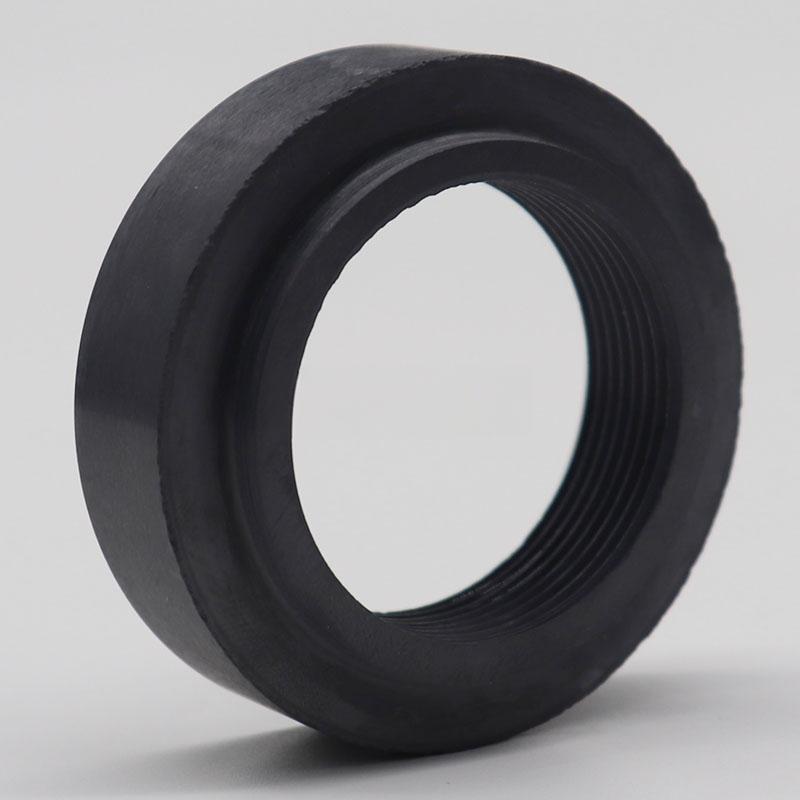
Silicon nitride sleeves offer a strong combination of corrosion resistance, thermal shock resistance, wear resistance, and high-temperature stability. They are especially useful in chemical processing, furnace hardware, thermocouple protection, molten non-ferrous metal handling, and high-purity thermal equipment.
However, silicon nitride is not a universal corrosion-proof ceramic. Its performance depends on the chemical environment, temperature, microstructure, surface condition, and mechanical design. For reliable selection, engineers should treat Si₃N₄ corrosion resistance as a system property rather than a fixed material label, and validate critical applications through environment-specific testing.
 What Is Polyimide (PI)
What Is Polyphenylene Sulfide (PPS)
What Is Polyimide (PI)
What Is Polyphenylene Sulfide (PPS)
 What is PEEK-for Engineers and Buyers
 Application Scope of Zirconia Ceramic Structural Components