
Titanium Alloy vs. Stainless Steel
Selecting the optimal material for critical components requires balancing performance, cost, and manufacturability. Titanium alloys and stainless steel are two dominant materials in special alloys, yet they serve fundamentally different engineering purposes. Titanium offers an exceptional strength-to-weight ratio and unparalleled corrosion resistance, making it indispensable for aerospace and medical implants. Conversely, stainless steel provides a cost-effective, versatile solution for general industrial applications requiring moderate strength and durability. Understanding the distinct metallurgical differences between these materials is crucial for procurement professionals and design engineers. This guide provides a technical comparison to help you make informed decisions, ensuring your projects achieve the right balance of reliability and economic efficiency without compromising on safety or performance standards.
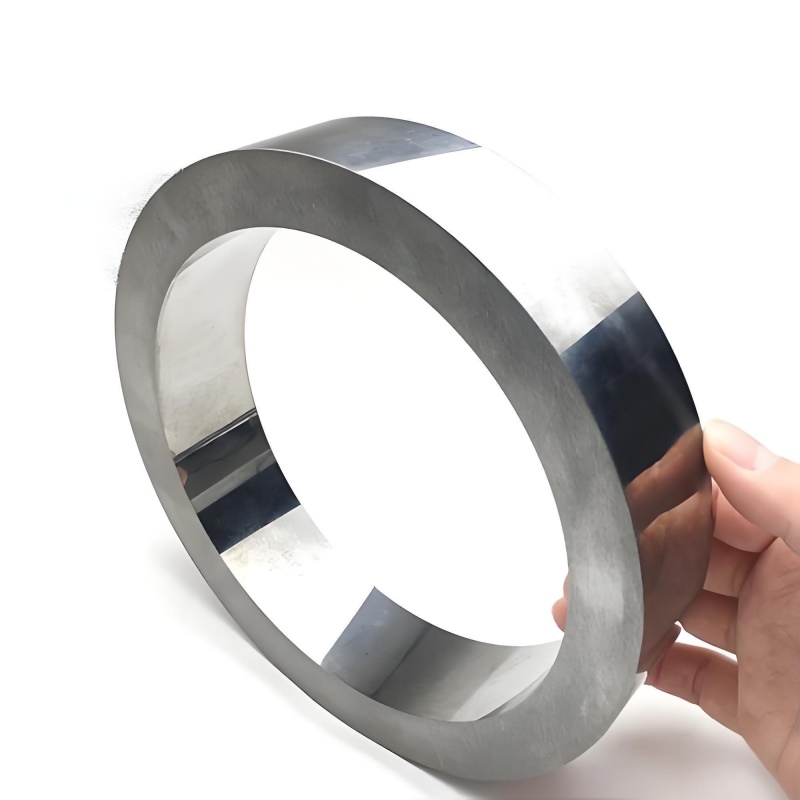
What is Titanium Alloy vs. Stainless Steel?
Titanium alloys are primarily composed of titanium, often alloyed with aluminum, vanadium, or niobium to enhance specific properties. They are characterized by a low density of approximately 4.5 g/cm³ and a protective oxide layer that provides superior corrosion resistance. Stainless steel, an iron-based alloy, contains a minimum of 10.5% chromium, which forms a passive layer to prevent rust. While stainless steel is denser at around 7.9 g/cm³, it offers excellent formability and a wide range of grades tailored for diverse environments. The choice between them hinges on whether the application prioritizes weight reduction and extreme environment survival or cost-efficiency and general durability.
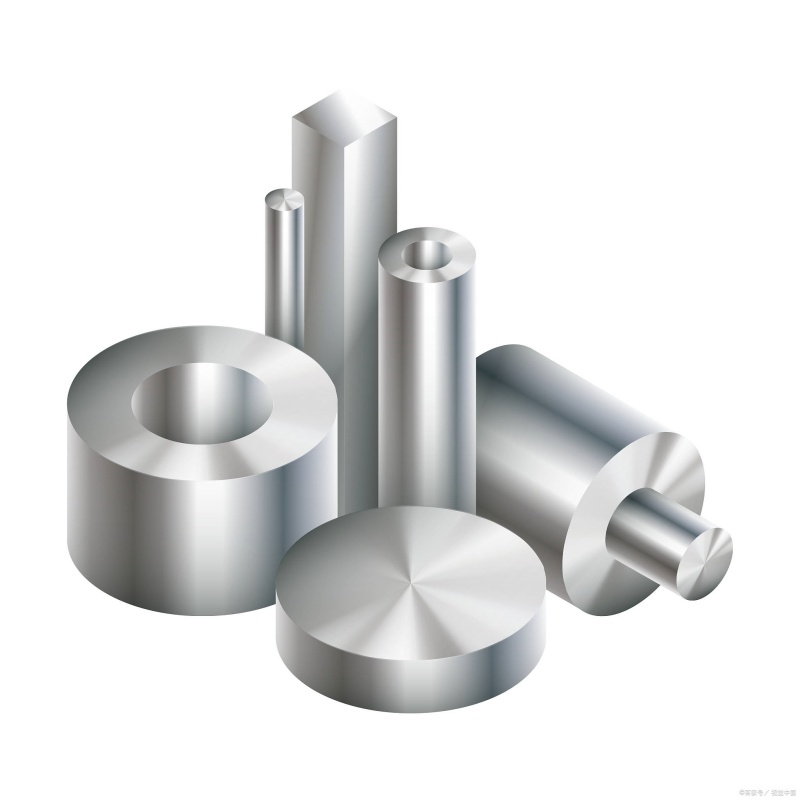
Key Features
Titanium alloys excel in high-strength-to-weight applications, offering tensile strengths exceeding 900 MPa while remaining 43% lighter than stainless steel. Their corrosion resistance is exceptional, particularly in seawater and strong acids, where corrosion rates are a fraction of those seen in stainless steel. Titanium also boasts excellent biocompatibility, making it safe for long-term human implantation, and maintains stability at temperatures up to 600°C. However, titanium has poor thermal conductivity and is significantly harder to machine due to its chemical reactivity and low thermal diffusivity. Stainless steel, while heavier, offers superior thermal conductivity, making it ideal for heat exchange applications. It is easier to weld and machine, with grades like 316L providing robust resistance to chloride-induced pitting in moderate environments. Stainless steel also offers better electrical conductivity and can withstand higher continuous temperatures in certain grades, such as 310S, which remains stable up to 1200°C.
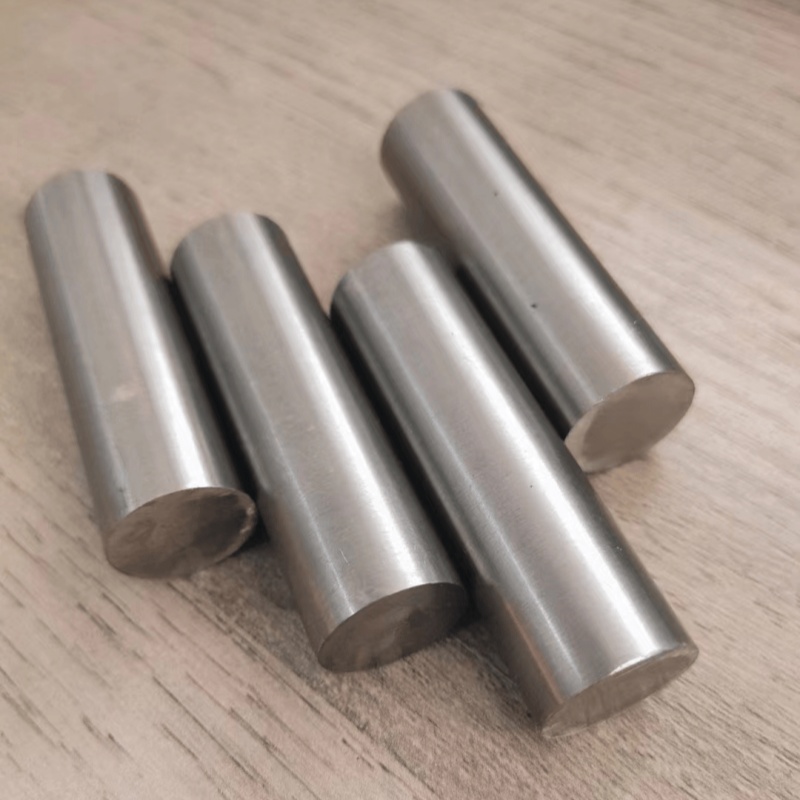
Typical Applications
Titanium alloys are the material of choice in aerospace for structural components like airframes and engine parts, where weight savings directly translate to fuel efficiency. In the medical field, titanium is the gold standard for orthopedic implants, dental fixtures, and cardiovascular stents due to its biocompatibility. It is also critical in marine and chemical processing industries for desalination plants, offshore drilling equipment, and reactor vessels exposed to aggressive media. Stainless steel dominates in food processing, pharmaceutical equipment, and architectural applications where hygiene and moderate corrosion resistance are required. It is widely used in automotive exhaust systems, industrial piping, and consumer goods. In power generation, stainless steel is preferred for boiler tubes and turbine components that require high-temperature stability and cost-effective mass production.
FAQ
What is the main difference between titanium and stainless steel?
The primary difference lies in density and corrosion resistance. Titanium is 43% lighter and offers superior resistance to extreme corrosive environments, while stainless steel is denser, more affordable, and easier to manufacture.
How to choose between titanium and stainless steel for marine applications?
For long-term submersion in seawater or high-salinity environments, titanium is the superior choice due to its immunity to chloride stress corrosion cracking. Stainless steel, particularly 316L, is suitable for surface marine applications but may suffer from pitting over time.
Why is titanium more expensive than stainless steel?
Titanium’s high cost stems from complex extraction processes requiring vacuum melting and inert gas protection. Additionally, its poor thermal conductivity and chemical reactivity during machining increase manufacturing costs significantly compared to stainless steel.
Can titanium be welded to stainless steel?
Direct welding is not recommended due to the formation of brittle intermetallic compounds. Specialized techniques like diffusion bonding with intermediate layers (e.g., nickel or vanadium) are required to create a reliable joint between these dissimilar metals.
When should you use stainless steel over titanium?
Choose stainless steel when the application does not require extreme weight reduction or exposure to harsh corrosive media. It is the optimal choice for cost-sensitive projects, high-temperature heat exchange, and applications requiring high electrical or thermal conductivity.
Is titanium better for medical implants than stainless steel?
Yes, titanium is preferred for permanent implants due to its superior biocompatibility and osseointegration capabilities. Stainless steel may release nickel ions, posing allergy risks, and lacks the ability to bond directly with bone tissue as effectively as titanium.
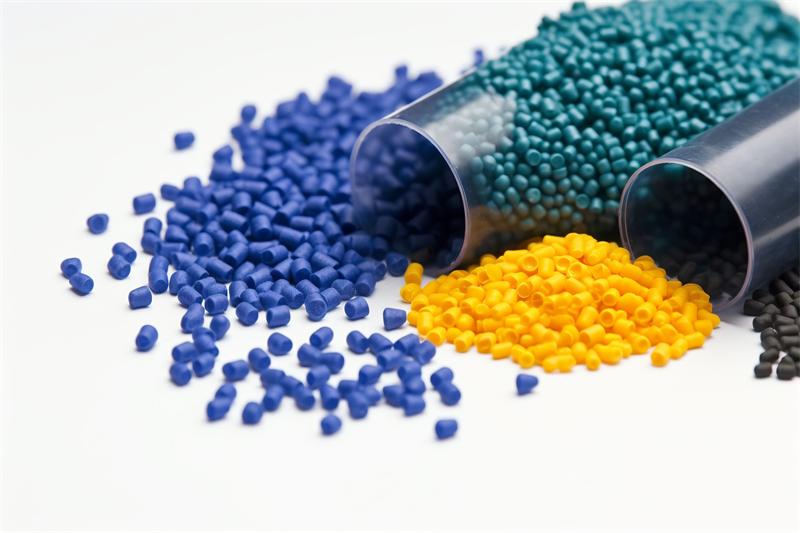 What Is Polyimide (PI)
What Is Polyphenylene Sulfide (PPS)
What Is Polyimide (PI)
What Is Polyphenylene Sulfide (PPS)
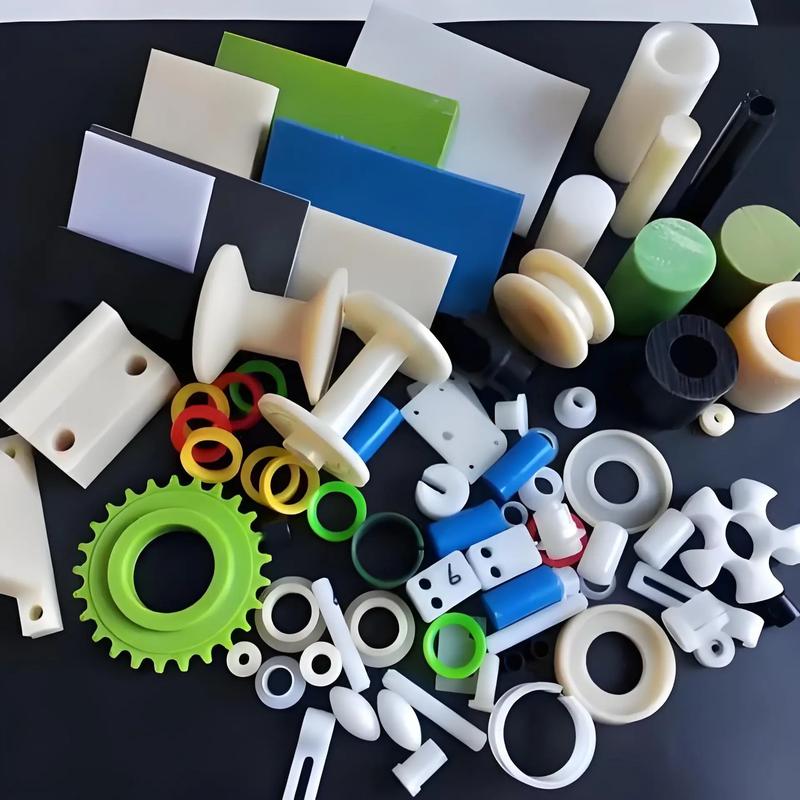 What is PEEK-for Engineers and Buyers
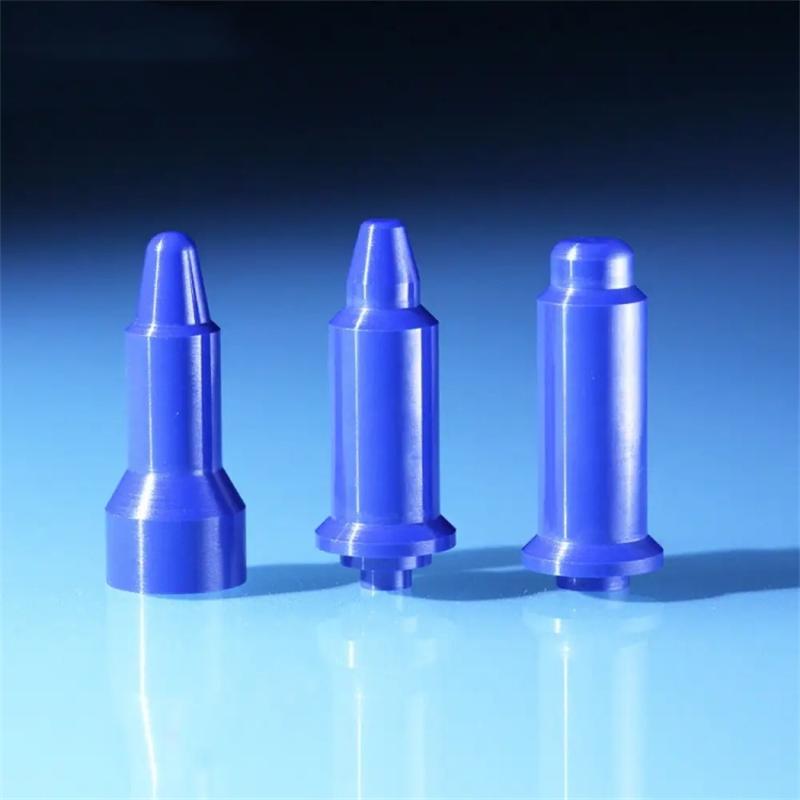 Application Scope of Zirconia Ceramic Structural Components