
Silicon Nitride Insulating Sleeve
What Is a Silicon Nitride Insulating Sleeve?
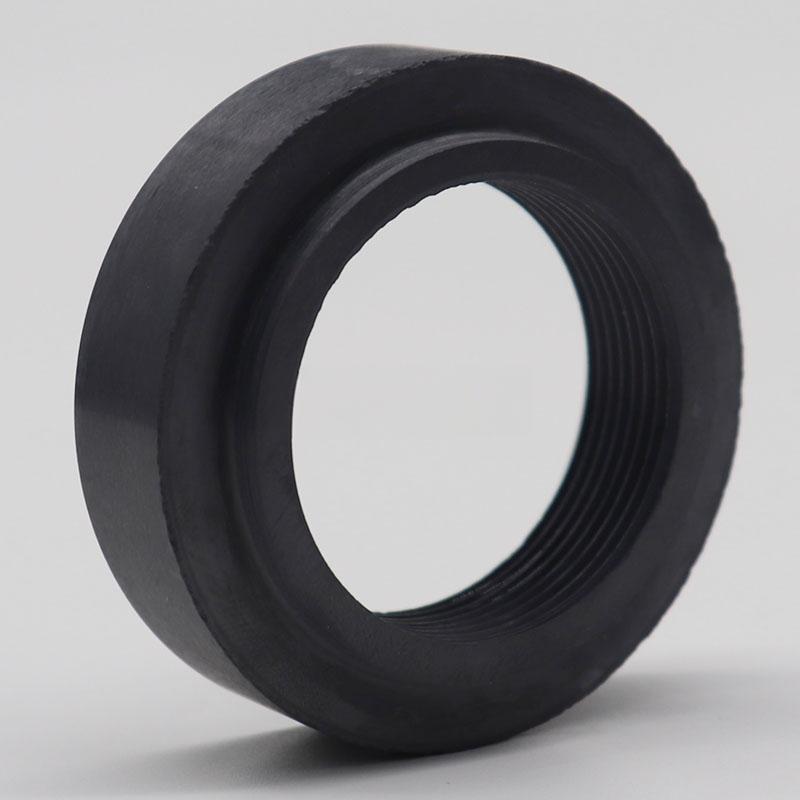
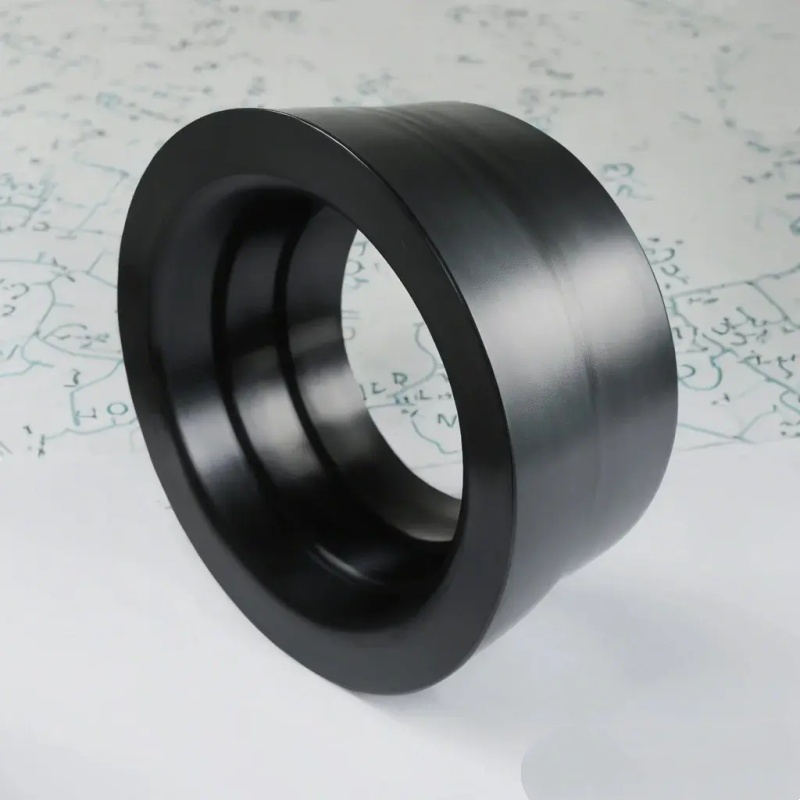
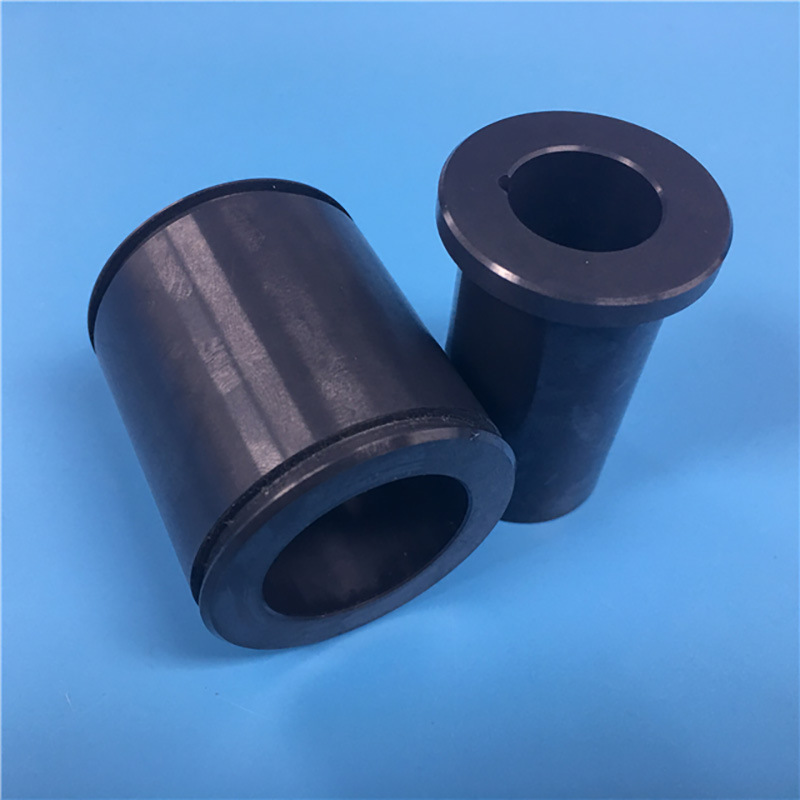
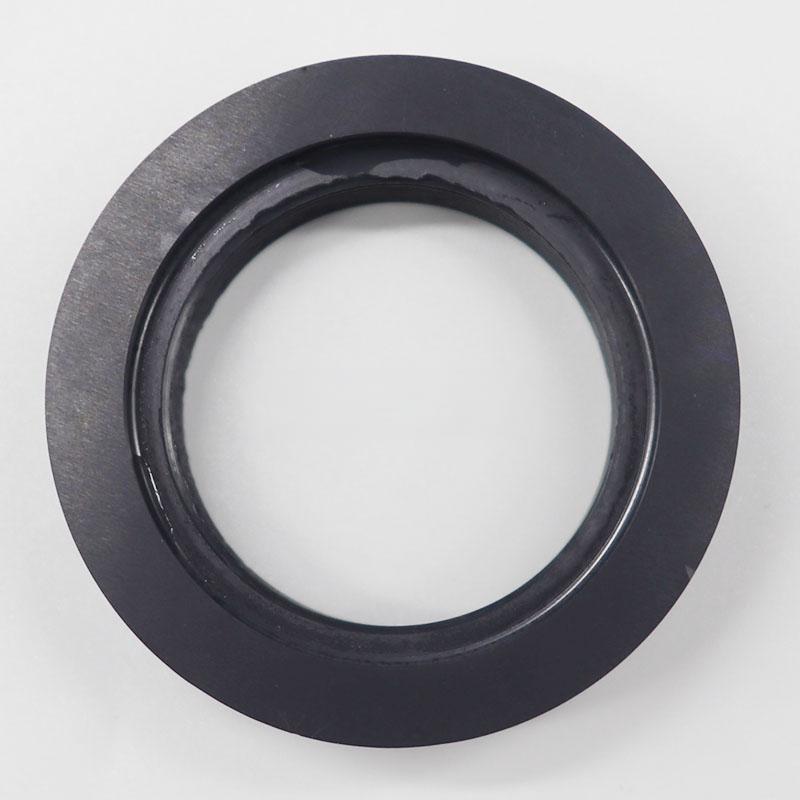
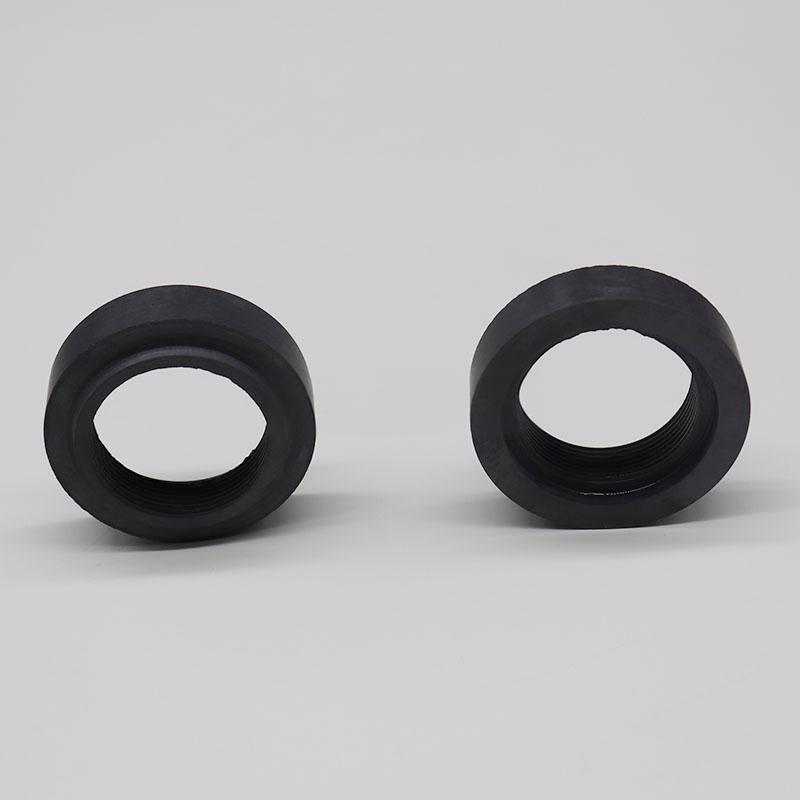
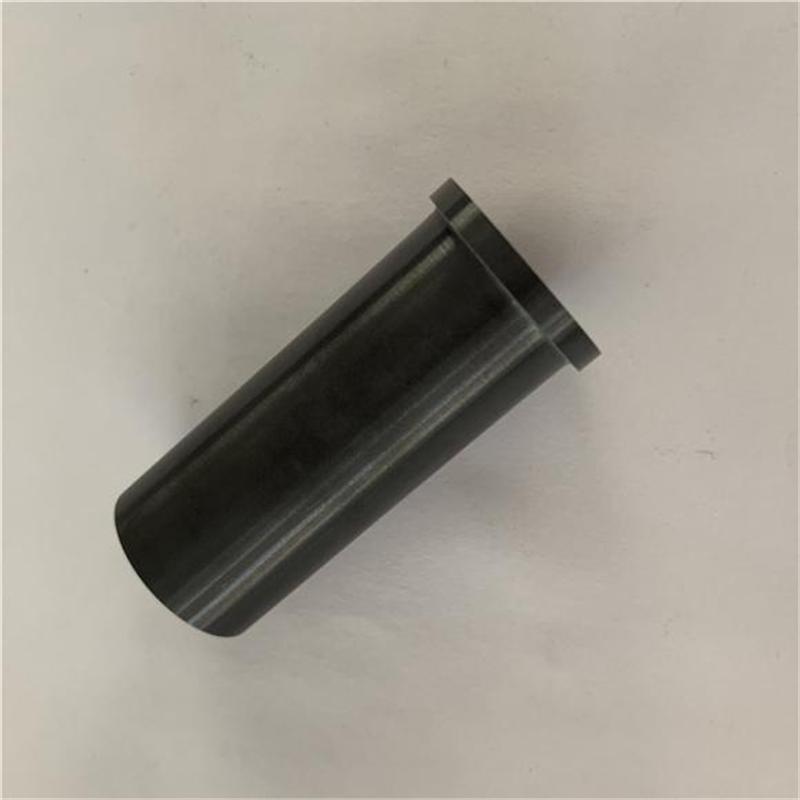
Silicon nitride insulating sleeve is a tubular ceramic component made from silicon nitride (Si₃N₄), an advanced engineering ceramic known for its combination of high-temperature strength, thermal shock resistance, and electrical insulation. The sleeve form — a hollow cylindrical shape — is widely used to electrically isolate, thermally protect, or mechanically shield components operating in demanding environments.
Silicon nitride belongs to the family of non-oxide technical ceramics. Unlike oxide ceramics such as alumina, it is built on strong covalent Si–N bonds, which give it a distinctive balance of mechanical toughness and thermal stability. This makes silicon nitride insulating sleeves particularly attractive in applications where conventional ceramics or metals would degrade, crack, or lose insulating performance.
Key Properties of Silicon Nitride Insulating Sleeves
Electrical Insulation
Silicon nitride is an electrical insulator with high volume resistivity, even at elevated temperatures. In high-temperature or high-voltage environments, maintaining stable insulation is critical. Silicon nitride sleeves can help prevent electrical breakdown and reduce dielectric losses, which is why they are used in semiconductor processing equipment, high-voltage electrodes, and RF-related components.
Thermal Shock Resistance
One of the most important engineering advantages of silicon nitride is its low coefficient of thermal expansion (CTE), typically around 2.8–3.2 × 10⁻⁶ /K. Combined with moderate thermal conductivity, this gives the material strong resistance to rapid temperature changes. For an insulating sleeve exposed to repeated heating and cooling cycles, this means a lower risk of cracking compared with many oxide ceramics.
High-Temperature Strength
Silicon nitride retains useful mechanical strength at temperatures where metals soften and many polymers fail. Gas-pressure-sintered silicon nitride, in particular, can maintain high bending strength and compressive strength at elevated temperatures. This makes it suitable for structural insulation tasks, not just passive electrical isolation.
Wear and Corrosion Resistance
Silicon nitride is hard, chemically stable, and resistant to many corrosive atmospheres. In molten metal contact, aggressive gas environments, or abrasive service conditions, a silicon nitride sleeve can outperform metals and conventional refractory materials. Its low reactivity with molten aluminum and other non-ferrous metals is especially relevant in casting and metallurgical applications.
Low Density
With a typical density around 3.15–3.26 g/cm³, silicon nitride is significantly lighter than most metals and many heavy ceramics. For rotating assemblies, precision instruments, or weight-sensitive industrial equipment, this can be a meaningful design advantage.
Typical Specifications and Grades
Silicon nitride insulating sleeves are available in different grades depending on the sintering route and intended service conditions. Common manufacturing methods include:
Gas Pressure Sintered Silicon Nitride (GPSN): Typically offers high density, high strength, and good reliability for demanding structural and electrical applications.
Hot Pressed Silicon Nitride (HPSN): Often used where high mechanical performance and dense microstructure are required.
Reaction-Bonded Silicon Nitride (RBSN): May be chosen for specific thermal or cost-related requirements, though properties can differ from fully dense sintered grades.
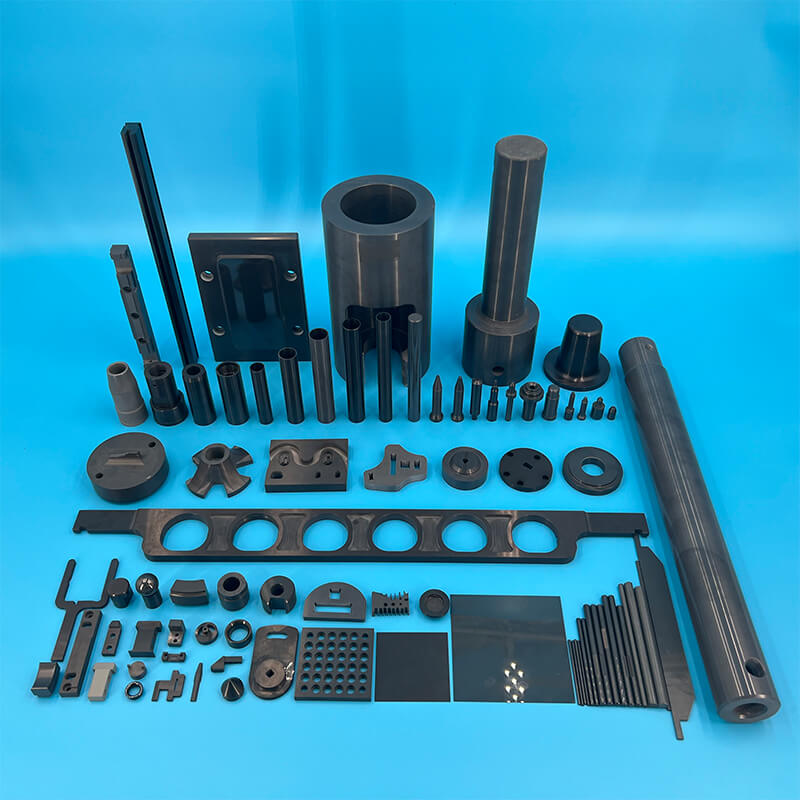
Typical sleeve dimensions vary widely by application. Common industrial forms include diameters from a few millimeters up to tens of millimeters, with lengths customized to equipment requirements. Wall thickness, inner diameter tolerance, surface finish, and concentricity are usually defined by the application rather than by a single universal standard.
Important specification factors include:
Si₃N₄ content and phase composition
Density and porosity
Bending strength and compressive strength
Thermal expansion coefficient
Maximum service temperature
Electrical resistivity at operating temperature
Dimensional tolerances and surface finish
Because performance depends on grade, processing route, and microstructure, engineers should evaluate material data for the specific silicon nitride grade under consideration rather than assuming all silicon nitride ceramics behave identically.
Common Applications
Semiconductor and Electronics Equipment
Silicon nitride insulating sleeves are used in semiconductor processing equipment, diffusion furnaces, high-temperature electrodes, and electronic components where electrical insulation must be maintained under thermal stress.
Thermocouple Protection and High-Temperature Sensing
In molten metal measurement and high-temperature process monitoring, silicon nitride sleeves can protect thermocouples while providing fast thermal response, corrosion resistance, and electrical isolation.
Molten Metal Handling
Silicon nitride shows good resistance to molten aluminum and other non-ferrous metals. Sleeves and protective tubes are used in casting, and metallurgical equipment where contamination, erosion, and thermal shock are concerns.
Industrial Heating and Furnace Components
In electrically heated furnaces, heating element supports, insulating spacers, and protective sleeves may use silicon nitride for its combination of insulation, high-temperature strength, and thermal shock resistance.
Automotive, Aerospace, and Energy Applications
Silicon nitride is used in high-reliability engineering components such as bearings, turbine-related parts, and high-temperature structural ceramics. Insulating sleeves in these fields may serve electrical isolation, thermal protection, or mechanical support functions.
Advantages and Limitations
Advantages
Strong electrical insulation at high temperatures
Excellent thermal shock resistance due to low thermal expansion
High strength and hardness for a ceramic material
Good wear resistance and chemical stability
Low density compared with metals and many heavy ceramics
Suitable for repeated thermal cycling in harsh environments
Limitations
Brittleness: Like most advanced ceramics, silicon nitride is not ductile. Sudden impact, sharp stress concentrations, or improper mounting can cause fracture.
Machining difficulty: Final dimensions are usually achieved by grinding or diamond machining after sintering. Complex geometries and tight tolerances increase manufacturing cost.
Cost: Silicon nitride components are generally more expensive than alumina, steatite, or polymer insulators, so material selection should be justified by service conditions.
Design sensitivity: Sharp corners, uneven clamping, and large thermal gradients can reduce reliability. Proper mechanical design is essential.
Silicon Nitride vs. Other Insulating Ceramics
Silicon Nitride vs. Alumina (Al₂O₃)
Alumina is widely used because it is cost-effective, electrically insulating, and chemically stable in many environments. However, alumina generally has higher thermal expansion and lower thermal shock resistance than silicon nitride. For applications involving rapid temperature changes, mechanical shock, or high structural loads at temperature, silicon nitride often offers better reliability. Alumina may be preferred when cost is the dominant factor and thermal cycling is moderate.
Silicon Nitride vs. Zirconia (ZrO₂)
Zirconia is known for high fracture toughness among ceramics, making it suitable for applications requiring damage tolerance. Silicon nitride typically offers better thermal shock resistance and lower density. For insulating sleeves exposed to repeated heating and cooling, silicon nitride is often the more balanced choice. Zirconia may be preferred where toughness and wear resistance under mechanical contact are the primary requirements.
Silicon Nitride vs. Metals
Metals offer ductility, ease of fabrication, and good thermal conductivity, but they conduct electricity and can oxidize, corrode, or soften at high temperatures. Silicon nitride provides electrical insulation, higher hardness, and better resistance to many corrosive environments. The trade-off is lower toughness and higher manufacturing cost.
How to Select the Right Silicon Nitride Insulating Sleeve
When evaluating a silicon nitride insulating sleeve, focus on the actual service environment rather than selecting the material by name alone.
Key selection factors include:
Operating temperature: Confirm that the silicon nitride grade can maintain mechanical and electrical performance at the maximum service temperature.
Thermal cycling: If the component experiences rapid or repeated temperature changes, thermal shock resistance and CTE become critical.
Electrical requirements: Consider required insulation resistance, voltage exposure, and whether dielectric losses matter at operating temperature.
Mechanical load: Evaluate compressive, bending, or contact loads. Silicon nitride is strong but sensitive to impact and stress concentration.
Chemical environment: Check compatibility with molten metals, corrosive gases, slags, or process chemicals.
Dimensional accuracy: Tight inner/outer diameter tolerances, concentricity, and surface finish may require precision grinding.
Mounting and assembly: Avoid designs that create point loading, uneven clamping, or constrained thermal expansion.
Cost versus service life: Silicon nitride may have a higher initial cost, but longer life and reduced downtime can justify its use in critical applications.
FAQ
What are the main advantages of a silicon nitride insulating sleeve?
The main advantages are high-temperature electrical insulation, excellent thermal shock resistance, good mechanical strength, low density, and resistance to wear and corrosion. These properties make it suitable for harsh environments where alumina, metals, or polymers may fail.
Where are silicon nitride insulating sleeves commonly used?
They are commonly used in semiconductor equipment, high-temperature furnaces, thermocouple protection, molten metal handling, electronic insulation, and high-reliability industrial components.
Can silicon nitride insulating sleeves withstand rapid temperature changes?
Generally, yes. Silicon nitride has a low thermal expansion coefficient and good thermal shock resistance, making it suitable for applications with repeated heating and cooling. However, actual performance depends on component geometry, mounting conditions, and the severity of the thermal cycle.
How does silicon nitride compare with alumina for insulation?
Silicon nitride usually offers better thermal shock resistance and higher mechanical reliability under thermal cycling, while alumina is often more cost-effective for less demanding insulation applications.
Is silicon nitride suitable for high-temperature applications?
Yes, silicon nitride is widely used as a high-temperature engineering ceramic. Its maximum service temperature depends on the grade, atmosphere, mechanical load, and application design, so it should be evaluated for the specific operating conditions.
 What Is Polyimide (PI)
What Is Polyphenylene Sulfide (PPS)
What Is Polyimide (PI)
What Is Polyphenylene Sulfide (PPS)
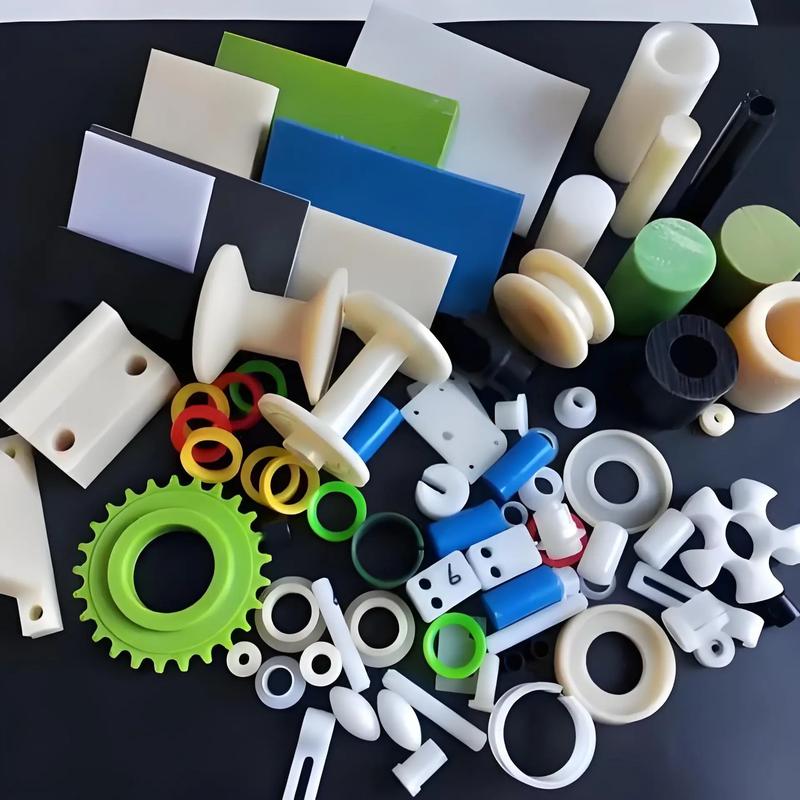 What is PEEK-for Engineers and Buyers
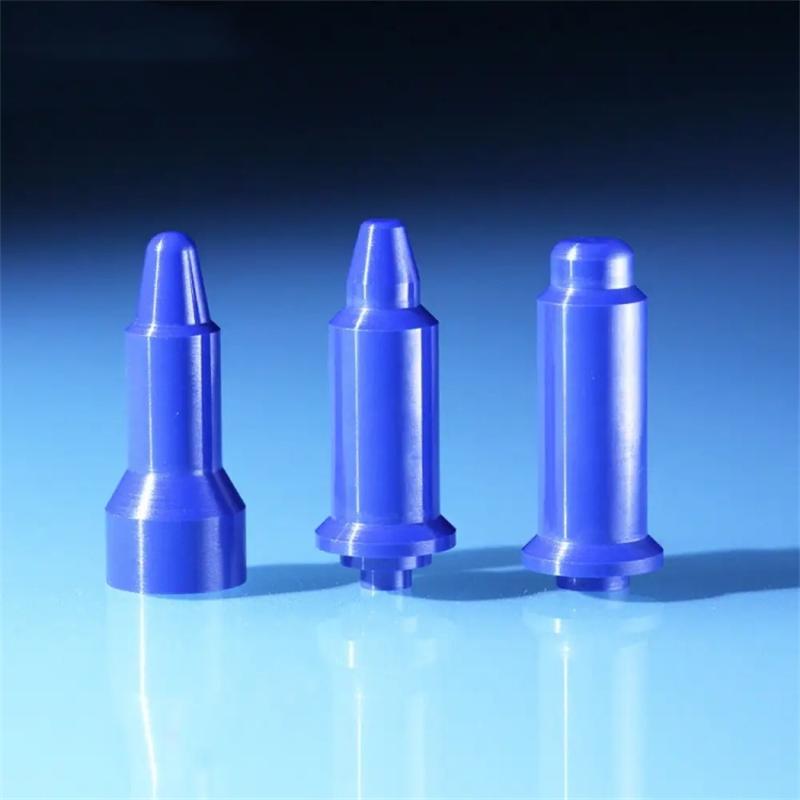 Application Scope of Zirconia Ceramic Structural Components