
Inconel vs Hastelloy vs Monel
Selecting the correct nickel alloy is a critical decision for engineers and procurement specialists managing high-stakes industrial projects. Inconel, Hastelloy, and Monel are the three primary families of nickel-based superalloys, each engineered for distinct environmental challenges. While they share a nickel base, their alloying elements dictate vastly different performance profiles in terms of corrosion resistance, temperature tolerance, and mechanical strength. Misidentifying these materials can lead to catastrophic equipment failure or unnecessary capital expenditure. This guide provides a technical comparison to help you navigate material specifications, understand key performance differences, and make informed purchasing decisions for aerospace, chemical processing, marine, and power generation applications.
What Are Inconel, Hastelloy, and Monel?
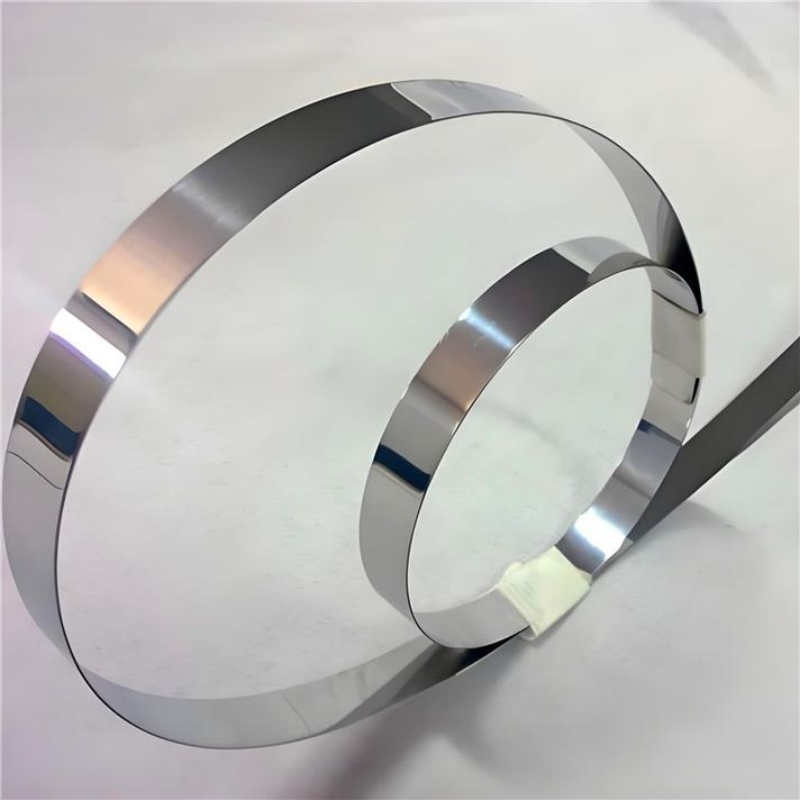
These three alloy families represent the pinnacle of corrosion-resistant and high-temperature materials. Inconel is a trademark of Special Metals Corporation, referring to a family of austenitic nickel-chromium superalloys known for exceptional oxidation resistance and high-temperature strength. Hastelloy, produced by Haynes International, is a nickel-molybdenum-chromium alloy family designed specifically for severe chemical environments, offering superior resistance to reducing acids and mixed media. Monel, also a Special Metals trademark, is a nickel-copper alloy celebrated for its outstanding resistance to seawater, hydrofluoric acid, and alkaline solutions. Understanding the fundamental metallurgical differences between these groups is the first step in proper material selection.
Key Features and Performance Characteristics
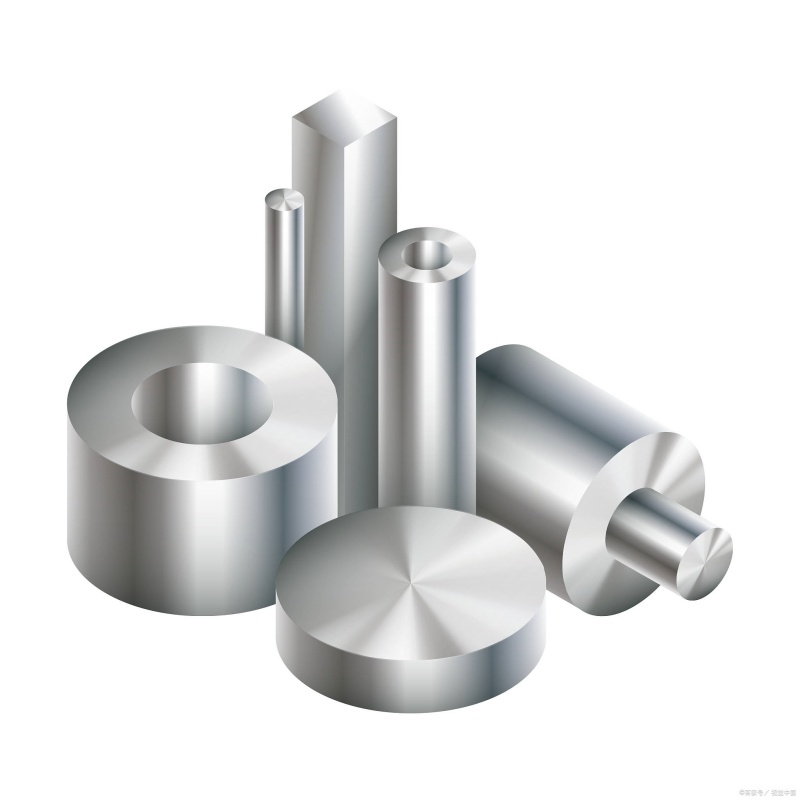
Each alloy family possesses unique metallurgical advantages tailored to specific operational demands. Inconel alloys, such as 625 and 718, derive their strength from solid solution and precipitation hardening, allowing them to maintain structural integrity at temperatures exceeding 1000°C. They form a stable, protective oxide layer that resists scaling and thermal fatigue. Hastelloy alloys, particularly the C-series like C-276 and C-22, utilize high molybdenum and chromium content to resist pitting, crevice corrosion, and stress corrosion cracking in both oxidizing and reducing environments. They are the definitive choice for handling wet chlorine and mixed acids. Monel alloys, specifically Monel 400 and K-500, leverage their nickel-copper composition to resist biofouling and erosion-corrosion in marine settings. Monel K-500 further offers age-hardened strength comparable to high-strength steels while retaining non-magnetic properties.
Typical Industrial Applications
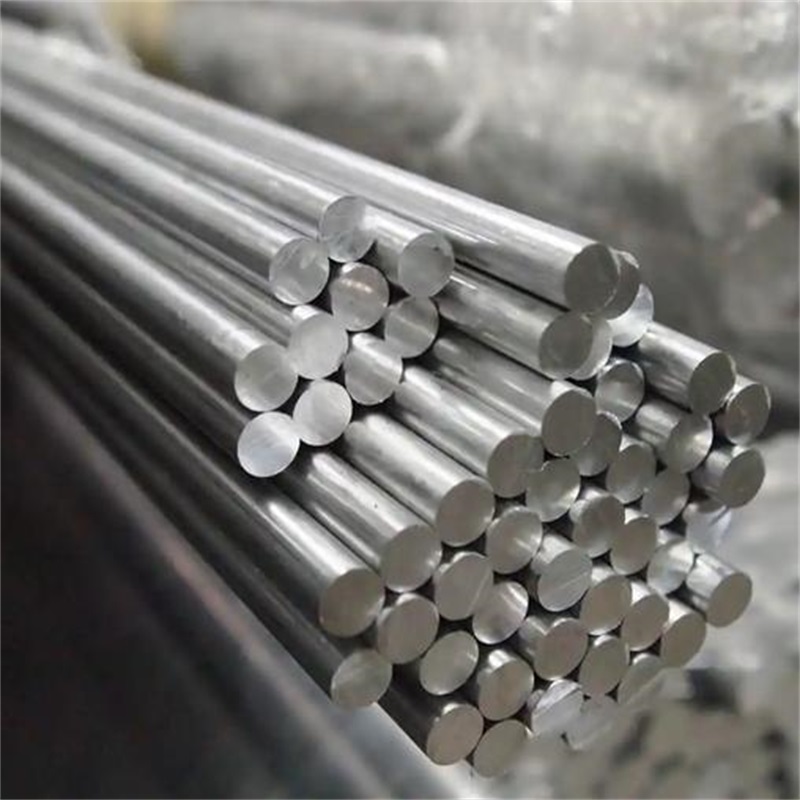
The application of these alloys is dictated by their specific resistance profiles. Inconel is the standard for gas turbine blades, jet engine exhaust systems, and nuclear reactor heat exchangers where thermal stability is paramount. Hastelloy is indispensable in chemical processing industries for reactor vessels, piping in hydrochloric and sulfuric acid plants, and flue gas desulfurization systems. Monel is the preferred material for marine hardware, seawater pumps, offshore drilling components, and hydrofluoric acid handling equipment. In the oil and gas sector, Inconel 718 is used for downhole tools, Hastelloy for sour gas environments, and Monel for subsea instrumentation.
FAQ
What is the difference between Inconel and Hastelloy?
Inconel is optimized for high-temperature oxidation and mechanical strength, while Hastelloy is engineered for superior corrosion resistance in aggressive chemical environments, particularly reducing acids.
Can Hastelloy C-276 be welded?
Yes, Hastelloy C-276 has excellent weldability using GTAW or GMAW processes. It does not require post-weld heat treatment, though low heat input is recommended to prevent sensitization.
When should you use Monel 400 over stainless steel?
Use Monel 400 when dealing with seawater, hydrofluoric acid, or high-velocity erosion-corrosion. Stainless steel will fail rapidly in these specific environments due to chloride stress cracking or lack of chemical resistance.
What is the best material for hydrofluoric acid service?
Monel 400 is the industry standard for hydrofluoric acid at all concentrations up to its boiling point. Hastelloy B-2 is also suitable, but Monel offers better mechanical properties for structural components.
How to choose between Inconel 625 and Inconel 718?
Choose Inconel 718 for high-strength structural components up to 700°C. Choose Inconel 625 for superior corrosion resistance in marine and chemical environments where temperatures may exceed 700°C but extreme tensile strength is less critical.
Why are nickel alloys more expensive than stainless steel?
Nickel alloys contain high percentages of strategic metals like nickel, molybdenum, and cobalt. Their superior performance in extreme environments justifies the cost by preventing unplanned downtime and extending equipment lifecycle significantly.
 How to Choose Corrosion-Resistant Alloys for Chemical Plants
How to Select Corrosion-Resistant Alloys for Marine Engineering
High-Temperature Alloy Selection Guide
How to Choose Corrosion-Resistant Alloys for Chemical Plants
How to Select Corrosion-Resistant Alloys for Marine Engineering
High-Temperature Alloy Selection Guide
 silicon nitride sleeve corrosion resistance