
Creep-Resistant Special Alloys: Engineering Guide
Creep-resistant special alloys are critical engineering materials designed to withstand permanent deformation under sustained mechanical stress at elevated temperatures. Unlike standard metals that fail rapidly under heat and load, these alloys maintain structural integrity over thousands of hours, making them indispensable for safety-critical components. They are the backbone of industries where failure is not an option, including aerospace propulsion, power generation, and petrochemical processing. For procurement specialists and design engineers, understanding the specific creep mechanisms and material grades is essential for ensuring long-term operational reliability and optimizing lifecycle costs in extreme thermal environments.
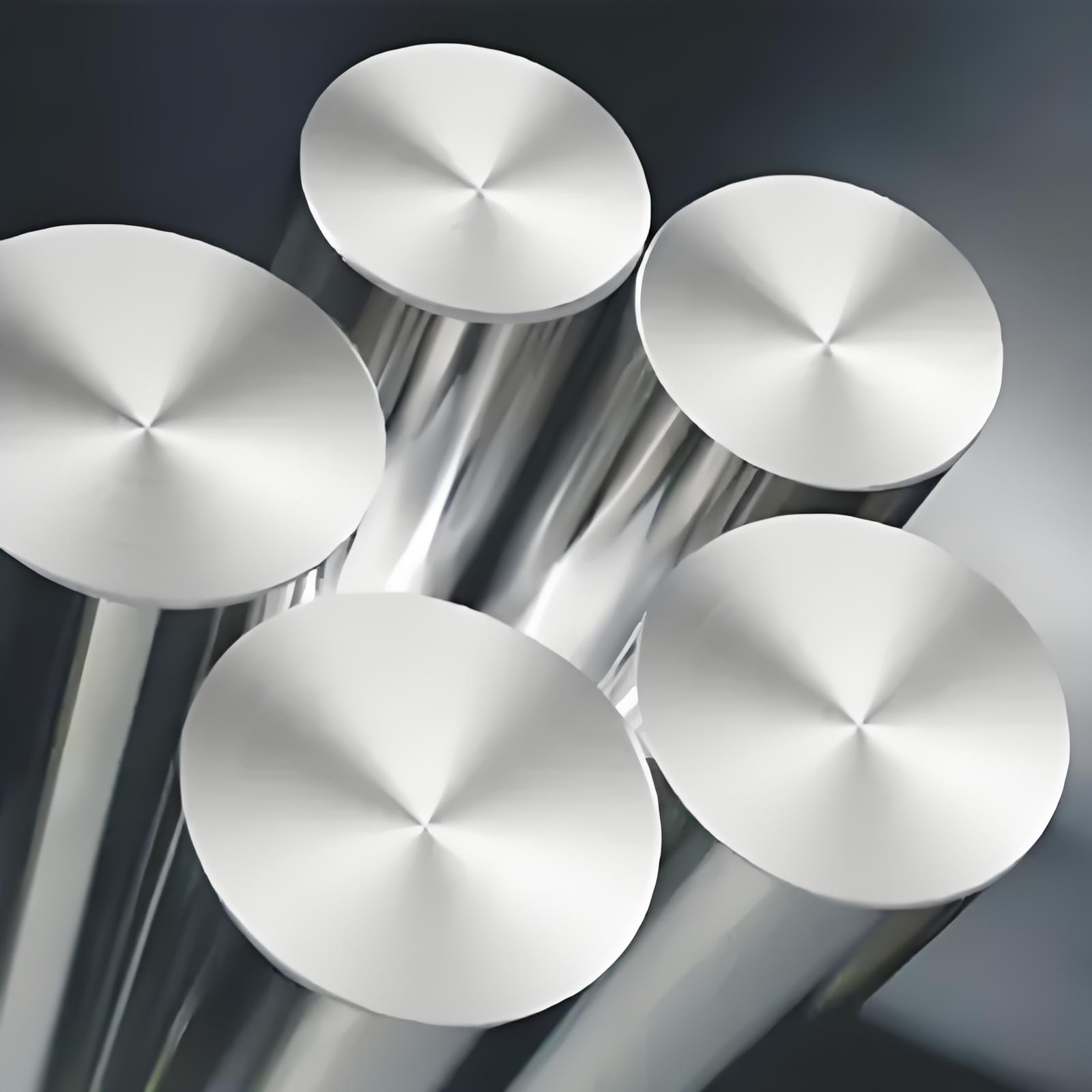
What is Creep-Resistant Special Alloys?
Creep-resistant special alloys are high-performance metallic materials engineered to resist time-dependent plastic deformation, known as creep, at temperatures typically exceeding 0.4 times their absolute melting point. These alloys utilize complex microstructural designs, including solid solution strengthening, precipitation hardening, and grain boundary engineering, to inhibit dislocation movement and grain boundary sliding. The primary advantage lies in their ability to retain mechanical strength and dimensional stability under prolonged thermal and mechanical loads. By carefully balancing elements like nickel, chromium, cobalt, and refractory metals, these materials offer a superior combination of high-temperature strength, oxidation resistance, and microstructural stability compared to conventional steels or lower-grade superalloys.
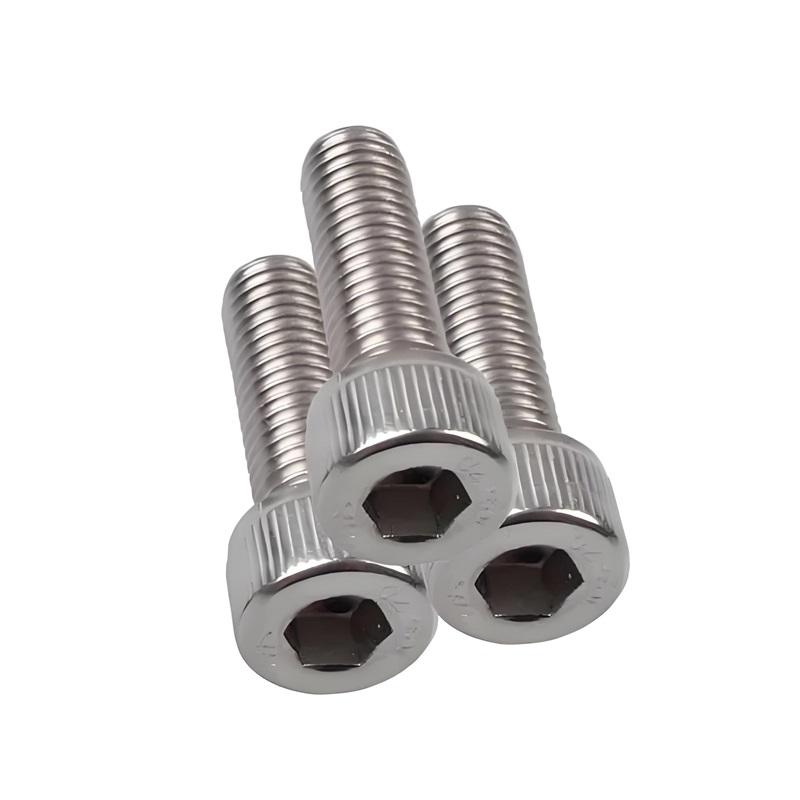
Key Features
Exceptional Creep Resistance: Engineered to minimize strain accumulation under constant stress at high temperatures, significantly extending component service life.
High-Temperature Strength: Maintains yield and tensile strength in extreme thermal environments, often up to 1100°C for nickel-based grades.
Oxidation and Corrosion Resistance: Forms protective oxide scales that prevent degradation in aggressive combustion or chemical atmospheres.
Microstructural Stability: Resists phase decomposition and grain growth during long-term thermal exposure, ensuring consistent performance.
Fatigue-Creep Interaction Resistance: Withstands complex loading conditions involving cyclic thermal and mechanical stresses without premature failure.
Controlled Grain Boundary Engineering: Utilizes carbides or relaxed grain boundaries to prevent intergranular cracking and sliding.
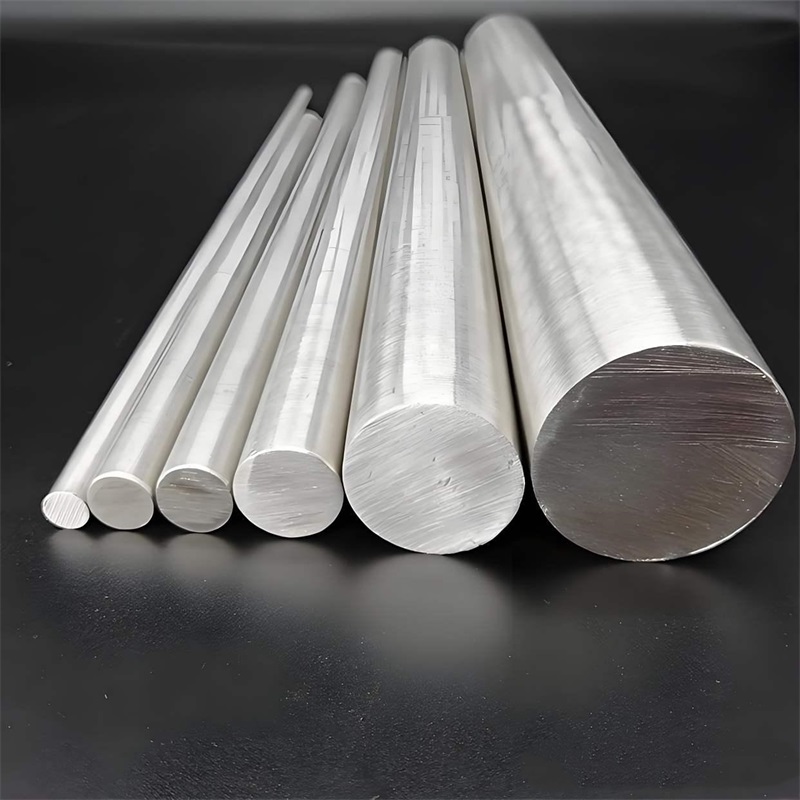
Available Forms
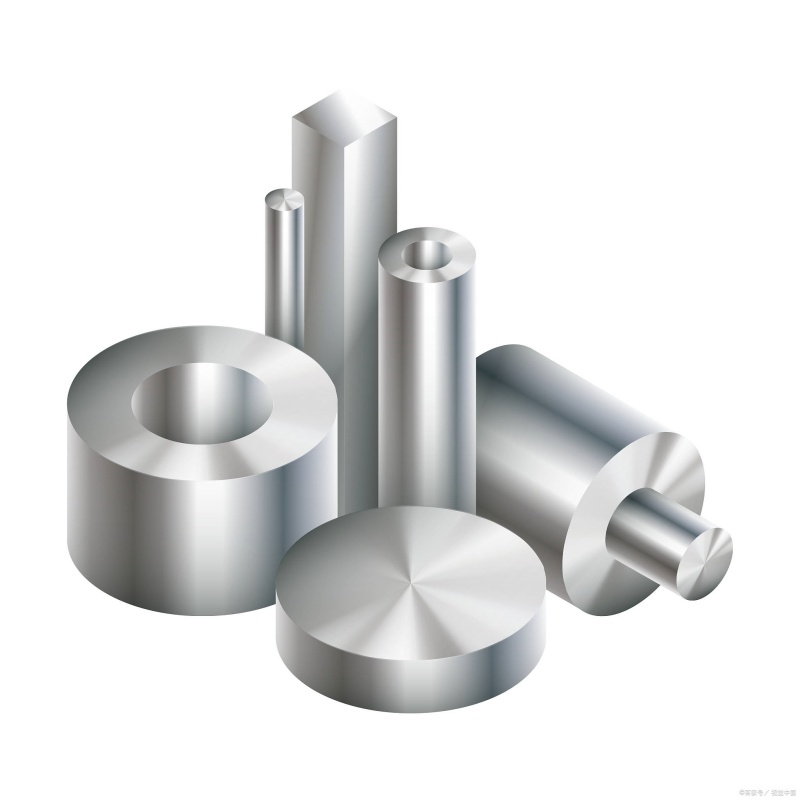
Plate
Sheet
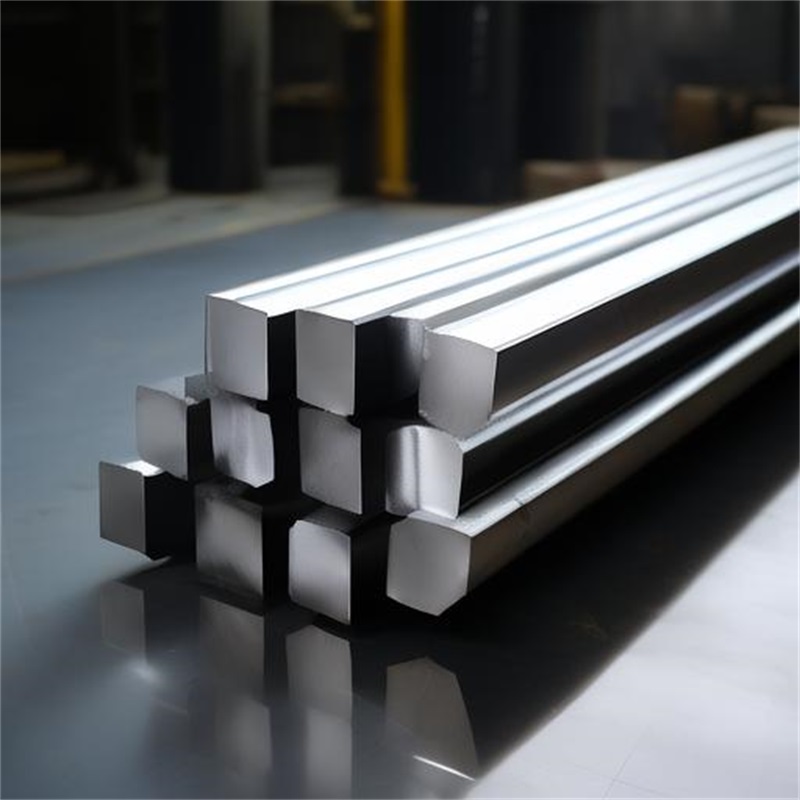
Bar
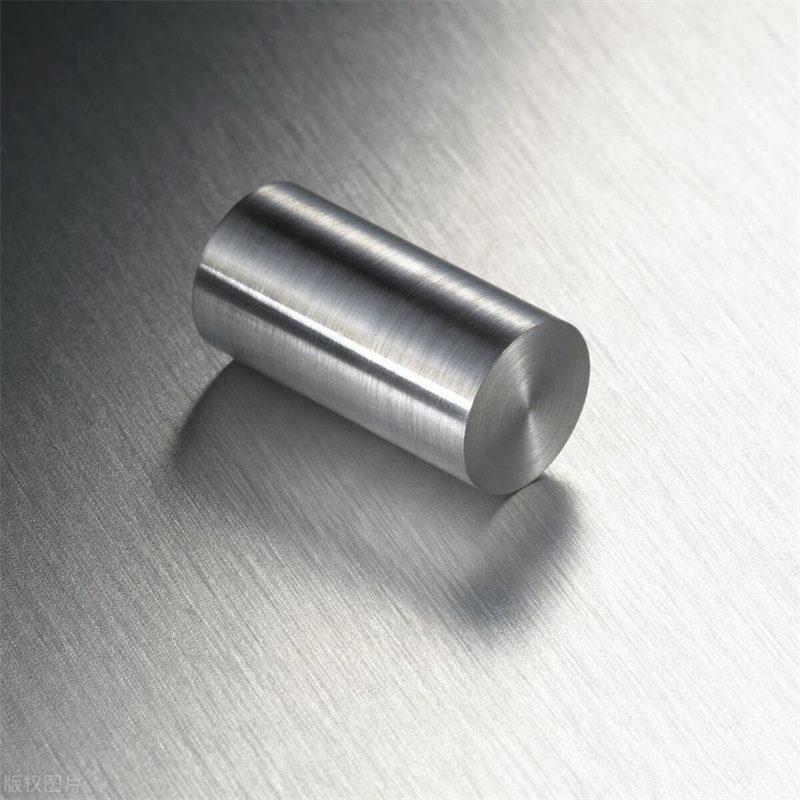
Rod
Tube
Pipe
Wire
Strip
Forging
Ring
Flange
Fastener
Fitting
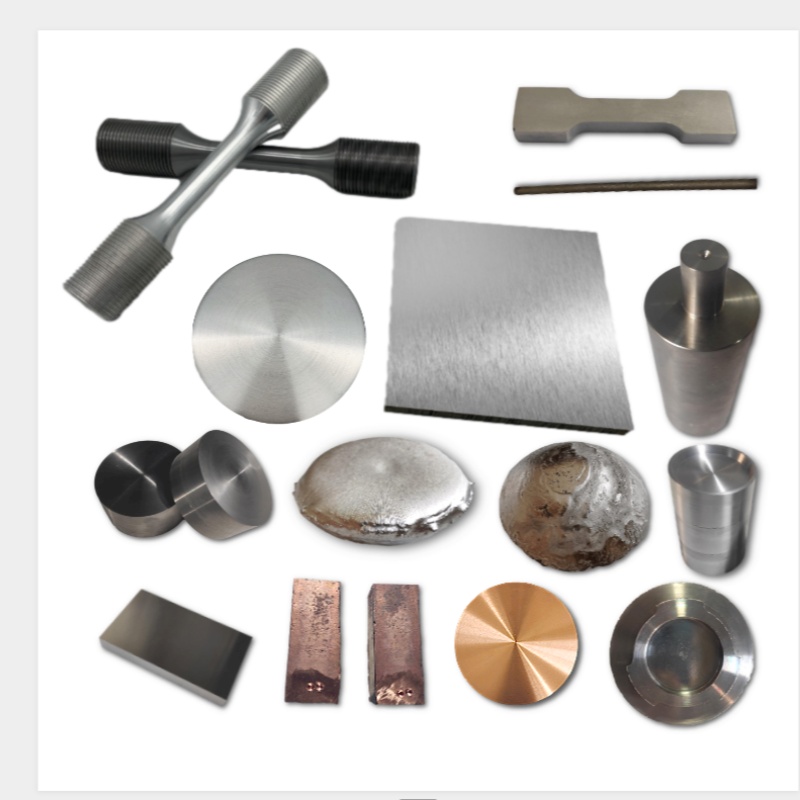
Typical Applications
Aerospace: Turbine blades, combustion chambers, and exhaust systems.
Power Generation: Steam generator tubes, gas turbine components, and boiler headers.
Oil & Gas: Downhole tools, heat exchangers, and reformer tubes.
Chemical Processing: Cracking furnaces, catalyst supports, and high-temperature reactors.
Nuclear: Reactor core components and heat transfer systems.
Industrial Furnace: Heat treatment fixtures, radiant tubes, and muffles.
Automotive: Turbocharger wheels and exhaust valves.
Material Specifications
Chemical Composition: Varies by grade; typically Ni/Fe/Co base with Cr, Mo, W, Al, Ti, Nb, Ta, and Re.
Mechanical Properties: High yield strength at temperature; creep rupture strength defined by time-to-failure curves (e.g., 100,000 hours).
Physical Properties: Density ranges from 7.8 to 8.5 g/cm³; thermal conductivity and expansion coefficients are grade-specific.
Heat Treatment: Solution annealing followed by multi-step aging to optimize precipitate distribution and grain boundary carbides.
Hardness: Varies from 200 to 450 HB depending on alloy grade and heat treatment condition.
Working Temperature: Ranges from 500°C for martensitic steels to over 1100°C for single-crystal nickel superalloys.
Frequently Asked Questions
What is the difference between creep strength and creep rupture strength?
Creep strength refers to the stress required to produce a specific strain rate or total strain over time, while creep rupture strength is the stress that causes failure after a specified duration. Engineers select based on whether dimensional stability or total life is the limiting factor.
How to choose the right creep-resistant alloy for my application?
Evaluate the maximum operating temperature, stress levels, required service life, and environmental conditions. For temperatures below 650°C, martensitic steels like 1Cr11Ni2W2MoV may suffice. For 750°C–980°C, cast nickel alloys like K405 are ideal. Above 1000°C, single-crystal superalloys with Re/Ru additions are necessary.
What are the advantages of nanocrystalline creep-resistant alloys?
Nanocrystalline alloys with relaxed grain boundaries can suppress grain boundary sliding and diffusion, offering creep rates several orders of magnitude lower than conventional polycrystalline alloys. This reduces reliance on expensive refractory elements while maintaining high-temperature stability.
When should you use cast vs. wrought creep-resistant alloys?
Use cast alloys for complex geometries and static components like turbine blades or furnace parts. Choose wrought alloys for components requiring superior fatigue resistance and toughness, such as discs, shafts, and piping systems.
What is the best material for steam generator tubes?
Fe-Cr-Ni-Al-Nb-Mo alloys like CHDG-B are specifically designed for this application, offering excellent creep resistance at 650°C with stable NbC precipitates. They provide a cost-effective alternative to imported materials while meeting nuclear safety standards.
How does Re/Ru addition improve nickel-based superalloys?
Rhenium and Ruthenium slow down dislocation climb and suppress the formation of detrimental topologically close-packed phases. They also stabilize the γ’ precipitates at extreme temperatures, significantly enhancing creep life in advanced aero-engines.
What industries use creep-resistant special alloys?
Primary industries include aerospace, power generation, oil & gas, chemical processing, and nuclear energy. Any sector involving sustained high-temperature mechanical loading relies on these materials for safety and efficiency.
Can creep-resistant alloys be welded?
Yes, but welding requires strict control of heat input and post-weld heat treatment to prevent grain boundary precipitation and cracking. Matching filler metals and preheating protocols are essential to maintain creep properties in the heat-affected zone.
 How to Choose Corrosion-Resistant Alloys for Chemical Plants
 How to Select Corrosion-Resistant Alloys for Marine Engineering
 High-Temperature Alloy Selection Guide
 silicon nitride sleeve corrosion resistance