
Analysis of High-Temperature Strength Special Alloys
High-temperature strength special alloys are critical engineering materials designed to maintain structural integrity and mechanical properties under extreme thermal and oxidative conditions. These advanced metallic systems are indispensable in modern aerospace propulsion, power generation, and chemical processing industries where conventional materials fail. Understanding their metallurgical characteristics and application boundaries is essential for procurement professionals and design engineers. This guide provides authoritative technical insights to facilitate informed material selection, ensuring operational reliability and cost-effectiveness in demanding high-temperature environments.
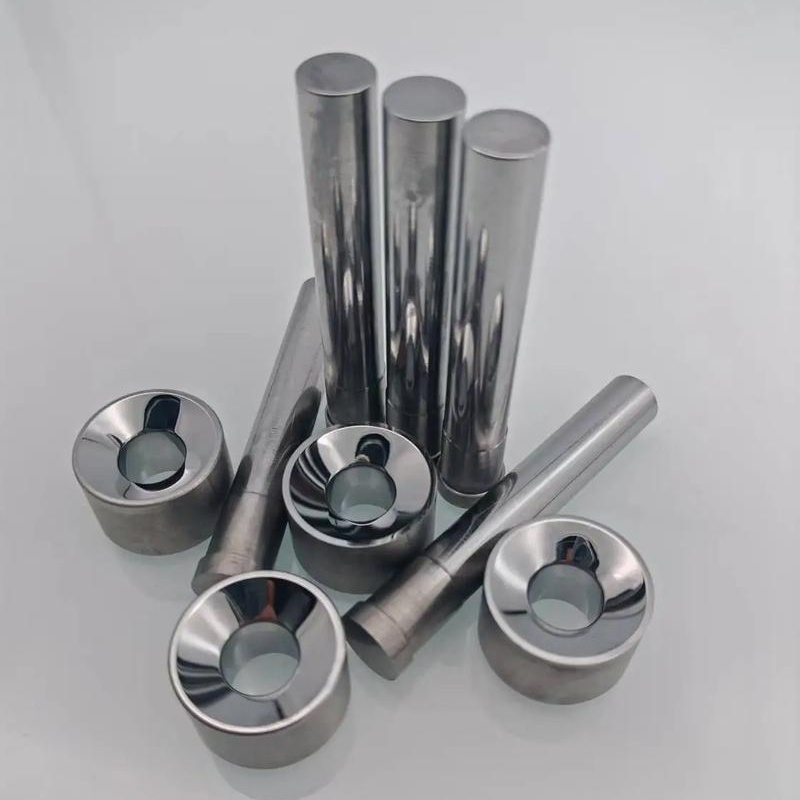
What Are High-Temperature Strength Special Alloys?
High-temperature strength special alloys are metallic materials engineered to resist creep, oxidation, and thermal fatigue at temperatures exceeding 600°C. Primarily based on nickel, cobalt, or refractory metal matrices, these alloys derive their exceptional properties from complex microstructures stabilized by solid solution strengthening, precipitation hardening, and grain boundary engineering. The addition of elements such as chromium, aluminum, titanium, and tungsten creates protective oxide layers and intermetallic phases that inhibit dislocation movement at elevated temperatures. These materials are fundamental to advancing thermal efficiency in gas turbines, rocket engines, and industrial furnaces, representing a cornerstone of modern high-temperature engineering.
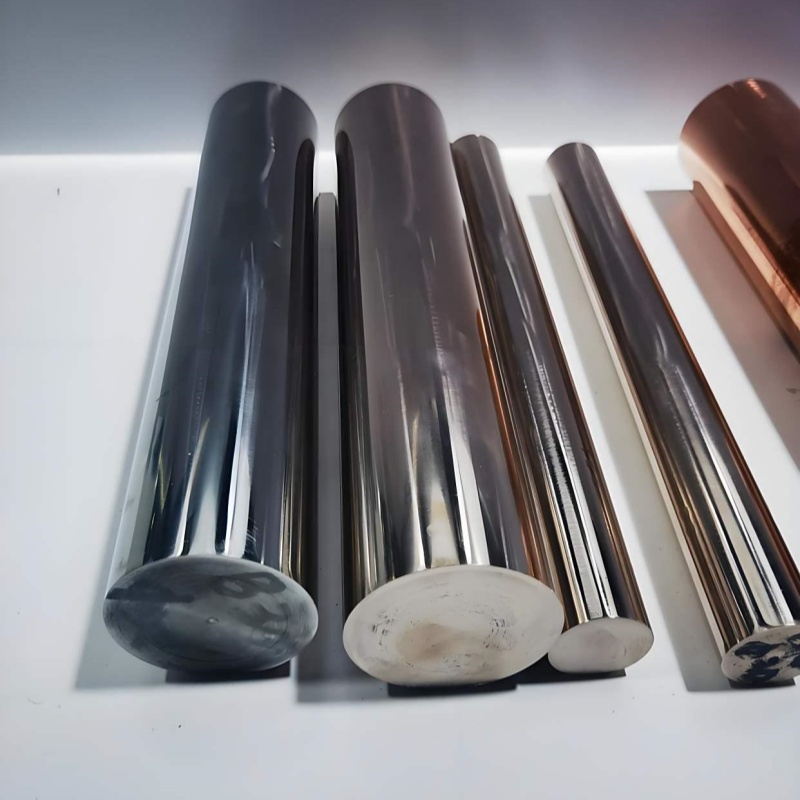
Key Features
Exceptional High-Temperature Strength: Maintains yield and tensile strength at temperatures where conventional steels soften, enabling higher operating temperatures and improved thermal efficiency.
Superior Oxidation Resistance: Forms dense, adherent Cr₂O₃ or Al₂O₃ surface scales that protect against catastrophic oxidation and hot corrosion in aggressive combustion environments.
Outstanding Creep Resistance: Resists time-dependent deformation under sustained mechanical loads at elevated temperatures, critical for rotating components and pressure vessels.
Excellent Thermal Fatigue Resistance: Withstands repeated thermal cycling without cracking, essential for components experiencing rapid temperature fluctuations during startup and shutdown.
Microstructural Stability: Retains phase stability and mechanical properties during prolonged exposure to high temperatures, ensuring predictable long-term performance.
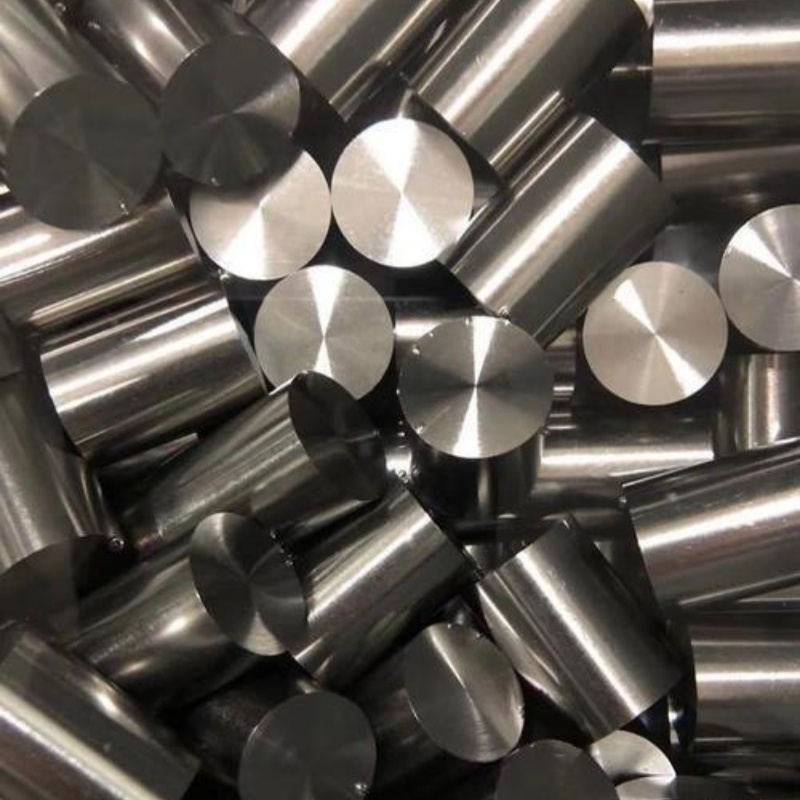
Available Forms
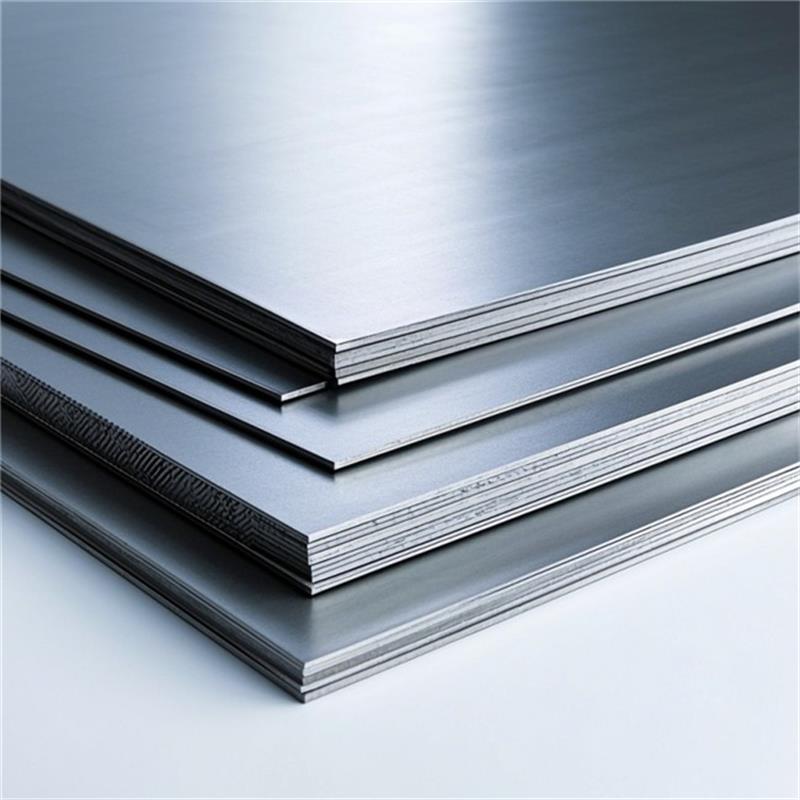
Plate
Sheet
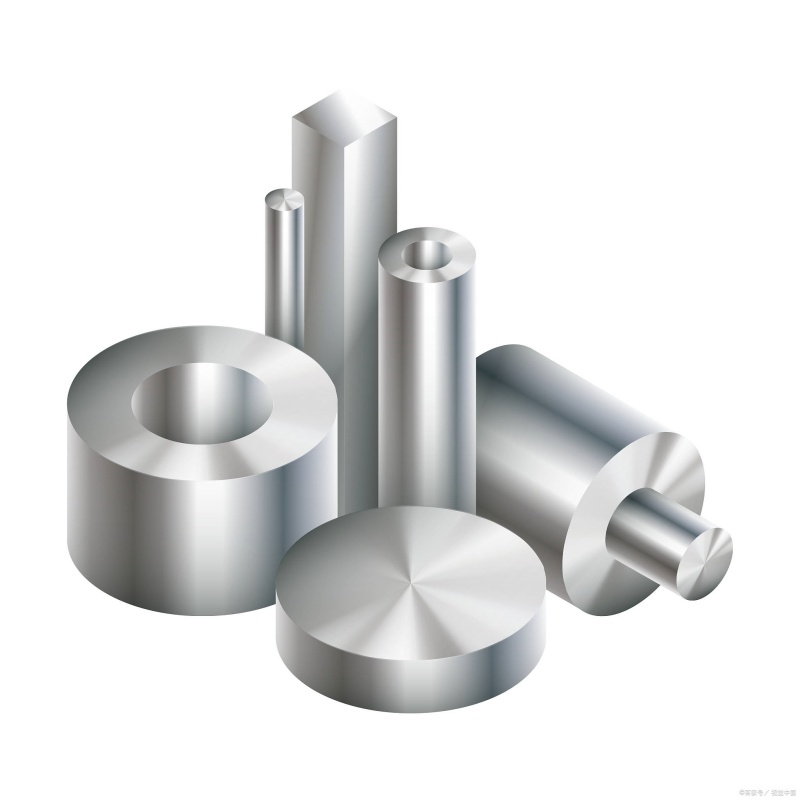
Bar
Rod
Tube
Pipe
Wire
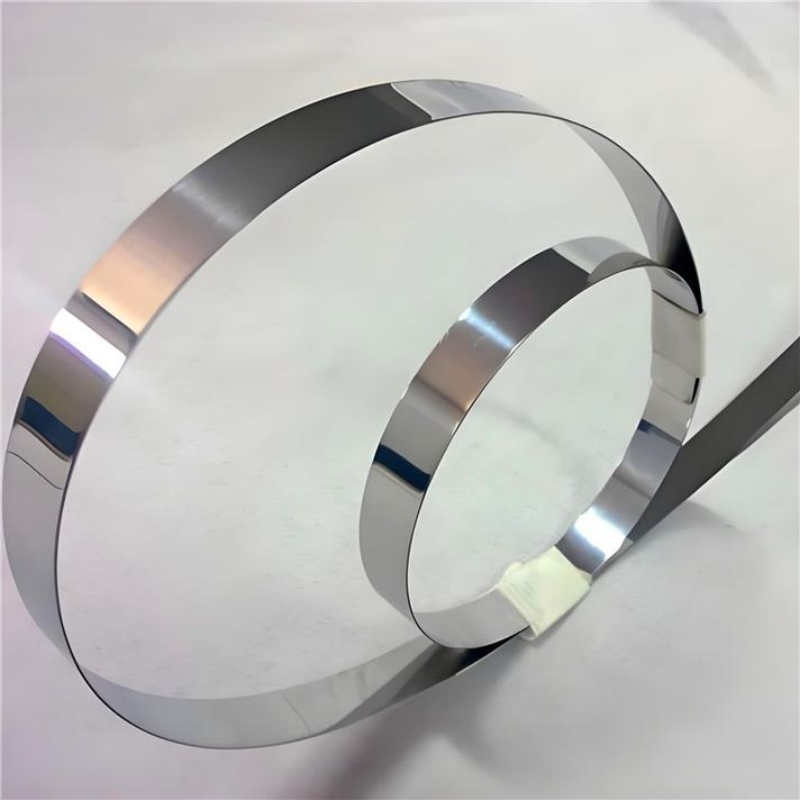
Strip
Forging
Ring
Flange
Fastener
Fitting
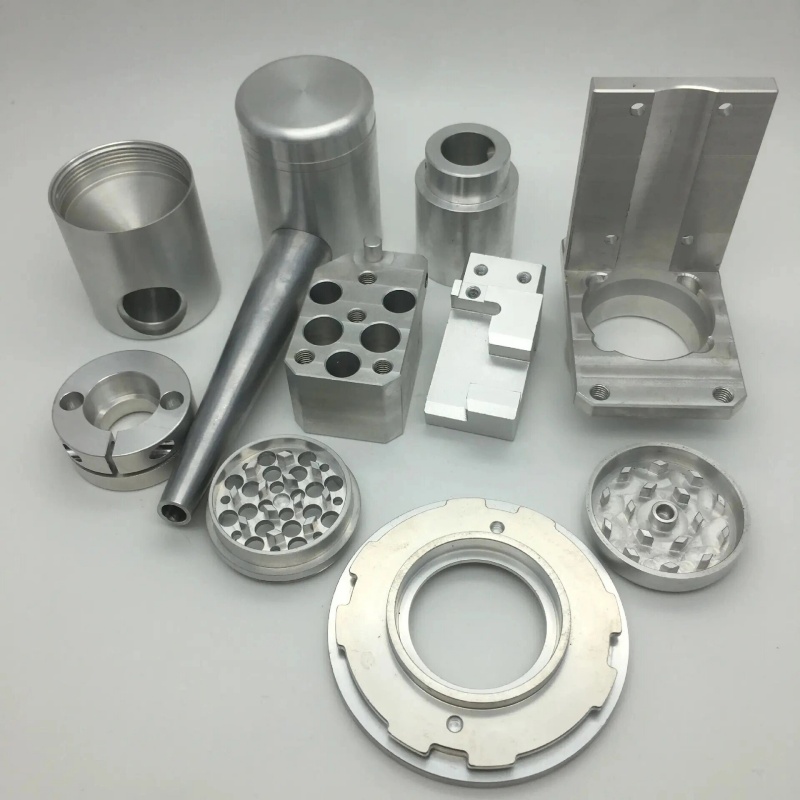
Typical Applications
Aerospace: Turbine blades, discs, combustion chambers, and exhaust systems in jet engines and rocket propulsion.
Power Generation: Gas turbine components, boiler tubes, and heat exchangers in combined cycle and nuclear power plants.
Chemical Processing: Reactors, catalyst supports, and piping systems exposed to high-temperature corrosive media.
Industrial Furnaces: Heating elements, radiant tubes, and fixtures for heat treatment and materials processing.
Automotive: Turbocharger wheels, exhaust manifolds, and valve seats in high-performance engines.
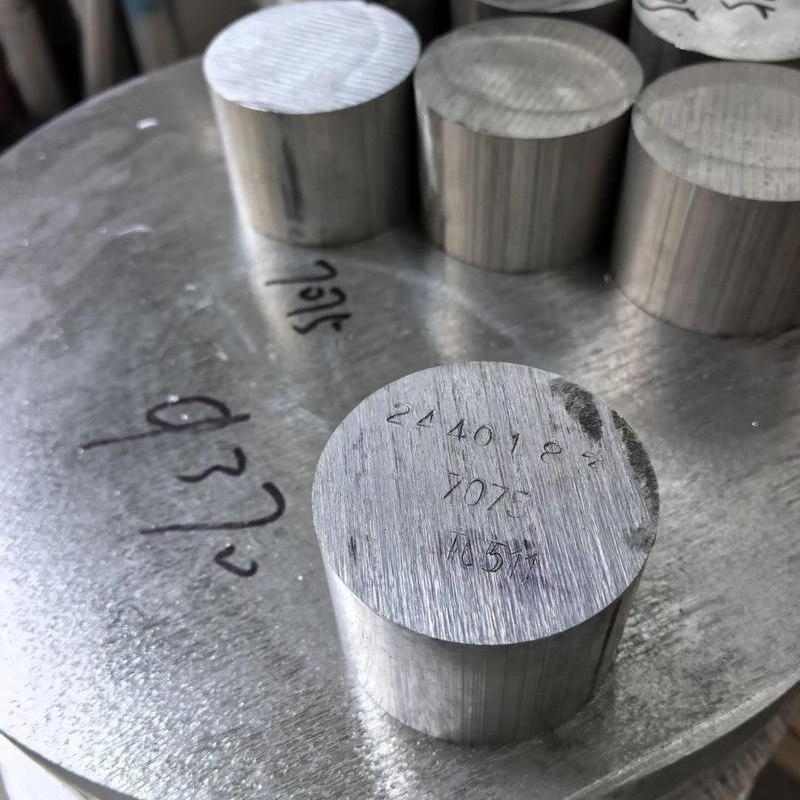
Material Specifications
Chemical Composition: Nickel (20-75%), Chromium (15-25%), Cobalt (0-20%), Aluminum (1-6%), Titanium (1-5%), Tungsten (0-10%), Molybdenum (0-10%), with trace elements for grain boundary control.
Mechanical Properties: Yield strength >400 MPa at 800°C; tensile strength >600 MPa at 600°C; creep rupture life >100 hours at 900°C/200 MPa.
Physical Properties: Density 8.0-9.2 g/cm³; thermal expansion coefficient 12-16 ×10⁻⁶/°C; thermal conductivity 10-25 W/m·K.
Heat Treatment: Solution annealing at 1050-1200°C followed by aging at 700-900°C to optimize γ’ phase precipitation.
Working Temperature: Continuous service up to 1100°C for nickel-based alloys; up to 1300°C for cobalt-based alloys; up to 1650°C for refractory alloys.
FAQ
What is the difference between nickel-based and cobalt-based high-temperature alloys?
Nickel-based alloys offer superior strength and oxidation resistance up to 1100°C, while cobalt-based alloys provide better hot corrosion resistance and thermal fatigue performance at temperatures above 1000°C.
How to choose the right high-temperature alloy for gas turbine applications?
Consider operating temperature, stress levels, environmental conditions, and component geometry. Nickel-based alloys are preferred for rotating parts requiring high strength, while cobalt-based alloys suit static components exposed to hot corrosion.
What are the advantages of precipitation-hardened alloys over solid-solution strengthened alloys?
Precipitation-hardened alloys achieve higher strength through γ’ phase formation but require precise heat treatment. Solid-solution alloys offer better ductility and weldability with moderate strength.
Can high-temperature alloys be welded without losing properties?
Yes, but specialized welding procedures and post-weld heat treatments are essential to restore microstructure and prevent cracking. Nickel-based alloys generally exhibit better weldability than cobalt-based alloys.
When should you use refractory alloys instead of nickel-based alloys?
Refractory alloys (Nb, Mo, Ta, W-based) are necessary when operating temperatures exceed 1200°C, despite their higher density and oxidation sensitivity requiring protective coatings.
What industries use high-temperature strength special alloys most extensively?
Aerospace and power generation are the largest consumers, followed by chemical processing, industrial heating, and automotive sectors seeking improved thermal efficiency.
How does alloy composition affect high-temperature performance?
Chromium enhances oxidation resistance; aluminum and titanium form strengthening γ’ phases; tungsten and molybdenum provide solid solution strengthening; cobalt improves thermal fatigue resistance.
What is the best material for continuous service above 1000°C?
For continuous service above 1000°C, cobalt-based alloys or advanced nickel-based superalloys with optimized γ’ content are recommended, depending on specific mechanical and environmental requirements.
How to Choose Corrosion-Resistant Alloys for Chemical Plants
 How to Select Corrosion-Resistant Alloys for Marine Engineering
 High-Temperature Alloy Selection Guide
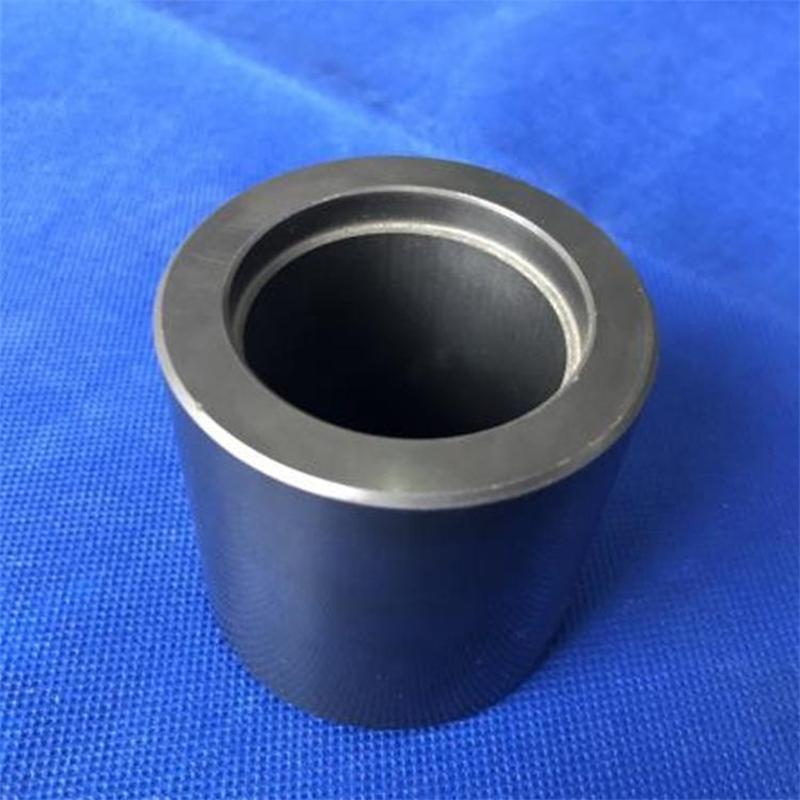 silicon nitride sleeve corrosion resistance