
Titanium Alloys vs. Stainless Steel
In fields such as high-end manufacturing, chemical engineering, healthcare, and aerospace, the choice of materials often determines a product’s final performance and commercial success. As two highly representative metallic materials, titanium alloys and stainless steel are frequently weighed against each other. Faced with the complex demands of “lightweighting,” “corrosion resistance,” and “cost control,” engineers and procurement professionals must cut through the marketing hype and conduct an objective, rational, and realistic comparison of these two materials based on factors such as composition, classification, applications, and total life-cycle costs.
The Underlying Logic of Composition and Microstructural Classification
Stainless steel is essentially an iron-based alloy, and its “stainless” property stems from chromium (Cr). Typically, the chromium content must reach at least 10.5% to form a dense oxide film on the surface that resists corrosion. Building on this foundation, the addition of elements such as nickel (Ni) and molybdenum (Mo) can further enhance performance. Based on microstructure, stainless steel is primarily classified into austenitic (e.g., 304, 316—non-magnetic, excellent corrosion resistance), ferritic (e.g., 430—magnetic, lower cost), martensitic (e.g., 410—high hardness, wear resistance), and duplex stainless steel (combining the advantages of austenitic and ferritic steels, offering both high strength and excellent corrosion resistance).
In contrast, titanium alloys are based on titanium with the addition of elements such as aluminum, vanadium, and molybdenum. Their most notable characteristic is their extremely low density (approximately 4.5 g/cm³, only 60% that of steel), yet they possess an extremely high specific strength. Based on their microstructure at room temperature, titanium alloys are classified into α-type (heat-resistant, good weldability), β-type (high strength, easy to cold-form), and α+β-type (optimal overall performance, such as the widely used TC4/Ti-6Al-4V). These differences in microstructure directly determine their distinct physical and chemical properties.
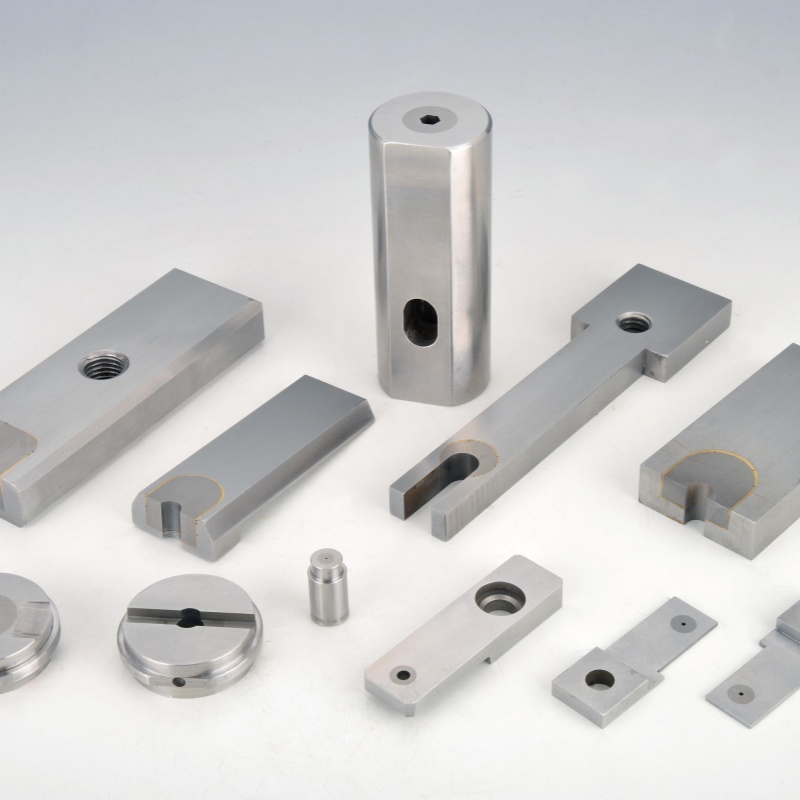
Performance Comparison:
In terms of corrosion resistance, titanium alloys have an overwhelming advantage. A titanium dioxide film with “self-healing” capabilities forms instantly on the surface of titanium, resulting in virtually no corrosion in seawater, strong acids, strong alkalis, and environments with high chloride ion concentrations. In 3.5% saline water, the corrosion rate of titanium is only one-thousandth that of stainless steel. In contrast, stainless steel (even 316L) remains susceptible to pitting and crevice corrosion in strong acids or high-salinity environments.
In terms of mechanical and thermal properties, both materials have their own strengths. Titanium alloys are true “lightweight powerhouses,” capable of reducing weight by more than 40% while maintaining equivalent strength, and retaining excellent mechanical properties across the extreme temperature range of -253°C to 600°C. However, titanium alloys have an extremely low thermal conductivity (only about one-fifth that of stainless steel), making them suitable for thermal insulation components but presenting a critical limitation in scenarios requiring rapid heat transfer. Although stainless steel has a higher density and is heavier, it has a higher maximum temperature resistance (some grades can withstand up to 1,200°C) and offers superior thermal and electrical conductivity compared to titanium alloys, along with greater rigidity.
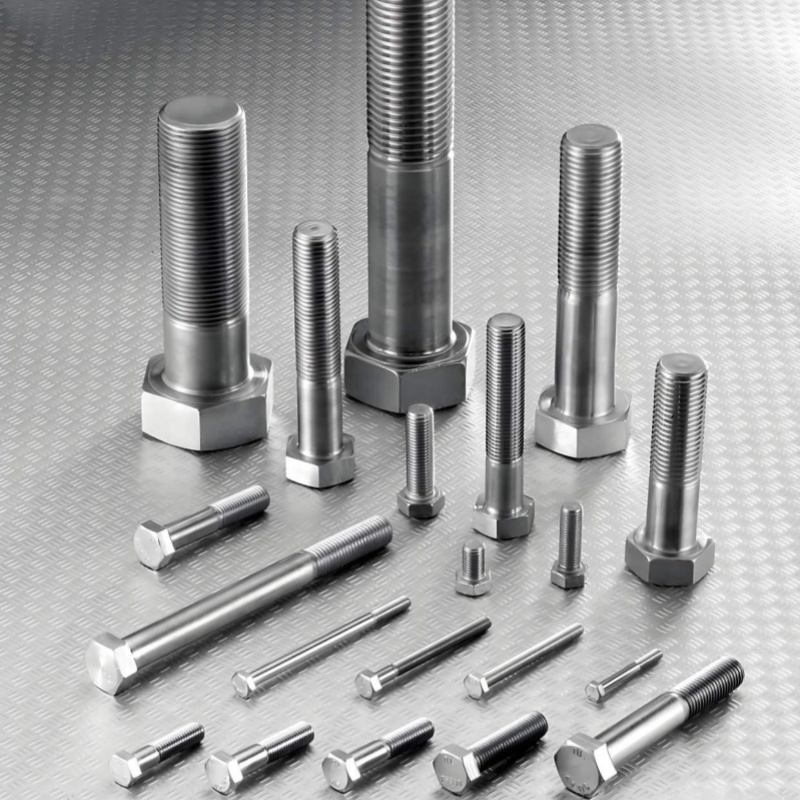
Application Scenarios
Based on the above properties, the boundaries of application for the two materials are very clear. Titanium alloys are the undisputed mainstay in aerospace (aircraft frames, engine compressors), deep-sea engineering (pressure hulls for submersibles), high-end medical applications (artificial joints, cardiac stents, due to their excellent biocompatibility), and new energy (titanium bipolar plates for hydrogen fuel cells). In these fields, the long-term value derived from lightweight design and extreme corrosion resistance far exceeds the high cost of the material itself.
Stainless steel, on the other hand, serves as the cornerstone of industry and daily life. From building curtain walls, elevator handrails, and water supply pipes to food processing equipment, chemical storage tanks, automotive exhaust systems, and even everyday cookware, stainless steel commands a massive market share thanks to its excellent formability, good overall corrosion resistance, and exceptional cost-effectiveness.
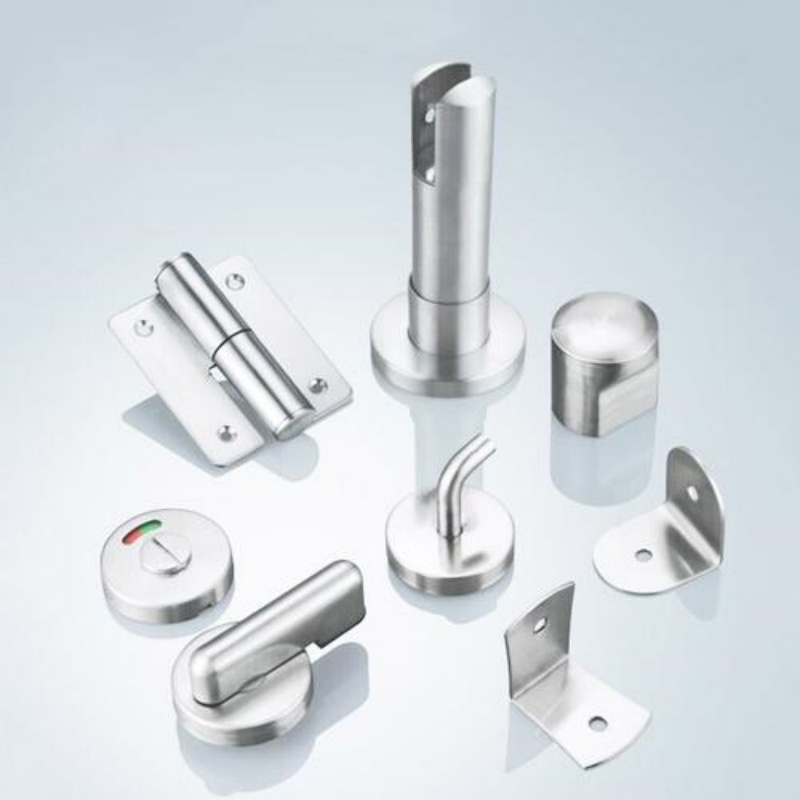
Cost:
For procurement professionals, cost is a core consideration that cannot be ignored. In terms of initial procurement costs, titanium alloys are truly “high-end.” Due to complex refining processes (such as vacuum melting) and extremely high processing difficulties (poor thermal conductivity leads to rapid tool wear and low processing efficiency), the material and processing costs of titanium alloys are typically 5 to 10 times those of comparable stainless steel.
However, under severe operating conditions, the concept of “total life-cycle cost” must be considered. In seawater desalination or highly corrosive chemical pipelines, stainless steel may require shutdown and replacement within two to three years due to corrosion perforation, whereas titanium alloy equipment can operate reliably for decades. When considering long-term maintenance, downtime losses, and replacement frequency, titanium alloys actually offer better overall value for money. However, in routine drying or mildly corrosive environments, blindly opting for titanium alloys is a pure waste of money.
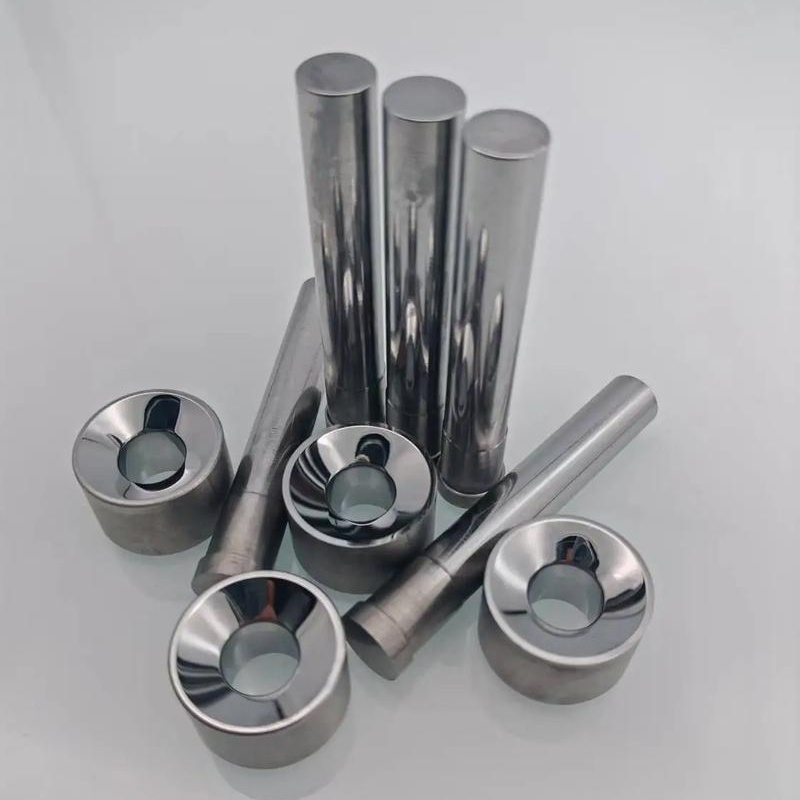
FAQ
Certain misconceptions often arise during material selection and procurement. For example, “Are titanium pots really healthier and more practical than stainless steel pots?” ” In fact, while pure titanium pans are non-toxic and rust-free, they have extremely poor heat conductivity and are highly prone to the “heat island effect,” where localized high temperatures cause food to burn. Meanwhile, many inexpensive “titanium pans” on the market are either surface-coated with titanium or made of alloys with extremely low titanium content; once the coating peels off, health risks remain. For Chinese-style stir-frying, high-quality stainless steel or cast iron pans remain the more practical choice.
When selecting materials, it is recommended to follow these principles: First, clearly define the core operating conditions. If the application involves strong acids, seawater, medical implants, or extreme weight reduction, titanium alloys are a must; if it is merely for conventional structural support, mildly corrosive environments, or cost-sensitive mass-produced parts, stainless steel is sufficient. Second, be wary of “concept marketing.” When purchasing titanium materials, be sure to verify the material certificate and confirm that the product is industrial-grade pure titanium (such as TA1 or TA2) or a standard alloy (such as TC4) to prevent being sold inferior products as higher-grade ones. Finally, assess machining capabilities. Titanium alloys place extremely high demands on welding and machining environments; ensure that the supplier has the capability for inert gas shielded welding and specialized machining to avoid costly material scrap due to processing defects.
 What Is Polyimide (PI)
What Is Polyphenylene Sulfide (PPS)
What Is Polyimide (PI)
What Is Polyphenylene Sulfide (PPS)
 What is PEEK-for Engineers and Buyers
 Application Scope of Zirconia Ceramic Structural Components