
Iron-Based Alloys: How to Thrive in Extreme Environments
In heavy industries such as aerospace, energy and power, and petrochemicals, materials are often subjected to extreme conditions—including high temperatures, high pressures, severe corrosion, and complex stress patterns. Among the many specialty materials available, iron-based alloys have become the “backbone” for withstanding extreme environments thanks to their outstanding overall performance, good machinability, and relatively economical cost.
The Key: Composition and Microstructure
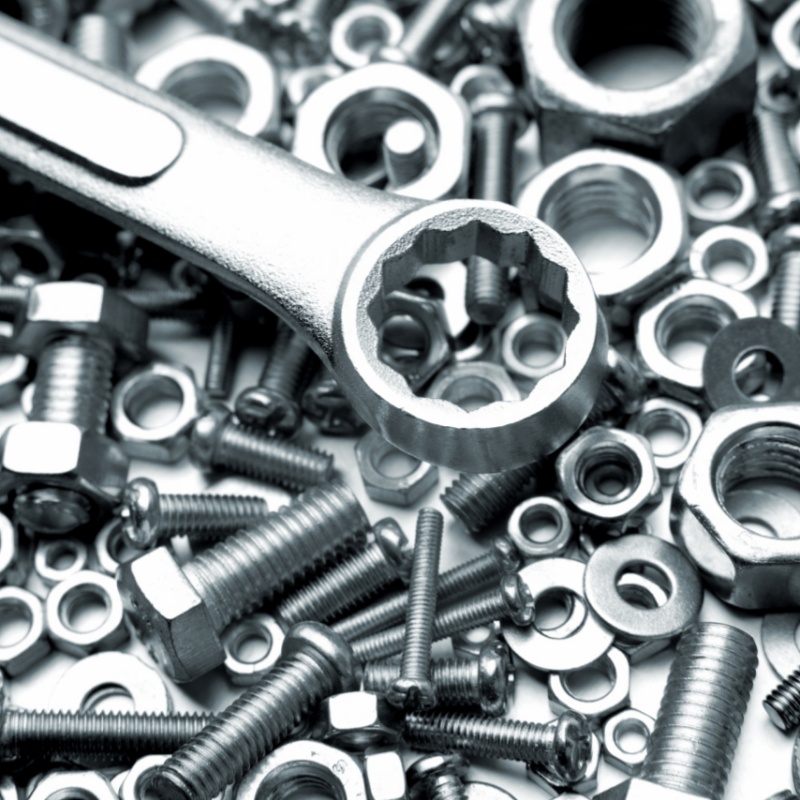
The ability of iron-based alloys to withstand extreme environments lies primarily in their scientific alloying design and microstructural control. Iron, as the matrix, provides a solid foundation for strength and toughness; the addition of chromium serves as the alloy’s “first line of defense” against extreme corrosion, forming a dense and stable protective layer of chromium oxide on the material’s surface that effectively blocks the intrusion of oxygen, hydrogen ions, and corrosive media. Nickel, meanwhile, stabilizes the austenitic microstructure, endowing the alloy with excellent high-temperature stability and creep resistance.
In addition, elements such as molybdenum and tungsten further enhance the matrix’s high-temperature strength through solid solution strengthening; elements such as aluminum, titanium, and niobium precipitate fine intermetallic compounds (such as the γ’ phase) during aging treatment, producing a powerful precipitation hardening effect that allows the alloy to maintain extremely high yield strength even at high temperatures. Trace elements such as carbon, boron, and zirconium are used to strengthen grain boundaries, preventing grain boundary slippage or embrittlement during long-term service at high temperatures.
Family Tree: Classification of Iron-Based Alloys
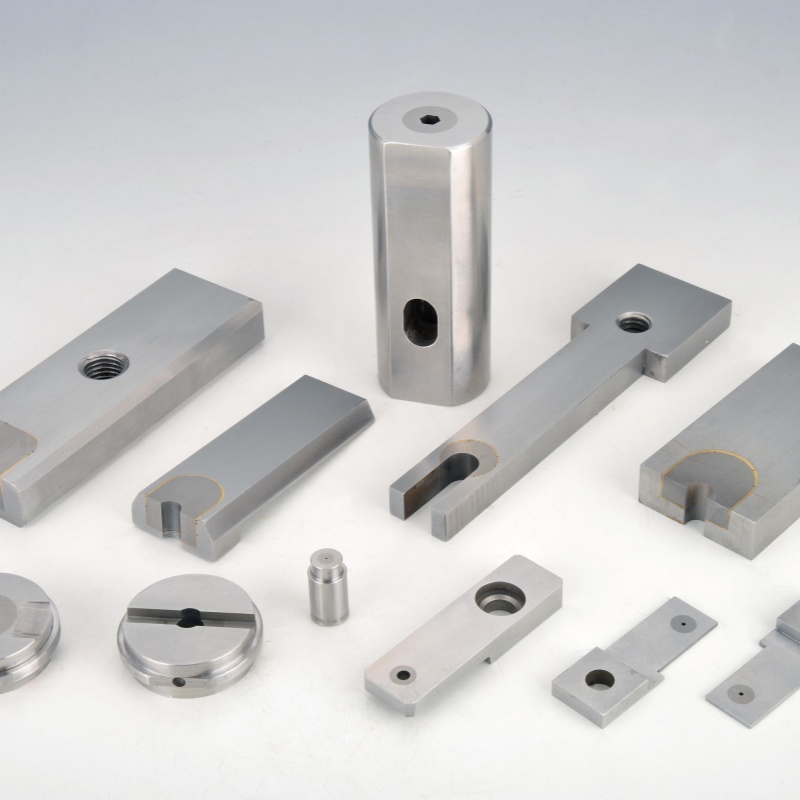
Depending on their microstructure and strengthening mechanisms, iron-based alloys exhibit distinctly different strengths in engineering applications. Under high-temperature conditions, iron-based high-temperature alloys are the mainstay; they can be classified by strengthening mechanism into work-hardening, solution-strengthened, and precipitation-strengthened types, and are capable of maintaining excellent resistance to oxidation and gas corrosion in the medium-to-high temperature range of 600°C to 850°C.
In the fields of wear resistance and impact resistance, high-chromium cast iron is renowned for its extremely high hardness (up to HRc 60) and outstanding resistance to abrasive wear, making it an ideal choice for mining machinery and agricultural equipment. Austenitic manganese steel, on the other hand, can withstand severe intermetallic impact and ore abrasion thanks to its high toughness and work-hardening properties. In addition, there are super-corrosion-resistant nickel-iron-based alloys (such as N08926) designed specifically for extreme corrosive environments, as well as low-expansion nickel-iron-based alloys (such as 4J36) with extremely low coefficients of thermal expansion, which play an irreplaceable role in chemical processing, deep-sea equipment, and precision optical instruments.
Practical Applications:
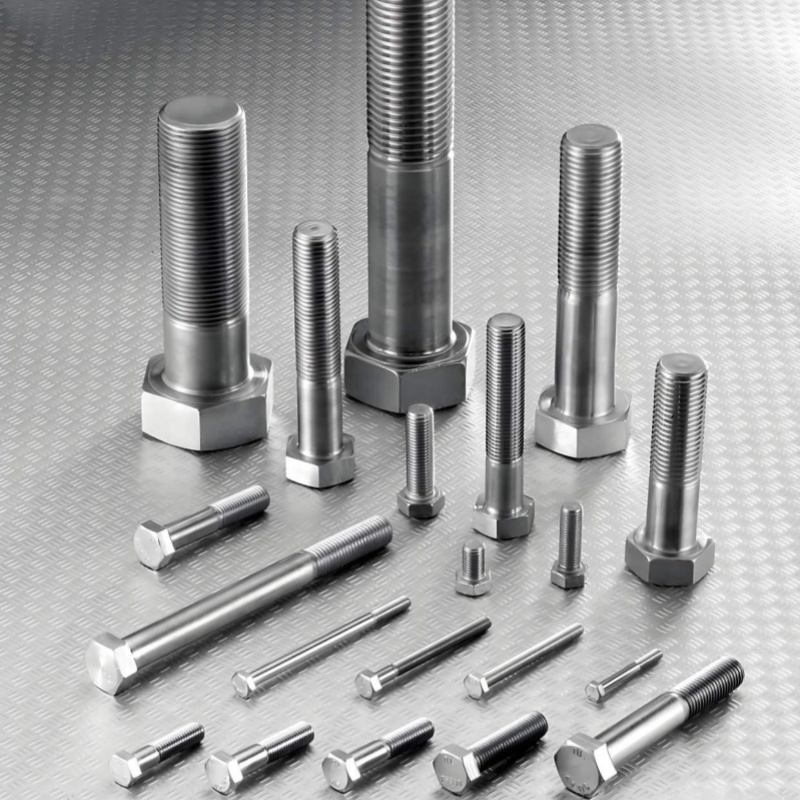
The superior properties of iron-based alloys have led to their widespread use in a wide range of extreme operating conditions. In the aerospace sector, iron-based high-temperature alloys are extensively used to manufacture critical hot-end components for aircraft engines and industrial gas turbines, including turbine discs, guide vanes, combustion chambers, and engine casings. In the energy and chemical industries, they are used to fabricate superheater tube bundles for thermal power plants, reaction vessels for supercritical water oxidation units, as well as pipes and valves for handling highly concentrated organic wastewater and strongly corrosive media.
In the automotive industry, iron-based alloys are used to manufacture heat-resistant housings for diesel engine turbochargers and heat shields for exhaust manifolds, which not only reduce weight but also significantly improve durability. In marine engineering and deep-sea exploration, super-corrosion-resistant iron-based alloys are used to manufacture the hulls of deep-sea exploration vehicles and key components of floating offshore nuclear power plants, withstanding complex environments characterized by high salinity, high pressure, and nuclear radiation.
Procurement Pitfalls to Avoid: Practical Advice from Engineers and Procurement Professionals
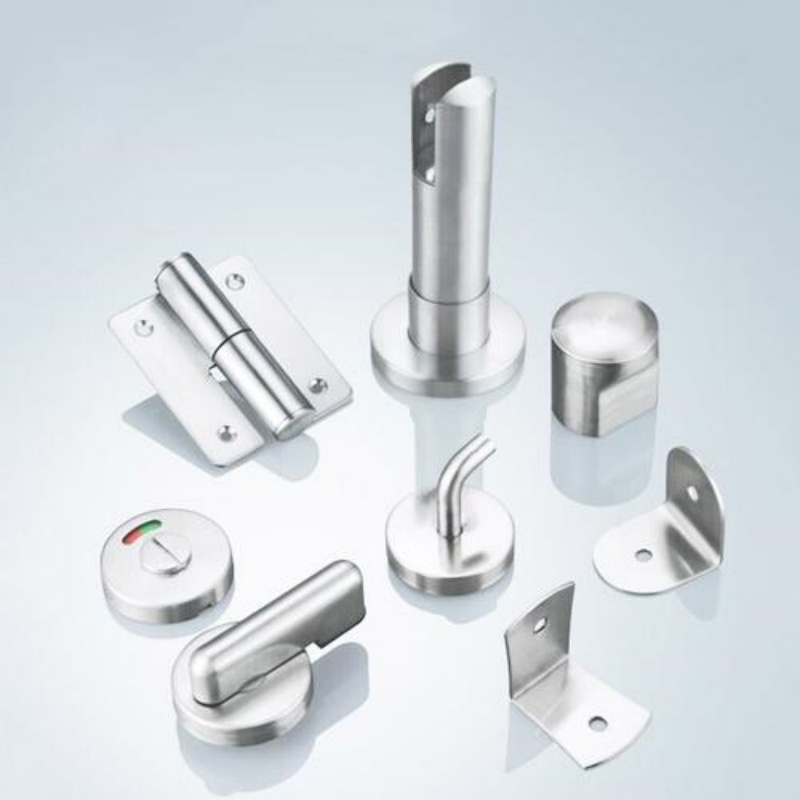
Faced with the vast array of iron-based alloy products on the market, precise selection and compliant procurement are crucial. First, a “operating conditions–cost” matrix assessment must be conducted. Clearly define the equipment’s design temperature, stress levels, and environmental media to avoid “over-specification” or “under-specification.” For example, if the operating temperature is below 650°C, a highly cost-effective iron-based alloy (such as GH2132) is sufficient, and there is no need to blindly pursue expensive nickel-based alloys; however, if the temperature exceeds this threshold, the material must be upgraded.
Second, pay close attention to the heat treatment condition and microstructure. The final properties of iron-based alloys are highly dependent on the heat treatment process. When purchasing, be sure to request heat treatment process certification from the supplier and distinguish between the mechanical property differences of the “solution-treated” and “age-hardened” states. At the same time, for critical load-bearing components such as those in the aerospace industry, explicitly require compliance reports for fine-grained microstructure (e.g., grain size ≥ Grade 6) and trace elements (e.g., boron, cerium), as these are often “hidden variables” that determine the fatigue life of the component.
Finally, be wary of low-price traps and verify the supply chain. The raw material costs of high-temperature alloys are significantly influenced by bulk metal prices; if a quote is more than 15% below the market average, there is a high risk that recycled materials or downgraded compositions are being used. It is recommended to require suppliers to provide original manufacturer’s quality certificates and batch traceability codes, and to commission a third-party organization to conduct spectral analysis and random inspections of mechanical properties to ensure the authenticity and reliability of the materials.
Machining and Maintenance: Essential Precautions
Iron-based alloys exhibit specific sensitivities during machining and in-service operation. During welding, interpass temperatures must be strictly controlled, and welding consumables of the same or higher grade must be used. Post-welding, stress-relief annealing or solution treatment is typically required to prevent cracking in the heat-affected zone. During cold working, excessive deformation can lead to work hardening;
intermediate annealing must be performed promptly to prevent cracking.
Regarding storage and transportation, iron-based alloys should be stored in a dry, well-ventilated indoor environment. They must not be stored together with acids, alkalis, salts, or heavy metal powders (such as copper or zinc) to prevent electrochemical corrosion or liquid metal embrittlement. When lifting and handling, nylon slings or soft padding must be used; direct contact with steel wire ropes is strictly prohibited, as surface scratches can damage the oxide film, which can easily become a source of corrosion or fatigue cracks during high-temperature service. During routine maintenance, the use of strong acidic cleaners containing chlorine or sulfur is strictly prohibited to prevent pitting corrosion or stress corrosion cracking.
FAQ
Q: How should I choose between iron-based and nickel-based alloys?
A: The choice depends primarily on the operating temperature and budget. Iron-based alloys are a cost-effective option for medium- to high-temperature applications (typically below 650°C–850°C), offering good machinability and lower costs; however, for extremely high temperatures (above 900°C) or in highly corrosive environments, nickel-based or cobalt-based alloys must be selected.
Q: Why did my iron-based alloy components become brittle or crack at high temperatures?
A: This is usually related to improper heat treatment or operating temperatures falling within the “sensitization range.” For example, prolonged service at 450°C–650°C can cause certain iron-based alloys to precipitate harmful σ phases, leading to embrittlement; or failure to perform heat treatment promptly after welding can result in residual stress concentration. It is recommended to verify the heat treatment profile and actual temperature fluctuations under operating conditions.
Q: How can I verify the corrosion resistance of iron-based alloys during procurement?
A: In addition to reviewing standard chemical composition reports, it is recommended to request that suppliers provide Critical Pitting Temperature (CPT) test data or PREN (Pitting Resistance Equivalent Number) values. For harsh environments containing chlorine or sulfur, these specialized test data provide a more accurate indication of the material’s actual service life than tensile strength alone.
Q: How should minor pitting corrosion on the surface of iron-based alloys be addressed?
A: If localized pitting corrosion is detected, immediately shut down the equipment. Use a specialized acid-washing paste free of chloride ions to remove corrosion products, then perform acid washing and passivation again to restore the surface oxide film. Additionally, investigate whether chloride ions or sulfide impurities have been introduced into the medium. If the corrosion depth exceeds the specified limit, the component must be replaced immediately.
 What Is Polyimide (PI)
What Is Polyphenylene Sulfide (PPS)
What Is Polyimide (PI)
What Is Polyphenylene Sulfide (PPS)
 What is PEEK-for Engineers and Buyers
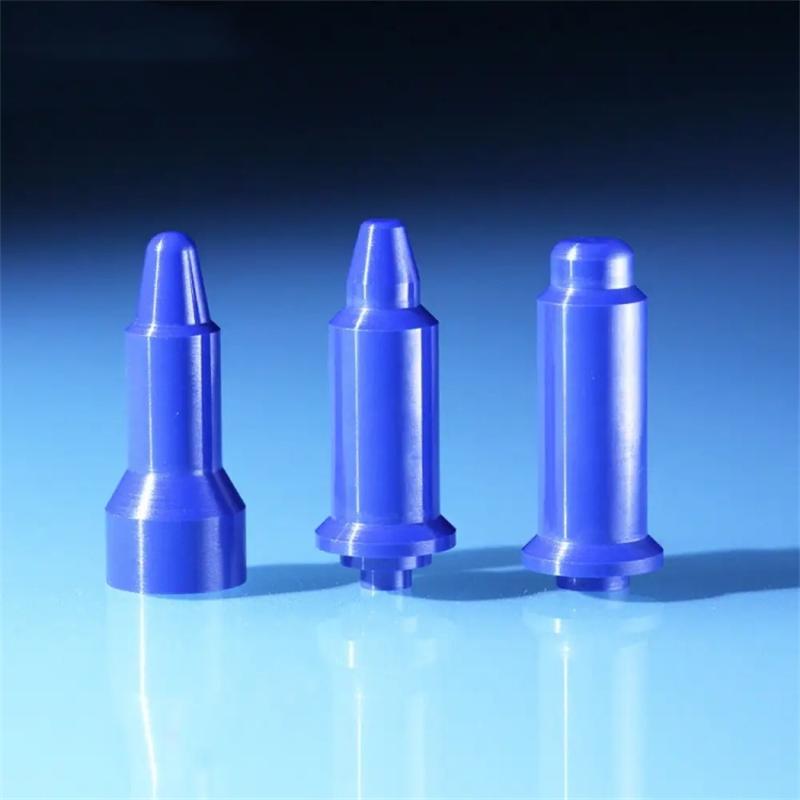 Application Scope of Zirconia Ceramic Structural Components