
Why can cobalt based alloys become materials that can withstand extreme environments
In cutting-edge industrial sectors such as aerospace, energy, and chemical processing, equipment often must operate for extended periods under extreme conditions—including high temperatures, high pressures, severe corrosion, and intense wear. Faced with such challenges, ordinary steel is often inadequate, whereas cobalt-based alloys, thanks to their outstanding comprehensive properties, have become the “trump card” material for engineers and procurement professionals.
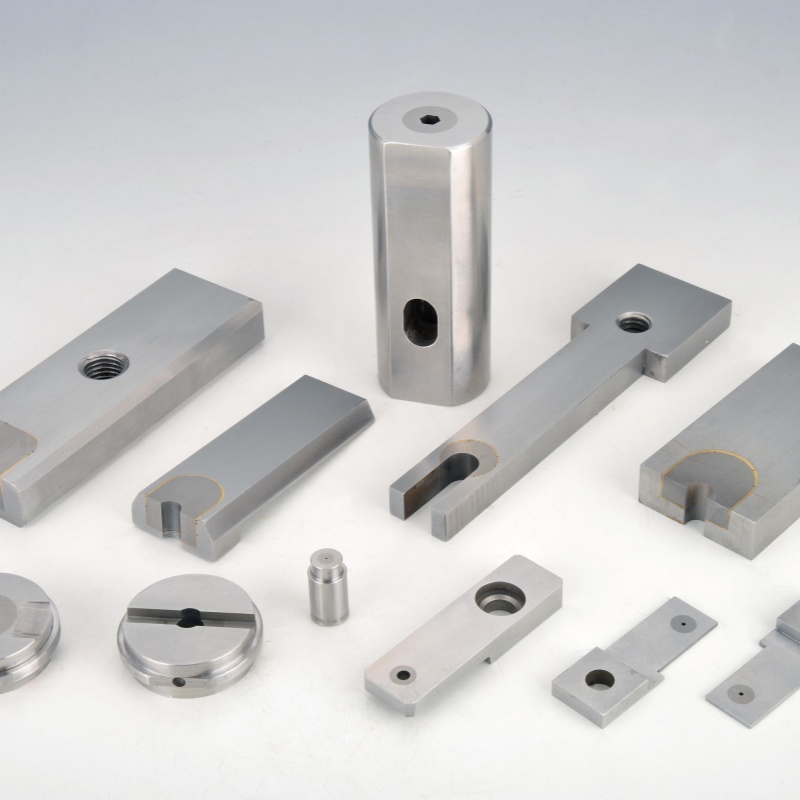
The Key to Their Success:
The fundamental reason cobalt-based alloys can withstand extreme environments lies in their unique chemical composition and microstructural strengthening mechanisms.
First, cobalt-based alloys use cobalt (Co) as the matrix and typically contain significant amounts of chromium (Cr), tungsten (W), or molybdenum (Mo), as well as small amounts of nickel (Ni), carbon (C), and other elements. Among these, a high chromium content is key to resistance against high-temperature oxidation and corrosion. It forms a dense and robust protective layer of chromium oxide (Cr₂O₃) on the alloy’s surface—acting like “self-healing armor”—that effectively shields the alloy from erosion by high-temperature gases and corrosive media. Meanwhile, the addition of refractory elements such as tungsten and molybdenum significantly enhances the alloy’s high-temperature strength and recrystallization temperature through solid solution strengthening.
In terms of microstructure, unlike traditional nickel-based high-temperature alloys, which rely on strengthening through ordered precipitation phases, traditional cobalt-based high-temperature alloys primarily derive their strength from a solid-solution-strengthened austenitic matrix and hard carbides dispersed throughout the matrix. These carbides (such as M₆C and M₂₃C₆) exhibit excellent thermal stability at high temperatures and are resistant to agglomeration and growth, thereby ensuring consistent material performance during long-term service at high temperatures. Additionally, the addition of nickel effectively stabilizes the austenitic microstructure, preventing the crystalline structure transformation that occurs in pure cobalt when temperatures fluctuate.
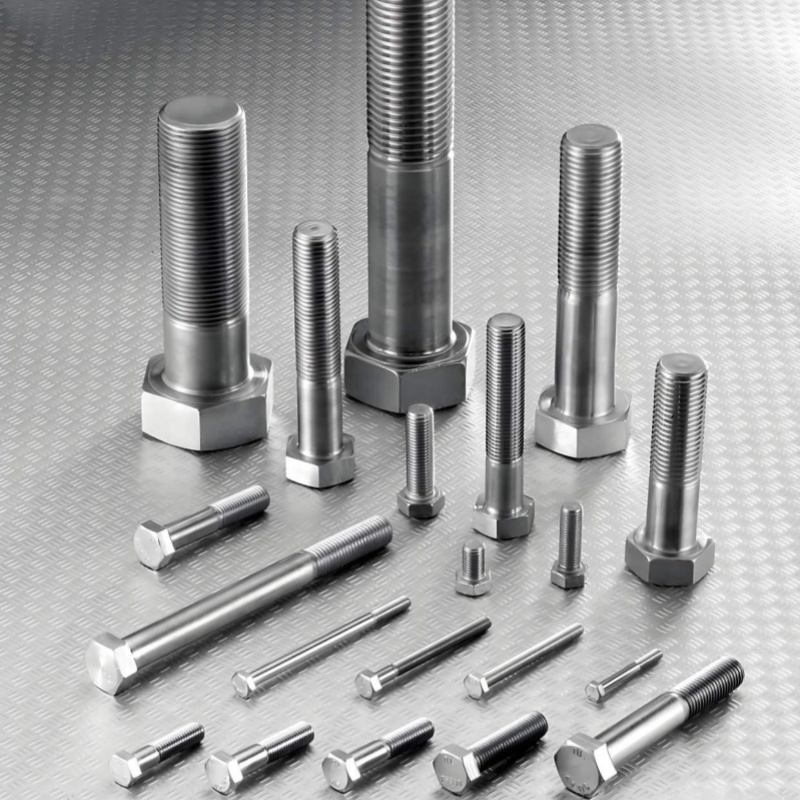
Three Major Categories
Depending on the specific operating conditions, cobalt-based alloys are primarily divided into three major categories, each excelling in different extreme environments:
Cobalt-based high-temperature alloys: These alloys typically operate under ultra-high-temperature conditions ranging from 600°C to 1150°C and exhibit excellent resistance to thermal fatigue, creep, and oxidation. Typical examples include GH5188 (Haynes 188) and GH605 (Haynes 25), which serve as the “core materials” for aircraft engine combustion chambers, turbine guide vanes, and hot-end components of gas turbines.
Cobalt-based wear-resistant alloys: Represented by Stellite alloys, such as Stellite 6 and Stellite 12. These alloys contain high levels of carbon and carbide-forming elements, enabling them to maintain extremely high hardness (HRC 40 or higher) even at temperatures as high as 800°C, making them ideal for high-temperature valve seating surfaces, hot shear blades, and wear-resistant pump impellers.
Cobalt-Based Corrosion-Resistant Alloys: While maintaining excellent mechanical properties, these alloys exhibit exceptional resistance to corrosion by aqueous solutions, acidic and alkaline media, and high-temperature gases containing sulfur and chlorine. They are widely used in high-temperature cracking furnace tubes, conversion furnace internals, and marine engineering equipment in the petrochemical industry.
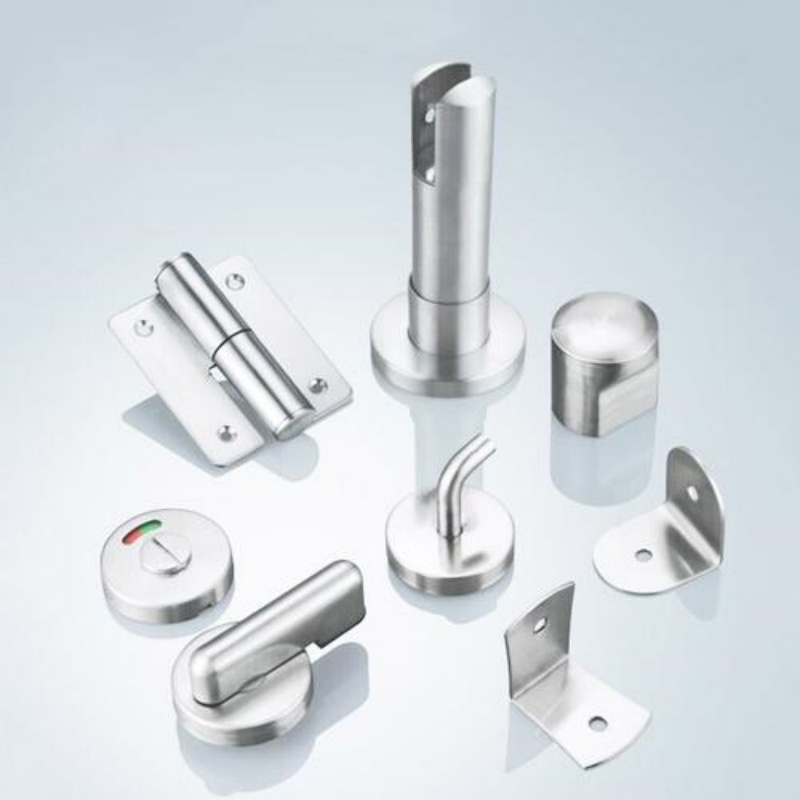
Applications:
Cobalt-based alloys are found throughout the core processes of major heavy industries. In the aerospace sector, they are indispensable materials for manufacturing aircraft engine combustion chambers, turbine discs, and rocket engine components, capable of withstanding the intense erosion of gases exceeding 1,000°C. In the energy and chemical industries—whether in high-temperature structural components for nuclear power plants, heat exchangers for molten salt reactors, or high-temperature, high-pressure valves and roller tables for continuous annealing furnaces in the petrochemical sector—cobalt-based alloys effectively resist high-temperature oxidation, sulfidation corrosion, and particulate erosion, significantly extending equipment maintenance intervals and service life. In addition, due to their excellent biocompatibility and wear resistance, cobalt-based alloys (such as Co-Cr-Mo alloys) are also widely used in the manufacture of medical implants, such as artificial joints.
FAQ:
Q1: Which is better, cobalt-based alloys or nickel-based alloys?
Both have their own advantages. Nickel-based alloys typically offer higher strength at medium temperatures, but in ultra-high-temperature environments above 1000°C, cobalt-based alloys often outperform nickel-based alloys in terms of resistance to thermal corrosion, thermal fatigue, and microstructural stability. Additionally, cobalt-based alloys offer better weldability and resistance to fretting wear.
Q2: Is a harder cobalt-based alloy always better?
Not necessarily. High hardness usually indicates a high carbide content, which, while improving wear resistance, may reduce the material’s toughness and thermal shock resistance. Under operating conditions subject to severe impact loads, blindly pursuing high hardness may lead to brittle fracture of components.
Q3: Can cobalt-based alloys be used indefinitely?
Every material has its service limits. For example, prolonged service of certain cobalt-based alloys in the 450°C–650°C range may cause the precipitation of brittle σ phase, leading to a decrease in toughness; meanwhile, in extremely high-temperature (>1100°C) and oxygen-rich environments, their oxidation resistance lifespan will also be significantly shortened. Service life must be evaluated based on specific operating conditions.
Selection Recommendations:
Purchasing personnel and technical engineers should follow these principles when selecting materials:
Define operating parameters: Accurately determine the operating temperature, medium composition (e.g., chloride ion and sulfide concentrations), wear type (abrasive wear or fretting wear), and magnitude of impact loads.
Focus on key performance indicators: For high-temperature components, prioritize endurance strength, oxidation weight gain rate, and thermal fatigue life; for wear-resistant components, focus on high-temperature hardness and impact toughness.
Comprehensive Cost Analysis: Since cobalt-based alloys are relatively expensive, it is recommended to adopt a strategy of “using the right tool for the job.” For example, by employing hard-facing welding techniques to apply cobalt-based alloys only to critical working surfaces—such as valve sealing surfaces—while using ordinary carbon steel for the base material, overall costs can be significantly reduced.
Verification of Supplier Qualifications: Require suppliers to provide original manufacturer’s warranty certificates and third-party test reports, with a focus on verifying the smelting process (e.g., whether a combined vacuum induction and electroslag remelting process is used to reduce impurities) and high-temperature performance data.
Machining and Maintenance Precautions:
Work Hardening and Tool Selection: Cobalt-based alloys exhibit a significant tendency toward work hardening and can easily wear down cutting tools during machining. Carbide or ceramic cutting tools must be used, with low speeds, high feed rates, and adequate cooling maintained.
Strict Welding and Heat Treatment Specifications: During welding, low-heat-input processes (such as TIG welding) must be used to control interpass temperatures, and stress-relief annealing must be performed immediately after welding to prevent cracking in the heat-affected zone. During heat treatment, slow cooling after solution treatment is strictly prohibited to avoid carbide coarsening along grain boundaries, which leads to brittleness.
Surface Protection and Corrosion Prevention: Surface scratches can damage the passivation film, making the material susceptible to pitting corrosion in corrosive environments. Use soft clamps during machining and handling to avoid impacts. After installation, acid washing and passivation are recommended to restore the surface protective film.
Safety and Emergency Procedures: When cutting or grinding at high temperatures, personal protective equipment must be worn to prevent inhalation of metal dust. In the event of a medium leak, immediately shut down the equipment and isolate the area. Never use water to extinguish high-temperature metal fires; instead, use dry powder or carbon dioxide fire extinguishers, and dispose of the leaked material in accordance with hazardous waste standards.
 What Is Polyimide (PI)
What Is Polyphenylene Sulfide (PPS)
What Is Polyimide (PI)
What Is Polyphenylene Sulfide (PPS)
 What is PEEK-for Engineers and Buyers
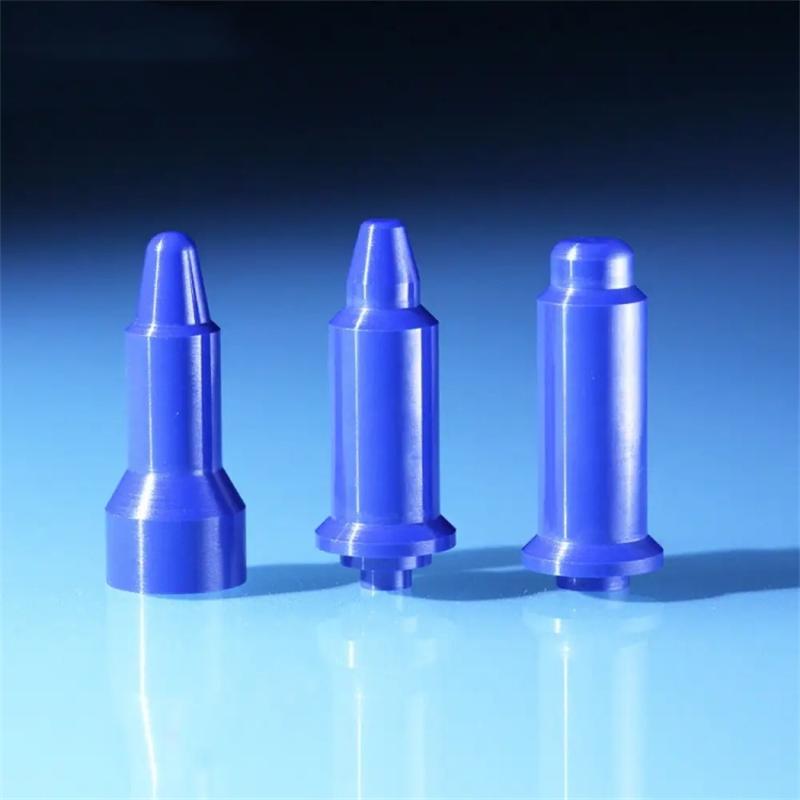 Application Scope of Zirconia Ceramic Structural Components