
Why Nickel-Based Alloys Can Withstand Extreme Environments
In cutting-edge industrial sectors such as aerospace, deep-sea oil and gas extraction, and modern chemical processing, equipment is often subjected to “hellish” operating conditions characterized by extreme heat, severe corrosion, or high stress. In such extreme environments, ordinary steel often fails rapidly, while nickel-based alloys remain as steady as a rock. As the “special forces” of industrial materials, what exactly enables nickel-based alloys to withstand these extreme environments? This article will provide an in-depth, no-nonsense analysis covering their compositional secrets, family classifications, application scenarios, common misconceptions, and purchasing recommendations.
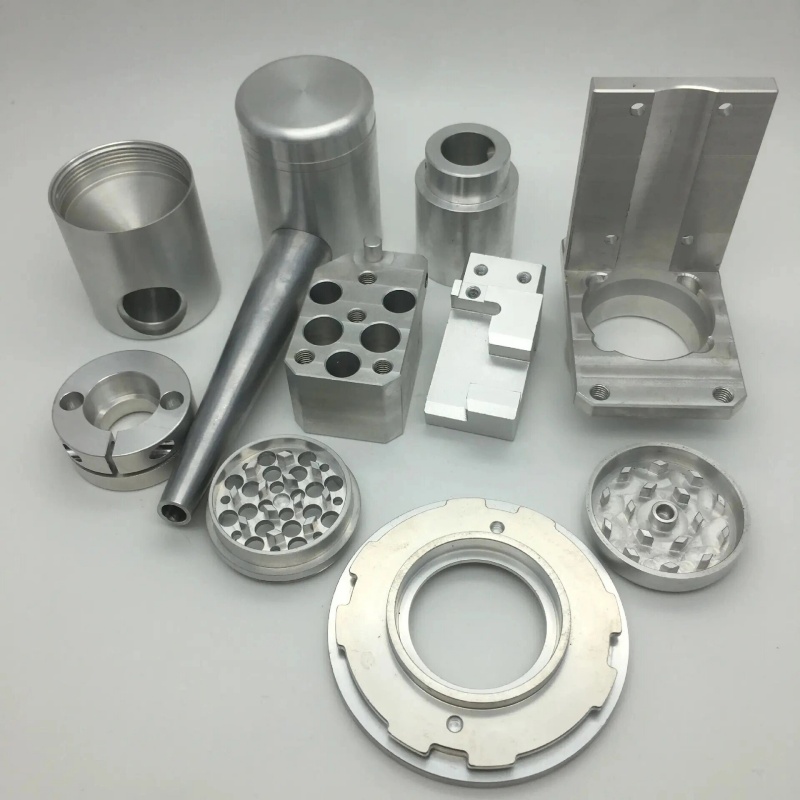
Composition Secrets:
The reason nickel-based alloys can maintain high strength at temperatures ranging from 650°C to 1000°C and resist corrosion from various acidic and alkaline media lies in their precisely engineered “genetic” composition. Nickel (Ni), as the matrix element, typically accounts for more than 50% of the alloy. It not only provides an excellent foundation for corrosion and oxidation resistance but also ensures the material’s structural stability across a wide temperature range, from extremely low to extremely high temperatures.
Building on this foundation, the addition of other alloying elements acts like “special additives”: Chromium (Cr) serves as a high-temperature shield, forming a dense protective layer of chromium oxide on the surface to resist high-temperature oxidation and corrosion; molybdenum (Mo) and tungsten (W) act as “strengtheners,” significantly enhancing the alloy’s resistance to pitting corrosion in reducing media and improving its creep resistance at high temperatures. For precipitation-hardened alloys requiring extremely high strength, niobium (Nb), titanium (Ti), and aluminum (Al) are also added. Through heat treatment, these elements precipitate special intermetallic compounds, pushing the material’s hardness and fatigue resistance to the absolute limit.
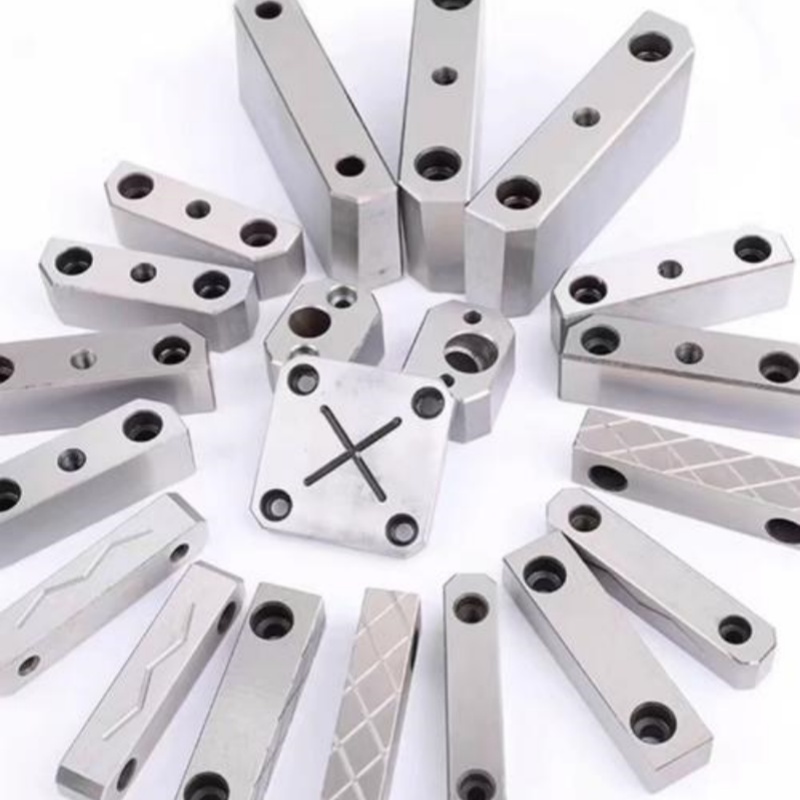
Family Classification:
Based on their primary properties and strengthening mechanisms, the nickel-based alloy family can be broadly divided into the following major categories:
First are nickel-based heat-resistant (high-temperature) alloys. These alloys serve as core materials for aircraft engines and gas turbines, such as Inconel 718 and GH4090. Through precipitation hardening or solid solution strengthening, they can resist creep deformation even under extreme high temperatures and high stresses, making them true “heat-resistant workhorses.”
Second are nickel-based corrosion-resistant alloys. These alloys specialize in resisting chemical corrosion and are further subdivided into multiple series based on the specific medium. For example, the Monel series, based on a nickel-copper alloy, is the undisputed leader in resisting corrosion by hydrofluoric acid and seawater; the Hastelloy series, depending on the ratio of molybdenum to chromium, is divided into the B series—which specializes in reducing acids—and the C series—which is effective against both oxidizing and reducing acids (such as Alloy 59).
In addition, there are nickel-based wear-resistant alloys and precision alloys. The former often contain chromium, molybdenum, and tungsten; they are not only wear-resistant but also resistant to high-temperature oxidation and are commonly used in hard-facing coatings. The latter include soft magnetic alloys, precision resistance alloys, and nickel-titanium shape memory alloys, which are widely used in electronics, medical devices, and self-deploying structural components in aerospace.
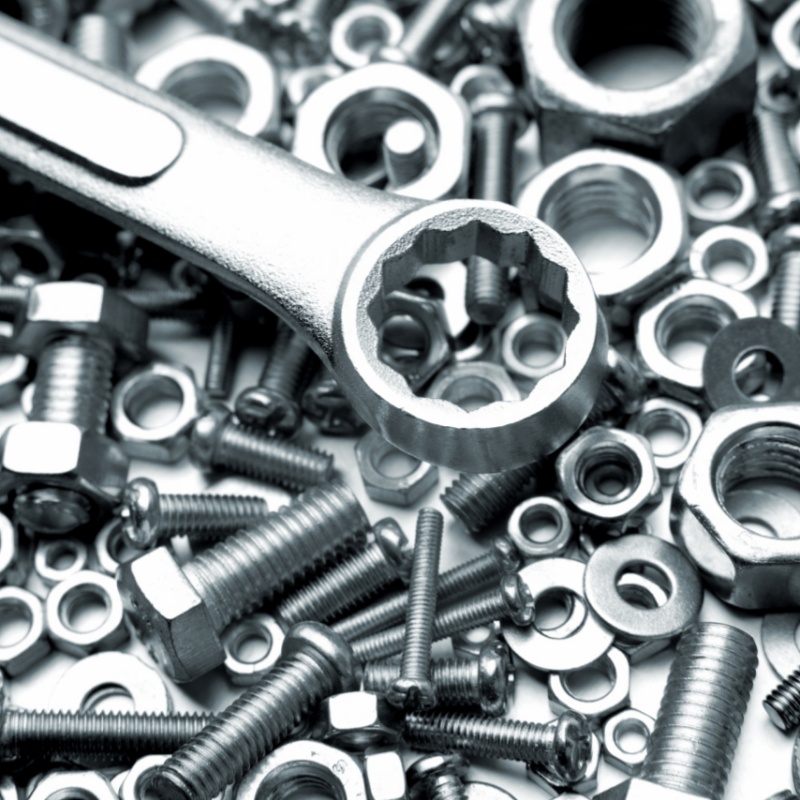
Core Applications:
Nickel-based alloys are found in virtually all high-end manufacturing sectors. In aerospace, they are used to manufacture turbine blades, combustion chambers, and fasteners, which are subjected to high-temperature gas erosion at temperatures exceeding 1,000 degrees. In the energy and petrochemical sectors—whether in nuclear reactor pressure vessels, flue gas desulfurization systems for thermal power generation, or Christmas trees and subsea pipelines in deep-sea oil and gas fields—nickel-based alloys withstand the combined assault of hydrogen sulfide, high concentrations of chloride ions, and deep-sea high pressure. Furthermore, they are indispensable key materials in marine engineering, environmental protection equipment, and even high-end medical devices.
FAQ:
Q: Are nickel-based alloys better the more expensive they are or the higher their grade?
A: Not necessarily. Overemphasizing high grades can lead to significant performance redundancy and wasted costs. For example, using Hastelloy C276 under ordinary, room-temperature, weak-acid conditions may result in procurement costs more than 40% higher than those of the suitable Incoloy 825. Material selection should be centered on “precisely matching the operating conditions.”
Q: Are nickel-based alloys difficult to machine and weld?
A: Nickel-based alloys do exhibit issues such as severe work hardening and low thermal conductivity, leading to rapid tool wear and low cutting efficiency. During welding, microcracks can easily form due to improper control of heat input. Therefore, it is essential to strictly control interpass temperatures, use compatible high-purity welding wire, and perform post-weld solution or stress-relief heat treatment when necessary.
Q: What could be the cause of sudden fracture in a material during service?
A: In addition to excessive stress, one must also be wary of “liquid metal embrittlement” (e.g., contact with mercury) or “harmful phase precipitation” within specific temperature ranges (e.g., prolonged exposure to 650–850°C may lead to σ-phase precipitation, reducing toughness). Furthermore, surface scratches or welds that have not been acid-washed and passivated can serve as initiation sites for pitting corrosion and fatigue cracks.
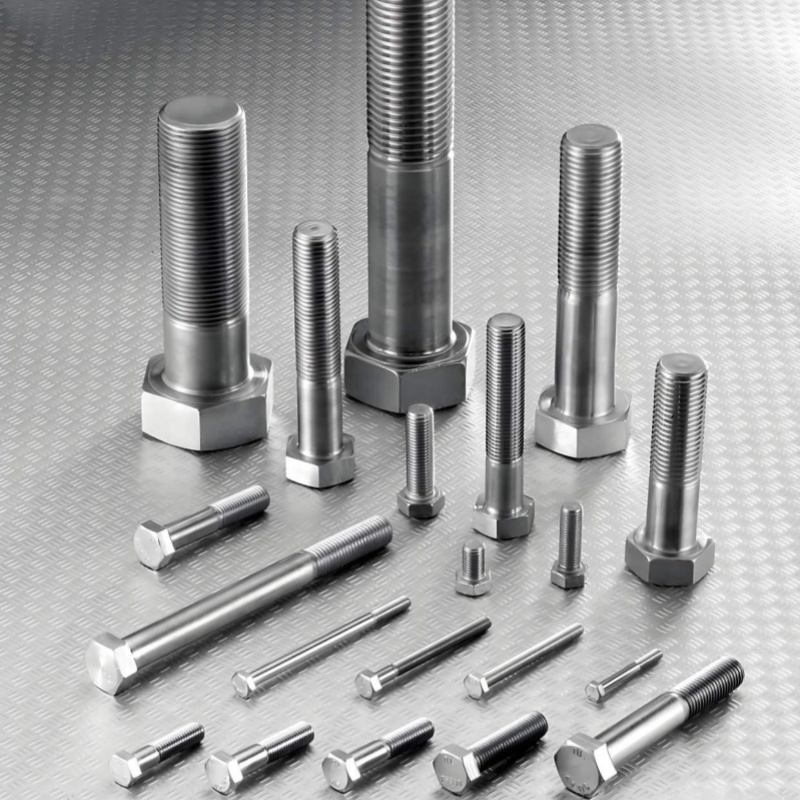
Purchasing and Usage Recommendations: A Practical Guide to Avoiding Pitfalls
For procurement and engineering personnel, mitigating risks is more important than simply pursuing the lowest price. When selecting materials, be sure to request from the supplier an original manufacturer’s certificate of quality that includes chemical composition, mechanical properties, and non-destructive testing results, and verify that the supplier holds relevant certifications such as NACE, ASME, or classification society certifications. It is recommended to first conduct small-batch trial production and third-party testing to verify batch consistency before proceeding with large-scale procurement.
Strict operational standards must be followed during routine processing and installation. For cutting, plasma, laser, or band saws are recommended; oxy-acetylene flame cutting is strictly prohibited to prevent edge oxidation. Before welding, oil and oxides must be thoroughly removed, and the purity of the shielding gas must be at least 99.99%. During installation, direct contact between dissimilar metals should be avoided to prevent galvanic corrosion; sealing gaskets should be made of halogen-free flexible graphite or polytetrafluoroethylene (PTFE).
For storage and transportation, nickel-based alloys should be kept in a dry, well-ventilated indoor area and must not be stored together with acids, alkalis, or heavy metal powders. When lifting, nylon slings or rubber pads must be used; steel wire ropes must not be wrapped directly around the surface to prevent scratching and damaging the passivation film. Only by adhering to the principles of “understanding materials, mastering processes, and enforcing strict controls” throughout the entire lifecycle can nickel-based alloys truly demonstrate their irreplaceable load-bearing capacity in extreme environments.
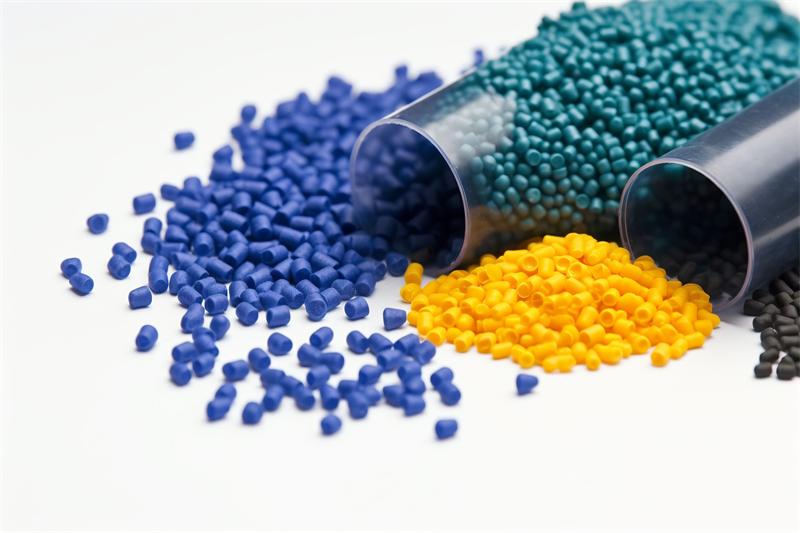 What Is Polyimide (PI)
What Is Polyphenylene Sulfide (PPS)
What Is Polyimide (PI)
What Is Polyphenylene Sulfide (PPS)
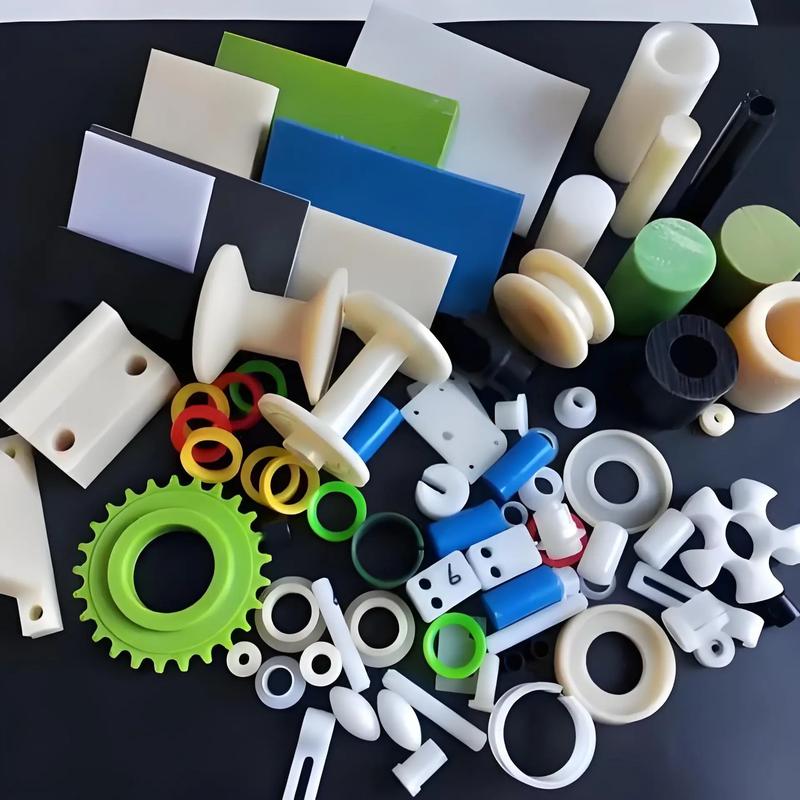 What is PEEK-for Engineers and Buyers
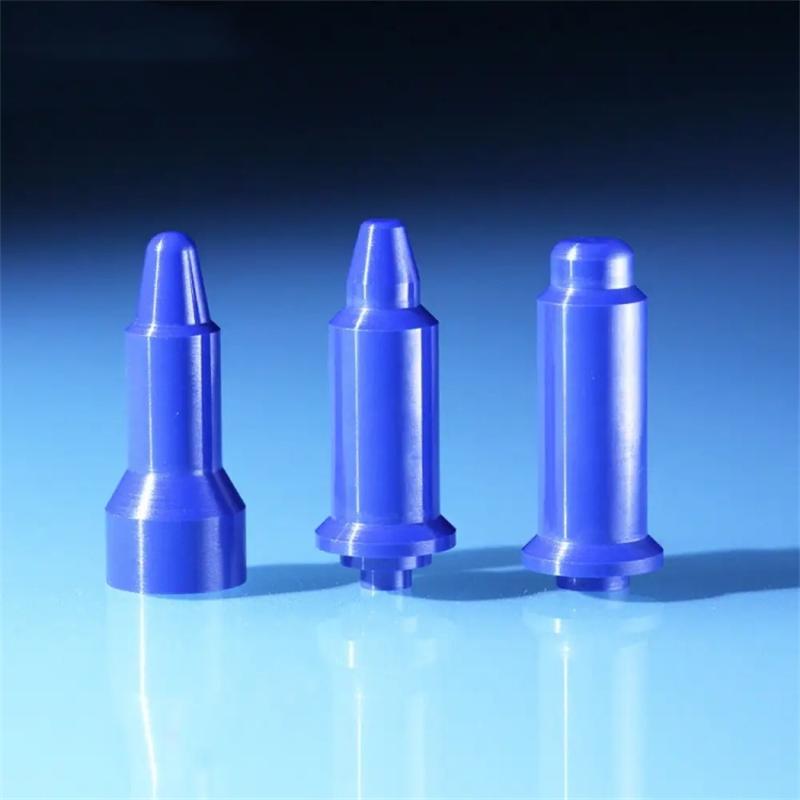 Application Scope of Zirconia Ceramic Structural Components