
Advanced Bioceramics for Medical Implants
The selection of ceramic materials for biomedical implants represents one of the most critical decisions in medical device engineering. Advanced ceramics have emerged as preferred materials for load-bearing and non-load-bearing implants due to their exceptional biocompatibility, wear resistance, and corrosion resistance . Unlike metallic alternatives, ceramic implants do not release potentially toxic ions into surrounding tissues and maintain their structural integrity over extended periods in the physiological environment.
With over 50 years of clinical history in orthopedic and dental applications, advanced ceramics—particularly alumina (Al₂O₃), zirconia (ZrO₂), and silicon nitride (Si₃N₄)—offer distinct advantages that directly address the limitations of traditional implant materials .
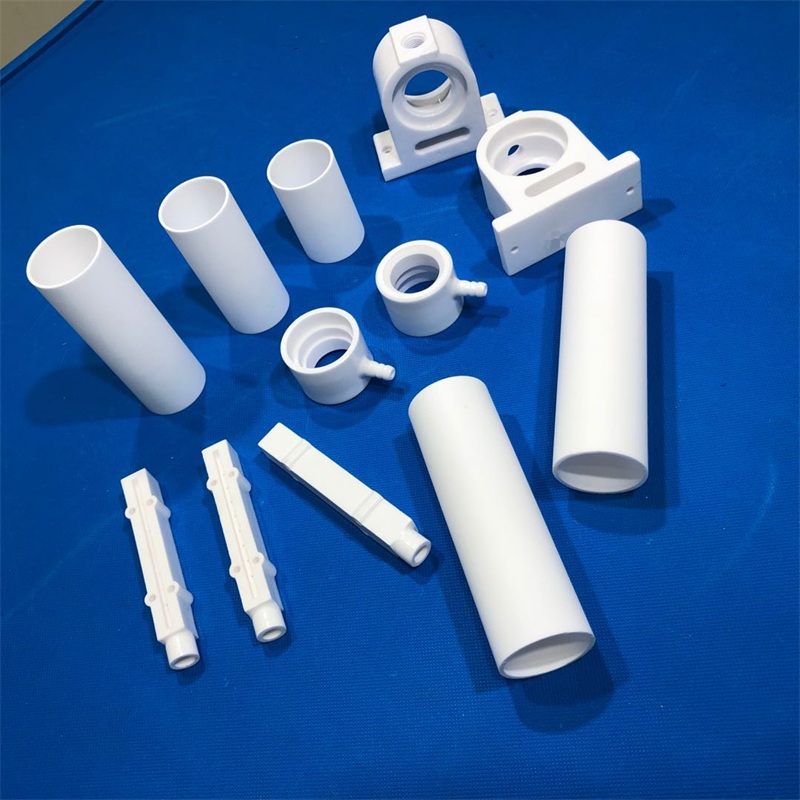
What Is Bioceramics for Medical Implants?
Bioceramics are advanced ceramic materials engineered specifically for medical implant applications. These materials are characterized by their ability to interact favorably with biological tissues without causing adverse reactions . Bioceramics are classified into three generations:
– First-generation (bioinert ceramics): Alumina and zirconia, which maintain their properties in the body without significant chemical interaction
– Second-generation (bioactive and biodegradable ceramics): Calcium phosphates, hydroxyapatite (HA), and bioactive glasses that bond directly with bone tissue
– Third-generation (advanced bioceramics): Materials designed to stimulate specific cellular responses and tissue regeneration
For permanent load-bearing implants, bioinert ceramics such as alumina, zirconia, and silicon nitride are the primary choices. These materials combine mechanical properties and biocompatibility that make them suitable for total hip replacements, dental implants, and spinal fusion devices .
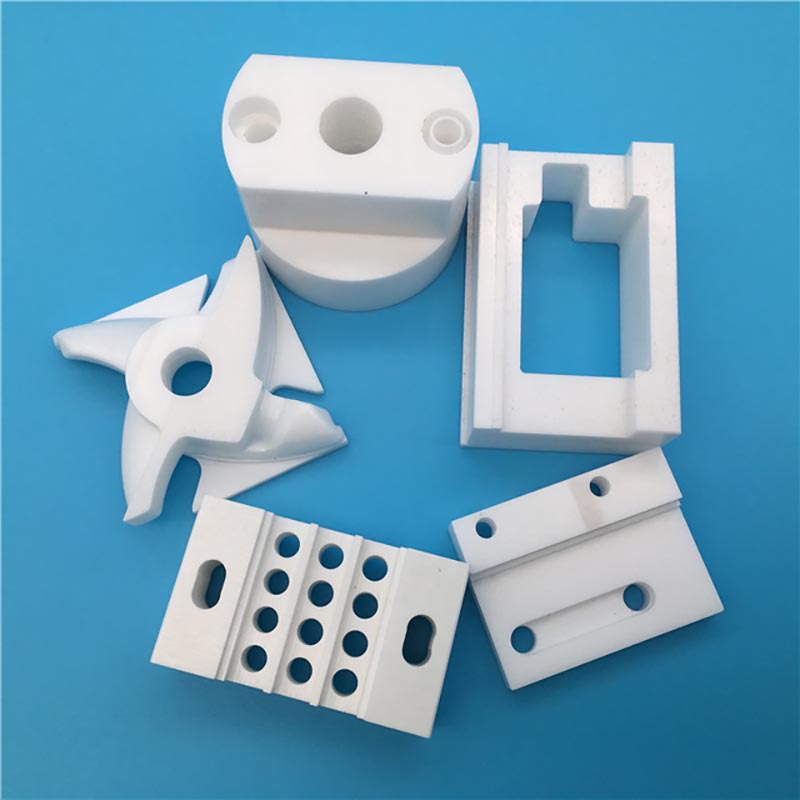
Key Properties Of Advanced Bioceramics
Mechanical Properties
Ceramic implant materials demonstrate excellent compressive strength and hardness. Zirconia-toughened alumina (ZTA) composites have shown up to 41% increase in strength compared to monolithic alumina, making them particularly suitable for load-bearing applications such as hip replacement components . The biaxial flexural strength of these materials exceeds 1000 MPa in optimized formulations .
Wear Resistance
One of the primary advantages of ceramic implants is their exceptional wear resistance. Alumina and zirconia implants produce significantly fewer wear particles than metal-on-polymer or metal-on-metal articulations . Finite element studies have demonstrated that ceramic cranial implants (alumina and zirconia) reduce stresses on the skull and brain compared to titanium implants under impact loading conditions .
Corrosion Resistance
Ceramics are inherently inert in the physiological environment. Unlike metallic implants that can release metal ions—including titanium particles and ions that have been linked to inflammatory reactions and osseointegration failure—ceramic materials maintain their chemical stability . This corrosion resistance ensures long-term implant performance and reduces the risk of adverse tissue reactions.
High Temperature Resistance
The fabrication of ceramic implants often requires high-temperature sintering processes exceeding 1600°C. The materials maintain their mechanical integrity through these manufacturing processes, and the final components withstand autoclave sterilization without degradation .
Electrical Insulation
For neurostimulator casings and feedthrough insulators, the electrical insulation properties of ceramics are essential . Advanced ceramics provide high dielectric strength, making them ideal for non-magnetic enclosures in implantable electronic devices .
Thermal Conductivity
Ceramic materials exhibit significantly lower thermal conductivity than metals, which is advantageous for implants in temperature-sensitive applications. This property reduces thermal transfer to surrounding tissues and contributes to patient comfort .
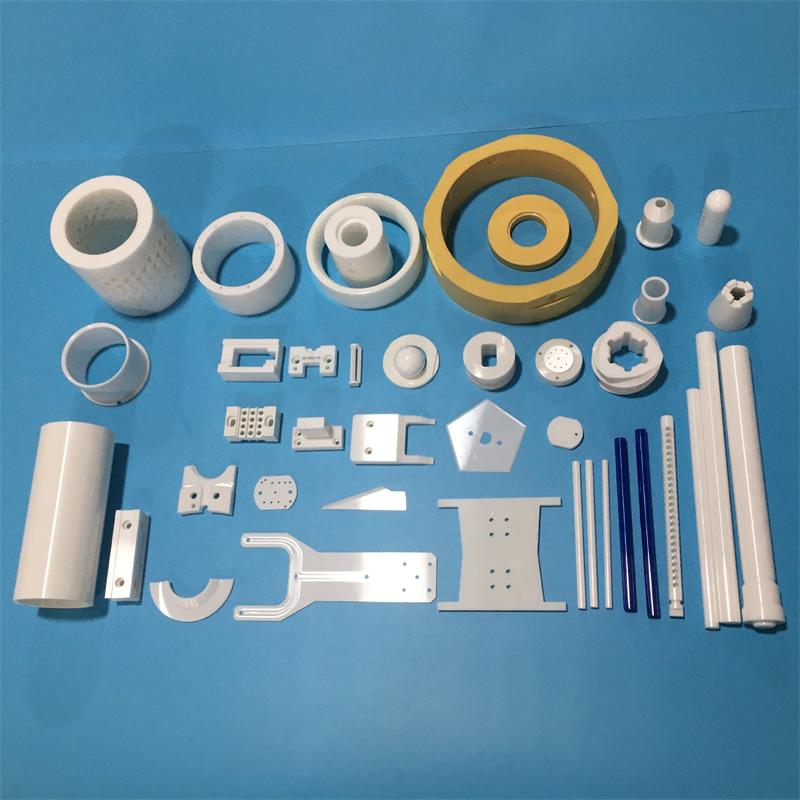
Typical Applications
Orthopedic Implants
Alumina and silicon nitride ceramics are extensively used in total hip and knee replacements. Silicon nitride, in particular, has gained attention for spinal fusion cages and cervical spacers due to its biocompatibility and ability to promote new bone formation . The global market for silicon nitride implants is projected to exceed USD 10 billion by 2031, reflecting the growing clinical adoption of these materials .
Dental Implants
Y-TZP (yttria-stabilized tetragonal zirconia polycrystal) ceramics are increasingly used for dental abutments and implant components. Clinical studies have shown that zirconia and alumina abutments demonstrate comparable marginal bone levels and clinical outcomes to titanium abutments up to five years post-placement . Ceramic dental implants are particularly suitable for patients with known metal sensitivities .
Cranial Reconstruction
Alumina and zirconia have been identified as promising alternatives to titanium for cranial implants . Finite element analysis demonstrates that these ceramic materials reduce stress transmission to the brain tissue under impact loading compared to metallic alternatives .
Neurostimulator Casings
Ceramic materials are replacing titanium enclosures in neurostimulation devices due to their non-magnetic properties and excellent biocompatibility . These enclosures provide reliable protection for sensitive electronic components while eliminating MRI compatibility concerns.
Medical Instrumentation
Precision ceramic components are manufactured for endoscopic devices, surgical instruments, and insulin pump systems. The wear resistance and dimensional stability of ceramics ensure reliable long-term performance in critical medical devices .
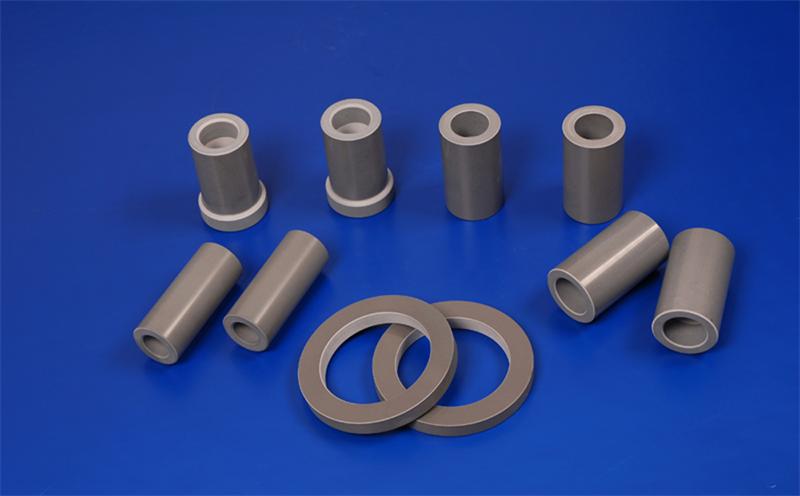
Advantages Compared With Other Ceramic Materials
Alumina vs. Zirconia
Alumina (Al₂O₃) is characterized by exceptional hardness and wear resistance. Its proven clinical history spans over five decades. However, its lower fracture toughness compared to zirconia limits its use in applications requiring enhanced strength.
Zirconia (ZrO₂) offers significantly higher fracture toughness and flexural strength. It is preferred for high-load applications including hip replacement femoral heads and dental abutments. Zirconia’s phase transformation toughening mechanism provides crack resistance under cyclic loading conditions .
Silicon Nitride (Si₃N₄)
Silicon nitride provides an optimal balance of properties: high strength, fracture toughness, and biocompatibility. Recent research on 3D-printed silicon nitride implants has shown that this material can be fabricated into complex geometries, including porous scaffolds for intervertebral fusion devices . Unlike alumina and zirconia, silicon nitride promotes bone regeneration and exhibits inherent antibacterial properties .
Comparison with Titanium
Titanium remains the standard material for many implant applications. However, advanced ceramics offer distinct advantages including:
– Superior wear resistance
– Absence of metal ion release
– Lower thermal conductivity
– Better aesthetic outcomes (particularly in dental applications)
– MRI compatibility (non-magnetic)
However, ceramics exhibit lower fracture toughness and higher brittleness than titanium, requiring careful design and handling .
Custom Manufacturing Options
OEM and Custom Parts Manufacturing
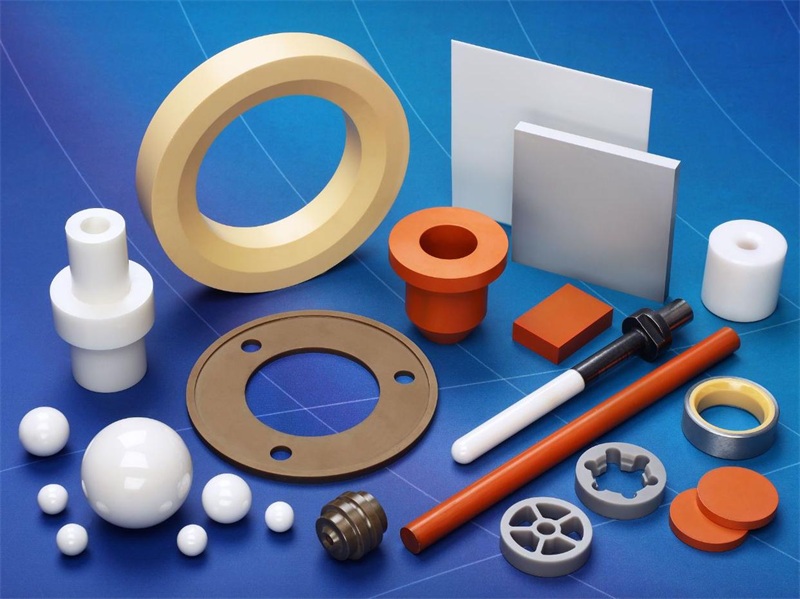
Reputable manufacturers offer comprehensive OEM capabilities for custom ceramic components. CeramTec, for instance, provides ISO 13485-certified manufacturing of custom implants including both one-piece and two-piece designs .
Manufacturing Technologies
Custom ceramic components can be manufactured through several routes:
– Green machining: Machining of unfired ceramic bodies followed by sintering, enabling complex geometries with controlled tolerances
– Hard machining: Diamond grinding of fully sintered ceramics for ultra-precision dimensions– Ceramic Injection Molding (CIM): High-volume production of complex shapes, typically used for large production runs
– 3D Printing (Additive Manufacturing): Emerging technologies including LCD-based vat photopolymerization enable custom-designed porous architectures with properties matching human trabecular bone
Surface Treatment Options
Surface modification can significantly improve osseointegration. Sandblasting and acid etching create micro- and nano-structured surfaces that accelerate bone integration . For dental applications, cleanroom packaging and sterile packaging options are available .
How To Choose The Right Supplier
Quality Certifications
Select suppliers with ISO 13485 (medical devices), ISO 9001 (quality management), and CleanImplant certification for dental components .
Manufacturing Capabilities
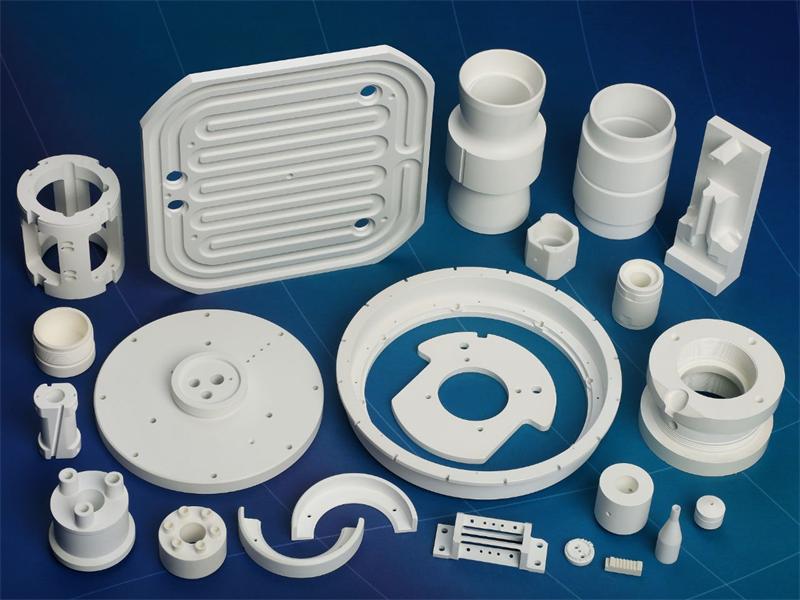
Evaluate the supplier’s ability to deliver Custom Parts through in-house manufacturing. Key technologies include green machining, hard machining, ceramic injection molding, and 3D printing. Assess their capability for both prototyping and high-volume production .
Material Expertise
Verify the supplier’s ability to source and process medical-grade ceramics meeting ASTM F899 and ISO 6474 standards .
Regulatory Support
Choose a supplier offering comprehensive regulatory support, including technical file preparation, sterilization validation, and packaging solutions. Tier 1 suppliers provide end-to-end services from design through sterile packaged product delivery .
The selection of ceramic materials for medical implants requires careful consideration of mechanical properties, biological performance, and application-specific requirements. Alumina, zirconia, and silicon nitride each offer distinct advantages for different implant applications. Engineers and procurement specialists should consider the specific loading conditions, environmental factors, and clinical requirements when selecting materials.
Partnering with an experienced Manufacturer offering comprehensive OEM and Custom Parts capabilities ensures that implant components meet stringent regulatory requirements and clinical performance standards. As additive manufacturing technologies advance, custom-designed ceramic implants with complex geometries and optimized mechanical properties are becoming increasingly accessible.
FAQ
What is the difference between Alumina and Zirconia ceramics for implants?
Alumina offers exceptional hardness and wear resistance with a long clinical history, while zirconia provides higher fracture toughness and strength due to its transformation toughening mechanism. Zirconia is preferred for high-load-bearing applications, while alumina is commonly used for bearings and components requiring maximum wear resistance .
What temperature can Silicon Nitride withstand?
Silicon nitride ceramic maintains its mechanical properties at temperatures exceeding 1000°C. Its fabrication requires high-temperature sintering processes, and the material exhibits excellent thermal stability and oxidation resistance for medical applications .
Why is Aluminum Nitride used in semiconductor equipment?
This article focuses on biomedical implant applications, which primarily use alumina (Al₂O₃), zirconia (ZrO₂), and silicon nitride (Si₃N₄) rather than aluminum nitride (AlN). Aluminum nitride is typically used for electronic thermal management due to its high thermal conductivity, while the bioceramics discussed here are selected for their biocompatibility and mechanical properties.
How do I choose a ceramic component supplier?
Evaluate suppliers based on ISO 13485 certification, manufacturing capabilities (green/hard machining, CIM, 3D printing), material expertise, regulatory support, and track record in medical-grade ceramic production. Request case studies and technical references for applications similar to your requirements .
What are the limitations of ceramic implant materials?
Ceramics are inherently brittle with low fracture toughness compared to metals. They require careful design to avoid stress concentrations and are more susceptible to damage from impacts during surgery. Proper handling techniques and careful manufacturing quality control are essential to prevent premature failure .
 What Is Polyimide (PI)
What Is Polyphenylene Sulfide (PPS)
What Is Polyimide (PI)
What Is Polyphenylene Sulfide (PPS)
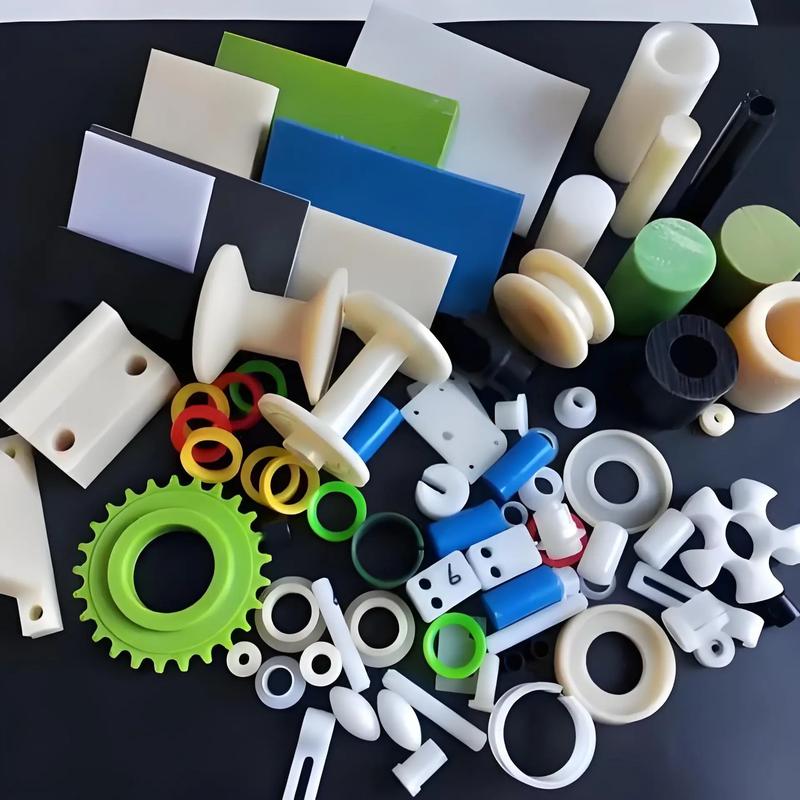 What is PEEK-for Engineers and Buyers
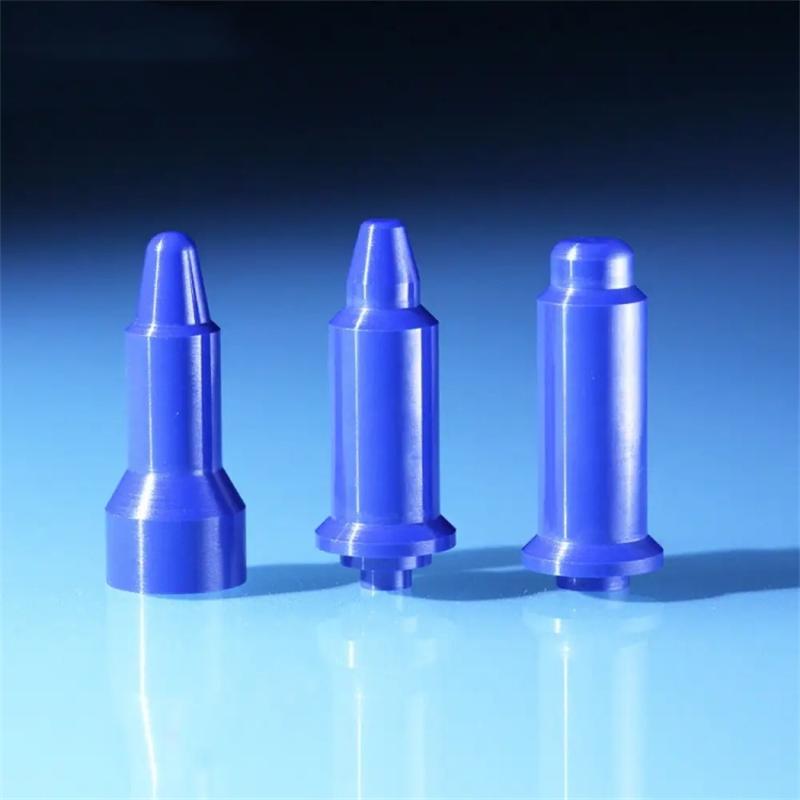 Application Scope of Zirconia Ceramic Structural Components