
How to Choose the Right Ceramic Material for High-Temperature Wear Scenarios
In demanding industrial environments where components are subjected to both extreme heat and abrasive forces, material selection becomes a critical engineering decision. Traditional metals often soften, oxidize, or deform under such combined stresses, leading to frequent maintenance, unplanned downtime, and compromised system reliability. Advanced technical ceramics offer a compelling solution, engineered to maintain mechanical integrity and dimensional stability where conventional materials fail.
Selecting the optimal ceramic for high-temperature wear applications requires a systematic evaluation of mechanical properties, thermal behavior, chemical compatibility, and cost-effectiveness. This guide provides engineers, procurement professionals, and technical decision-makers with a structured framework for material selection, covering the key ceramic families, their comparative advantages, and practical sourcing considerations when engaging with a Manufacturer or Supplier.
What Is High-Temperature Wear-Resistant Ceramics
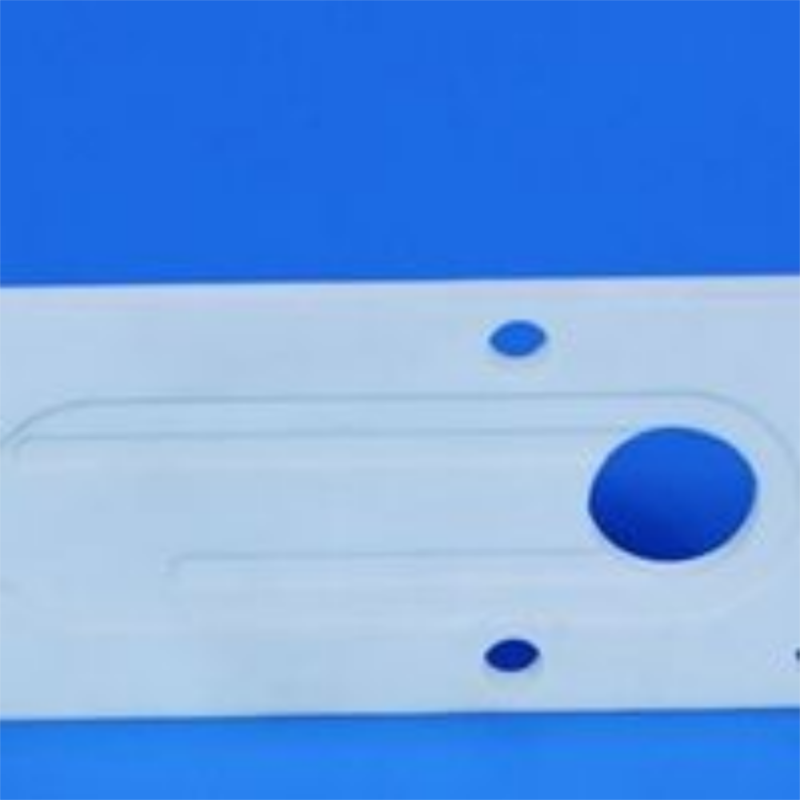
High-temperature wear-resistant ceramics are a class of inorganic, non-metallic materials designed to withstand simultaneous exposure to elevated temperatures and mechanical abrasion or erosion. Unlike metals that lose strength and hardness as temperature increases, advanced ceramics retain—and in some cases, enhance—their wear resistance and load-bearing capacity in thermal environments exceeding 1000°C.
These materials are produced through precision powder processing and high-temperature sintering, yielding dense, hard structures with exceptional Wear Resistance and High Temperature Resistance. They serve as critical components in industries ranging from Energy and Automotive to Semiconductor and Industrial Equipment, where reliability under extreme conditions is non-negotiable.
Key Properties Of High-Temperature Wear-Resistant Ceramics
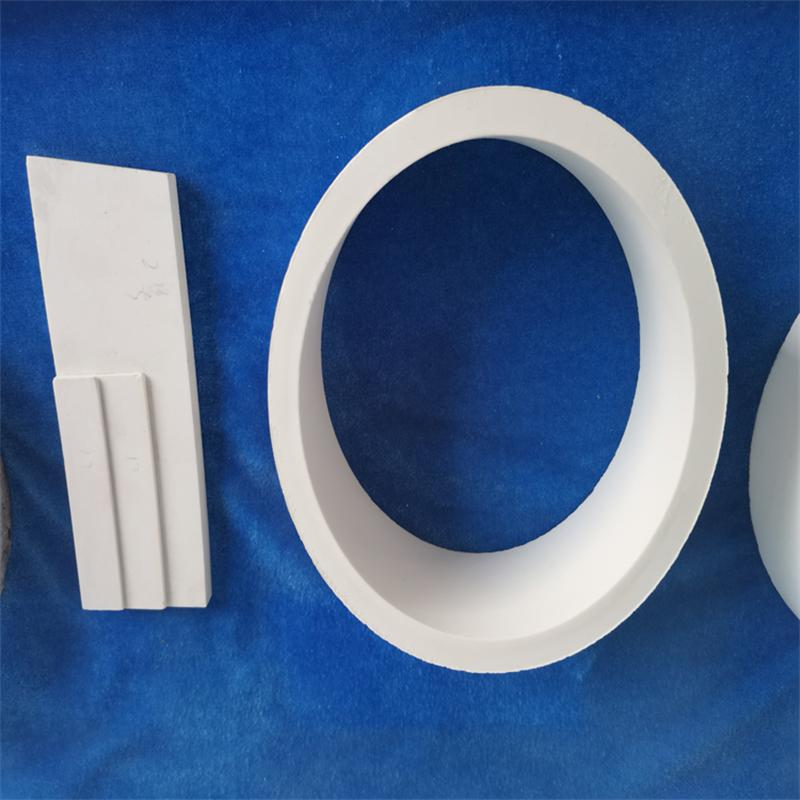
Selecting the right ceramic material begins with understanding the key performance metrics that define its suitability for high-temperature wear environments.
Mechanical Properties
The Mechanical Properties of a ceramic directly influence its wear performance. Hardness and fracture toughness are the two most critical parameters.
– Hardness is a primary indicator of resistance to abrasive wear. Vickers hardness (HV) values among technical ceramics range significantly. Silicon Carbide (SiC) demonstrates hardness around 24–28 GPa, while Alumina (Al₂O₃) typically ranges from 12–18 GPa. Zirconia (ZrO₂) offers moderate hardness (12–16 GPa) but excels in toughness.
– Fracture Toughness measures a material‘s resistance to crack propagation. This is crucial for components subject to impact or thermal cycling. Yttria-stabilized Zirconia (Y-TZP) exhibits exceptional toughness (10–13 MPa·m¹/²), significantly higher than Alumina (3.5–5 MPa·m¹/²) or SiC (4–4.6 MPa·m¹/²).
– Flexural Strength represents the maximum stress a material can withstand before fracture. Y-TZP leads with flexural strength exceeding 900 MPa, followed by Silicon Nitride (Si₃N₄) at 650–900 MPa, making them suitable for high-stress dynamic applications.
Thermal Properties
Performance at elevated temperatures depends on thermal stability and heat management.
– Thermal Conductivity enables efficient heat dissipation, reducing thermal gradients and associated stresses. SiC exhibits high conductivity (approximately 120–125 W/m·K), making it ideal for heat exchanger applications. Alumina offers moderate conductivity (~32 W/m·K), while Zirconia acts as a thermal insulator (~2.9 W/m·K).
– Maximum Operating Temperature defines the upper temperature limit for continuous use. SiC and Alumina can operate reliably up to 1600°C in air, while Silicon Nitride is stable around 1400°C. Zirconia‘s maximum is typically lower, around 1000°C, due to phase stability concerns.
– Thermal Shock Resistance —the ability to withstand rapid temperature changes—is measured by critical temperature difference (ΔT). SiC and Silicon Nitride exhibit excellent thermal shock resistance due to their high conductivity and moderate expansion coefficients, with SiC handling ΔT up to 500°C in oxidizing atmospheres.
Other Critical Properties
– Corrosion Resistance: Ceramics generally offer excellent resistance against acids and alkalis. SiC and Silicon Nitride are particularly robust in aggressive chemical environments, outperforming many metals and specialty alloys.
– Electrical Insulation: For Electronics, Semiconductor, and sensor applications, Electrical Insulation is vital. Alumina and Aluminum Nitride (AlN) provide high volume resistivity (10¹³–10¹⁴ Ω·cm) and high dielectric strength, while SiC is semiconducting and unsuitable for such roles.
Typical Applications
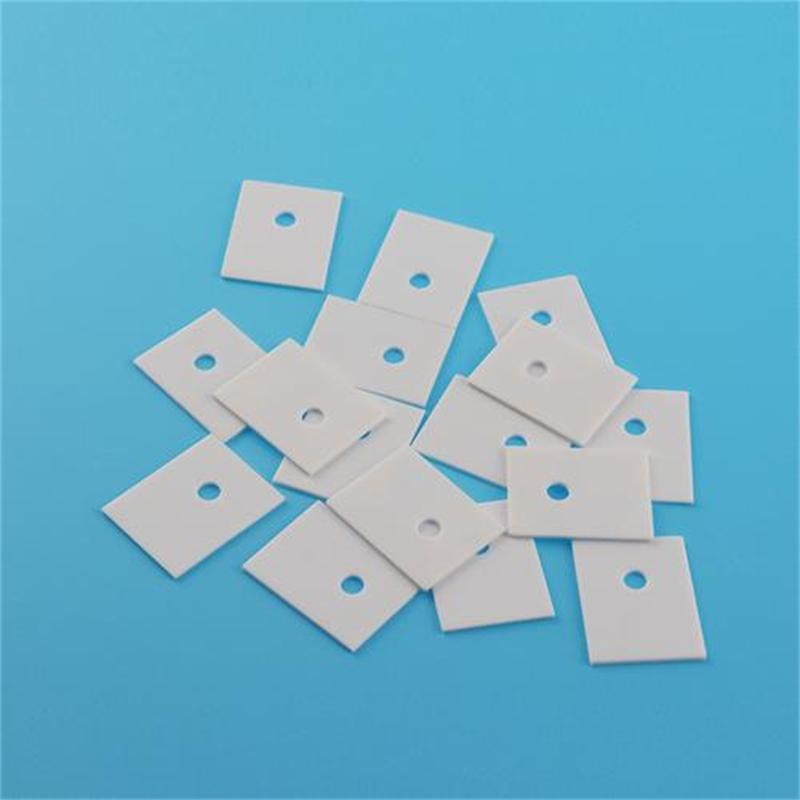
The choice of ceramic is highly application-specific. Below is a breakdown of common material-to-industry pairings:
Automotive Sector
– Silicon Nitride (Si₃N₄) and SiC are used in diesel engine glow plugs, turbocharger rotors, and water pump seals.
– Alumina and Zirconia find application in exhaust gas sensors and bearings for hybrid and electric vehicles.
Energy and Power Generation
– Alumina liners are commonly installed in coal handling systems, pulverized fuel pipelines, and ash handling equipment to resist severe abrasion.
– SiC is specified for heat exchanger tubes and burner nozzles where both high temperature and corrosive flue gases are present.
– Magnesia-stabilized Zirconia (MgO-ZrO₂) serves in thermal barrier coatings for gas turbine components.
Semiconductor and Electronics
– Aluminum Nitride (AlN) is the preferred substrate material for power device packaging, including AMB ceramic substrates for SiC and IGBT modules, due to its exceptional thermal conductivity combined with electrical insulation.
– High-purity Alumina is used in vacuum chucks, wafer handling components, and electrostatic chucks where cleanliness and dimensional stability are critical.
Industrial Equipment and Machinery
– Alumina and Zirconia are widely specified for mechanical face seals, pump impellers, and nozzles used in sandblasting and slurry handling.
– Silicon Nitride is chosen for high-speed bearings, thread guides, and wire drawing dies that demand both wear resistance and impact toughness.
– Grinding media and mill liners in mineral processing frequently use Alumina or Zirconia depending on the wear severity and contamination constraints.
Medical Technology
– Yttria-stabilized Zirconia (Y-TZP) and Alumina are used in artificial joints (hip and knee prostheses) and dental implants due to their biocompatibility, high wear resistance, and inertness in bodily fluids.
– Surgical cutting tools made from Zirconia offer sharp edges and long service life.
Aerospace and Defense
– SiC and Silicon Nitride are used in radar turntables, drone slip rings, and nozzle and valve components requiring both wear resistance and electrical conductivity.
– Advanced high-entropy borides are emerging for leading-edge thermal protection systems in hypersonic vehicles.
Advantages Compared With Other Ceramic Materials
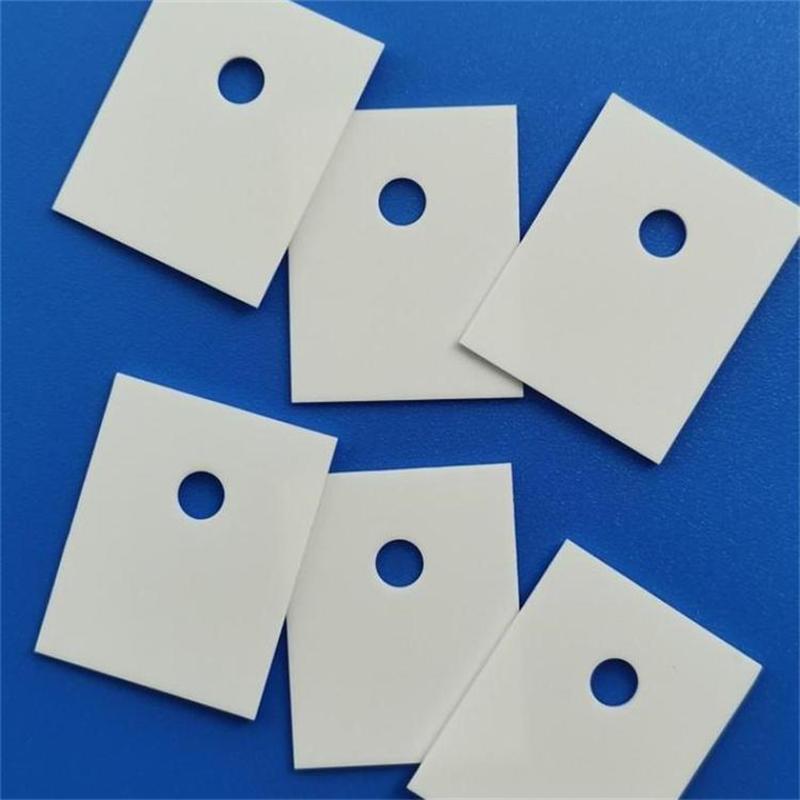
Understanding the key differentiators between material families is essential for optimal selection.
Alumina (Al₂O₃): The Baseline Engineering Ceramic
Alumina is the most widely used advanced ceramic due to its excellent combination of properties and cost-effectiveness. It offers good Wear Resistance, high compressive strength, and reliable Electrical Insulation at a reasonable price point. However, its moderate fracture toughness makes it less suitable for high-impact applications. A reliable Factory producing high-purity alumina (≥95%) can provide cost-effective solutions for general industrial wear parts.
Zirconia (ZrO₂): The Toughness Specialist
Yttria-stabilized Zirconia (Y-TZP) is often referred to as “ceramic steel” due to its superior fracture toughness and high flexural strength. While its hardness is lower than that of Alumina or SiC, its resistance to crack propagation makes it the preferred choice for components subject to impact, cyclic loading, or thermal shock. It is also highly wear-resistant, often outperforming Alumina in dynamic wear scenarios. The trade-off includes higher density and significantly lower thermal conductivity and maximum operating temperature.
Silicon Carbide (SiC): The High-Temperature Process Champion
SiC excels in applications where high-temperature process duty, heat transfer, and extreme wear converge. Its unparalleled thermal conductivity, low thermal expansion coefficient, and gas-tightness make it ideal for heat exchanger tubes, burner nozzles, and thermocouple protection sheaths. It offers the highest hardness and excellent high-temperature strength retention up to 1650°C. Its primary limitations are high manufacturing cost and low fracture toughness.
Silicon Nitride (Si₃N₄): The High-Performance Structural Material
Silicon Nitride offers a balanced profile of high strength, good toughness, and excellent thermal shock resistance. It is often specified for Automotive components like turbocharger rotors and for bearings operating under high stress and temperature. Recent studies continue to confirm its superior tribological performance in sliding contact applications.
Comparative Property Summary
– For flexural strength, Zirconia leads with values exceeding 900 MPa, followed by Silicon Nitride (650–900 MPa), with Alumina and SiC in the 380–550 MPa range.
– In fracture toughness, Zirconia again stands out at 10 MPa·m¹/², while Silicon Nitride (7–8) and SiC (4.6) are intermediate, and Alumina (3.5) is the lowest among the four.
– Hardness is highest in SiC (25 GPa), with Alumina (15 GPa), Silicon Nitride (16 GPa), and Zirconia (13 GPa) following in descending order.
– For thermal conductivity, SiC is the clear leader at 125 W/m·K, while Alumina and Silicon Nitride both reside around 30–32 W/m·K, and Zirconia acts as an insulator at only 2.9 W/m·K.
– Maximum service temperature in air is highest for Alumina and SiC (~1650°C), followed by Silicon Nitride (~1400°C), with Zirconia limited to approximately 1000°C.
Custom Manufacturing Options
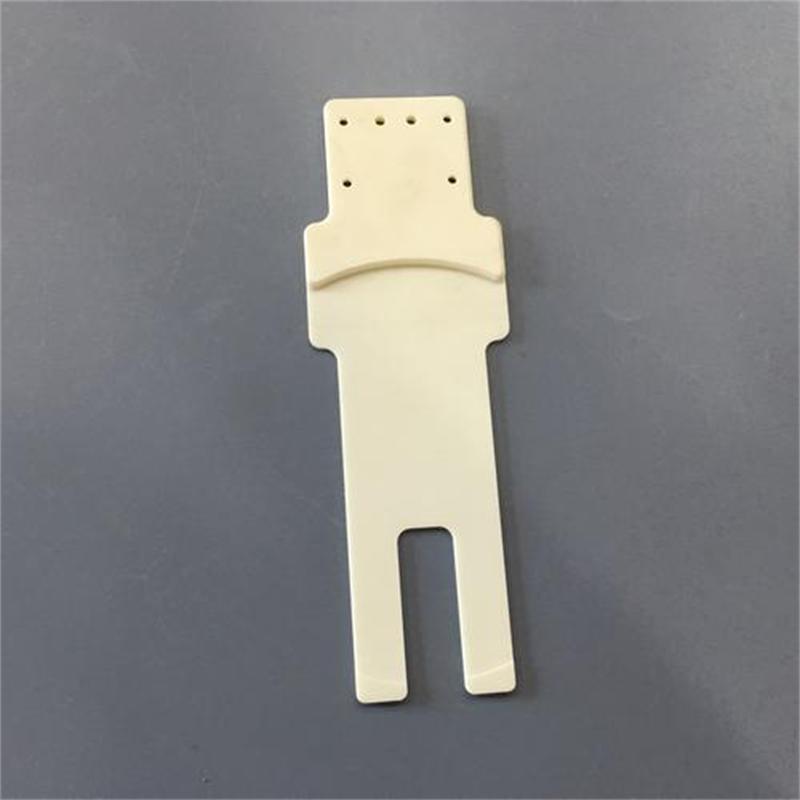
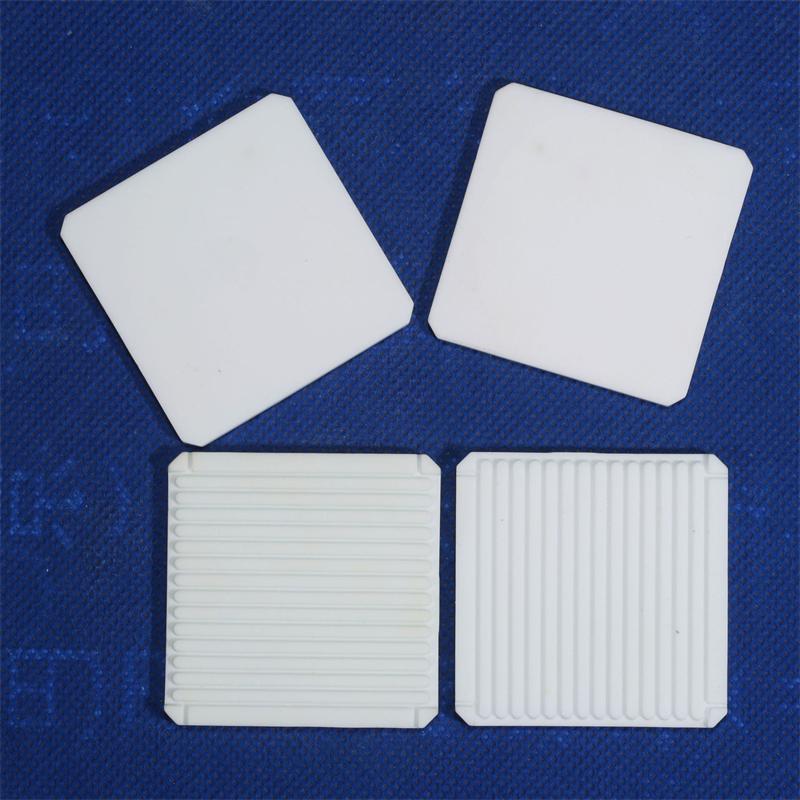
Ceramic components are rarely off-the-shelf. Successful implementation requires collaboration with a manufacturer that can produce Precision Components and Custom Parts tailored to specific engineering requirements.
Near-Net Shape Forming
Most advanced ceramics are formed prior to final sintering. Common forming methods include:
– Isostatic Pressing provides uniform density for complex three-dimensional shapes.
– Extrusion is suitable for tubes, rods, and honeycomb structures.
– Injection Molding allows for high-volume production of complex, small Precision Components, common in the Automotive and Electronics sectors.
– Uniaxial Pressing offers a cost-effective approach for simpler geometries like plates and discs.
Post-Sintering Machining
Ceramics are hard and brittle, making them difficult to machine. Diamond grinding is the primary method for achieving tight tolerances and fine surface finishes after sintering. OEM customers often require specific surface roughness (Ra) to optimize fit and function in mechanical seals or bearings.
Customization Considerations
When seeking custom parts from a Supplier, consider the following aspects:
– Specify the exact material grade and stabilizer type (e.g., Y-TZP versus MgO-ZrO₂) based on the application.
– Clearly define critical dimensions and required tolerances, as ceramics cannot be easily adjusted after final sintering.
– Specify surface finish parameters such as Ra, which directly affect sealing performance and friction behavior.
– Discuss inspection and quality control protocols, including non-destructive testing methods like ultrasonic inspection or dye penetrant testing for critical applications.
– Understand that custom manufacturing typically requires 3 to 6 weeks depending on complexity, quantity, and machining requirements.
How To Choose The Right Supplier
Selecting a reliable partner is as crucial as selecting the material itself. Engineers and buyers should evaluate potential Manufacturers and Suppliers based on the following criteria:
Technical Expertise and Track Record
– Assess whether the company demonstrates a deep understanding of material science and application-specific requirements. Request case studies or references from similar industries.
– Verify that they have in-house engineers capable of providing design support and finite element analysis (FEA) guidance for ceramic components.
Quality Assurance and Certification
– Confirm that the Manufacturer operates an ISO 9001 or AS9100 certified quality management system.
– Ensure they use industry-standard testing methods (e.g., ASTM) for quality control, including verification of material properties like hardness, density, and flexural strength.
Supply Chain Control and Raw Material Sourcing
– Investigate whether they source high-purity, consistent raw materials from reputable suppliers. Impurities can drastically affect high-temperature performance and wear resistance.
Customization and Flexibility
– Determine if they can accommodate OEM requirements for complex geometries, tight tolerances, and specific material grades.
– Ask whether they are willing to work on small-batch prototypes as well as high-volume production runs.
Transparent Pricing and Logistics
– A professional Supplier will provide clear, detailed quotations, including material surcharges, tooling costs, and shipping terms.
– They should communicate realistic lead times and ensure safe, protective packaging for shipping fragile ceramics internationally.
Selecting the appropriate ceramic for high-temperature wear applications is a multi-faceted decision based on a clear understanding of operating conditions, required material properties, and application-specific constraints.
For a balanced, cost-effective solution for general wear and electrical insulation, Alumina (Al₂O₃) serves as the baseline recommendation. For applications demanding maximum toughness and impact resistance, Zirconia (ZrO₂) is the optimal choice. For extreme heat, high wear, and a need for high thermal conductivity, Silicon Carbide (SiC) outperforms competitors. Finally, Silicon Nitride (Si₃N₄) provides a reliable, high-strength solution for dynamic mechanical and thermal loads.
By defining performance priorities and engaging a reputable Manufacturer with proven experience in Custom Parts and OEM production, you can secure high-performance, reliable components that significantly extend service life and reduce total cost of ownership in the most challenging industrial environments.
FAQ
What is the difference between Alumina and Zirconia ceramics?
Alumina (Al₂O₃) is an excellent general-purpose ceramic with high hardness, good wear resistance, and proven electrical insulation. It is generally the most cost-effective option. Zirconia (ZrO₂, Y-TZP) has significantly higher fracture toughness and flexural strength. While its hardness is comparable or slightly lower, its ability to resist crack propagation makes it far more durable under impact, thermal shock, and dynamic loading. Zirconia is often chosen for components like bearings and valves where failure is not an option.
What temperature can Silicon Nitride withstand?
Silicon Nitride (Si₃N₄) can operate continuously in air at temperatures up to approximately 1400°C before oxidation and strength loss become significant concerns. It maintains high strength and resistance to thermal shock over a wide temperature range due to its low coefficient of thermal expansion and moderate thermal conductivity.
Why is Aluminum Nitride used in semiconductor equipment?
Aluminum Nitride (AlN) is used in semiconductor equipment primarily for its exceptionally high thermal conductivity (approximately 170 W/m·K) combined with high electrical resistivity (10¹³ Ω·cm). This unique combination allows it to effectively dissipate heat from high-power devices (like IGBT and SiC modules) while providing electrical insulation, making it an ideal substrate material for power electronics packaging.
How do I choose a ceramic component supplier?
Evaluate potential suppliers based on their technical expertise, quality management systems (ISO certification), in-house material characterization capabilities, experience with your specific industry (e.g., Automotive, Medical, Semiconductor), and ability to meet your requirements for Custom Parts and tight tolerances. Requesting material test reports and asking for client references from similar applications are recommended steps in the vetting process.
Which ceramic material offers the best combination of wear resistance and thermal shock resistance for high-temperature applications?
Silicon Carbide (SiC) and Silicon Nitride (Si₃N₄) both offer excellent combinations of wear resistance and thermal shock resistance. SiC is preferred when maximum hardness and thermal conductivity are required, while Si₃N₄ is chosen when higher fracture toughness and strength retention under mechanical load are more critical. The final selection depends on the specific balance of properties demanded by the application.
 What Is Polyimide (PI)
What Is Polyphenylene Sulfide (PPS)
What Is Polyimide (PI)
What Is Polyphenylene Sulfide (PPS)
 What is PEEK-for Engineers and Buyers
 Application Scope of Zirconia Ceramic Structural Components