
How Ceramic Bearings Are Transforming High-Speed Machinery and the Automotive Industry
The transition from traditional metal-based components to advanced technical ceramics represents one of the most significant material science developments in modern mechanical engineering. Among these innovations, ceramic bearings have emerged as a critical solution for applications demanding performance beyond the capabilities of conventional steel bearings. These precision components address fundamental limitations in high-speed machinery and automotive systems where friction, heat generation, and wear dictate operational lifespan and efficiency.
Ceramic bearings utilize materials such as silicon nitride (Si₃N₄) and zirconia (ZrO₂) to deliver mechanical properties that enable operation under extreme conditions that would rapidly degrade steel equivalents. By replacing traditional bearing steels with advanced ceramics, engineers have achieved measurable improvements in rotational speed capabilities, corrosion resistance, and thermal stability—performance factors that directly impact equipment reliability and maintenance costs.
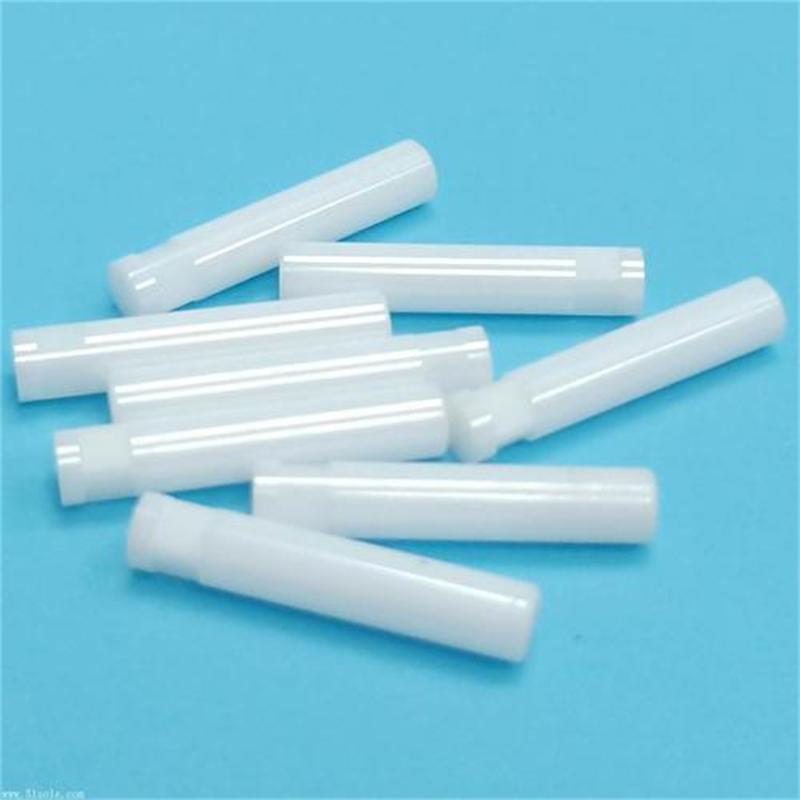
What Are Ceramic Bearings?
Ceramic bearings are precision rolling-element bearings where either the rolling elements (balls), the bearing rings, or both, are manufactured from ceramic materials rather than conventional bearing steels.
There are two primary configurations available from manufacturers:
Hybrid ceramic bearings represent the most common configuration, featuring ceramic rolling elements—typically silicon nitride (Si₃N₄) —with inner and outer rings manufactured from chrome or stainless steel. This design balances performance improvements with cost considerations, offering approximately 60% lighter rolling elements than steel balls while maintaining conventional ring materials.
Full ceramic bearings are constructed entirely from ceramic materials, with both rings and rolling elements manufactured from either silicon nitride or zirconia. These bearings utilize high-performance polymer retainers such as PEEK or PTFE, with full-complement (cageless) versions available for maximum load capacity.
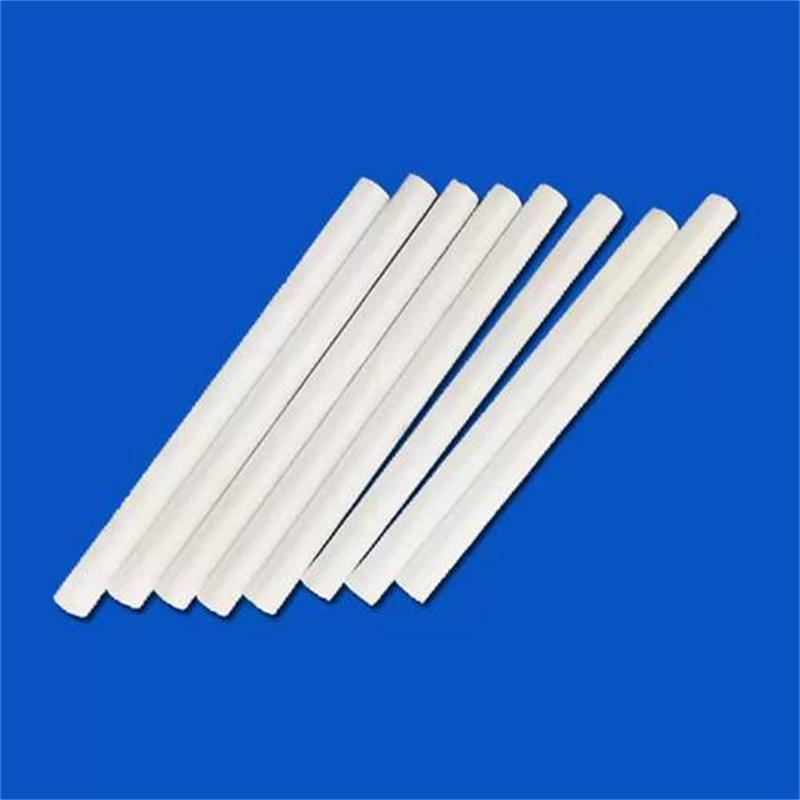
Key Properties of Ceramic Bearings
The technical superiority of ceramic bearings is defined by several distinct material characteristics that directly influence performance in demanding applications.
Mechanical Properties and Wear Resistance
Silicon nitride (Si₃N₄) exhibits hardness exceeding 75 HRc, significantly surpassing the 60 HRc typical of bearing steels. This hardness translates to exceptional wear resistance, with studies demonstrating that Si₃N₄-based bearing systems achieve wear rates approximately 65-75% lower than steel/steel systems under high-temperature conditions. The ceramic material also demonstrates higher stiffness (E-modulus of 320 GPa versus 210 GPa for steel), enabling precision-engineered bearings to maintain dimensional stability under load.
Thermal Management and High Temperature Resistance
One of the most significant advantages of ceramic bearings is their ability to operate at temperatures that would degrade steel bearings. Silicon nitride bearings can function at temperatures up to 1000°C, while zirconia bearings maintain integrity up to 600°C. This high temperature resistance is complemented by a low coefficient of thermal expansion (2.9 × 10⁻⁶/°C for Si₃N₄ versus 10.9 × 10⁻⁶/°C for chrome steel), ensuring that bearing preload and contact geometry remain stable across wide temperature ranges.
Thermal conductivity also plays a critical role. Silicon nitride’s thermal conductivity of 30-35 W/m·K facilitates efficient heat dissipation from the bearing interface, reducing operating temperatures and extending lubricant life.
Corrosion Resistance and Electrical Insulation
Ceramic materials provide inherent corrosion resistance that steel bearings cannot match. Silicon nitride demonstrates resistance to most acids and alkalis, while zirconia exhibits comparable chemical stability. This corrosion resistance makes ceramic bearings suitable for applications involving chemical exposure, medical equipment sterilization processes, and marine environments.
The electrical insulation properties of ceramic bearings are particularly valuable in electric motors and generators. With specific electrical resistance of 10¹² Ω·m for Si₃N₄ and 10⁹ Ω·m for ZrO₂, full ceramic bearings prevent electrical current passage, eliminating bearing damage from electrical erosion—a common failure mode in variable-frequency drive motors.
Typical Applications
High-Speed Machinery
Ceramic bearings are specified for applications where rotational speeds exceed the capabilities of steel bearings. Machine tool spindles, turbines, and electric motors benefit from the reduced mass and lower friction of ceramic rolling elements, enabling efficient operation at elevated speeds. The lower coefficient of friction reduces heat generation, while the high stiffness maintains spindle accuracy under cutting loads.
Automotive and Racing Applications
The automotive industry has adopted ceramic bearings for high-performance and racing applications, including Formula 1, endurance racing, and premium production vehicles. The lightweight construction reduces unsprung mass, while reduced friction contributes to improved fuel efficiency and performance. Electric vehicle manufacturers increasingly specify ceramic bearings for motor applications where electrical insulation properties prevent current-induced bearing damage.
Semiconductor and Electronics Manufacturing
Semiconductor fabrication equipment demands components that operate in vacuum environments without outgassing and with minimal particle generation. Full ceramic bearings with no lubricant requirements (or inert lubricants) are specified for vacuum pumps, wafer handling equipment, and chemical vapor deposition systems. The corrosion resistance of ceramic materials also makes them suitable for wet processing equipment.
Energy and Industrial Equipment
Industrial equipment applications include pumps handling corrosive fluids, gas turbine components, and wind turbine gearboxes where extended maintenance intervals justify the initial cost premium. The nuclear industry has investigated ceramic water-lubricated bearings for reactor coolant pumps, where high-temperature stability and corrosion resistance are critical.
Medical and Food Processing
The non-magnetic, non-toxic properties of ceramic bearings make them suitable for medical equipment such as MRI-compatible devices, dental handpieces, and surgical tools. Food processing equipment benefits from corrosion resistance and the elimination of lubricant contamination risks.
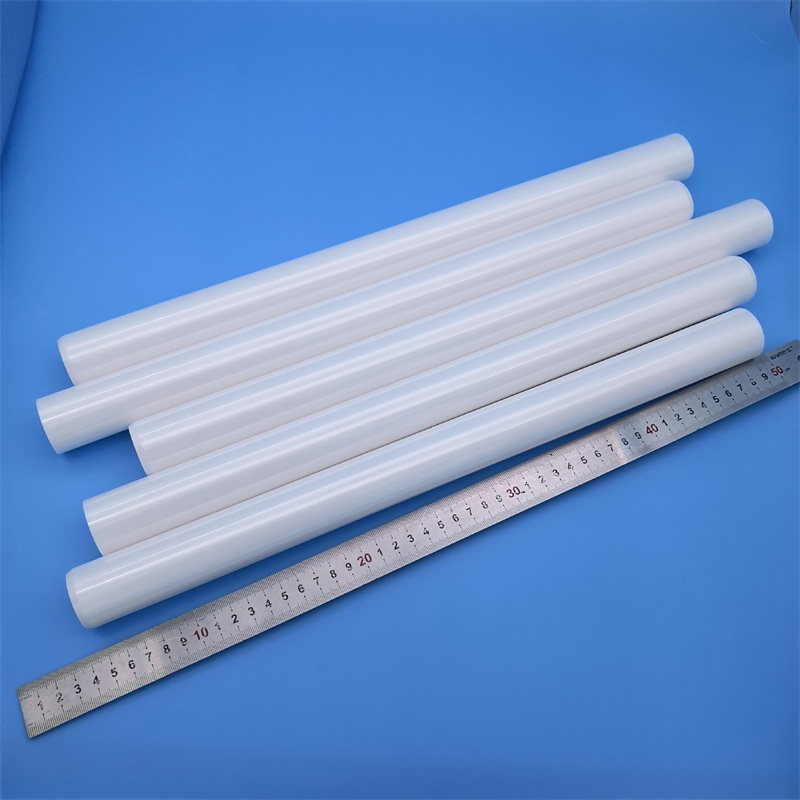
Custom Manufacturing Options
Reputable Custom Parts manufacturers offer extensive customization capabilities for ceramic bearings. OEM partners can specify:
Dimensional configurations including standard metric series (60, 62, 63, 67, 68, 69 series), angular contact bearings (70, 72, 79 series), and thrust bearings, with dimensions ranging from miniature 4mm bore bearings to large industrial sizes.
Precision grades from ABEC 1 through ABEC 7 (P0 through P4 in ISO standards) to accommodate different speed and accuracy requirements. Precision Components with tighter tolerances command higher costs but deliver improved rotational accuracy and reduced vibration.
Retainer materials including PTFE (operating to 180°C), PEEK (to 260°C), and polyimide (to 300°C), with full-complement (cageless) designs available for applications requiring maximum load capacity.
Surface treatments and sealing options can be specified to address specific environmental challenges, including coated raceways for reduced friction or specialized seals for contamination exclusion.
How to Choose the Right Supplier
Selecting a reliable Ceramic Bearing Manufacturer requires evaluation of technical capability, quality systems, and commercial considerations.
Technical Capability Assessment
Evaluate potential Suppliers on their material sourcing—quality of raw ceramic powders significantly affects final component properties. Verify that the Factory maintains in-house grinding and finishing capabilities, as post-sintering machining determines dimensional accuracy and surface finish. Ask for technical documentation of mechanical properties, material certifications, and process control procedures.
Quality Systems and Testing
Qualified manufacturers implement ISO 9001 or IATF 16949 quality management systems. Inquire about inspection protocols: dimensional inspection, noise testing, vibration analysis, and rotational accuracy verification. Request evidence of materials testing including hardness verification, density measurement, and microstructure analysis.
Manufacturing Lead Times and Flexibility
Industrial Ceramic Bearing Suppliers typically offer lead times of 3-5 days for small quantities, with custom orders requiring negotiation based on complexity. Determine whether the supplier offers OEM services and their minimum order quantities for custom specifications.
Commercial Considerations
Request pricing for sample orders to validate technical claims before committing to volume purchasing. Confirm payment terms, packaging specifications, and shipping arrangements. Manufacturers offering technical support for installation and applications engineering provide value beyond basic supply.
Ceramic bearings represent a proven technology that enables high-speed machinery and automotive systems to achieve performance levels impossible with conventional steel bearings. The combination of high hardness, low density, corrosion resistance, electrical insulation, and temperature stability positions these precision components as essential solutions for demanding applications across semiconductor, medical, automotive, energy, and industrial equipment sectors.
When specifying custom parts, engineers must balance material selection between silicon nitride and zirconia based on operating conditions, temperature requirements, and cost constraints. Success depends on selecting a reliable supplier with demonstrated technical capability, rigorous quality systems, and responsive support for OEM requirements.
FAQ
What is the difference between silicon nitride and zirconia ceramic bearings?
Silicon nitride (Si₃N₄) offers lower density (3.2 g/cm³), higher stiffness (320 GPa), higher temperature capability (1000°C), and lower thermal expansion, making it preferred for high-speed, high-temperature applications. Zirconia (ZrO₂) provides toughness closer to steel, similar thermal expansion to steel, and excellent corrosion resistance, making it suitable for applications where thermal expansion matching with steel components is important.
What temperature can silicon nitride ceramic bearings withstand?
Silicon nitride bearings maintain structural integrity up to 1000°C in non-lubricated applications, significantly exceeding the 170°C practical limit of chrome steel bearings. However, the retainer (cage) material typically limits continuous operating temperature—PEEK retainers are suitable to 260°C, while full-complement (cageless) designs can operate to the ceramic’s temperature limit.
Why are ceramic bearings used in electric motors?
Ceramic bearings provide essential electrical insulation in electric motors, preventing current passage through the bearing that causes electrical discharge machining (EDM) damage. The high temperature resistance and wear resistance also contribute to extended motor bearing life in variable-frequency drive applications, where bearing currents are a common failure mode.
How do I choose the right ceramic bearing for my application?
Consider four factors: (1) operating speed and temperature range—silicon nitride for the most demanding conditions; (2) corrosion exposure—both materials perform well, but verify chemical compatibility; (3) cost constraints—hybrid bearings offer most performance benefits at lower cost than full ceramic; (4) precision requirements—specify ABEC/ISO grade based on rotational accuracy needs. Consult with a specialized supplier for application-specific guidance.
How can I verify a ceramic bearing supplier’s quality?
Request material certifications confirming mechanical properties including hardness, density, and modulus. Inquire about quality system certifications (ISO 9001, IATF 16949). Ask for inspection protocols and capability data, including dimensional accuracy, surface finish specifications, and rotational noise testing. Reputable manufacturers provide technical support and can reference industry-proven applications.
 What Is Polyimide (PI)
What Is Polyphenylene Sulfide (PPS)
What Is Polyimide (PI)
What Is Polyphenylene Sulfide (PPS)
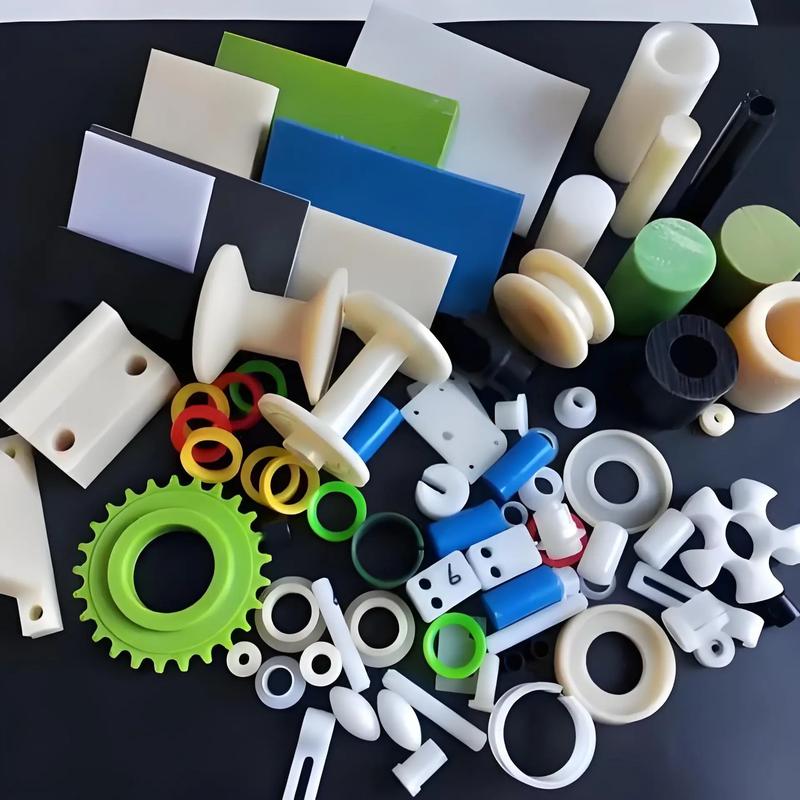 What is PEEK-for Engineers and Buyers
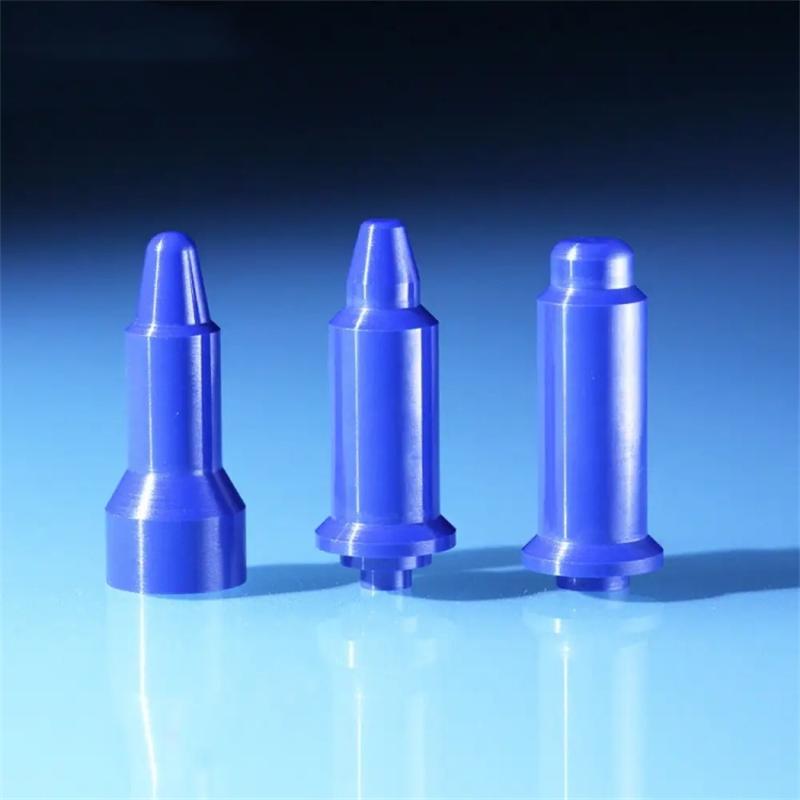 Application Scope of Zirconia Ceramic Structural Components